
Emotionally safe couples don’t just “get along.” They actively use small, repeatable tools that reduce defensiveness, build trust, and make hard moments easier to survive. These tools aren’t flashy or dramatic, which is why many people overlook them.
But over time, they create relationships where both partners feel heard, respected, and emotionally protected. The couples who last aren’t perfect communicators—they’re consistent ones. Here are 18 tools emotionally safe couples rely on, often without even realizing it.
Naming the Emotion Before the Argument

Emotionally safe couples don’t jump straight into the problem—they start with the feeling. Saying “I’m feeling overwhelmed” or “I’m hurt, not angry” sets the tone and lowers defenses instantly. It prevents the other person from guessing your emotional state or assuming the worst. This tool also keeps discussions from escalating into character attacks. When emotions are named early, conversations stay grounded. Try pausing before a disagreement and labeling what you’re actually feeling first.
Repair Attempts in the Middle of Conflict

Safe couples don’t wait until fights are over to reconnect. They use repair attempts while tension is still present—small gestures like humor, a soft touch, or saying “I’m not your enemy.” These moments interrupt emotional flooding and remind both partners they’re on the same team. The goal isn’t to win the argument but to protect the relationship. Even awkward repair attempts count. What matters is trying to reconnect before damage builds.
Asking Clarifying Questions Instead of Assuming

Emotionally safe partners don’t assume intent—they ask. Instead of thinking “They don’t care,” they say, “Can you help me understand what you meant?” This slows down reactive thinking and replaces it with curiosity. It also gives your partner a chance to explain themselves without being on trial. Assumptions harden resentment; questions soften it. Practice replacing silent conclusions with spoken curiosity.
Using “Impact” Language Instead of Blame

Rather than accusing, safe couples explain impact. “When that happened, I felt dismissed” lands very differently than “You always ignore me.” This approach keeps conversations focused on emotional effects instead of personal flaws. It also makes it easier for your partner to hear feedback without shutting down. Impact language invites accountability without humiliation. If you want change, describe how actions affect you.
Taking Breaks Without Threatening the Relationship

Emotionally safe couples know when to pause—and how to do it safely. They don’t storm off or threaten separation during heated moments. Instead, they say, “I need 20 minutes to cool down, but I’m coming back.” This protects the bond while giving space for regulation. Breaks are about calming the nervous system, not avoiding the issue. Always pair space with reassurance.
Normalizing Emotional Needs

Safe couples don’t shame each other for needing reassurance, space, affection, or clarity. They treat emotional needs as normal, not weaknesses. This removes the fear of being “too much” in the relationship. When needs are accepted, people stop testing and start asking directly. Try responding to needs with curiosity instead of defensiveness. Safety grows where needs are welcomed.
Validating Feelings Without Agreeing

Validation doesn’t mean agreement, and emotionally safe couples understand that. They can say, “I see why you’d feel that way,” even if they see things differently. This prevents emotional shutdowns and power struggles. Feeling understood often matters more than being right. Validation creates space for problem-solving later. Lead with understanding before solutions.
Speaking About Problems as Shared Challenges

Instead of “your issue” or “my issue,” safe couples frame struggles as “our problem.” This mindset reduces blame and increases teamwork. It also shifts the focus from fault-finding to solution-building. When both partners feel equally responsible, cooperation improves. Try changing your language to reflect shared ownership. Unity lowers defensiveness fast.
Repairing Small Hurts Quickly

Emotionally safe couples don’t let small wounds pile up. They address minor slights, misunderstandings, and disappointments early. This prevents resentment from quietly accumulating. Quick repairs keep emotional accounts balanced. Even a simple “That didn’t come out right—sorry” makes a difference. Small apologies prevent big blowups.
Allowing Each Other to Change Over Time

Safe couples don’t freeze each other in old versions. They allow room for growth, shifting priorities, and evolving identities. This prevents resentment when one partner outgrows old dynamics. Curiosity replaces judgment as people change. Ask who your partner is becoming, not who they used to be. Emotional safety thrives where growth is allowed.
Checking Interpretations Before Reacting
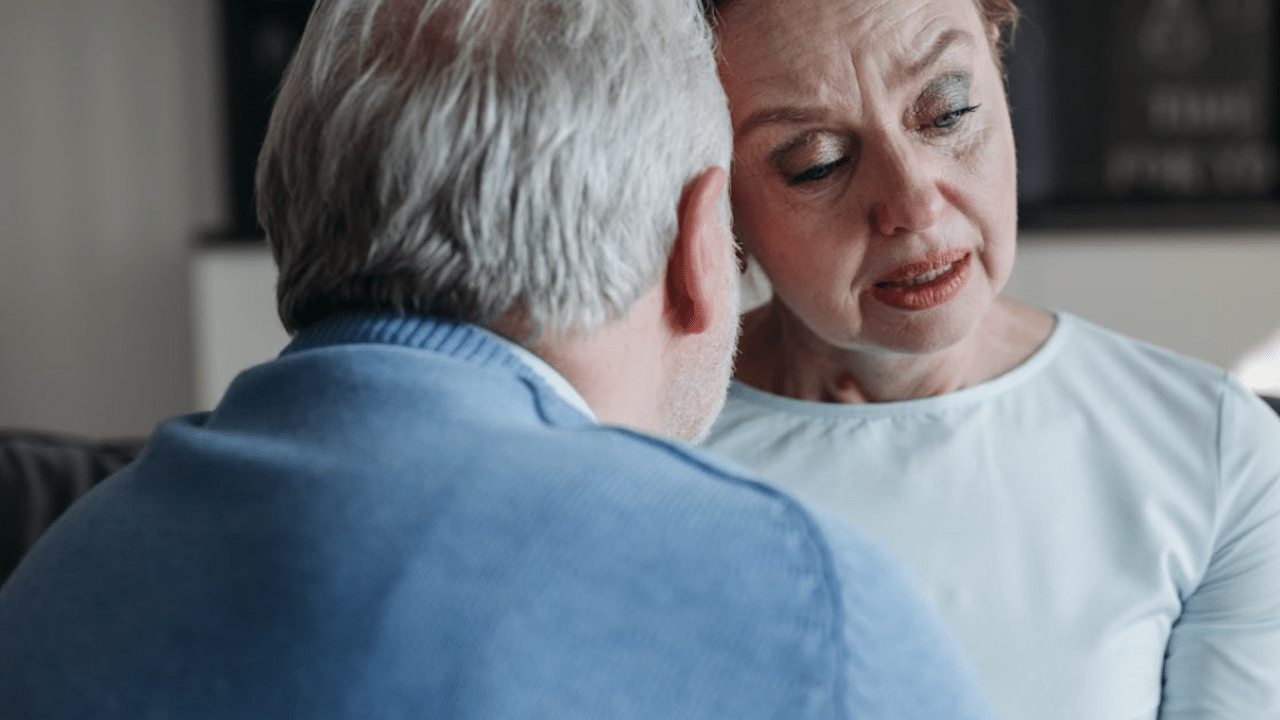
Emotionally safe partners pause to check their stories. Instead of reacting to assumptions, they ask, “Is this what you meant?” This tool interrupts emotional spirals before they escalate. Many conflicts are based on misinterpretation, not malice. Clarifying intent reduces unnecessary pain. Practice slowing down your first emotional conclusion.
Separating Past Wounds From Present Moments

Safe couples don’t weaponize old pain in new conflicts. They recognize when past experiences are coloring current reactions. This keeps arguments focused and fair. If history shows up, they name it gently instead of attacking. Emotional safety grows when partners feel they won’t be punished forever. Keep the present moment clean.
Making Emotional Check-Ins Routine

Rather than waiting for problems, emotionally safe couples check in regularly. Simple questions like “How are we doing lately?” create ongoing connection. These moments surface issues early and normalize emotional honesty. Check-ins don’t need to be heavy or formal. Consistency matters more than depth. Make emotional maintenance a habit.
Respecting Different Regulation Styles

Not everyone processes emotions the same way, and safe couples accept that. One partner may need space, the other closeness. Emotional safety comes from respecting these differences instead of forcing sameness. They negotiate needs rather than criticizing coping styles. Flexibility reduces conflict dramatically. Learn how each of you calms down best.
Apologizing Without Justifying

Emotionally safe apologies don’t include excuses. “I’m sorry I hurt you” lands better than “I’m sorry, but you made me.” Clean apologies show accountability and care. They focus on repair, not self-protection. This builds trust over time. When apologizing, remove the defense and lead with empathy.
Letting Emotions Exist Without Fixing Them

Safe couples don’t rush to solve every feeling. Sometimes they just listen. This prevents emotional invalidation and pressure. Not every emotion needs a solution—some just need space. Sitting with discomfort together builds deep trust. Ask whether your partner wants support or solutions.
Protecting Each Other During Stressful Times

Emotionally safe couples become gentler, not harsher, during stress. They don’t use exhaustion, pressure, or bad days as excuses to wound each other. Instead, they lower expectations and increase kindness. This builds a sense of refuge in the relationship. Stress reveals safety levels fast. Choose protection over venting.
Reaffirming Commitment After Conflict

After disagreements, safe couples reconnect intentionally. They don’t let silence or distance linger. A hug, kind word, or reassurance signals that the bond is intact. This closes emotional loops and restores security. Conflict doesn’t threaten the relationship—it strengthens it when repaired well. Always end hard moments with reconnection.








Ask Me Anything