
Emotional maturity isn’t about being calm all the time or having life perfectly figured out. It’s about how a man shows up consistently—especially when things are uncomfortable, unclear, or inconvenient. Emotionally mature men don’t rely on charm, avoidance, or toughness to get through life. They rely on self-awareness, accountability, and steady inner work.
These behaviors aren’t grand gestures; they’re small daily practices that quietly shape stronger relationships, better decisions, and deeper self-respect. Here are 17 behaviors emotionally mature men practice daily—and how you can start doing the same.
1. They Take Responsibility for Their Emotional Reactions

Emotionally mature men don’t blame stress, their partner, or their past for how they react. They understand that feelings may arise automatically, but responses are a choice. When they snap or withdraw, they reflect instead of deflecting. This doesn’t mean self-criticism—it means ownership. A practical habit is pausing before responding and asking, “What am I actually reacting to here?” That pause alone prevents many unnecessary conflicts.
2. They Name Their Feelings Instead of Acting Them Out

Rather than shutting down or exploding, emotionally mature men put language to their emotions. Saying “I feel overwhelmed” replaces irritability; saying “I feel insecure” prevents defensiveness. This skill reduces misunderstandings and builds trust with others. You don’t need perfect emotional vocabulary—start with basic words like frustrated, anxious, disappointed, or tired. Naming feelings creates clarity and lowers emotional intensity.
3. They Listen Without Preparing a Defense

When someone speaks, emotionally mature men focus on understanding—not winning. They don’t mentally rehearse counterarguments while the other person is talking. This makes conversations feel safer and more productive. A practical rule is to summarize what you heard before responding. It slows the interaction down and ensures the other person feels genuinely heard.
4. They Regulate Stress Before It Leaks Onto Others

Emotionally mature men don’t make everyone else pay for a bad day. They notice stress signals early—tight shoulders, irritability, impatience—and address them proactively. This might mean stepping outside, exercising, journaling, or simply admitting they need a breather. The key is not pretending stress doesn’t exist. Managing stress privately prevents emotional spillover in relationships.
5. They Apologize Clearly and Without Excuses

A mature apology doesn’t include “but,” explanations, or blame-shifting. Emotionally mature men say, “I was wrong,” and stop there. They understand that intent doesn’t erase impact. A useful habit is apologizing quickly once awareness hits, rather than waiting for things to “blow over.” This builds credibility and emotional safety over time.
6. They Accept Feedback Without Seeing It as an Attack

Feedback doesn’t automatically mean rejection to an emotionally mature man. Even when it stings, he stays curious instead of defensive. He separates his worth from the behavior being addressed. A helpful practice is asking, “What part of this might be true?” rather than immediately explaining yourself. Growth starts where defensiveness ends.
7. They Set Boundaries Instead of Resenting Others

Emotionally mature men don’t expect others to read their minds. When something feels draining, uncomfortable, or unfair, they communicate it early. This prevents resentment from quietly building. Boundaries aren’t ultimatums—they’re clarity. Practicing simple phrases like “I can’t commit to that” or “I need more time” protects both energy and relationships.
8. They Don’t Use Silence as Punishment

Withholding communication to regain control is a sign of emotional avoidance, not strength. Emotionally mature men may take space, but they explain why and return to the conversation. They understand that silence can feel threatening or manipulative. A practical habit is saying, “I need time to think, but I want to talk later.” This maintains connection even during tension.
9. They Reflect Daily Instead of Running on Autopilot

Emotionally mature men regularly check in with themselves. They ask what worked, what didn’t, and what emotions came up during the day. This reflection prevents patterns from repeating unconsciously. It doesn’t require long journaling—five quiet minutes is enough. Awareness compounds over time and sharpens emotional intelligence.
10. They Choose Self-Respect Over Short-Term Comfort

Maturity often means doing the uncomfortable thing—having the hard conversation, telling the truth, or walking away when necessary. Emotionally mature men don’t chase relief at the expense of integrity. They understand that avoiding discomfort today often creates bigger problems tomorrow. A guiding question is, “Will I respect myself for this later?” That question changes decisions quickly.
11. They Don’t Outsource Their Happiness
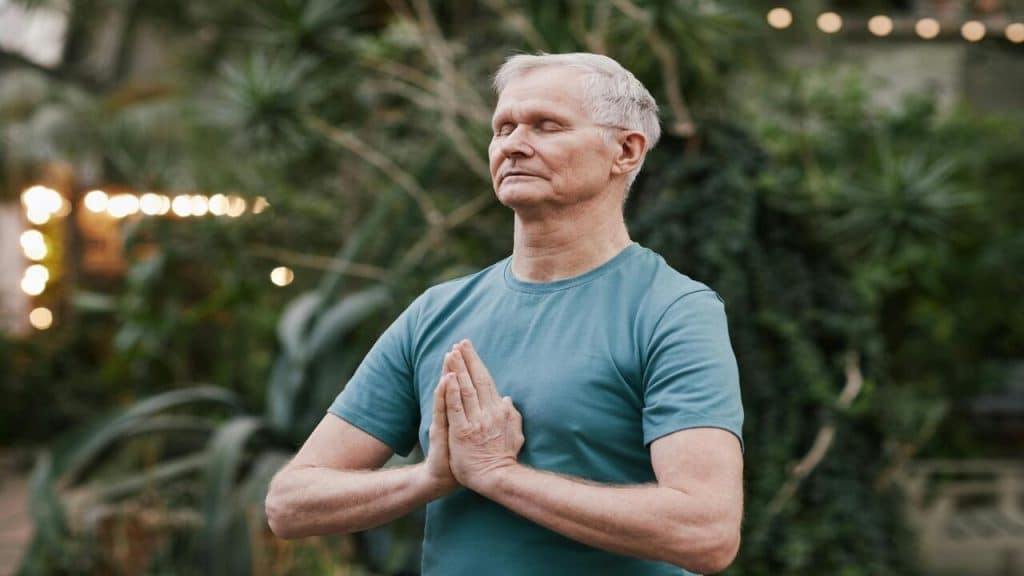
Emotionally mature men enjoy relationships, success, and connection—but they don’t depend on them to feel whole. They take responsibility for their own emotional well-being. This reduces neediness and pressure in relationships. Daily practices like exercise, purpose-driven work, and solitude help stabilize mood. Happiness becomes internally anchored, not externally controlled.
12. They Respond Instead of React

Reacting is automatic; responding is intentional. Emotionally mature men slow down emotional impulses before acting on them. They don’t fire off texts, raise voices, or make decisions in emotional peaks. A simple technique is delaying responses when emotions are high. Time creates perspective, and perspective creates better outcomes.
13. They Allow Vulnerability Without Overexplaining

Emotionally mature men share honestly without turning vulnerability into a performance. They don’t overshare for validation or under-share to appear strong. They speak plainly about fears, doubts, and needs. This builds real intimacy instead of surface-level connection. Vulnerability becomes a bridge, not a burden.
14. They Separate Their Past from the Present

Mature men recognize when old wounds are influencing current reactions. They don’t punish new people for old pain. When triggered, they ask whether the situation belongs to now or then. This awareness prevents emotional misfires. Healing isn’t forgetting the past—it’s not letting it run the present.
15. They Hold Themselves to the Standards They Expect

Emotionally mature men don’t demand behaviors from others they don’t practice themselves. If they value honesty, they speak honestly. If they want respect, they act respectfully. This alignment creates credibility and trust. A daily check-in—“Am I modeling what I’m asking for?”—keeps behavior grounded and fair.
16. They Choose Growth Over Ego

Being right matters less than being better. Emotionally mature men don’t protect ego at all costs. They admit when they don’t know something and seek improvement instead. This mindset keeps them adaptable in relationships and life. Growth becomes a daily decision, not a one-time realization.
17. They Stay Curious About Themselves and Others

Emotional maturity isn’t a finish line—it’s an ongoing practice. Mature men remain curious about their triggers, patterns, and emotional blind spots. They also stay curious about others instead of making rigid assumptions. Asking better questions leads to better understanding. Curiosity keeps emotional growth alive long after habits are formed.








Ask Me Anything