
Emotional reactions in relationships are often more complex than they appear. For men, these reactions are not caused by one single moment but by a buildup of small experiences over time. Things like respect, communication, trust, and consistency all play a role in how situations are interpreted. When these areas feel stable, emotional responses tend to remain calm. When they feel disrupted, reactions such as frustration or withdrawal may appear. Understanding these triggers helps create more awareness and allows both partners to respond with greater patience and emotional balance.
Feeling Disrespected

Feeling disrespected is one of the strongest emotional triggers for many men. This can appear through tone, dismissive comments, interruptions, or not taking their opinions seriously. Even small moments can build up over time and create a sense of being undervalued. Respect is often closely tied to emotional security, and when it feels compromised, reactions like defensiveness or withdrawal may follow. Maintaining respectful communication, especially during disagreements, helps prevent this trigger. When respect is consistent, it creates a stronger foundation for trust, stability, and emotional connection.
Being Misunderstood

Misunderstanding can quickly create emotional tension in a relationship. When a man feels his intentions are misinterpreted or his words are not fully heard, frustration can build. This often happens when conversations become reactive instead of thoughtful. Over time, repeated misunderstandings may cause him to withdraw or communicate less openly. Feeling understood is closely connected to emotional connection and trust. Taking time to listen carefully and clarify meaning can reduce confusion. When both partners feel heard and understood, communication becomes smoother and the relationship feels more balanced.
Lack of Appreciation
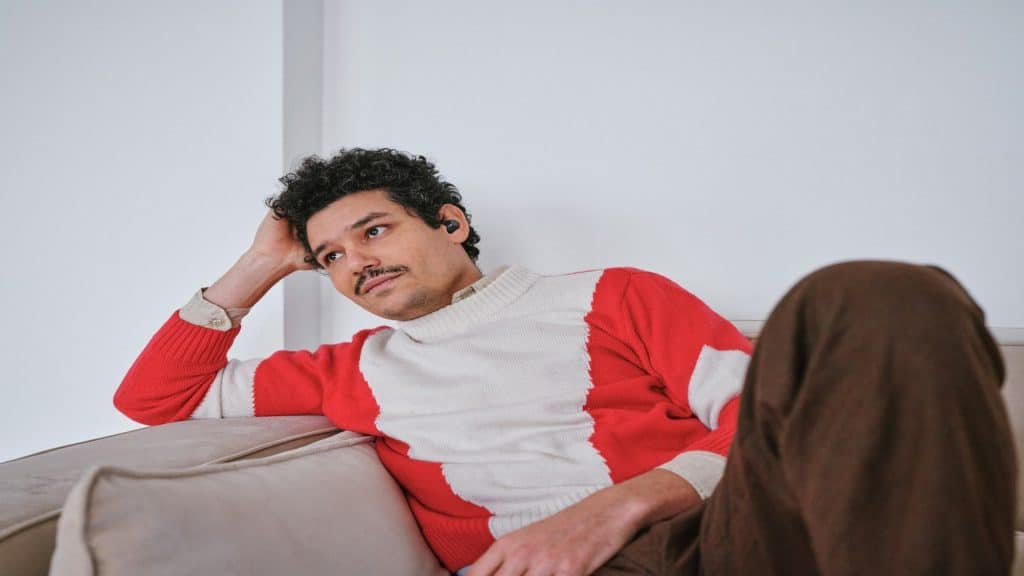
Many men express care through actions rather than words, which makes appreciation especially important. When effort goes unnoticed or unacknowledged, it can lead to feeling undervalued. This may not always be expressed directly, but it can affect emotional engagement over time. A lack of appreciation can make effort feel one-sided or unimportant. Simple acknowledgment, gratitude, or recognition helps reinforce positive behavior. When appreciation is present, it strengthens emotional connection and encourages continued effort within the relationship.
Feeling Controlled

Feeling controlled or restricted can create strong emotional resistance. This may include having decisions constantly questioned or feeling limited in personal choices. Many men value independence, and when that feels threatened, frustration may appear. This does not mean a lack of commitment, but rather a need for balance between connection and autonomy. Healthy relationships allow both partners to maintain individuality while supporting each other. Respecting personal space and decision-making helps reduce this trigger and creates a more balanced dynamic.
Constant Criticism

Frequent criticism can feel overwhelming and discouraging over time. While feedback can be helpful, constant negative remarks may affect confidence and emotional openness. When criticism outweighs encouragement, it often leads to defensiveness or withdrawal. Many men respond better to balanced communication that includes both honesty and support. Constructive conversations are more effective than repeated negative feedback. When communication feels fair and respectful, it becomes easier to stay open and engaged in the relationship.
Feeling Ignored

Being ignored during conversations or important moments can feel dismissive. This may happen through distractions, lack of eye contact, or minimal responses. When a man feels that his presence or words are not valued, it can lead to frustration or emotional distance. Attention and active listening are key to maintaining connection. Even small moments of acknowledgment can make a difference. When both partners feel seen and heard, the relationship feels more engaging and emotionally secure.
Lack of Emotional Support

Emotional support plays a major role in how secure a relationship feels. When a man experiences stress or challenges and feels unsupported, it can lead to feelings of isolation. Many men may not directly ask for support, but they still value knowing it is available. Support can be expressed through listening, reassurance, or simply being present. These moments strengthen trust and emotional connection. When support is consistent, it creates a sense of stability within the relationship.
Feeling Compared to Others

Comparisons to others can trigger insecurity and frustration. Whether it involves career, behavior, or past relationships, comparisons can feel discouraging. Many men prefer to be valued for who they are rather than measured against someone else. Repeated comparisons can affect confidence and create unnecessary tension. Focusing on individual strengths helps maintain a healthier dynamic. When appreciation is based on individuality, it strengthens both confidence and connection.
Broken Trust

Trust is a central part of emotional stability in relationships. When trust is broken, even in small ways, it can create strong emotional reactions. This may involve dishonesty, secrecy, or inconsistency. Once trust is damaged, rebuilding it requires time, transparency, and consistent effort. Emotional reactions often come from uncertainty and vulnerability. Maintaining honesty and reliability helps strengthen trust over time and reduces emotional tension.
Public Disrespect

Being criticized or embarrassed in front of others can intensify emotional reactions. Public situations add pressure because they involve both personal feelings and social perception. Many men value maintaining respect in social environments, and when that feels compromised, frustration may appear quickly. Respect in public often reflects the strength of the relationship privately. Maintaining support and respect in social settings helps reinforce trust and emotional security.
Lack of Clear Communication

Unclear communication can lead to confusion and emotional strain. When expectations or concerns are not expressed directly, misunderstandings can grow. Many men respond better to clear and straightforward communication. Clarity helps prevent small issues from becoming larger problems. When both partners communicate openly and directly, it creates a more stable and predictable relationship.
Feeling Unwanted

A lack of affection or emotional connection can lead to feeling unwanted. This may appear through reduced communication, lack of physical closeness, or emotional distance. Feeling valued and desired plays an important role in emotional well-being. When that sense fades, it can lead to withdrawal or insecurity. Consistent affection and attention help maintain connection and emotional balance.
Being Interrupted or Dismissed

Interruptions or dismissive responses can feel disrespectful. When a man feels that his thoughts are not being fully heard, it may lead to frustration. Over time, this can reduce his willingness to communicate openly. Allowing space for full expression helps build respect and understanding. When conversations feel balanced, communication improves naturally.
Lack of Effort in the Relationship

When effort feels one-sided, it can create emotional imbalance. Many men notice when they are consistently initiating communication or maintaining connection. Over time, this imbalance can lead to frustration or disengagement. Mutual effort creates a sense of fairness and partnership. When both partners contribute, the relationship feels more stable and rewarding.
Feeling Judged

Judgment can create hesitation in expressing thoughts or emotions. When a man feels criticized for his opinions or feelings, he may become more reserved. A supportive environment encourages openness and honesty. When judgment is replaced with understanding, communication becomes easier and more meaningful.
Emotional Overreaction

Highly emotional reactions to smaller issues can feel overwhelming. This can make communication more difficult and lead to withdrawal. Many men respond better to calm and balanced discussions. Managing emotional intensity helps create more productive conversations. When discussions remain respectful, it strengthens understanding.
Lack of Respect for Boundaries

Ignoring personal boundaries can trigger frustration. This may involve not respecting time, privacy, or personal space. Boundaries help maintain balance and emotional comfort. When they are respected, the relationship feels more secure and supportive. Clear boundaries strengthen mutual understanding.
Feeling Unheard Over Time

When concerns are repeatedly ignored, emotional reactions can build gradually. What may seem like a sudden reaction is often the result of accumulated frustration. Consistent listening and acknowledgment help prevent this pattern. Feeling heard strengthens emotional connection and trust.
Stress From Outside Factors

External stress from work or responsibilities can influence emotional reactions. Sometimes reactions in relationships are connected to outside pressure rather than the relationship itself. Understanding this helps create more empathy. Support during stressful times strengthens connection.
Small Moments Often Carry Bigger Meaning

Emotional reactions are often less about one moment and more about what it represents. Small actions can reflect deeper needs like respect, trust, and appreciation. Recognizing these patterns helps improve communication. Over time, awareness of these triggers creates a stronger and more supportive relationship.








Ask Me Anything