
Marriage burnout rarely arrives as one dramatic breaking point. It shows up quietly, through emotional shifts that feel “normal” at first but slowly drain the relationship of warmth, curiosity, and resilience. Many couples stay stuck because they mistake burnout for routine or assume love is supposed to feel this flat after a while.
The truth is, burnout is not about falling out of love—it’s about emotional exhaustion going unaddressed. If you can spot these shifts early, you can respond with clarity instead of resentment. Below are the most common emotional signals that a marriage isn’t just tired—it’s running on fumes.
1. You Feel Relieved When You’re Apart

When time away from your spouse feels more peaceful than time together, that’s a red flag worth noticing. Relief usually means your nervous system associates the relationship with tension or emotional labor. This doesn’t mean separation is the solution, but it does mean something feels chronically unresolved. Start by asking what drains you most during interactions—conflict avoidance, criticism, or emotional invisibility. Relief is often the body’s way of saying, “I need safety again.”
2. Conversations Stay Surface-Level by Default

Burnout flattens communication into logistics, schedules, and practical updates. You stop sharing internal thoughts because it feels pointless or too exhausting. Over time, this creates emotional loneliness even though you live together. A practical reset is choosing one low-stakes moment a day to share something personal without problem-solving. Depth has to be reintroduced gently, not forced through heavy talks.
3. You Feel Emotionally Responsible for Everything

Marriage burnout often turns one partner into the emotional manager of the relationship. You monitor moods, avoid triggers, and anticipate reactions just to keep things stable. This hyper-vigilance is exhausting and unsustainable. Healthy relationships distribute emotional responsibility instead of outsourcing it to one person. The fix starts with naming what you’ve been carrying silently.
4. Small Annoyances Trigger Big Internal Reactions
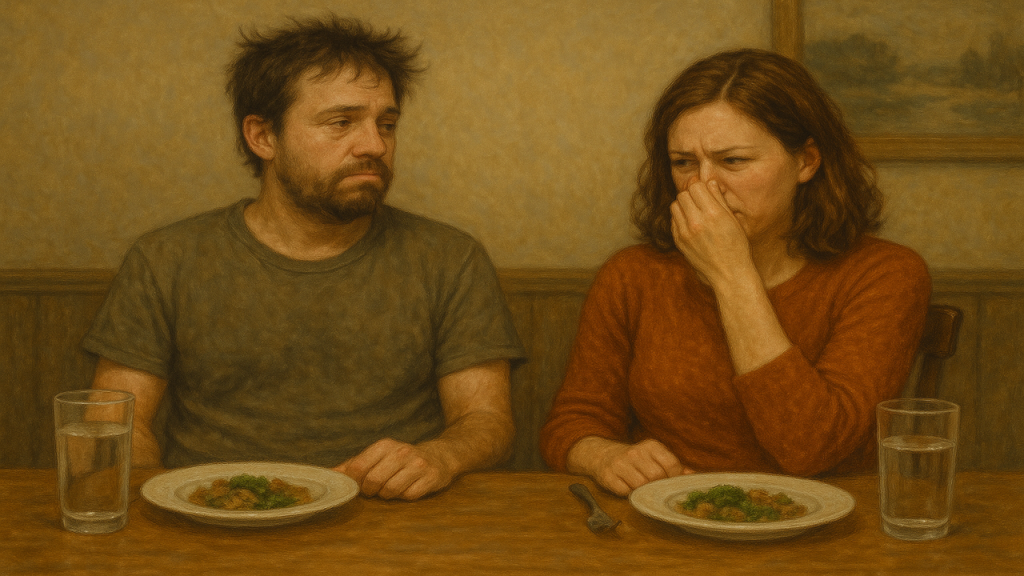
When burnout sets in, minor habits suddenly feel unbearable. It’s not about the habit—it’s about accumulated resentment that never had a place to land. Your emotional bandwidth is already depleted, so there’s no buffer left. Instead of policing behavior, look for the unmet need underneath the irritation. Burnout thrives on unspoken disappointments.
5. You Stop Expecting Change

One of the clearest signals of burnout is emotional resignation. You stop asking, stop hoping, and stop believing conversations will lead anywhere. This can look calm on the surface but often hides quiet grief. The danger is confusing acceptance with emotional shutdown. Even small, specific requests can reopen a sense of possibility.
6. Affection Feels Obligatory or Mechanical

Physical touch and affection can become another task to complete rather than a source of connection. When affection loses emotional presence, it often signals deeper disconnection rather than lack of attraction. The solution isn’t “more intimacy” but safer emotional closeness. Rebuilding warmth starts outside the bedroom, through attunement and appreciation.
7. You Feel More Understood by People Outside the Marriage

When friends, coworkers, or even strangers feel easier to talk to, it’s worth paying attention. This often means you no longer feel emotionally seen at home. Over time, this comparison deepens disconnection and resentment. The goal isn’t to isolate from others, but to ask why emotional safety has eroded inside the marriage.
8. Conflict Feels Pointless, Not Productive

Burnout doesn’t always create more fighting—it can create less. Arguments stop because they feel futile, not because things are resolved. This emotional withdrawal is often mistaken for maturity. Healthy conflict still contains hope that repair is possible. If hope is gone, burnout has already taken root.
9. You Fantasize About a Simpler Life Without Explaining Why

These fantasies aren’t always about leaving the marriage—they’re about relief. Imagining a quieter, less emotionally demanding life is often a sign of overload. Instead of judging the thought, get curious about what feels overwhelming now. Burnout is usually about too much emotional weight, not too little love.
10. You Feel Unappreciated in Invisible Ways

Burnout grows when effort goes unnoticed for too long. You may still hear “thank you” occasionally, but it doesn’t touch what you actually give. Emotional labor, consistency, and restraint often go unseen. Naming these invisible contributions—without blame—can rehumanize both partners. Appreciation is a renewable energy source when it’s specific and sincere.
11. You Avoid Bringing Things Up to “Keep the Peace”

Silence can feel safer than honesty during burnout, but it comes at a cost. Each unspoken concern adds to emotional distance. Over time, peace becomes emotional numbness rather than connection. Start small by voicing low-risk truths. Safety is rebuilt through consistency, not emotional dumping.
12. You Feel Like You’ve Lost Parts of Yourself

Burnout often involves quiet self-erasure. Hobbies fade, opinions soften, and personal needs shrink to avoid friction. This loss of self eventually shows up as resentment or emptiness. Reclaiming identity outside the marriage isn’t selfish—it’s stabilizing. A healthier you brings more energy back into the relationship.
13. Emotional Support Feels One-Sided

When you’re expected to listen, reassure, and show up—but don’t receive the same in return—burnout accelerates. Emotional imbalance creates exhaustion rather than intimacy. This isn’t always intentional; sometimes it’s habitual. Balance begins by clearly stating what support looks like for you, not hoping it will be guessed.
14. You Feel Tired Even After “Good” Interactions

Burnout doesn’t disappear just because a conversation goes well. If emotional fatigue lingers, it suggests your nervous system hasn’t fully relaxed around your partner. This often means unresolved tension is still present. Recovery requires not just kindness, but emotional repair over time. One good moment can’t undo chronic strain.
15. You Stop Feeling Curious About Your Partner

Curiosity fades when burnout convinces you that nothing new will emerge. You assume you already know how conversations will go. This emotional predictability kills vitality. Curiosity can be restarted by asking different questions, not repeating old ones. People change—burnout just hides that from view.
16. You Feel More Like a Teammate Than a Partner

Running a household efficiently can mask emotional depletion. When the relationship becomes all function and no feeling, burnout follows. Partnership without intimacy eventually feels hollow. Intentionally separating “business talks” from emotional connection time can help restore balance. Efficiency is not intimacy.
17. You Wonder If This Is “Just How Marriage Is”

This thought is one of the most dangerous signs of burnout. It normalizes emotional depletion and shuts down hope. While no marriage feels exciting all the time, chronic emotional exhaustion is not the baseline. Burnout is a signal, not a sentence. Recognizing it is the first step toward deciding what kind of marriage you actually want to live in.








Ask Me Anything