
Most emotional risks are not avoided out of fear, but out of logic. Men learn early to prioritize control, stability, and predictability, especially when life demands consistency. Avoidance often feels like maturity rather than hesitation. Over time, however, the risks that were sidestepped do not disappear. They resurface later, carrying a different and often heavier cost. What once felt protective slowly becomes limiting.
Risking Emotional Exposure Without Knowing the Outcome

Men often avoid emotional exposure because outcomes feel unpredictable. Sharing uncertainty feels like surrendering control. Holding back preserves composure and authority. Over time, however, emotional distance grows alongside restraint. What was protected was control, not connection. The cost appears as isolation rather than embarrassment.
Risking Being Seen While Still In Process

Men frequently wait until they have clarity before speaking. Emotional uncertainty feels unfinished and unsafe to share. Silence preserves competence. Over time, however, waiting prevents intimacy. Being seen only after resolution limits connection. Growth remains private, but loneliness expands.
Risking Emotional Messiness Instead of Staying Composed
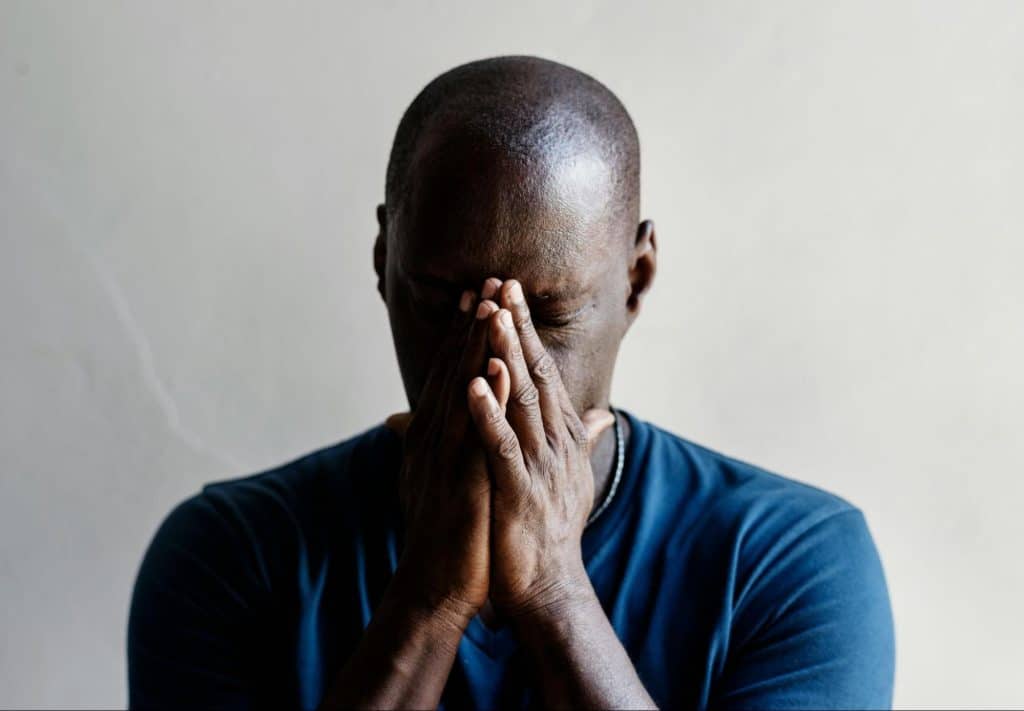
Composure feels essential when pressure is high. Emotional messiness feels inefficient and disruptive. Men often choose order over expression. Over time, emotional complexity has nowhere to go. Suppressed emotion accumulates internally. Control becomes containment.
Risking the Image of Being “Steady”

Men often identify with reliability and strength. Emotional vulnerability feels like it contradicts that identity. Maintaining steadiness feels responsible. Over time, however, emotional rigidity replaces strength. Identity hardens instead of adapting. Stability loses flexibility.
Risking Disappointment by Wanting More

Desire introduces vulnerability. Men avoid wanting more to prevent dissatisfaction. Settling feels safer than reaching. Over time, muted desire becomes resignation. Emotional ambition shrinks quietly. Fulfillment fades without confrontation.
Risking Change That Might Redefine Roles

Change threatens familiar roles. Men often avoid shifts that disrupt expectations. Consistency feels stabilizing. Over time, identity becomes fixed around outdated roles. Growth stalls within comfort. Change avoided becomes limitation.
Risking Honest Admission of Emotional Fatigue

Admitting fatigue feels like weakness. Men often carry exhaustion silently. Endurance becomes proof of strength. Over time, fatigue deepens without relief. Emotional depletion affects responsiveness. Silence costs vitality.
Risking Rejection Through Emotional Honesty

Honesty carries the risk of being misunderstood or dismissed. Men often withhold to preserve acceptance. Avoidance feels protective. Over time, unspoken truth creates distance anyway. Connection erodes without rejection ever occurring. Silence delivers the same outcome more slowly.
Risking Asking for Emotional Support

Support requires admission of need. Men often avoid asking to remain self-sufficient. Independence feels necessary. Over time, isolation replaces autonomy. Support never arrives because it was never requested. Strength becomes solitary.
Risking Conversations Without Clear Resolution

Men prefer conversations with outcomes. Open-ended emotional dialogue feels inefficient. Avoidance maintains order. Over time, unresolved emotions persist. Avoided uncertainty becomes permanent tension. Resolution delayed becomes resolution denied.
Risking Emotional Ambiguity Instead of Certainty

Ambiguity creates discomfort. Men often choose certainty, even if shallow. Clarity feels safer than exploration. Over time, emotional depth is sacrificed. Nuance disappears. Certainty replaces curiosity.
Risking Temporary Discomfort for Long-Term Alignment

Short-term discomfort feels unnecessary when stability exists. Men postpone discomfort to preserve peace. Over time, misalignment grows quietly. Discomfort avoided multiplies. Alignment becomes harder to recover.
Risking Full Presence During Emotional Tension

Presence during tension feels exposing. Men often disengage to reduce intensity. Distance offers relief. Over time, disengagement becomes a pattern. Presence diminishes when it is most needed. Distance communicates withdrawal.
Risking Being Affected by Someone Else’s Emotion

Emotional influence feels destabilizing. Men often protect themselves by remaining unaffected. Emotional boundaries harden. Over time, empathy thins. Connection weakens. Protection becomes detachment.
Risking Emotional Responsibility Without Immediate Reward

Responsibility often goes unnoticed. Men avoid effort without visible return. Over time, emotional investment declines. Relationships feel transactional. Responsibility deferred becomes relational debt.
What These Avoided Risks Actually Reveal

Each avoided risk made sense in context. Avoidance protects energy, control, and stability. However, emotional risk deferred does not vanish. It accumulates as distance, rigidity, and isolation. Men are not harmed by taking emotional risks, but by postponing them indefinitely. The cost arrives later, when options narrow.
Recognizing Risk Without Forcing Action

Awareness does not demand immediate vulnerability. Recognizing patterns restores choice. Emotional risk can be approached gradually. Understanding reduces self-judgment. Risk avoidance becomes visible rather than unconscious. Awareness softens consequence.
Allowing Discomfort Without Collapsing

Discomfort does not require escalation. It can be tolerated without losing control. Presence does not equal chaos. Emotional risk can be contained without suppression. Capacity expands through exposure. Stability becomes flexible.
When Emotional Risk Stops Being Optional

Over time, emotional risk becomes unavoidable. Avoided risks return as consequences. Men do not escape vulnerability by avoiding it. They delay it until the cost increases. Risk eventually arrives either through choice or consequence. Awareness determines which.
What Remains When Risk Is No Longer Avoided

When emotional risk is acknowledged, clarity replaces confusion. Men recognize that safety and growth were never opposites. Avoidance protected the short term. Risk supports the long term. What was avoided still shaped the outcome. Understanding restores agency.








Ask Me Anything