
Do you find yourself constantly losing your cool at the expense of your relationships? Maybe it’s snapping at someone you care about, shutting down mid-argument, or saying something you didn’t mean because your emotions hijacked the moment. These things don’t make you a bad person. They just mean your emotions are driving the car when they should be riding shotgun.
Here’s some good news: You don’t need to be an emotionless monk to get a handle on your feelings. You’re not doomed to be “just the way you are.” Emotional regulation is a skill–and it’s one you can learn. Like building muscle, it takes practice, not perfection. It’s about becoming someone who can feel big emotions without being ruled by them.
Here’s everything you need to know about what emotional regulation is, why you need it more than you think, and how to build it into your everyday life–without losing your personality or becoming a robot.
1. What is Emotional Regulation

Emotional regulation is your ability to manage your emotional responses–without numbing them or letting them run wild. It’s not about pretending you’re fine when you’re not. It’s about knowing what you feel, understanding where it’s coming from, and choosing how to respond instead of reacting impulsively. The goal isn’t to suppress emotion, but to steer it.
2. The Myths of Emotional Regulation

Let’s clear up a big one: Regulating your emotions doesn’t mean bottling things up. It also doesn’t mean being “chill” all the time. Emotional regulation doesn’t erase anger or sadness–it helps you channel those feelings in ways that are productive, not destructive. Another myth? That it’s just for people who are “too sensitive.” In truth, it’s something every healthy adult should practice.
3. The Benefits of Emotional Regulation

When you learn to regulate your emotions, everything gets easier. Your communication improves. Your patience stretches. Your decision-making sharpens. It’s also one of the biggest factors in long-term relationship success. People trust you more when they know you won’t explode or shut down. Internally, it builds resilience, self-respect, and a deeper understanding of yourself.
Here are some tips on how to develop emotional regulation:
4. Identify and Name Your Emotions

Sounds obvious, but most people struggle with this. Start by expanding your emotional vocabulary–beyond just “angry” or “stressed.” Are you frustrated? Embarrassed? Disappointed? Naming your emotions helps you create distance between you and the feeling, so you can look at it without being consumed by it. Journaling can help. So can asking, “What am I really reacting to?”
5. Embrace the Art of Pausing

One of the most powerful things you can do when emotions run hot? Pause. That one-second window between stimulus and response is where regulation lives. Take a breath. Step away if you need to. You don’t need to have a perfect answer right away. Responding with intention instead of impulse changes everything.
6. Regulate Your Body

Here’s a thing we should all be learning in schools: Our healing is largely holistic, and our brain and body are intrinsically connected. That’s why mental health should include physical health, too. When your body is tense, your brain thinks you’re under attack. That’s why grounding techniques work. Try box breathing. Splash cold water on your face. Move. Shake out your hands. Stretch. Your nervous system listens to your body. Get it out of fight-or-flight mode before trying to solve anything.
7. Don’t Argue While Dysregulated

Ever tried to resolve a fight mid-meltdown? Doesn’t work. Learn to recognize when you’re too emotionally flooded to think clearly. Take a break with the intention to return–not to avoid the issue, but to give your nervous system time to cool down. Say, “I want to talk about this, but I need 20 minutes to reset.” That’s maturity.
8. Consider Therapy

If you grew up in a household where big emotions were punished, mocked, or ignored, emotional regulation might not come naturally. That’s not your fault–but it is your responsibility now. A good therapist can help you build regulation tools that actually stick. It’s not weak to get support. It’s smart.
9. Check If You’re H.A.L.T.

HALT is a simple but powerful emotional check-in. Before you spiral, ask yourself: Am I hungry? Angry? Lonely? Tired? These basic states often masquerade as bigger emotional issues. Tending to them first can keep you from making a bad moment worse.
10. Don’t Over-Identify With Your Feelings

This simply means embracing that you are not your emotions. You feel angry, but you are not an angry person. That slight shift in language helps you stop internalizing passing emotions as permanent traits. Thoughts and feelings are data, not identity. Let them pass through instead of letting them define you.
11. Create a Daily Regulation Ritual

Emotional regulation isn’t just for moments of crisis. The real magic happens in the day-to-day. Build tiny rituals that help you reset–like a five-minute stretch, journaling in the morning, or a short walk without your phone. These micro-habits keep your emotional baseline calmer, so you’re less likely to tip over later.
12. Don’t Practice Emotional Dumping

There’s a difference between opening up and unloading. Venting every raw emotion onto your partner or friend without processing it first is unfair–and it can damage trust. Try this instead: Write it out first, take a beat, and then share what you need support with. Regulated communication invites connection. Unfiltered dumping overwhelms.
13. Monitor Your Triggers

You can’t regulate what you don’t understand. Start noticing patterns–who or what consistently throws you off balance? Is it being ignored? Criticized? Rushed? Once you know your triggers, you can start rewiring your reactions instead of being blindsided every time. Awareness is the first step to control.
14. Build Tolerance for Discomfort

Regulation doesn’t mean comfort. Sometimes it means sitting with uncomfortable emotions without trying to fix them right away. Let yourself feel awkward. Let yourself feel bored, restless, or sad without judgment. The more you can tolerate discomfort, the less control it has over you.
15. “Name It to Tame It”

This technique, popularized by Dr. Dan Siegel, is as simple as it sounds. When a big emotion hits, say it out loud or write it down: “I’m feeling overwhelmed.” That act alone quiets the amygdala and activates the thinking part of your brain. It gives you space between you and the emotion–enough to make a better choice.
16. Establish an Emotional Game Plan

If you know a high-stress situation is coming–like a tough conversation or a family gathering–don’t go in unprepared. Ask yourself: What do I usually feel? What tends to set me off? How can I take care of myself before, during, and after? A plan lowers your chances of spiraling and raises your chances of responding with maturity.
17. Make Quality Sleep Your Priority

Lack of sleep makes everything harder–including regulation. Your brain literally loses the ability to process emotion clearly when it’s exhausted. Prioritize rest like your emotional well-being depends on it–because it does. If sleep is a mess, start there. No shame in going to bed early.
18. Be Kind to Yourself
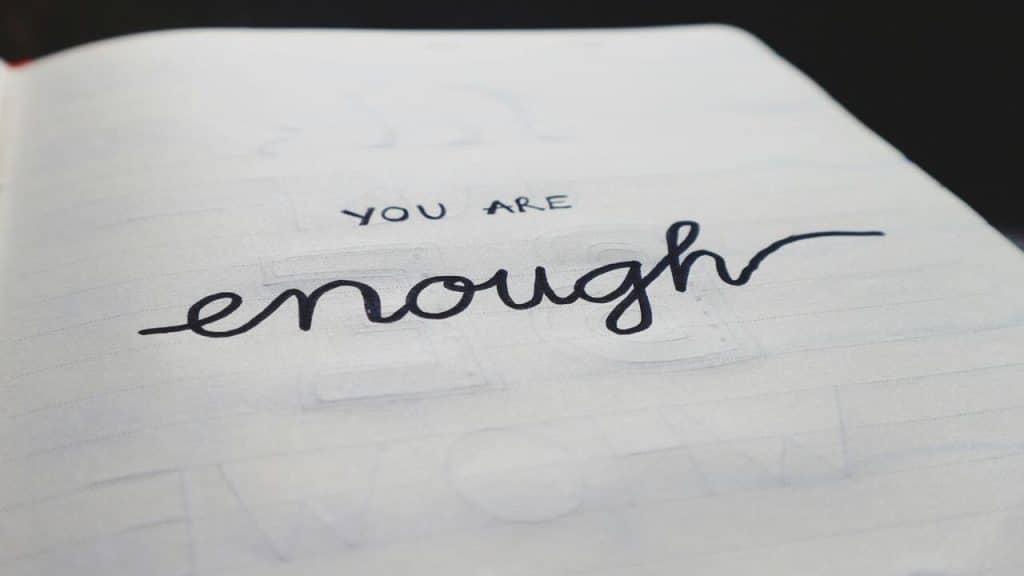
Progressing in your journey means accepting that you won’t always get it right. You’ll still snap sometimes, shut down, or say something you regret. The goal isn’t perfection–it’s progress. When you mess up, show yourself grace, then reflect and adjust. Self-compassion doesn’t let you off the hook. It keeps you in the game.








Ask Me Anything