
Every marriage has its rhythm. Some couples settle into a comfortable beat–predictable, steady, safe. But great marriages go deeper. They’re emotionally alive. They evolve through small, consistent habits that create connection instead of complacency. And while many couples think longevity equals success, research shows it’s the emotional quality of interactions–not just the years together–that defines marital strength.
These 17 emotional patterns are what set thriving couples apart. They’re not about being perfect or never arguing; they’re about how two people handle emotions, nurture trust, and grow side by side.
1. They Prioritize Emotional Safety

In great marriages, both partners feel safe to express themselves without fear of ridicule or shutdown. Emotional safety means you can admit mistakes, show vulnerability, and share insecurities knowing you won’t be weaponized later. According to psychologist John Gottman, emotional safety is the foundation of lasting love–it allows couples to stay curious instead of defensive. Build this by practicing “soft starts” during conflict and responding to each other’s feelings with empathy rather than logic.
2. They Repair Quickly After Conflict

Every couple argues, but great couples don’t let issues fester. They’re skilled at repair–apologies, humor, or simple touch that signals “we’re okay.” Gottman’s research found that successful relationships aren’t conflict-free; they just recover faster. Practice early repair attempts instead of waiting for perfect words. It’s less about being right and more about staying emotionally connected through the disagreement.
3. They Express Appreciation Daily

Small affirmations–“thanks for doing that,” “I love how you handled this”–go a long way. Over time, appreciation builds emotional capital that cushions the harder moments. Research from UC Berkeley shows couples who regularly express gratitude are more satisfied and resilient. It’s not about grand gestures; it’s about making your partner feel seen, not assumed.
4. They Stay Curious About Each Other

Even after years together, great couples keep asking questions. They stay curious about each other’s evolving thoughts, worries, and dreams. Curiosity prevents emotional drift by reminding both people they’re still growing individuals. Replace assumptions with interest: “What’s been on your mind lately?” It keeps connection alive long after the honeymoon phase fades.
5. They Regulate Their Own Emotions

Emotional regulation is a quiet superpower in marriage. Instead of lashing out, great partners take responsibility for their internal states. This doesn’t mean suppressing feelings–it means pausing, breathing, and responding intentionally. Studies on emotional intelligence show that self-regulation reduces conflict intensity and increases mutual respect. The more calm you bring, the more connection you sustain.
6. They Don’t Scorekeep
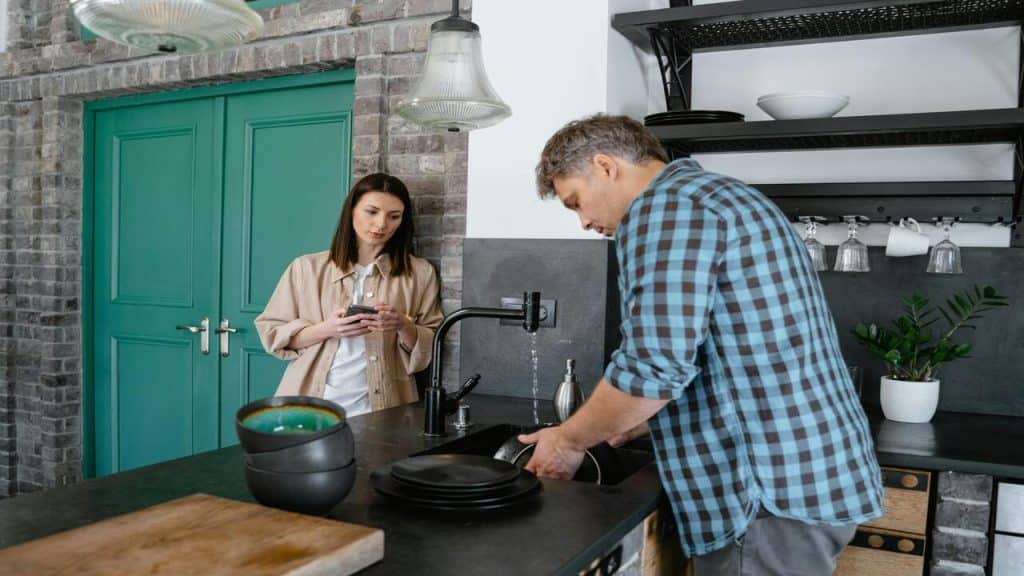
Keeping a running tally of who did what breeds resentment. Great marriages drop the mental scoreboard and replace it with mutual generosity. It’s about “we,” not “me versus you.” Research on communal relationships shows that couples who give without expecting equal returns report higher satisfaction. Trust that it balances out over time when both partners contribute in good faith.
7. They Nurture Friendship First

Friendship isn’t just a bonus–it’s the emotional backbone of lasting love. According to Gottman, couples who maintain genuine friendship–shared humor, inside jokes, mutual respect–navigate hard times better. Great marriages feel like teamwork with romance layered on top. Invest in simple joy together: cooking, walking, laughing. Those moments protect the bond when life gets tough.
8. They Make Space for Individual Growth

Good couples love each other; great ones also give each other room to grow. Independence fosters respect and renewal. Studies show that couples who encourage each other’s goals have stronger emotional intimacy because growth inspires admiration. Support your partner’s hobbies, career shifts, or personal interests–it keeps attraction dynamic instead of static.
9. They Practice Kind Honesty
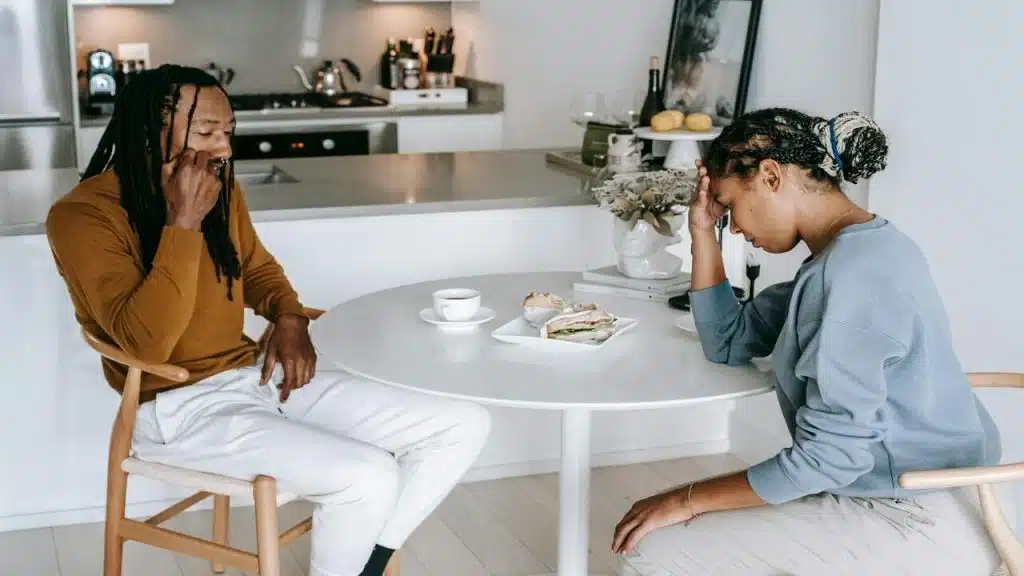
Brutal honesty can harm; kind honesty builds trust. Great couples share truth with care, timing, and tone in mind. Honesty without empathy feels like criticism. According to relationship experts, “gentle truth-telling” increases closeness by aligning communication with compassion. Speak to be understood, not to wound.
10. They Celebrate Small Wins

Emotional connection thrives on shared joy, not just crisis management. Great couples make a habit of celebrating daily victories–a good meal, a completed project, even surviving a hard week. Research shows that couples who “respond enthusiastically” to each other’s good news experience more satisfaction and less resentment. It’s about being each other’s cheerleader, not just a crisis partner.
11. They Handle Differences With Respect

Great marriages don’t eliminate differences–they manage them gracefully. Whether it’s politics, parenting, or finances, they practice “respectful disagreement.” Gottman’s studies reveal that 69% of marital conflicts are perpetual, meaning they don’t get solved–they’re managed. The key is to stay kind, not right. You can disagree and still feel connected if respect stays intact.
12. They Keep Physical Affection Alive

Touch is emotional glue. Great couples maintain physical affection–hugging, holding hands, casual touches–that reinforce closeness. Studies show affectionate touch releases oxytocin, reducing stress and deepening emotional security. It’s not always about sex; it’s about keeping the body language of love active even when words fall short.
13. They Assume Positive Intent

When tensions rise, great couples assume their partner means well. This mental shift prevents misinterpretations that spiral into bigger issues. Social psychology research calls this “benefit of the doubt thinking,” which lowers defensiveness and increases cooperation. Start with trust–it’s often the difference between emotional warmth and emotional distance.
14. They Laugh Together–Often

Humor is a powerful emotional reset. Great couples know that laughter turns conflict into connection. Shared laughter predicts higher relationship satisfaction, according to studies from the University of Kansas. It’s not about being comedians; it’s about being playful. Find the funny in daily chaos–it’s a subtle way to say, “We’re in this together.”
15. They Communicate Emotional Needs Clearly

Hinting, sulking, or assuming your partner “should just know” leads to frustration. Great couples communicate needs directly and respectfully. They say, “I feel lonely when…” instead of “You never pay attention.” Research on attachment shows that clear emotional requests create security because both people know what’s needed and how to meet it. Clarity fosters closeness; guessing breeds disconnection.
16. They Apologize Without Defensiveness

A true apology isn’t about surrendering; it’s about understanding. Great partners know how to own their part without minimizing or justifying it. According to clinical psychologists, couples who practice sincere repair strengthen trust faster. Swap “I’m sorry, but–” for “I can see how that hurt you.” Accountability keeps the emotional climate safe and mature.
17. They Keep Choosing Each Other, Every Day

Great marriages aren’t autopilot relationships–they’re active choices. Choosing each other daily means showing up, listening, and keeping the relationship a living priority. Relationship researcher Terri Orbuch calls this “intentional love”–the conscious effort to nurture connection even when life gets busy. It’s less about constant romance and more about consistent presence. That’s what makes a marriage not just last–but thrive.








Ask Me Anything