
Here’s the thing: Everyone–no matter how well-adjusted they may seem–has emotional needs. Not just you, but your partner, too.
Being a martyr is not the way to gain true happiness and wholeness. If you’re currently in a relationship, or thinking of being in one, here are 15 emotional needs you shouldn’t overlook, and some tips for how you can communicate them to your partner. And as you validate these emotional needs in you, it will also give you some insight into what your partner is quietly asking for, and how you can meet those needs, too. A healthy relationship is a two-way street, after all.
Affection

One of the biggest relationship killers is the lack of affection or the slow drip of dwindling physical intimacy. Everyone needs to feel wanted, cherished, and touched, whether through hugs, holding hands, or just sitting close together. It’s not about grand gestures; it’s about small, consistent moments that say, “I’m here. I see you. I love you.”
If you’re craving more affection, try saying something like, “I feel really close to you when we’re physically connected, even if it’s just a quick cuddle or holding my hand in public.” It’s okay to ask for what warms your heart.
Trust
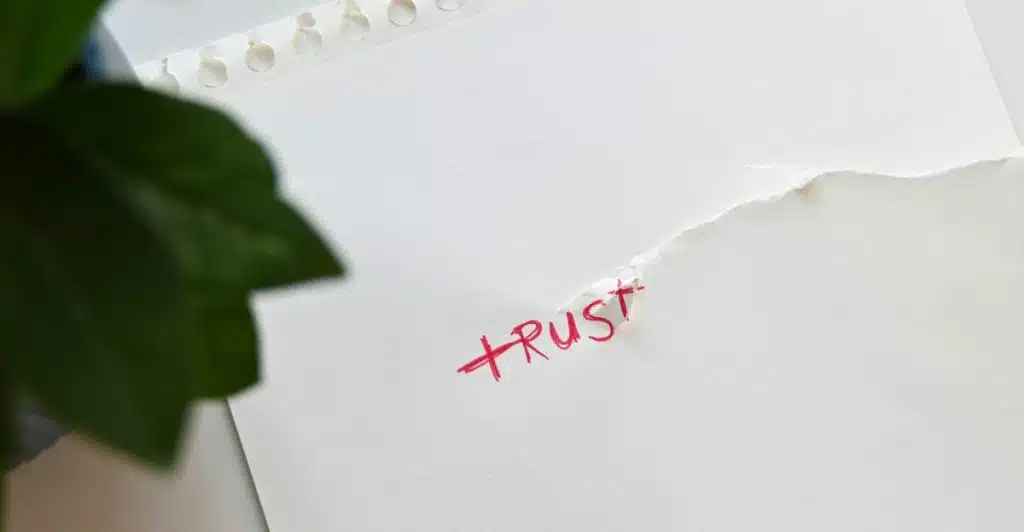
Trust isn’t just about not cheating or lying; it’s about feeling safe, emotionally and mentally, in your partner’s presence. It’s knowing you can speak your truth without being judged or dismissed. It’s the freedom to be vulnerable without fearing abandonment or ridicule.
If trust feels shaky, express that with honesty and curiosity rather than blame: “I want us to feel like a team again. Is it possible for us to build that trust?” Being brave enough to bring it up in the first place is already a powerful first step.
Appreciation

Another emotional need that people in relationships often overlook is appreciation. Over time, the little things our partner does can start to feel invisible, but no one wants to be taken for granted. Everyone needs to hear, “Thank you,” or “I appreciate you driving me to work.” These small acknowledgments go a long way.
If you’re feeling unappreciated, try saying, “I’d love to know when you notice the things I do. It helps me feel seen and valued.” If you don’t communicate that you need it, you might not be able to get it.
Validation

People who have been in long-term relationships tend to neglect validation, thinking that their partner already knows they’re enough. But emotional validation is the lifeblood of successful relationships. It’s saying, “Your feelings make sense,” even if you don’t agree. When someone we love tells us that what we feel is real and valid, it grounds us.
If you feel like your partner tends to invalidate you, you can say something like, “You know, sometimes I just need to know that you’re listening, and that my feelings on the matter are valid, even if I went about it the wrong way.”
Empathy

Empathy doesn’t mean tolerating every wrong thing we do; it simply means being present when we’re hurting, even if our pain doesn’t make sense on the surface. It’s staying in the room emotionally and resisting the urge to fix, dismiss, or minimize.
If you’re needing more empathy from your partner, gently say, “Right now I don’t really need advice or solutions; I just need you to sit with me in this.” Sometimes, that’s all it takes to feel less alone.
Belief in You

All of us need to feel like the person we love most in the world believes in us—believes in our capability, our ideas, our potential. When that belief is missing, it can quietly crush ambition and self-worth.
If you’re craving more of it, open up and say, “It means a lot to me when you cheer me on or tell me you’re proud of me.” Feeling like your partner is in your corner can be the motivation that carries you through seasons of failure or difficulty.
Agency and Autonomy

Nothing kills a relationship faster than control and micromanagement. We all need to feel like we can be ourselves–independent, free-thinking, and capable of making decisions. Love isn’t about merging into one person; it’s about choosing to stand side by side.
If this emotional need is showing up for you, try expressing it like this: “I love doing life with you, but I also need space to make some decisions on my own.” Autonomy isn’t a threat to intimacy–it actually deepens it.
Compassion

Similar to empathy, compassion is about holding your partner’s struggles with tenderness instead of judgment. It’s understanding that your person is human and sometimes needs grace more than correction. Compassion creates a soft place to land.
If you’re feeling like some softness is missing in your relationship, try telling your partner, “It helps me feel closer to you when you give me room to have a bad day without needing to be perfect, or when you don’t feel the need to instantly correct me.” Everyone needs a partner who makes room for their humanness.
Admiration

We all need to feel like our partner admires us and is proud to be with us; that we’re not just tolerated but genuinely appreciated for who we are. Admiration helps sustain long-term attraction and keeps the spark alive.
If this is something you’ve been missing, say something like, “I’d love to hear what you love about me; it reminds me we still see each other.” Compliments might seem small, but they can revive what’s gone dull. And you can express admiration for your partner to get the ball rolling, too.
Being Heard and Seen

If the person we love doesn’t really see or hear us, it’s easy to start feeling invisible. Being heard and seen isn’t just about active listening; it’s about noticing your partner’s moods, their stories, their patterns. It’s remembering the things they told you weeks ago.
If you feel overlooked, don’t suffer in silence. Try: “I feel most connected to you when you’re really present with me, even if it’s just for a few minutes.” That intentional attention is everything.
Respect

According to the Gottman Institute, the four horsemen of the relationship apocalypse are criticism, contempt, defensiveness, and stonewalling–and a lack of respect is at the root of all four. Respect is foundational. It means valuing your partner’s perspective even when you disagree, and speaking to them with kindness, not sarcasm or dismissal.
If you feel disrespected, you might say, “I know we won’t always agree, but I need us to disagree in ways that still honor each other.” Love without respect turns toxic and abusive–and fast.
Forgiveness

No matter how healthy a relationship is, someone will always mess up—which is where forgiveness comes in. Forgiveness isn’t forgetting; it’s choosing to release resentment so that love has a chance to keep growing. It’s one of the bravest things we can offer.
If you’re struggling to forgive, be honest about what you need to get there. Say, “I want to move forward, but I need to talk through what hurt me first.” That kind of honesty creates space for healing. And you also need to be able to ask for forgiveness when it’s you that makes a mistake.
Acceptance

In the same vein, acceptance is a crucial component of a successful relationship because we won’t always change in the ways our partner wants. It’s saying, “I choose you, even with the flaws, even when you’re growing at your own pace.” It doesn’t mean enabling harmful behavior, but it does mean letting go of perfectionism.
If you need more acceptance, try saying, “I want to feel loved for who I am today, not just who I might become.” Being fully embraced is one of the greatest emotional gifts we can receive.
Security

We all want to feel like our partner has our back even when we’re not in the room, like we won’t ever have to compete with other people for their attention, loyalty, or love. Emotional security is knowing you’re not an option. It’s feeling and knowing they’ve chosen you, and they keep choosing you.
If you’re feeling unsure, say, “I need to know you’ve got me, even when life pulls us in a million directions or when you have millions of options.” Security doesn’t happen accidentally; it’s built intentionally.
Being a Priority

It’s a given that the entire world doesn’t have to revolve around the relationship, but we still need to feel like we’re at least one of our partner’s top priorities. Being consistently deprioritized wears down even the strongest connections.
If this is something you’re missing, be direct but kind: “I know life is busy, but I feel disconnected when I don’t feel prioritized or if we don’t see each other for weeks on end. Can we make more time for just us?” It’s not about demanding attention. It’s about nurturing the bond that keeps the relationship alive.








Ask Me Anything