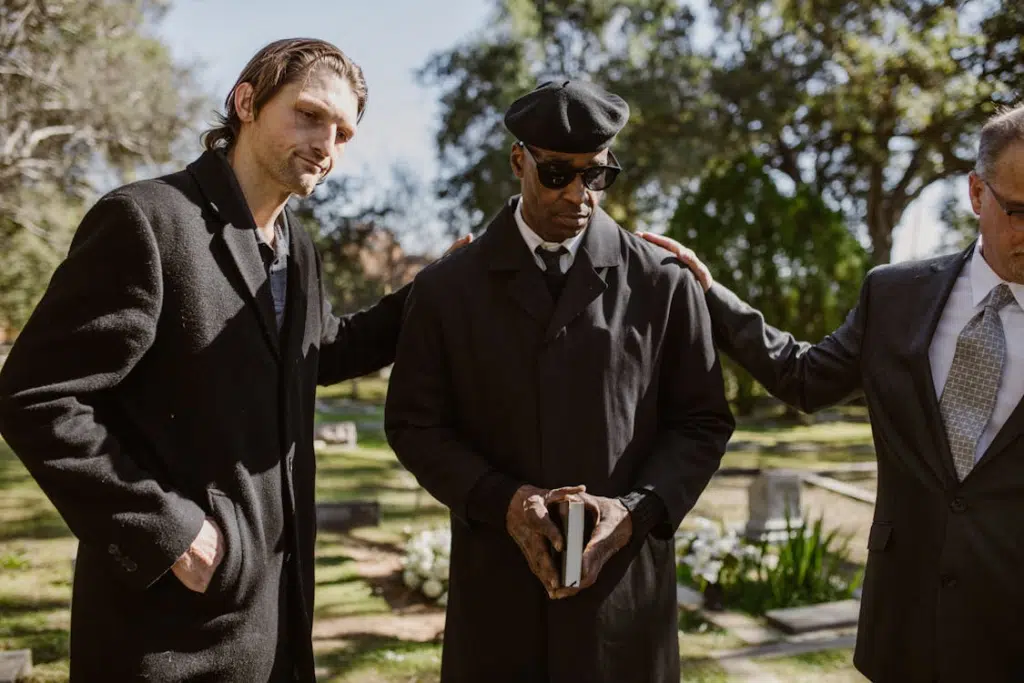
Losing a wife changes a man in ways words can’t really explain. The house feels louder in its silence, meals lose their flavor, and even laughter from your kids hits different. Raising kids on your own forces you to grow in directions you never planned to. Over time, something shifts, not just in your routine, but deep in your heart.
You Learn That Strength Isn’t Stoicism

True strength shows up when you let down the walls. You might break down, cry, rage, or just sit still and stare into space. Real resilience comes when you accept the messiness, when you choose to heal instead of just survive. Grief rewires your brain, and bottling it all up only slows you down.
You Become Hyperaware of Time
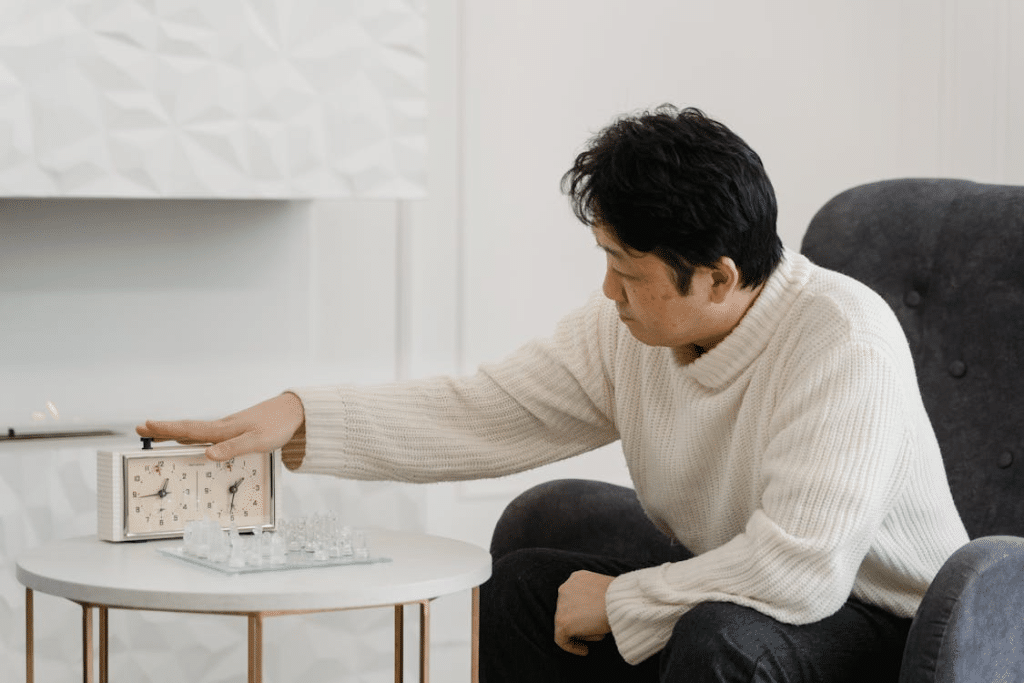
Suddenly, you’re counting birthdays, anniversaries, and quiet Sunday mornings. And each one is a reminder she isn’t there. You spot the empty chair, the holiday setting, the kid who asks, “Where’s Mom?” and time becomes a spotlight.
As per bereavement research, people who lose a spouse become acutely aware of time’s swift movement and how life can flip in a moment.
You Carry Guilt
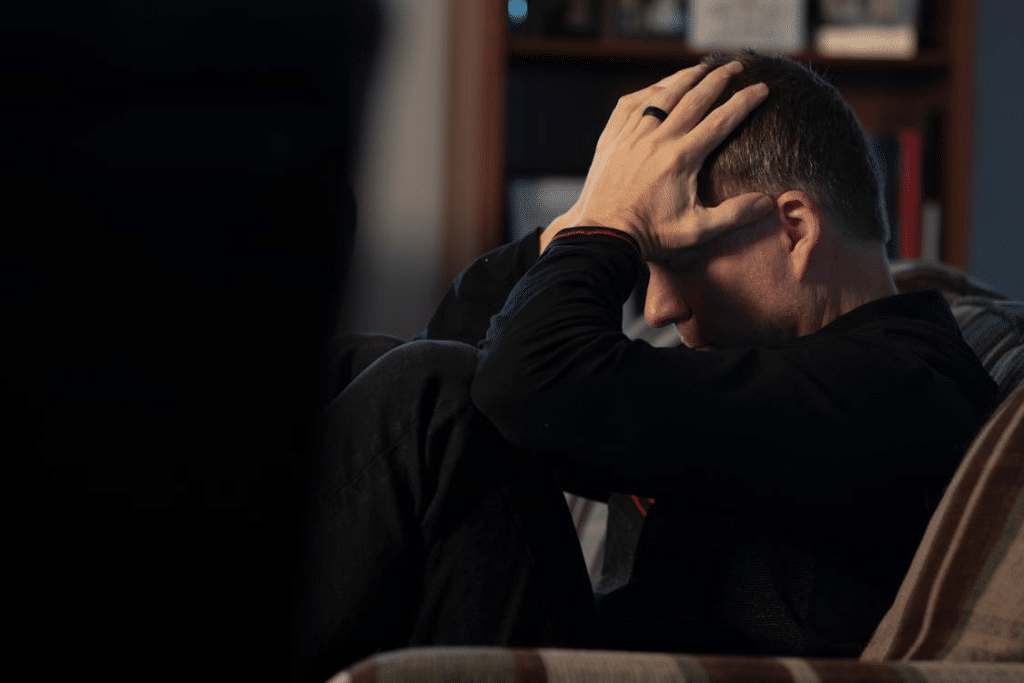
You did everything by the book, and yet you feel guilty. Guilty for smiling, guilty for being alive, guilty for moving forward. That’s classic survivor’s guilt that is well-documented in grief studies. And it hits harder when you’ve got kids relying on you.
You Realize How Much She Held Everything Together

Suddenly you’re doing the school forms, the laundry, the emotional check-ins. Things you never thought about when she was handling them. And you wonder how she juggled it all. That’s revelation. You now see the foundation she built, and you’re standing on parts of it without knowing it. Studies on spousal loss show the surviving partner often reveals new roles and gaps previously hidden.
You Love Your Kids Harder, but Quieter
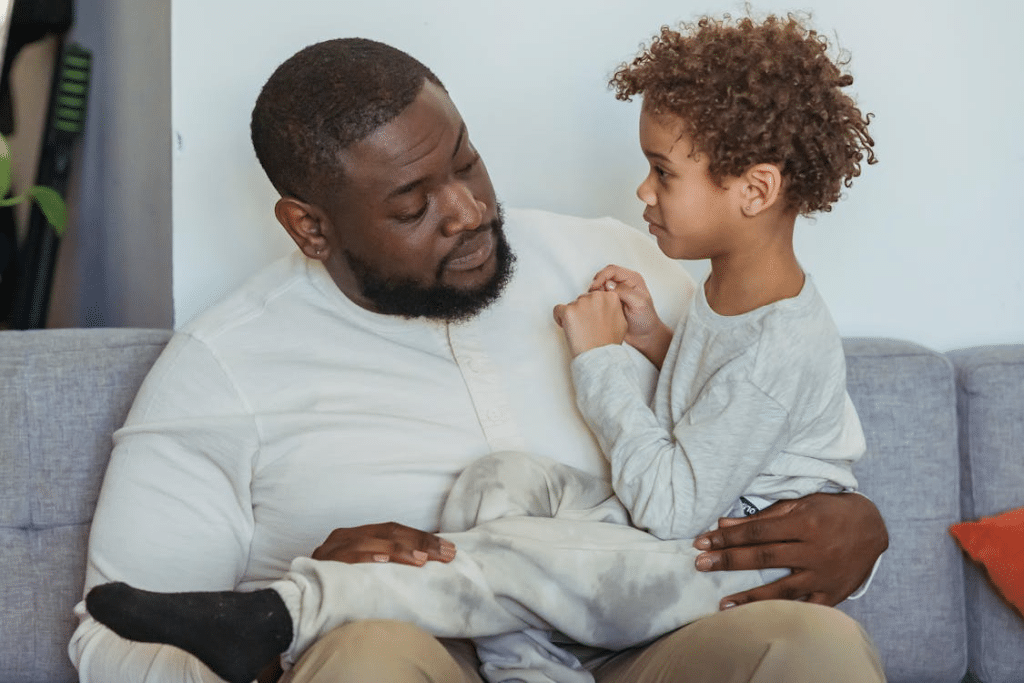
You used to run the long “heart-to-heart” talks, maybe. Now you show up. You drive them to practice, you make dinner, and you tuck them in. The grand speeches vanish. The presence stays. That’s your version of love now.
Kids don’t always need the big words. And in a house where Mom’s gone, your steady presence says more than a thousand speeches ever could.
You Get Protective Over Who Enters Their World
You vet people for safety, sincerity, and respect. Your guard is cautious. You’ve built walls, learned lessons, and you’re not in for cheap thrills or half-measures. Parenting after loss changes your priorities. You protect two hearts now.
You Crave Companionship More Than Passion
The late-night texts, the “Netflix and chill,” and the chemistry fade in importance. What you really crave is someone who sits with your kids, someone who laughs at the same dark jokes, and someone whose presence feels like home. Grief flips your desires. You want comfort over chaos.
You Feel Invisible in a World That Moved On

They don’t ask how you’re actually doing. The world expects you to bounce back, and when you don’t, you feel invisible, or worse, disappointing. Research shows men’s grief is often overlooked, complicated by social expectations of masculinity. Permit yourself. You don’t have to do grief like a silent soldier. Even strong men need to be seen.
You Learn to Appreciate Small Wins

The home-cooked meal, the Sunday brunch with the kids, the random laugh hit differently now. The small wins more because you know how fragile it all is. Embracing the small stuff helps you rebuild purpose after loss. Don’t overlook them. Celebrate them. They’re the building blocks of your new normal.
You Redefine What Masculinity Means
You used to think masculinity meant being unshakable, unflappable, the rock. Now you realize it means being vulnerable, hands-on, and emotionally present. Strength shows up when your heart says “no,” when your mind screams, and you still do it for your kids. The men’s mourning research highlights how traditional norms trap men in silent suffering.
You Notice How Your Kids Mirror Your Healing
Their smiles bounce back, their trust in you rebuilds. You’re healing. Your actions matter. Kids pick up on your mood, your rhythm, your rebuild. So when you take that therapy appointment, when you cry, when you choose coffee time instead of isolation, you’re teaching them how to heal, too.
You Become More Selective

You’ve lost the one person who anchored you. You’ve got limited bandwidth emotionally, physically, and mentally. You’re no longer here for shallow people, meaningless chats, and toxic habits.
You choose carefully. Because your energy matters now. If someone can’t show up with authenticity, you don’t have to keep giving chances.
You Battle Loneliness

Your kids are loud, the house is busy, yet at night, you still feel the void. The person who knew your mess-ups, your strengths, and your inside jokes is gone. Grief doesn’t care how crowded your day is. The ache hits in the quiet. Loneliness after spousal loss is losing someone who knew you. So don’t fight it. Name it.
You Start Moving Forward

“Moving on” feels insensitive, like you’re forgetting her. “Moving forward” gives you the space to keep her memory alive and build a new life that acknowledges the loss. That’s what grief-care pros recommend. Not erasing the past, but integrating it. Your kids will see that.
You Find a Different Kind of Peace

You find peace in the quiet, like walking the dog, a good game with your kid, or a coffee at dawn. Bereaved spouses often find a deeper kind of serenity because they have learned to live with it. So if you’re not “back to normal,” good. Normal changed. And you’re rewriting what your peace looks like.








Ask Me Anything