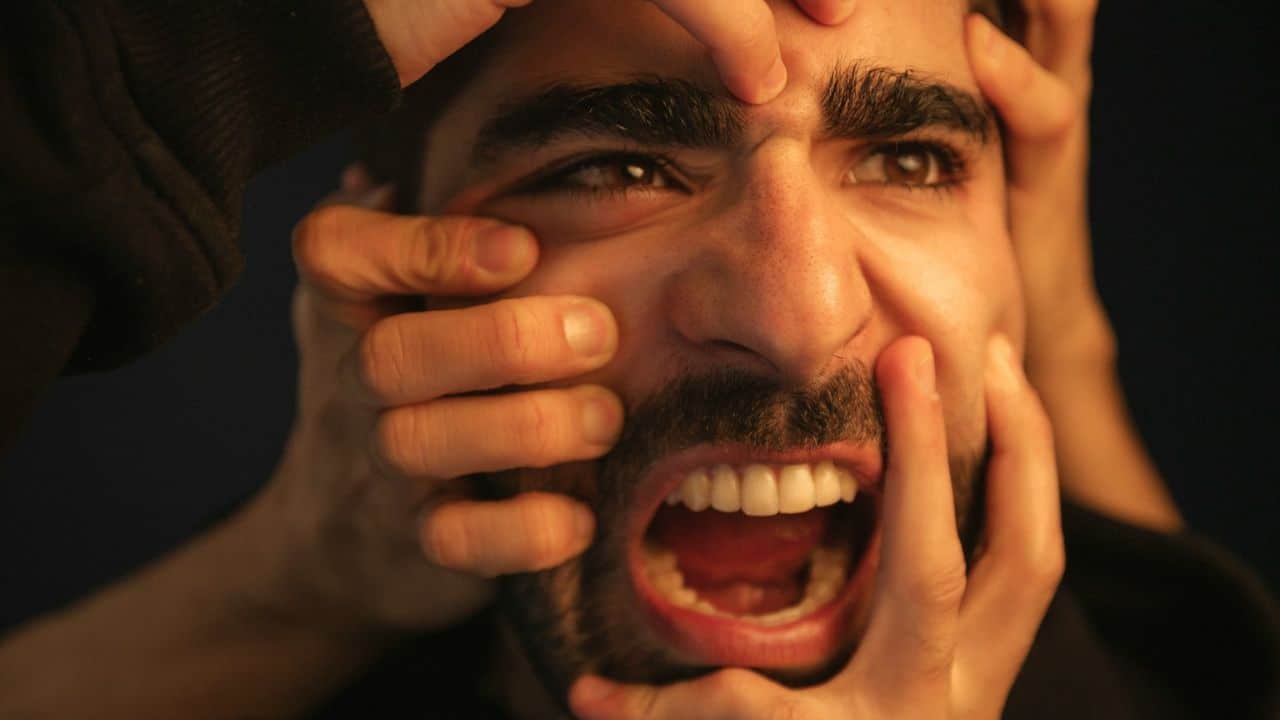
If a man yelled, mocked, or isolated his wife, he’d be slapped with the “abuser” label in seconds. But when a woman does it? It gets brushed off as emotional, hormonal, or just how women are. Emotional abuse has no gender, but the double standard is alive and kicking. Men end up feeling confused, silenced, or like they’re just supposed to take it. It’s time to call out what no one else will.
Screaming, Then Saying “That’s Just How I Talk”

When a man raises his voice, he’s scary. When a woman does it, she’s just “expressive.” But yelling, especially when it makes someone feel small, isn’t a personality trait; it’s a form of control. If he flinches every time she walks in angry, that’s not passion. That’s fear. Emotional abuse has no gender. It’s all about power and how it’s used.
Giving the Silent Treatment for Days

Withholding affection or communication is one of the oldest emotional weapons in the book. When a wife goes days without speaking to her husband, it creates tension, anxiety, and self-doubt. Imagine a man doing that—he’d be labeled cruel, distant, and abusive. Why is it any different when the shoe is on the other foot?
Mocking Him in Front of Friends or Family

Jokes that cut too deep in public aren’t jokes. They’re subtle digs wrapped in laughter. When a wife tears her husband down in front of others, it erodes his self-esteem and public image. Flip the roles for a second: if a man did this to his wife, everyone would see it for what it is. Verbal abuse doesn’t get a pass because it’s a woman doing it.
Constantly Criticizing His Job, Body, or Masculinity

When a woman attacks a man’s ability to provide, his appearance, or his manhood, it cuts deep. These aren’t harmless comments. They’re long-term hits to his identity and self-worth. If a man said his wife was getting fat or was a bad mom, the outrage would be immediate. The impact is the same, no matter who says it.
Using Sex as a Weapon

Sex isn’t a reward or a punishment. But when a wife withholds intimacy to manipulate or control, it turns into emotional warfare. Men are told to “be patient” or “understand her mood,” but if he did the same, it’d be called coercion. Weaponized affection is still abuse.
Acting Sweet in Public, Cold in Private
Some wives put on a loving front when others are around, only to turn cold or dismissive once the door closes. That emotional flip-flop makes a man question reality. Is it him? Is he overreacting? This kind of inconsistency is textbook psychological abuse and leaves deep confusion in its wake.
Threatening Divorce Constantly to Get Her Way

“Maybe we should just get divorced” isn’t a casual statement. Used regularly, it becomes emotional blackmail. A wife who throws out ultimatums to get her way is creating fear and insecurity, not solving problems. If a man used this tactic, he’d be accused of manipulation. Same rules should apply.
Controlling Who He Talks to or Spends Time With

When a wife dictates which friends or family he can talk to, it’s not about concern. It’s control. Isolation is one of the clearest markers of emotional abuse. If a husband did this, it would be labeled as toxic and possessive. So why is it tolerated in reverse?
Dismissing His Feelings as “Whining” or “Being Dramatic”
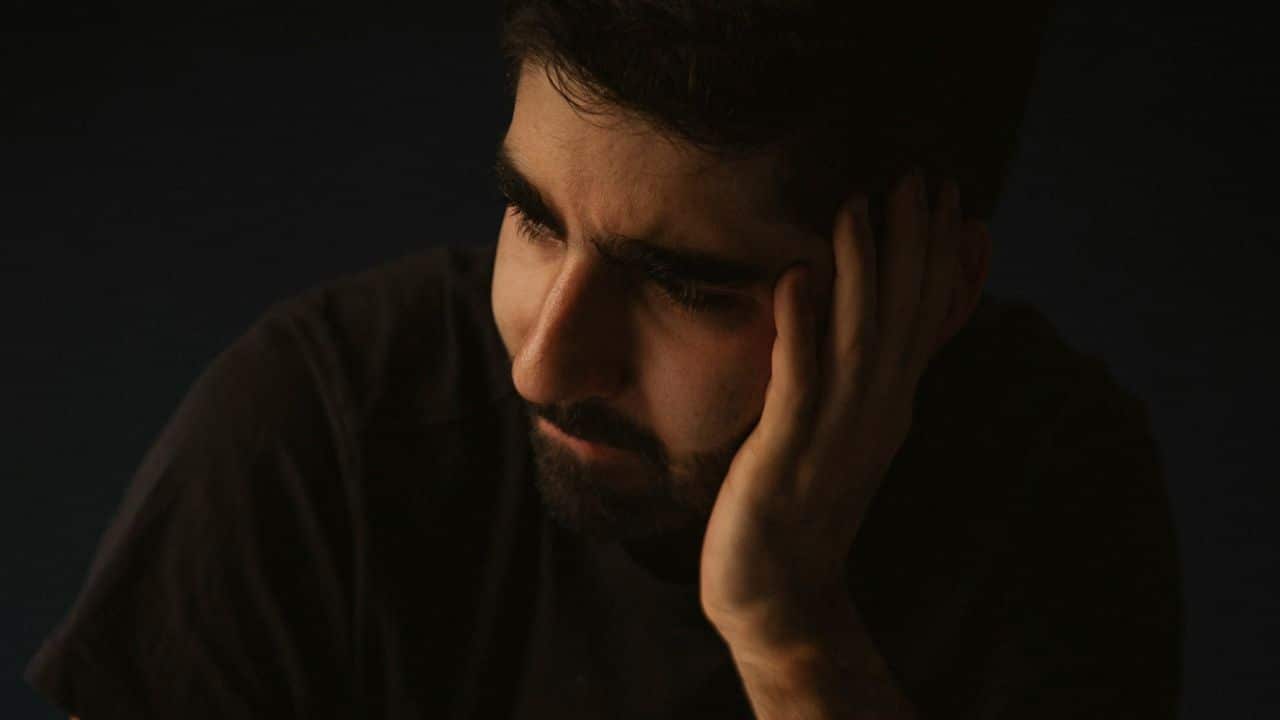
Men are already taught to bottle things up. When a wife mocks his emotions, it adds another layer of shame. “Real men don’t cry” becomes “real men don’t complain.” This isn’t just invalidation—it’s gaslighting. And it silences him even more.
Keeping Score and Weaponizing Past Mistakes

Bringing up old mistakes just to win an argument isn’t about accountability. It’s punishment. Some wives use memory like a hammer, pounding their husbands with guilt. Over time, he learns to walk on eggshells. That’s not a partnership. That’s control.
Using Kids to Manipulate or Guilt-Trip

When a wife says, “You’re setting a bad example,” or “Even the kids are upset with you,” she’s not parenting. She’s weaponizing the children. If a man used that line, he’d be accused of turning the kids against her. Kids shouldn’t be emotional pawns. Period.
Invalidating Everything He Says in an Argument

“You’re wrong.” “That didn’t happen.” “You’re overreacting.” These aren’t just disagreements—they’re tools to erase his perspective entirely. When a wife does this consistently, it teaches him not to speak up at all. Silence from a man doesn’t mean peace. Sometimes it means he gave up.
Saying “Real Men Wouldn’t Feel That Way”

This hits below the belt. When a wife attacks his emotions with outdated gender standards, she’s not being strong—she’s being cruel. It tells him his feelings are wrong, weak, or unmanly. That kind of shame doesn’t build connection. It builds resentment.
Turning Others Against Him During Fights

Bringing friends, family, or even the kids into an argument to make him look like the bad guy is emotional triangulation. It’s manipulative, plain and simple. If a husband texted her sister during a fight to “get backup,” he’d be called toxic. The same should go for wives.
Making Everything His Fault, Every Time

If she’s always the victim and he’s always the villain, something’s off. Marriage requires mutual accountability. When a wife refuses to own her part, it creates an emotional imbalance that can feel like walking a tightrope. Blame without balance is manipulation.
Laughing at His Boundaries or Personal Limits

“You need space? Seriously?” When a wife mocks or ignores his boundaries, it sends a clear message: your needs don’t matter. But boundaries aren’t gendered. They’re a basic part of respect. When his “no” is treated like a joke, that’s not love. It’s emotional abuse.








Ask Me Anything