DHEA (dehydroepiandrosterone) is a hormone that plays a key role in producing other hormones like testosterone and estrogen. It supports mood, muscle strength, fat metabolism, and even immune function. Low DHEA levels often develop gradually and can go unnoticed until symptoms start affecting daily life. For men between 30 and 50, early signs might show up in subtle but meaningful ways. Paying attention to these changes can lead to earlier support and better well-being.
Low Energy That Doesn’t Improve with Rest

Chronic fatigue is a common early symptom. It lingers even after a full night’s sleep or a weekend of rest. Men often report feeling worn out by midday without obvious reason. This type of tiredness isn’t tied to physical exertion, it’s hormonal. When DHEA drops, your body struggles to keep up with normal demands.
Decreased Sex Drive

A noticeable dip in libido can stem from hormonal imbalance, not just stress or relationship issues. Low DHEA reduces testosterone production, which affects sexual desire and performance. Men may feel frustrated, disconnected, or confused by the shift. It’s a quiet change that often goes unspoken, but it’s not uncommon.
Loss of Muscle Tone or Strength

Men with declining DHEA may find it harder to build or maintain muscle. Even with consistent workouts, results might stall. This isn’t due to poor effort, it’s a hormonal limitation. DHEA supports protein synthesis and recovery, both essential for muscle health. When levels drop, so does physical resilience.
Mood Swings or Irritability
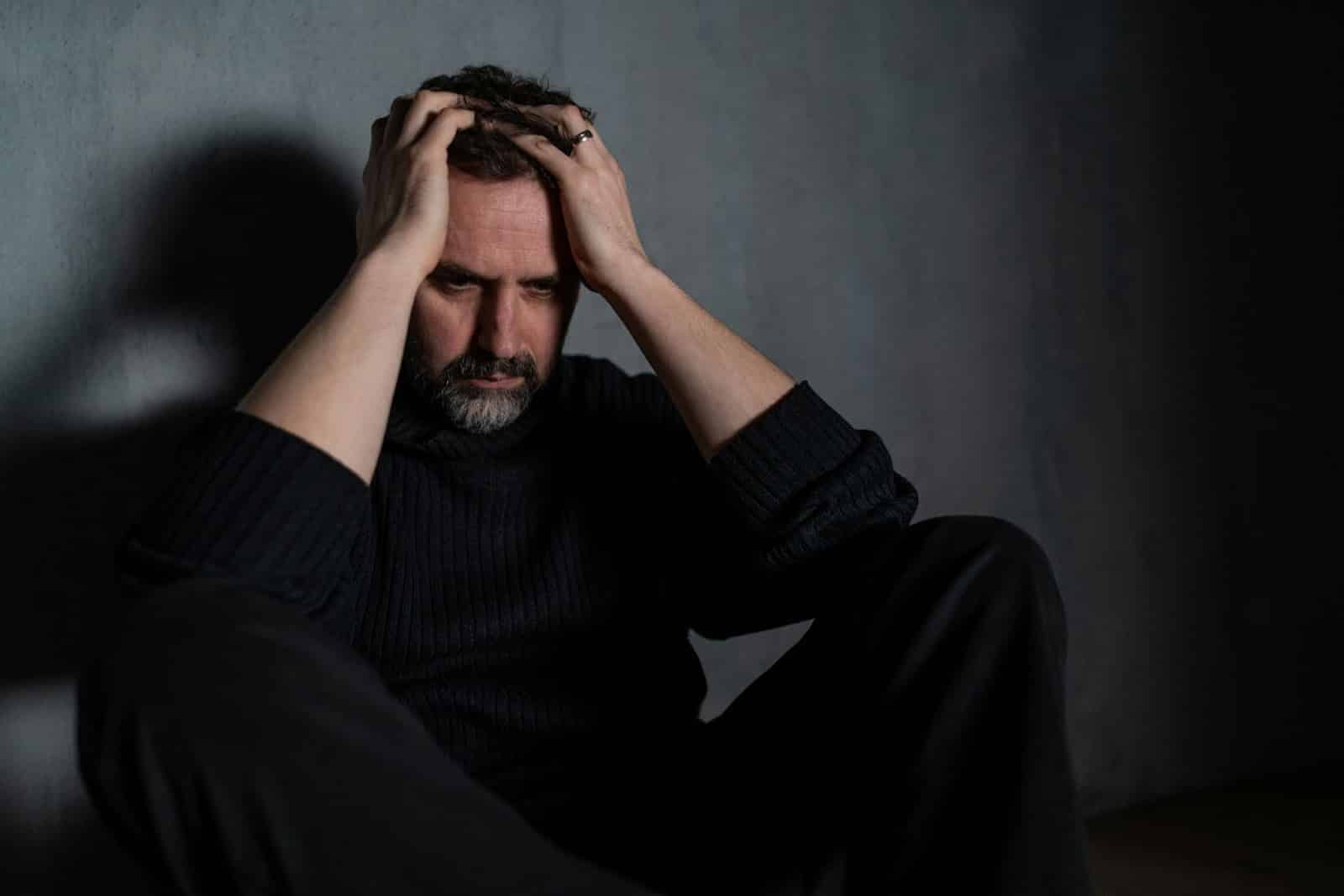
Hormones impact emotional regulation. A drop in DHEA can make men feel more reactive or less emotionally stable. Small things might cause agitation or sadness out of proportion. It’s not about mental weakness, it’s a biological shift. Recognizing this pattern can help separate mood from mindset.
Trouble Focusing or Staying Mentally Sharp
Cognitive fog is another subtle clue. Men may find themselves rereading things, forgetting names, or losing track of tasks. These lapses aren’t always linked to aging, they could be hormonal. DHEA supports brain function, especially under stress. Without enough of it, concentration can slip.
Increased Belly Fat
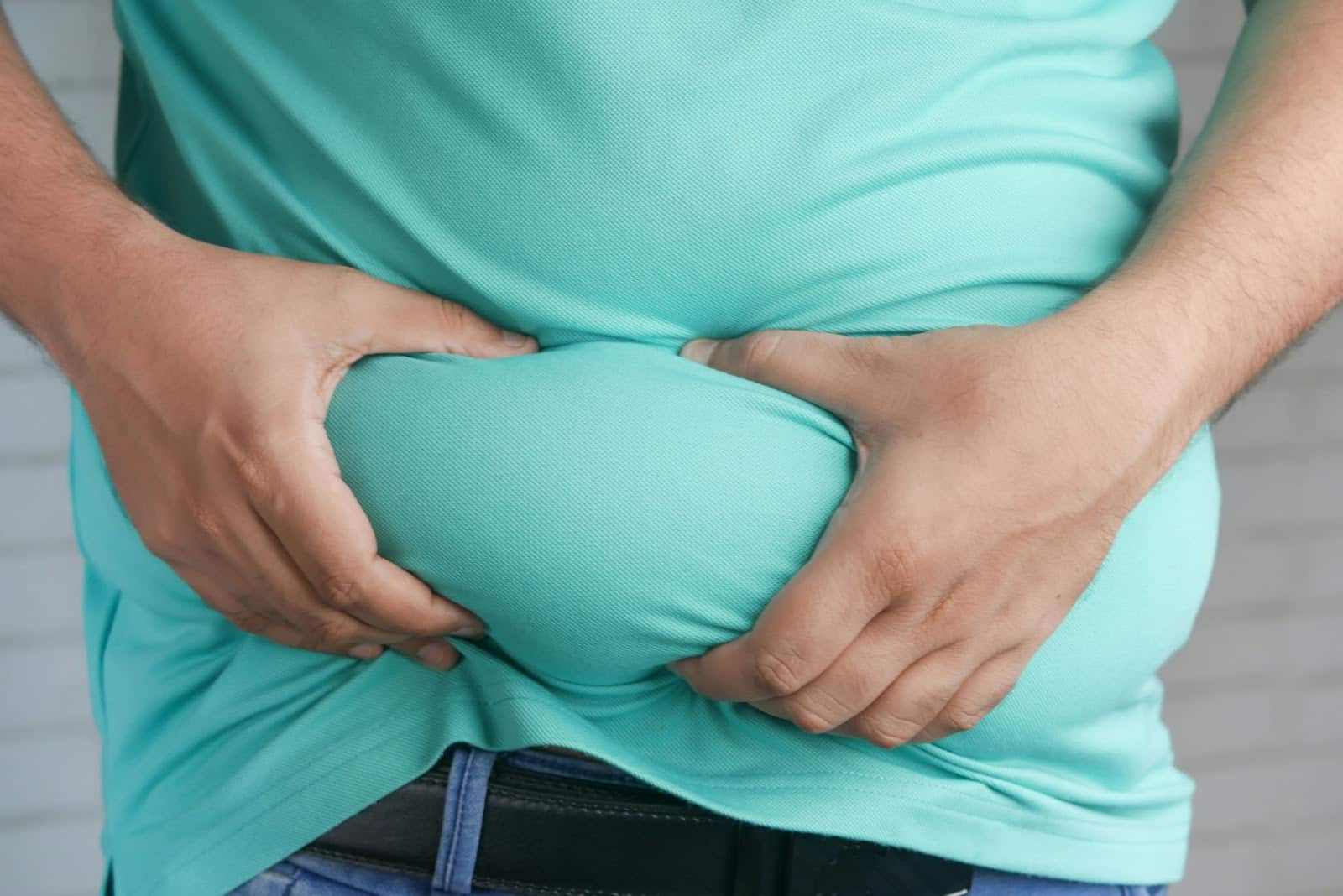
Even with regular workouts, some men notice stubborn fat accumulating around the midsection. DHEA helps regulate cortisol and metabolism. When levels fall, fat storage increases, especially in the abdominal area. This change can be frustrating because it feels unearned.
Slide 8: Reduced Drive or Motivation

A drop in ambition or productivity may signal low DHEA. This doesn’t mean laziness, it’s more like the gas pedal isn’t responding. Projects that once felt exciting now seem overwhelming or pointless. Men often blame themselves, but it may be physiological in origin.
Sleep Disturbances
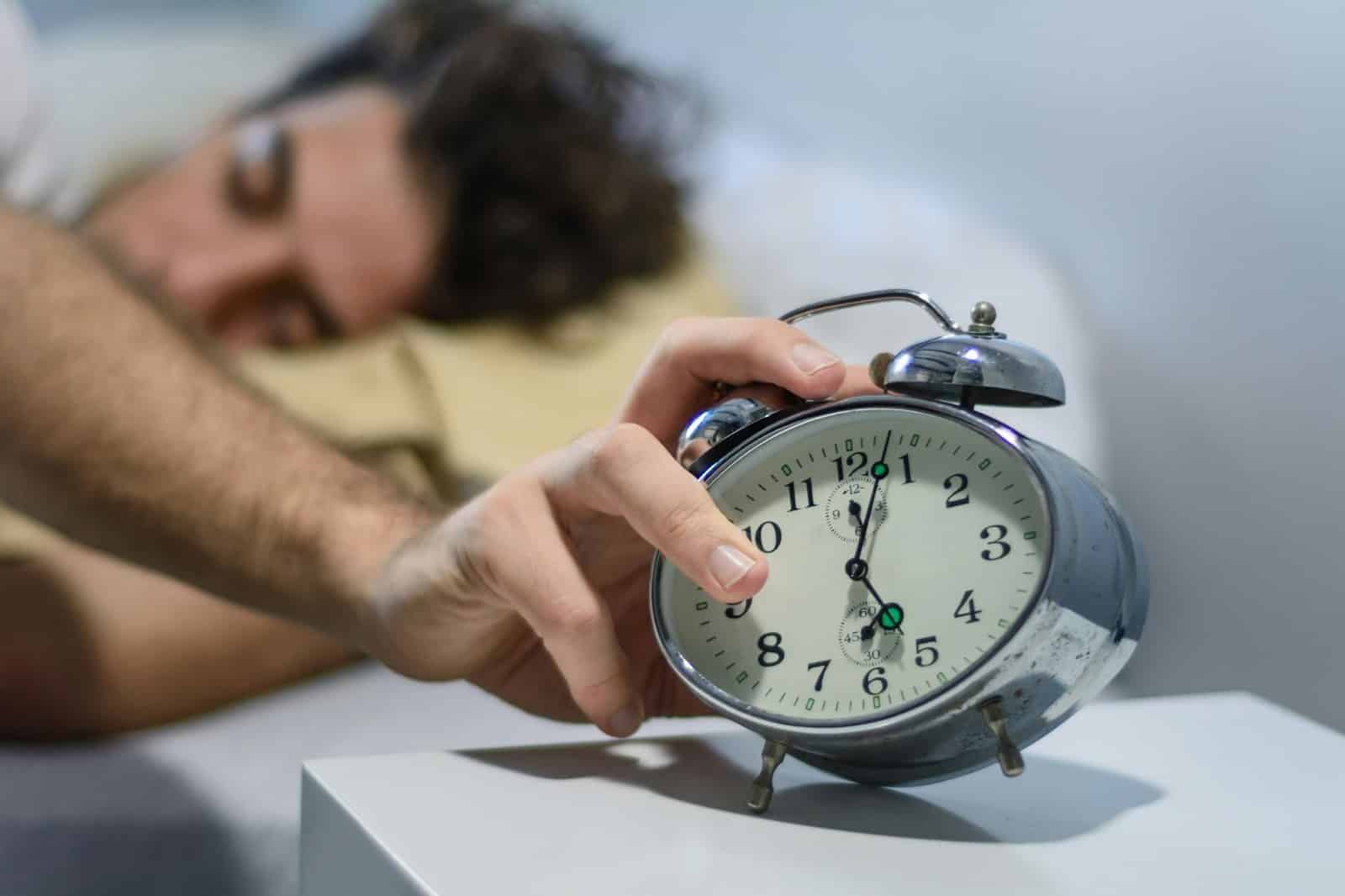
Hormonal shifts can affect sleep cycles. Low DHEA might cause light, broken sleep or early morning waking. Men may feel like they’ve rested, but still feel drained in the morning. Poor sleep further worsens hormonal balance, creating a loop that’s hard to break.
Frequent Illness or Slow Healing
If colds, allergies, or infections seem more common or linger longer, DHEA may be part of the story. It helps regulate immune response. Low levels weaken the body’s natural defenses. What used to be a quick recovery can become a drawn-out ordeal.
Joint Pain or Stiffness
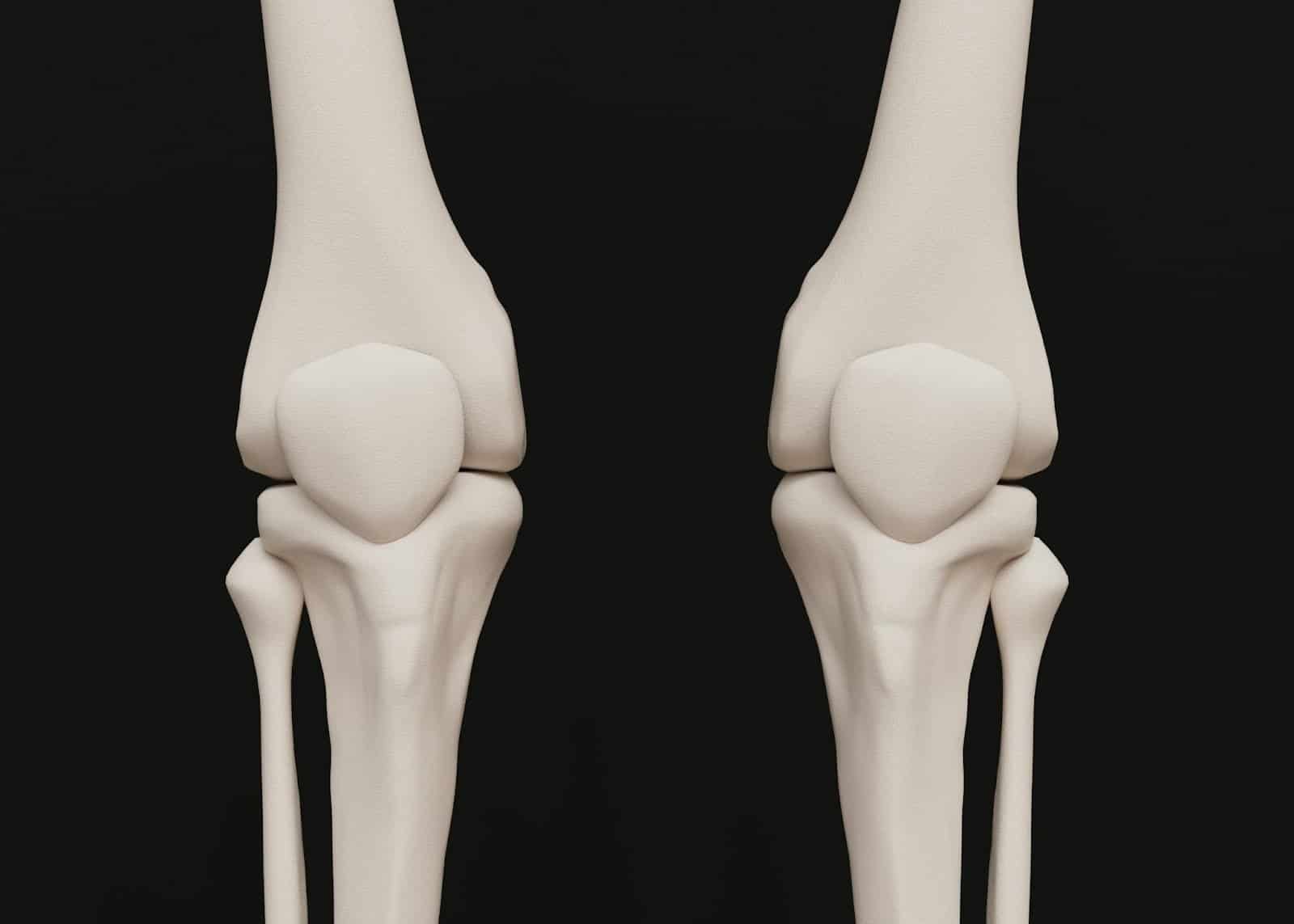
Unexplained aches, especially in the knees, hips, or lower back, can indicate low DHEA. This hormone supports tissue repair and fights inflammation. Without it, wear and tear builds up faster. What feels like age might actually be a fixable hormonal imbalance.
Increased Sensitivity to Stress
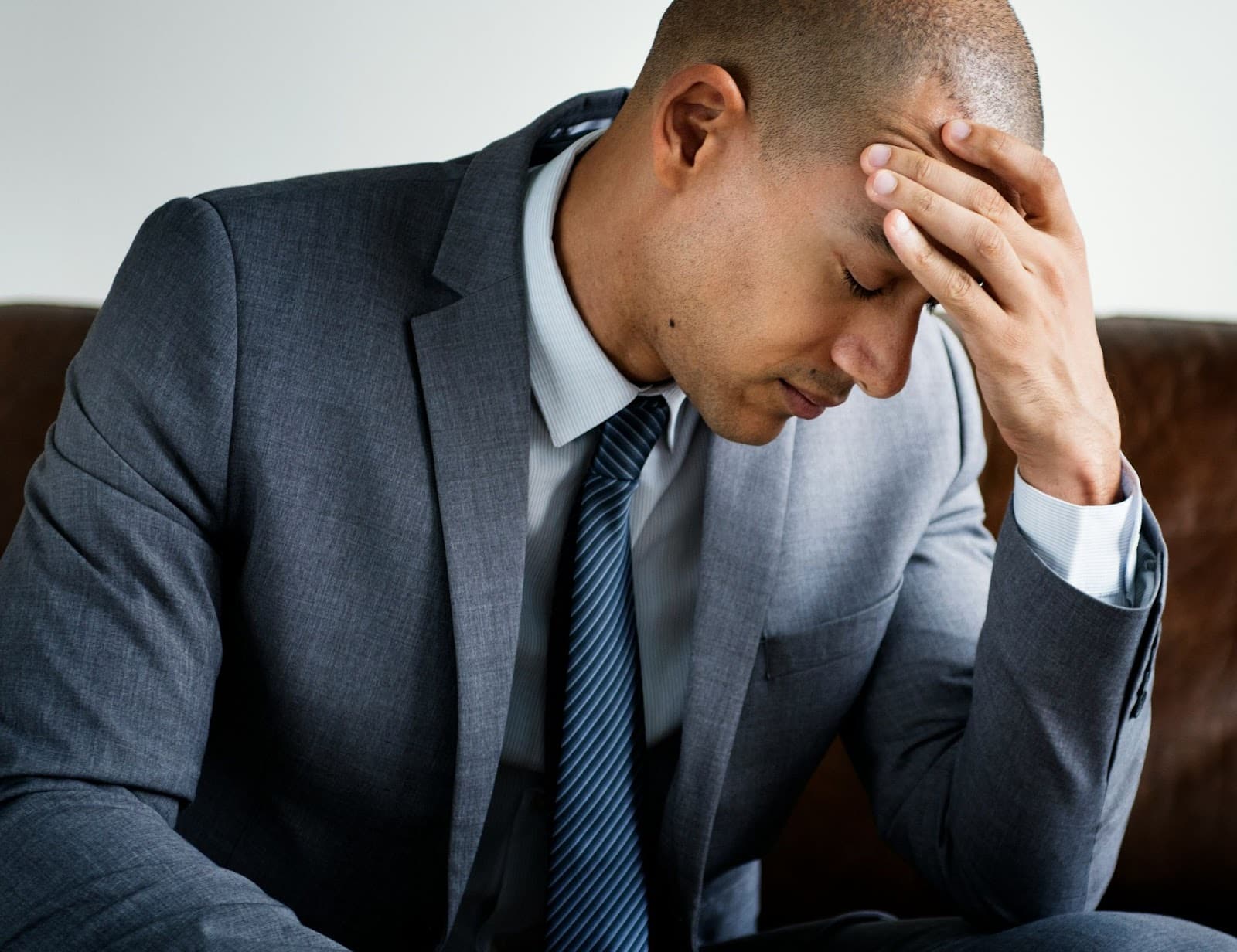
Men with low DHEA often feel overwhelmed by things they used to handle calmly. Their tolerance for daily frustration decreases. This isn’t weakness, it’s a chemical change. DHEA buffers cortisol, and without enough of it, stress hits harder.
Dry Skin or Thinning Hair
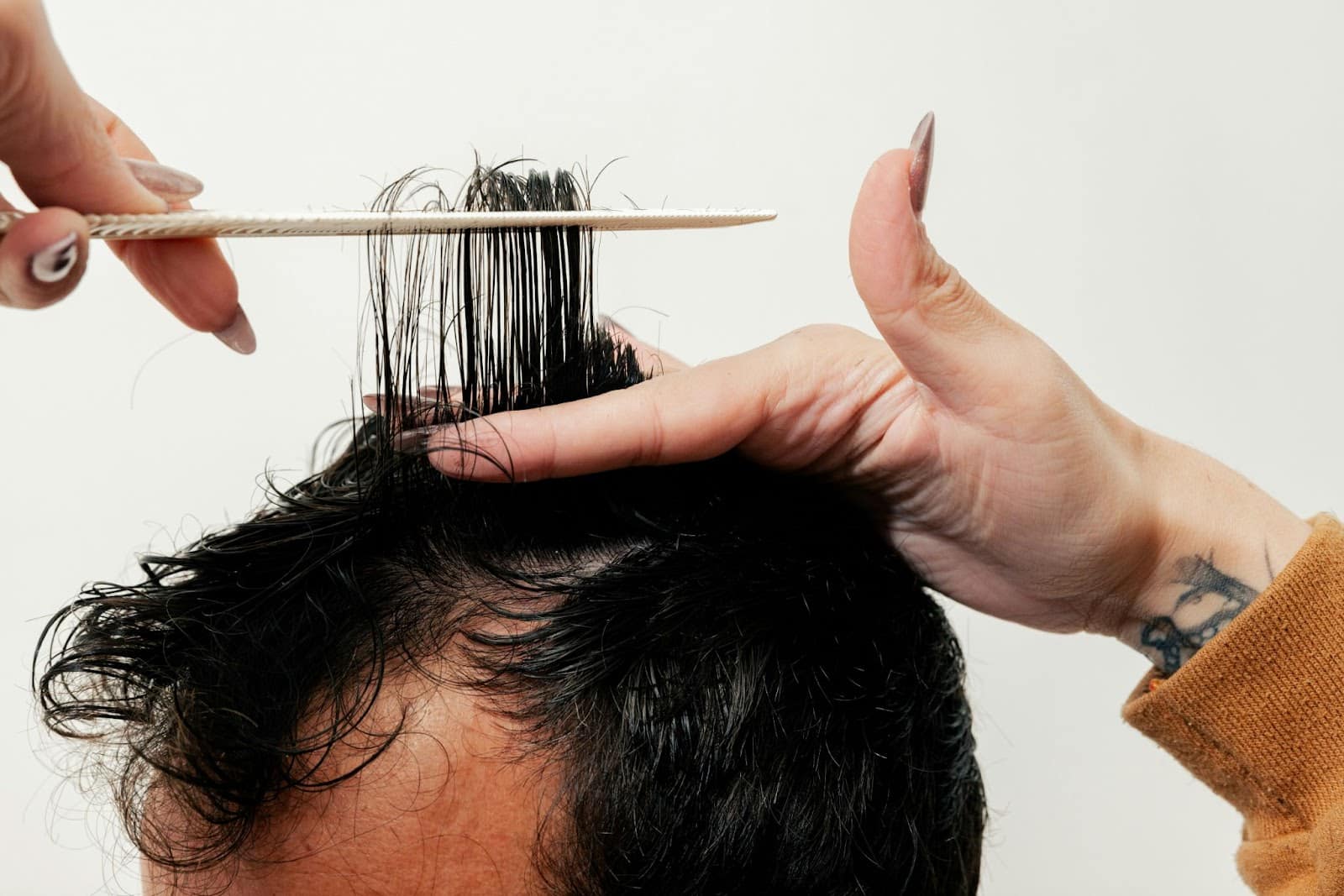
Changes in appearance may also signal hormone shifts. Dry, flaky skin or thinning hair (especially along the hairline) may develop gradually. These signs are easy to dismiss but are tied to DHEA’s role in skin and follicle health. They’re outward reflections of internal imbalance.
Loss of Enjoyment in Hobbies or Activities
When pleasure fades from things you used to enjoy, it might not be just burnout. Low DHEA can affect dopamine response, which plays into joy and satisfaction. Men may find themselves going through the motions but feeling emotionally flat. That’s more than just a mood, it’s a signal.
Lower Pain Tolerance

Men with lower DHEA often report being more sensitive to discomfort or injury. Whether it’s back pain, headaches, or muscle soreness, it feels more intense and lingers longer. That’s because DHEA supports anti-inflammatory processes. Less of it means pain hits harder.
Irregular Blood Pressure
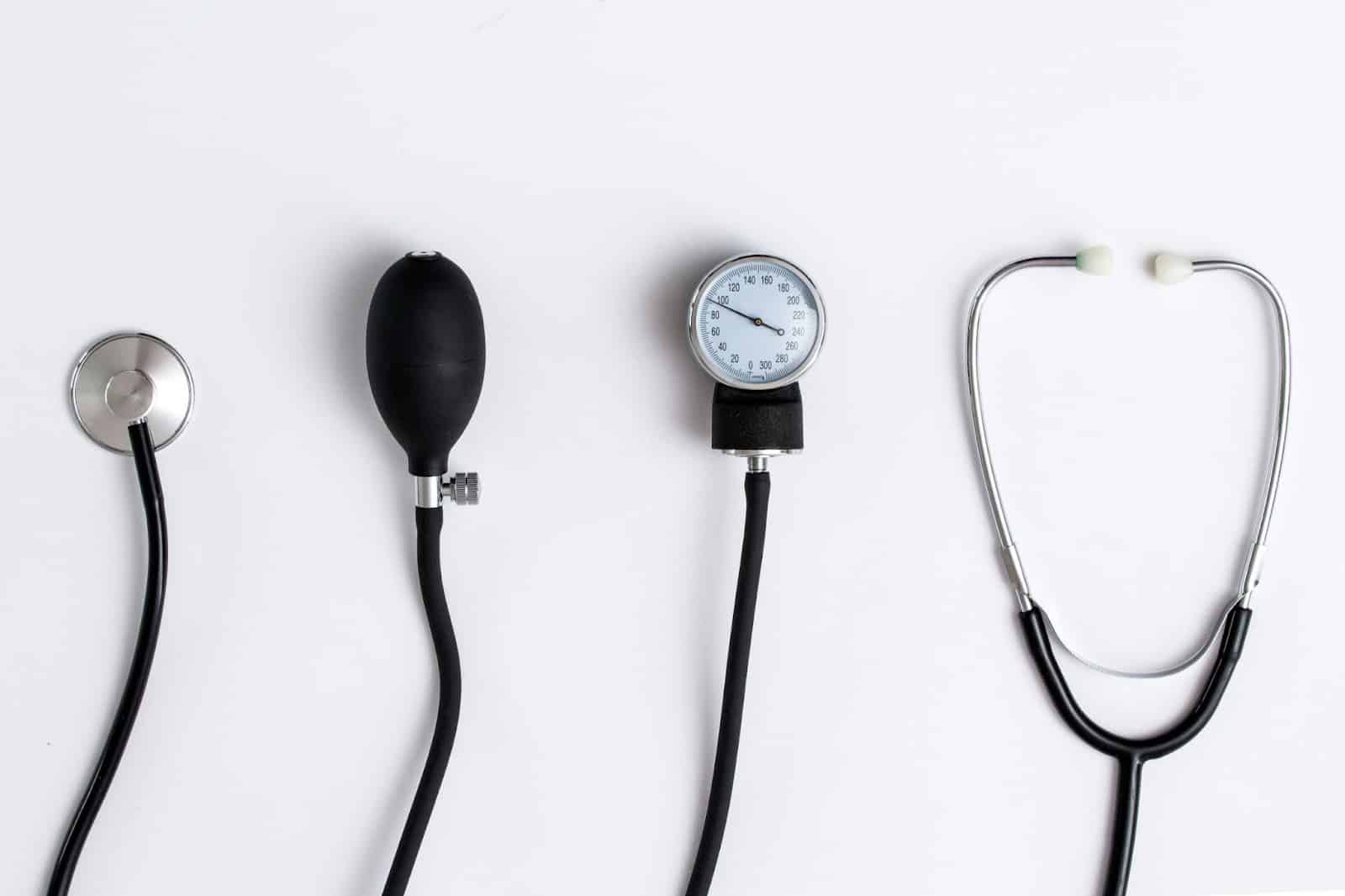
Subtle shifts in blood pressure can also be an early sign. Some men experience mild spikes or drops without clear triggers. Since DHEA helps support vascular function, its decline may affect heart health over time. This is worth tracking with regular checkups.
Erectile Difficulties
While not always the first symptom, performance issues may show up as DHEA drops. It’s not always a confidence issue, it can be hormonal. Blood flow, arousal, and stamina are closely linked to hormone levels. And DHEA is part of that system.
Feeling Disconnected or Flat
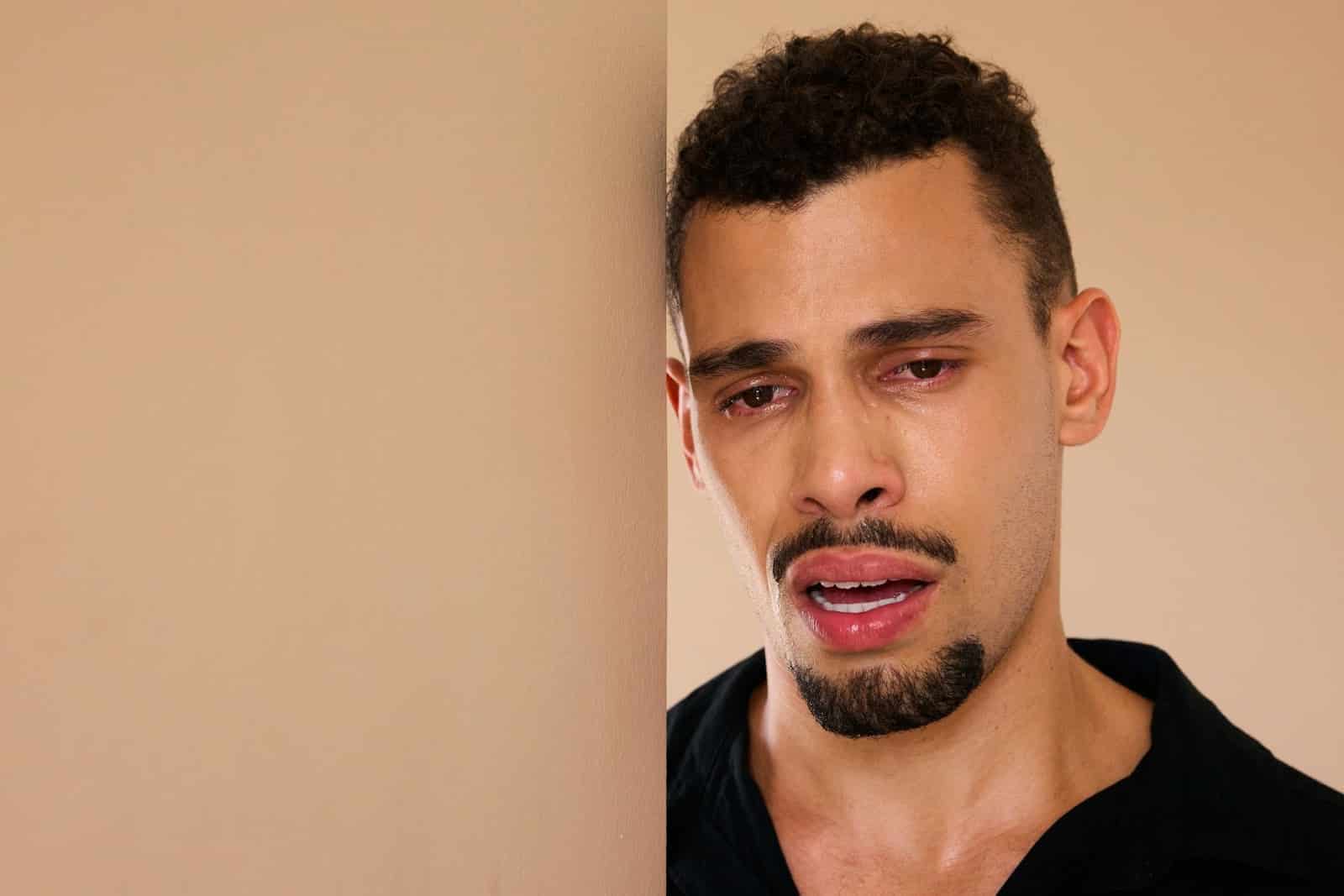
Men might describe themselves as “off” without pinpointing why. It’s a general lack of spark, energy, or emotional engagement. Life feels muted. When this feeling lingers, checking hormone levels, especially DHEA, can offer answers.
Slower Recovery After Exercise or Stress

Whether it’s from a tough workout or a long workday, recovery time stretches. You might feel sore for longer, or mentally drained past your usual bounce-back point. This can be one of the clearest indicators that your body isn’t repairing as efficiently. Low DHEA could be the culprit.
Why Early Detection Matters

Catching these signs early isn’t about fear, it’s about control. Low DHEA doesn’t mean something is broken. It means something can be adjusted. With the right support, lifestyle changes, medical guidance, or supplements, balance can often be restored. The goal is to feel more like yourself again.








Ask Me Anything