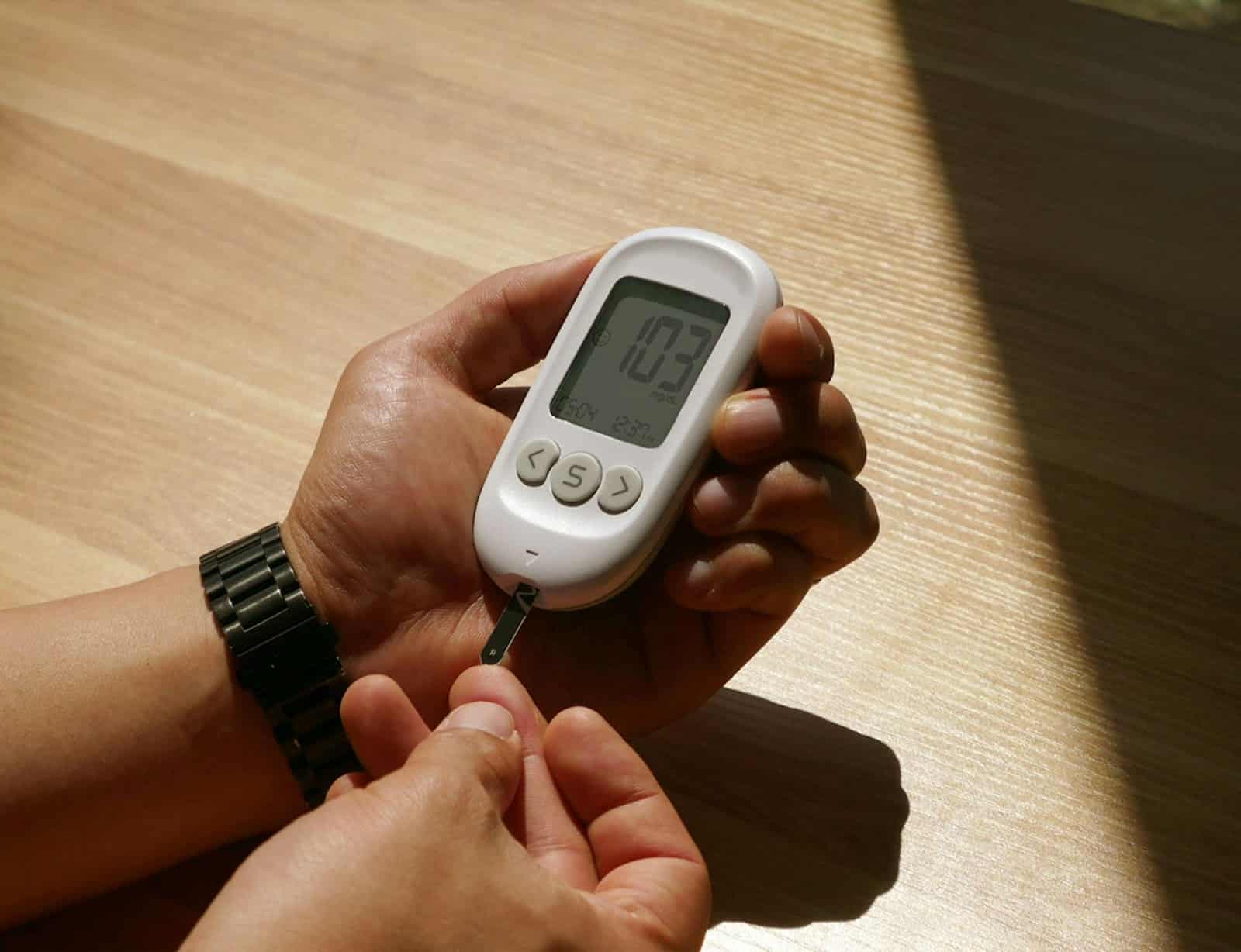
Pre-diabetes can creep up quietly, often going unnoticed until it becomes something more serious. Many men write off small symptoms, brushing them off as stress, poor sleep, or aging. But these early warning signs are the body’s way of asking for attention. Recognising them early gives men a better shot at prevention, not just treatment. It isn’t about panic, it’s about awareness.
Constant Fatigue Without Clear Reason

Feeling drained all the time, even after a good night’s sleep, might not be from work or stress alone. Pre-diabetes can mess with how the body processes glucose, leading to a constant low-energy state. It becomes harder for cells to absorb and use energy efficiently. When tiredness sticks around for weeks or months, it’s worth checking in. This type of fatigue often goes overlooked.
Frequent Urination, Especially at Night

Needing to pee more than usual, especially at night, might be a sign your kidneys are working overtime. Elevated blood sugar levels force the body to flush out excess glucose through urine. This symptom isn’t just annoying, it can disrupt sleep and lead to dehydration. If you find yourself heading to the bathroom multiple times nightly, it’s a quiet red flag.
Increased Thirst That Won’t Quit

Frequent urination often leads to increased thirst, as the body tries to replenish lost fluids. But if you’re constantly reaching for water and still feeling parched, it might be more than just a hot day or a workout hangover. Persistent dry mouth and excessive thirst are linked to blood sugar issues. It’s the body’s subtle way of saying something’s off.
Blurry Vision That Comes and Goes

Blood sugar spikes can affect the fluid in your eyes, changing the shape of the lens and blurring vision. Unlike permanent eyesight issues, this kind of blurry vision tends to fluctuate. It might clear up and come back without warning. That inconsistency is a clue. If you notice changes in your vision that seem to come out of nowhere, don’t ignore it.
Tingling or Numbness in Hands and Feet

Nerve health takes a hit when blood sugar levels are too high. Tingling, numbness, or a pins-and-needles feeling in your extremities is one of the earlier signs. It might be mild or infrequent at first. Over time, if left unchecked, it can become painful or even permanent. Paying attention early can help preserve nerve function.
Slow-Healing Cuts and Bruises

Wounds that seem to take forever to heal are more than just an inconvenience. Elevated blood sugar can damage blood vessels and reduce circulation, making it harder for the body to repair itself. Cuts, scrapes, and bruises that linger are a warning sign. Men often downplay this, but it shouldn’t be brushed aside.
Sudden Weight Loss Without Trying
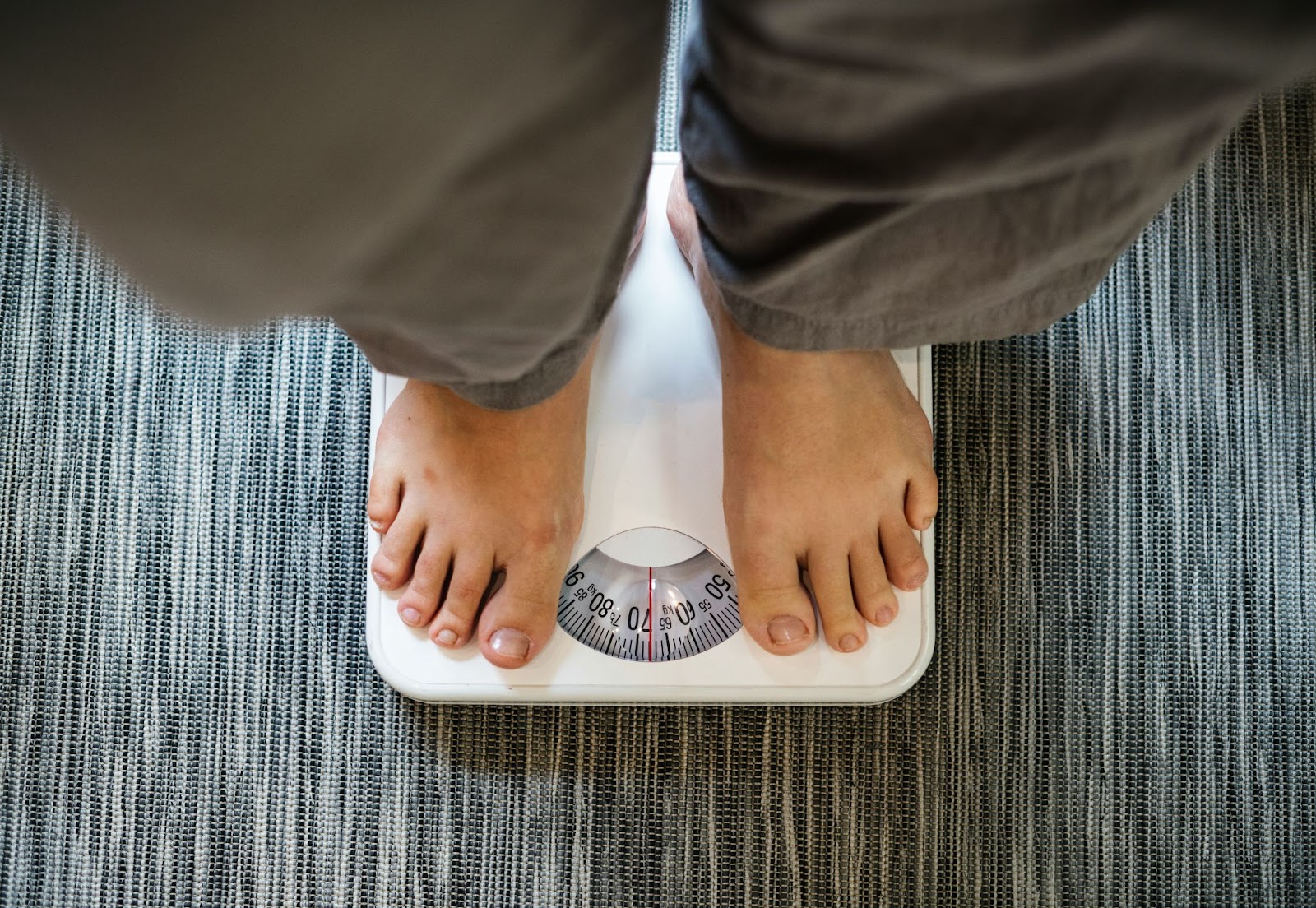
While gaining weight is more commonly discussed with pre-diabetes, sudden and unexplained weight loss can also be a symptom. The body starts burning muscle and fat for energy when it can’t properly use glucose. If your appetite hasn’t changed but your pants fit looser, it’s worth asking why. Unplanned weight changes deserve a second look.
Unusual Hunger Despite Eating

On the flip side, some men may feel constantly hungry even after eating. When glucose isn’t getting into the cells, the body thinks it’s starving. This can trigger increased appetite, especially for carbs and sugar. It becomes a loop that worsens the problem. Feeling full but still craving food isn’t something to ignore.
Dark Patches on Skin (Especially Neck or Armpits)

Acanthosis nigricans, a condition where skin becomes darker and thicker, is often linked to insulin resistance. These patches usually show up around the neck, armpits, or groin. They’re not painful but are often a visual indicator that blood sugar is out of balance. It’s one of the more visible warning signs that many miss.
Frequent Yeast or Fungal Infections

High sugar levels in the blood and urine create an ideal environment for yeast and fungal growth. Men might experience more frequent skin infections, especially in moist areas like underarms, groin, or between toes. If these infections keep coming back, it may be worth checking blood sugar. It’s not just a hygiene issue, it’s a metabolic one.
Irritability and Mood Swings

Blood sugar swings don’t just affect the body, they affect the mind, too. Men might find themselves more short-tempered or on edge without understanding why. It’s easy to blame work or relationship stress, but underlying glucose issues could be contributing. Emotional shifts tied to energy crashes are a subtle clue.
Trouble Focusing or Remembering Things

Brain fog can be a result of fluctuating blood sugar levels. When the brain doesn’t get consistent energy, cognitive functions like focus and memory can dip. If simple tasks feel harder or concentration is slipping more than usual, it could be linked to pre-diabetes. Mental clarity often improves once blood sugar stabilises.
Higher Blood Pressure Readings
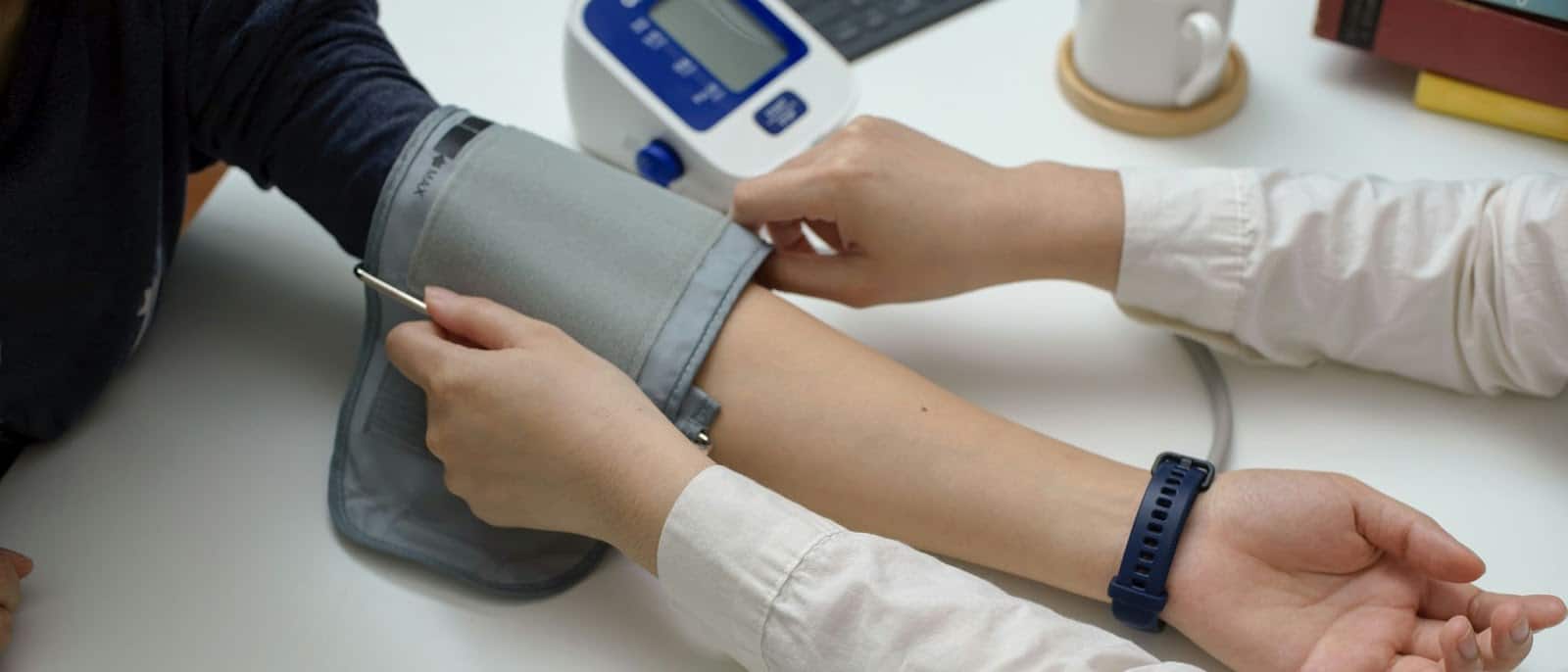
Insulin resistance and high blood pressure often show up together. The link between the two is strong, and pre-diabetes can contribute to elevated readings even in men who are otherwise active. If numbers are creeping up without a clear cause, it might be worth looking at glucose levels too. It’s not always about salt or stress.
Lower Libido or Erectile Changes

Blood flow and hormone balance are both affected by blood sugar. Men might notice a drop in libido or difficulty maintaining performance. It can be uncomfortable to talk about, but it’s a valid health concern. Often, this shows up before other obvious signs. Addressing it early may reveal other underlying issues.
Family History + Any of the Above

If you have a family history of diabetes and you’re noticing any of these signs, take it seriously. Genetics isn’t destiny, but it does raise risk. When even subtle symptoms show up in that context, they deserve attention. A simple test could shift everything. Awareness is power.
What To Do With This Info
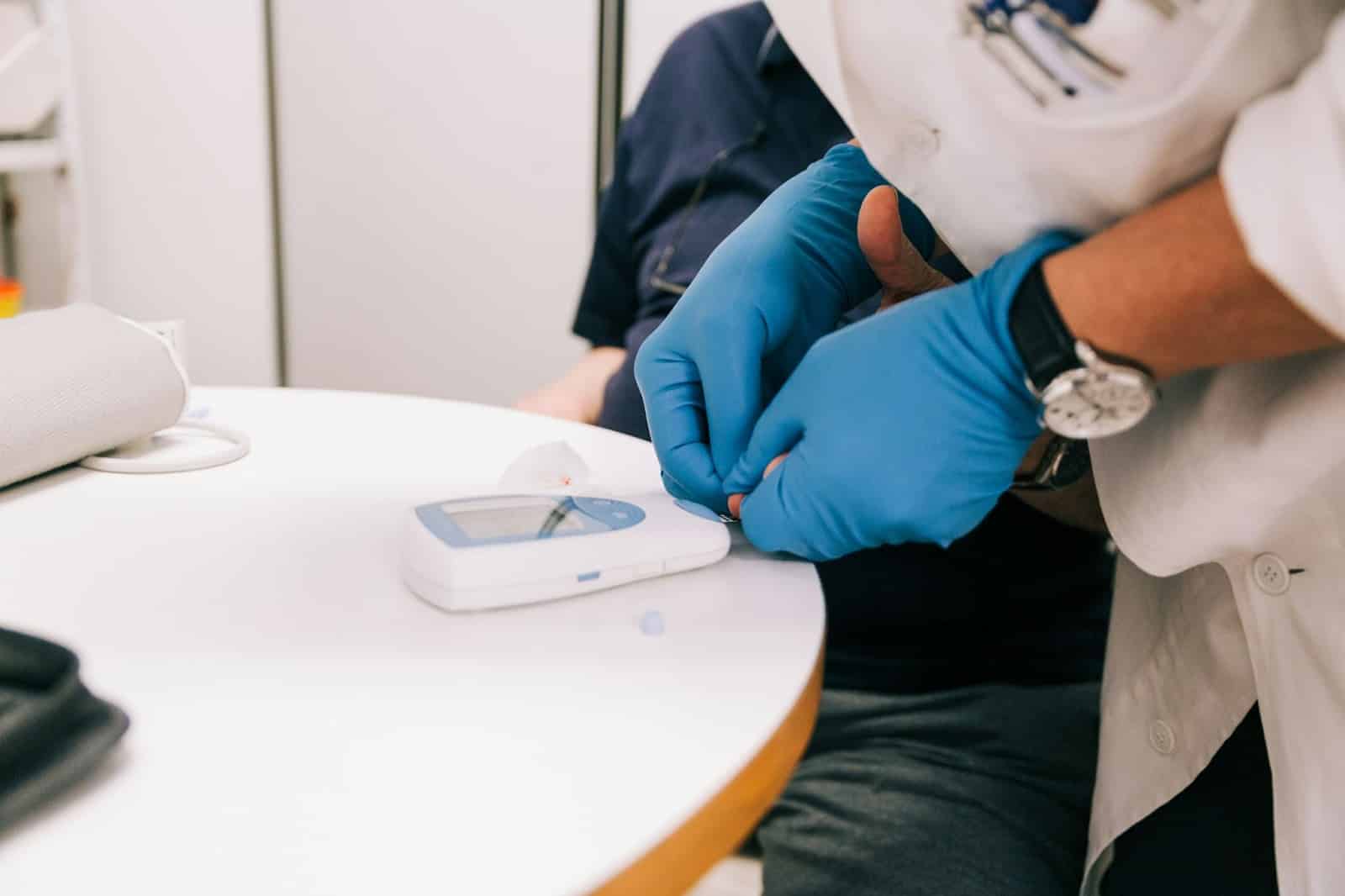
Recognizing these signs is the first step, not the last. Pre-diabetes doesn’t guarantee a diagnosis, but it is a warning. Talk to a healthcare provider. Consider a blood sugar test. Small changes in diet, movement, and stress can go a long way. The earlier it’s addressed, the more there is to prevent.








Ask Me Anything