
The majority of men don’t overtly gripe about the inequalities that they perceive in their marriages. The reason is quite simple: they don’t want to start fights in their relationships. They want to avoid appearing ungrateful and petty. But that doesn’t mean they are blind to these double standards or completely tolerate them. In fact, it stimulates the buildup of considerable resentment on their part. This can quietly damage their relationship and can even lead to the destruction of their marriage in certain grievous cases. Read on and learn about the common double standards that men notice quietly in their marriages.
He Can’t Vent But She Absolutely Can

The thing that perplexes most men is that they are not allowed to vent or confide about their problems to friends or family members and can’t express their disconcerting feelings about the marriage. The irony is that their wives can absolutely do so, and their complaints are regarded as healthy and empowering.
His Stress Doesn’t Matter Compared to Hers

Men usually feel that their stress and problems get downplayed into oblivion. They are expected to be strong, unflinching, and stable even in the face of stress and immense pressure. Their emotional struggles are ignored while those of the wives are illuminated and emphasized, and their attempts at resolving them celebrated. This is something that men find strange and quite disconcerting as well.
His Career Ambitions are Criticized While Hers are Encouraged

A man who wants to expand and enhance his business, follow up on career opportunities, or even put in extra shifts at work is seen as apathetic and ignorant. On the other hand, a woman who chooses to work and follow a career is seen as empowering, selfless, and reflective of total commitment in the marriage. Men bring so much to the dynamic; that is why they silently begin to resent his double standard.
His Need for Personal Space Is Criticized, While Hers Feels Justified

When a man wants personal space to exercise his hobbies, relax, hang out with friends, and unwind, it is seen as neglect by his family and friends. The wife who demands personal space and relaxation is seen as justified in her demands. Both spouses work hard and their need for personal space shouldn’t be criticized, regardless of whether they are the man or woman in the marriage.
He’s Called Messy for Not Cleaning Up After Him While She Isn’t
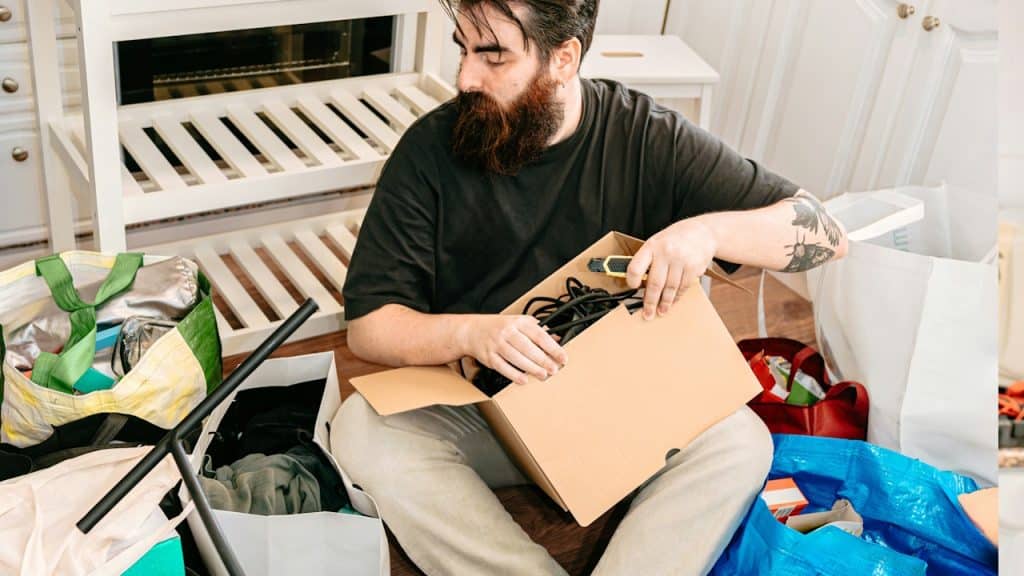
If she forgets to fold the laundry or leaves the shoes out, then it’s no big deal. She is, after all, responsible for the entire workload, right? So, who cares about such small things? But perish forbid if a man does it, he is labeled as lazy and incredibly messy.
His Family isn’t Prioritized But Hers Is

Men notice when his parents or others from his side of the family don’t receive the same level of attention and priority as her side does. She constantly praises her parents, siblings, and other family members, while his only receive a perfunctory, peripheral level of significance. Her actions of treating his family as optional are completely overlooked while he is castigated for doing the same.
His Expenses are Seen as Unnecessary while Hers aren’t

Whatever money she spends on self-care, buying extra groceries, or spending on any other thing is seen as necessary and justified. But if a man buys anything that matters to him or holds sentimental value, then this is seen as incredibly wasteful and worthy of criticism. His expenses are impractical, while hers aren’t.
He Must Control His Mood While She isn’t

It is her mood that sets the tone for the house. She can be withdrawn, quiet, moody, and scowl all she wants and generally be petulant all the time. Her moods will be tolerated, and her tantrums won’t bring about much stigma or criticism. On the other hand, men are expected to stay calm and regulate their emotions. This isn’t equality, merely one-sided tolerance, and men are getting tired of it.
His Flaws Can be Criticized By Her, But He Can’t Do the Same

When women criticize their men, they should just accept them all with a stiff upper lip. It is, after all, done for the sake of improving his character, right? It is nothing more than constructive criticism for the sake of the betterment of the marriage. That is the version men are expected to believe, but they forget that this is one-sided. They can’t extend the same sentiments or criticism towards their wives at the risk of appearing unjust, petulant, and apathetic.
His Parenting Duites aren’t Praised, While Hers are

Men think, and rightly so, that their rating scale is far more punishing and stringent than women’s when it comes to parenting duties. They are extolled for everything that they do, while the men don’t receive any recognition or appreciation for the part that they play in this endeavor.
He Has to Ask Before Spending on Kids, She Doesn’t Have to

A man has to ask for permission before he can spend on his kids. He has to defer to the pressures of finances and his wife’s opinions before he can spend on any hobbies, clothes, school supplies, and so forth for the kids. She can do whatever she feels like in this regard and no one will bat an eye.
He’s Expected to Remain Strong while She can Appear Tired

Men can’t afford to be seen as weak, tired, or exhausted. It is not expected of them, so they don’t get any sympathy from anyone. They are expected to work without any complaints or lamentations about being tired or worn out. A woman can appear tired, complain of exhaustion, and still be treated with intense empathy and understanding.
He Can’t Ask for Help But She Can

A man is expected to just handle whatever stresses, struggles, or predicaments that come his way. He needs to keep his problems private and can’t ask others for help when he’s burned out or at risk of emotional exhaustion. A woman’s struggles, no matter how small they may be, can warrant a cry for help and support and everyone will readily accord it her.
His Mistakes aren’t Tolerated While Hers are

Her mistakes are tolerated and ignored. She is, after all, human, and to be such is to be susceptible to error after all. A man, on the other hand, doesn’t receive any such lenience. His mistakes are scrutinized and he is castigated for his mistakes, which are unforgivable. Even the same mistakes can yield different reactions for the wife and husband.
He Should Be Low Maintenance, While She Deserves Appreciation

Men are labeled as needy if they demandd emotional acknowledgement and praise. Society simply doesn’t give him the praise that he craves for his struggles and accomplishments. Women can do anything small and they are lauded for it. They deserve appreciation and praise and can make vehement demands for it without any judgment or criticism.
He Can’t Alter Plans While She Can

A woman’s act of altering the program at the last moment is seen as being flexible. It is accepted and totally justified. A man can’t afford to do that for fear of being branded as inconsiderate. She can be as inconsistent as she wants to be, while he will be lambasted for even the smallest sign of flexibility in managing plans.
His Health Concerns aren’t as Important as Hers

Men are expected to just bear it when their health gets messed up. They have to barrel through and endure ailment and discomfort with sterling conviction and strength. They are expected to let masculinity be the tonic that sustains them and never complain about their health. It is frowned upon, while women’s complaints about her health are completely justified. She can complain, moan, and cry about her maladies.
His Past is Remembered Resentfully while Hers is Forgiven

Any mistakes that men made in the past are weaponized against them, with a palpable resentment, years after they were committed. A woman’s past and the infractions she committed are quietly swept under the rug, never to be talked about again.
Final Thoughts

Double standards don’t destroy a marriage immediately. It takes time and the accumulation of years of resentment and bitterness that finally culminate in this regrettable outcome. Healthy marriages can only prosper if both spouses try to bring respect, understanding, affection, and mutual responsibility into the mix.








Ask Me Anything