
Let’s be real—modern marriage is supposed to be about equality, right? Yet somehow, many men still find themselves walking on eggshells in their own homes. You’re expected to be strong but sensitive, ambitious but always available, decisive but never “controlling.” The rulebook keeps changing, and it’s rarely in your favor. The truth is, these double standards aren’t just frustrating—they can quietly kill your confidence, your peace, and your connection if you don’t see them for what they are.
Financial Transparency vs. Secret Spending

When men keep financial details private, it’s called “hiding something.” But when wives do the same, it’s “personal money.” Sounds familiar? Many husbands find themselves monitored like employees while their partner’s spending goes unquestioned. Money should be a shared mission, not a game of double rules. If one person gets financial freedom, both should.
Fitness Expectations and Body Criticism

Ever notice how men are told to “stay in shape” while women can call your gym time “obsessive”? You’re expected to accept every change in her body, but God forbid you mention wanting to feel attracted again. Physical attraction matters both ways, and pretending it doesn’t just builds silent resentment. Health and effort should be mutual, not weaponized against one another.
Sex: When “Not Tonight” Only Goes One Way

When a wife says no to sex, it’s understood. When a husband does, it’s a crisis. Suddenly, you’re accused of cheating, disinterest, or low testosterone. That’s the double bind men live with—your needs are optional, hers are sacred. It’s time to normalize that intimacy is a two-way street and that men have emotional and physical limits, too.
Conflict Rules: Listening vs. Being Heard

You’re told to “listen more,” but what happens when she’s the one interrupting, yelling, or walking out mid-conversation? Too often, men are expected to absorb emotions but never express them. Conflict should be about resolution, not performance. Mutual respect in communication shouldn’t depend on who cries first.
Social Lives and Friendships

She can have “girls’ nights” and guy friends without issue, but your weekend with the boys sparks suspicion. Modern marriage often treats a husband’s independence as a threat. Friendship shouldn’t be gendered or conditional—it’s part of staying sane. A man with healthy social outlets makes a better partner, not a worse one.
Jealousy: Cute vs. Controlling

A woman’s jealousy is often seen as sweet, while a man’s is “toxic.” That double standard trains men to suppress their natural instincts out of fear of judgment. Jealousy isn’t the problem—how it’s expressed is. It’s okay to care who’s getting your partner’s attention; what’s not okay is pretending you don’t.
Me Time and Personal Space

When she needs time alone, it’s referred to as “self-care.” When you do, it’s “avoidance.” Men aren’t robots who recharge by constant togetherness. Solitude isn’t neglect—it’s maintenance. If you can’t breathe in your own relationship, something’s off.
Parenting and Custody Bias

Men are praised for being “involved dads” but rarely trusted as equals in parenting decisions. And if the marriage ends, the family court often assumes the mother is the default parent. That bias hurts everyone, including the children. Good fatherhood isn’t backup parenting; it’s leadership, presence, and love that deserve equal recognition.
Household Chores and Emotional Labor
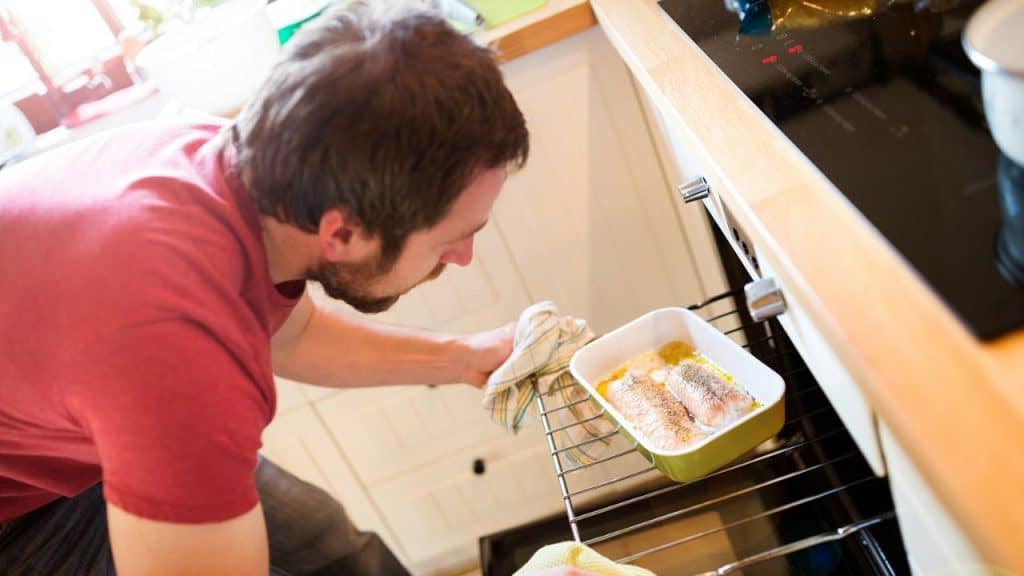
You handle the heavy lifting—literally and figuratively—but it’s never quite enough. Men are told they “don’t notice the small things,” even when they’re working full-time and fixing everything around the house. The truth? Both physical and emotional labor matter. Balance isn’t about splitting everything down the middle; it’s about respecting effort wherever it shows up.
Who Pays and Who Appreciates

Even in “equal” marriages, most men still pay more. Dates, dinners, bills—it adds up. Yet appreciation often fades the moment it becomes expected. Paying should be an act of generosity, not obligation. Gratitude turns giving into love; entitlement turns it into resentment.
Privacy vs. Snooping

If you ask to see her messages, you’re “insecure.” But if she demands your passwords, it’s “just being transparent.” Privacy should be reciprocal or not at all. Trust isn’t built by surveillance—it’s built by consistency. If one partner gets the benefit of the doubt, the other deserves it too.
Flirting and Friendliness

When she flirts, it’s “harmless.” When you do, it’s “disrespectful.” That’s not equality—it’s selective outrage. If both partners can’t agree on what’s appropriate, someone’s boundaries will always feel violated. Set rules together and stick to them; fairness is sexier than hypocrisy.
Making Jokes at Your Expense

You’re supposed to laugh it off when she mocks your job, income, or hairline in public. But joke about her habits? Suddenly, it’s “emotional abuse.” Respect in humor is about mutual dignity, not who can take the hit. A marriage built on teasing that cuts only one way will eventually drain trust.
Answering the Phone vs. Being Ignored

You’re expected to pick up her calls immediately, yet when she ignores yours, it’s “just busy.” The standard shifts whenever it’s convenient. Being considerate doesn’t mean being available 24/7—it means valuing each other’s time the same way. Communication should be reciprocal, not ranked.
Emotional Expression: Stoic vs. Sensitive

Society tells men to “open up,” then mocks them when they do. You cry once, and suddenly you’re fragile. Real strength isn’t silence—it’s honesty with restraint. Vulnerability doesn’t make you weak; it makes you human. However, it must be safe for both partners, not a test of masculinity.
Extended Families and Social Obligations

You’re expected to show up for her family events, fix her dad’s car, and play the perfect son-in-law. But when it’s your turn, she’s “too tired.” Respect shouldn’t stop at bloodlines. Marriage is about shared effort on both sides of the family tree—or resentment will grow like weeds between the roots.








Ask Me Anything