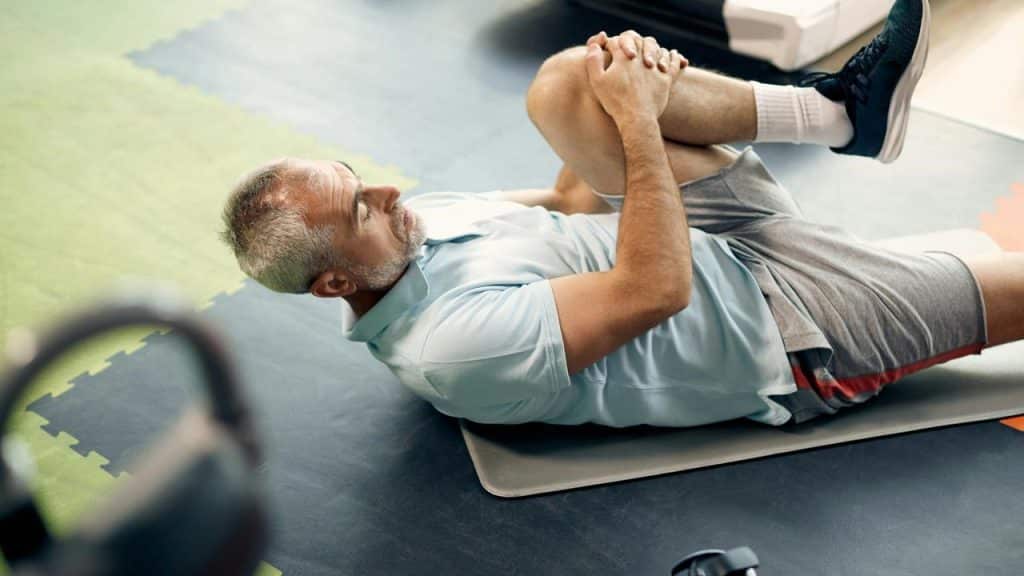
Getting older isn’t some slow fade into the background. It can actually be a pretty strong, confident stroll into a new era, wrinkles and all. You’ve got real say in how you age, and while it might take a bit more effort now than it did in your 30s, the payoff is a lot better than pretending that extra back crack was “just the chair.”
Here are 18 things doctors often recommend that can keep you sharp, steady, and still swinging a hammer or throwing down at poker night.
1. Move your body every single day

Doctors always circle back to physical activity because it’s one of the simplest ways to keep everything from your heart to your knees functioning like it should. Walking counts. Stretching counts. Even chasing the dog when it escapes counts.
You don’t need to bench press a Buick. Just keep your body in motion daily so your muscles don’t start whispering, “We don’t work here anymore.” Some days might feel slow, sure, but showing up matters more than hitting some imaginary performance goal.
2. Lift something heavier than a sandwich
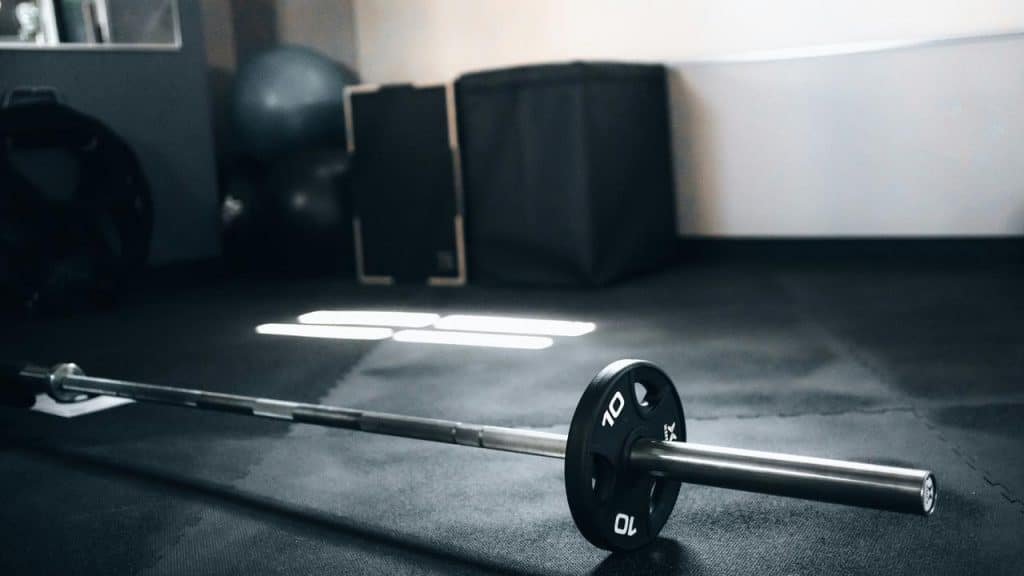
Muscle mass naturally decreases with age, and that’s not a scare tactic. It’s just biology. Strength training, even just twice a week, helps preserve that muscle and keeps bones from giving up on you.
Don’t overthink it. Lifting dumbbells, using resistance bands, or even squatting with groceries does the trick. Bonus: You’ll be the guy people still ask to help move a couch well into your sixties.
3. Eat real food (most of the time)
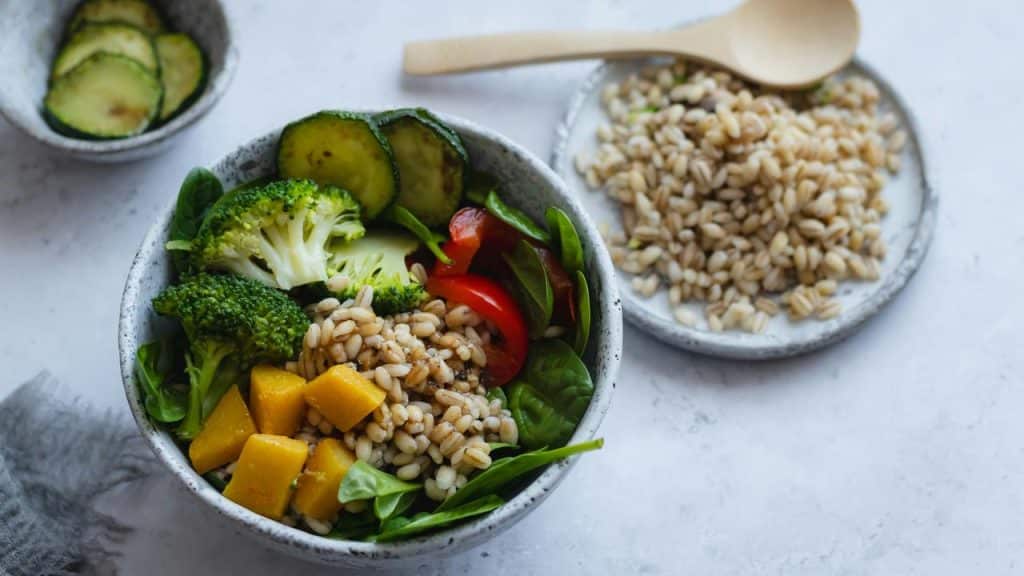
The advice hasn’t changed in decades because it works. Doctors still tell folks to eat more whole foods, stuff that grew, swam, or walked at some point. Less processed junk, more veggies, lean proteins, healthy fats.
Does that mean no more burgers? Nope. Just means making better choices more often. A grilled chicken sandwich still hits the spot, especially when you didn’t grab it from a gas station.
4. Prioritize your sleep

There’s this weird badge of honor some guys wear about getting by on four hours of sleep. But by your 60s, that badge starts to look more like a warning sign. Sleep is repair time. It’s when your body files the paperwork from the day and gets ready for the next.
A solid seven to eight hours can help with everything from memory to metabolism. If you’re waking up more than your cat at night, it might be worth chatting with your doc about it.
5. Say no to sitting for too long

Long stretches in a chair aren’t doing your hips, back, or heart any favors. Even if you hit the gym, sitting for eight hours straight cancels out a chunk of that good effort.
Try standing during phone calls, pacing during commercials, or just getting up every 30 minutes to stretch or grab a glass of water. Small breaks make a big difference, and they keep your butt from turning into a pancake.
6. Keep up with your check-ups

Yeah, doctor visits can be awkward or straight-up annoying, but skipping them is like ignoring the check engine light. Things might seem fine until they’re not.
Blood pressure, cholesterol, prostate checks, it’s all part of the maintenance package now. Staying ahead of potential issues means fewer surprises down the road. And honestly, it’s nice hearing a doc say, “Everything looks great.”
7. Strengthen your relationships

Turns out, having good friends and strong family ties is just as important for your health as any green smoothie. Doctors have been pointing this out more lately. Connection beats isolation.
Even if you’re more introverted or busy, investing in a couple solid relationships can lower stress, improve mood, and make life more enjoyable. Grab coffee with your buddy, text your brother back, call your kid just to talk. It all counts.
8. Stretch more than just when you yawn

You don’t need to touch your toes like a gymnast, but regular stretching keeps your muscles flexible and your joints from staging a rebellion. Flexibility helps you move better, feel less stiff, and dodge injuries.
Do a few simple stretches in the morning or after a walk. Your future self, the one getting up from a recliner without grunting, will be grateful.
9. Cut down the booze (a bit)

Nobody’s saying you need to go teetotaler. But doctors do raise an eyebrow when “a glass of wine” turns into “a bottle of whatever’s open.” Alcohol messes with sleep, liver function, and decision-making. Not ideal as you get older.
Try spacing out drinks, switching to lower-alcohol options, or having a few dry days a week. You’ll probably sleep better and feel sharper. Plus, hangovers are just cruel past 50.
10. Keep your brain entertained

Mental fitness gets less attention than physical fitness, but it’s just as vital.
Read books. Pick up a hobby. Try stuff that challenges your thinking a little. Your brain likes having to figure things out. Keeps it fresh. Like mental pushups, but less sweaty.
11. Stay curious about your health

A lot of folks assume they know their bodies well enough by now, but doctors love patients who ask questions. Being curious about how your meds work, why you’re feeling off, or what that weird elbow pain is, that helps you stay ahead.
Instead of brushing things off, pay attention. Be more aware of how your body is feeling, and make a conscious effort to address anything that requires your attention.
12. Drink water even when you’re not thirsty
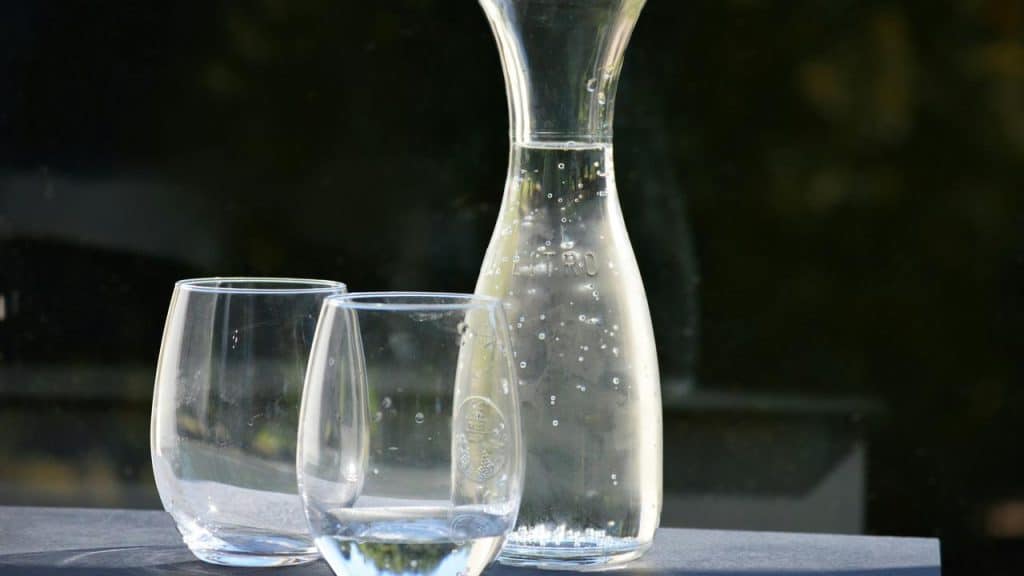
Hydration gets less obvious with age. Some people just forget to drink until they feel like a dried-out sponge. Doctors suggest sipping water throughout the day even if you don’t feel parched.
Carry a bottle, set reminders, do whatever helps. Your skin, digestion, joints, and energy all benefit from it.
13. Laugh more often

Believe it or not, laughter has legit health perks. It eases tension, supports heart health, and helps with pain tolerance. Doctors say it’s like mini cardio for your brain and lungs.
Watch a dumb movie, send that ridiculous meme, tell a bad dad joke, whatever gets you chuckling. It’s better than stewing in stress, and it keeps life from feeling too dang serious.
14. Protect your hearing (yes, really)

That rock concert in your 20s might’ve been worth it, but if you’re still blasting music or ignoring hearing changes, it’s time to rethink things. Hearing loss can sneak up and mess with more than just conversations. It can also affect your balance and mental sharpness, so tone it down a bit.
If people keep telling you the TV’s too loud, maybe it’s time to get things checked. Doctors say early protection is key.
15. Cut the stress before it builds up

Prolonged stress wears your body down in sneaky ways, like raising blood pressure, messing with sleep, tanking energy.
Find outlets that help you decompress. That might be walks, fishing, writing stuff down, or just zoning out with music. Just find something that tells your brain, “We’re good.”
16. Don’t ignore foot pain

Yeah, feet aren’t glamorous, but they carry the whole operation. Doctors always say foot problems are often the start of mobility issues. Bunions, plantar fasciitis, or just sore arches? Worth checking in on.
Supportive shoes and simple stretches can fix a lot more than you’d think. Also, you’re never too old to appreciate a solid foot massage.
17. Practice balance (literally)

Accidental falls are a big deal as you get older, and a lot of them are avoidable with better balance. The cool part? You can improve balance with super simple exercises like standing on one leg or walking heel to toe.
Incorporate a little balance work into your week. You’ll feel steadier, more confident, and far less likely to do the whole “I fell, but I’m fine” routine.
18. Remember that aging isn’t a countdown

Doctors remind patients all the time that aging isn’t a decline. It’s a transition. A good one, if you’re intentional about it. Being strong in your 60s isn’t about holding on to your youth. It’s about leaning into the stuff that keeps you feeling alive.
Sure, things change. But when you stay active, eat well, stay connected, and laugh a little, your 60s can feel different.








Ask Me Anything