
A troubling pattern exists in many relationships: impeccable behavior in public paired with terrible behavior at home. Coworkers, friends, even strangers receive patience, courtesy, and pleasant demeanor while the spouse receives irritability, rudeness, and worst self. This inversion creates a painful reality where the person who committed their life gets treated worse than casual acquaintances. The rationalization, “home is where you can be yourself”, excuses behavior that would be unacceptable anywhere else. These seventeen home behavior problems reveal when a spouse becomes the recipient of worst behavior while the rest of the world gets the best.
Using “Please” and “Thank You” With Everyone But Her

Basic courtesy extended to coworkers, service workers, and strangers disappears at home. Requests to spouse come as commands; contributions go unacknowledged. This manners gap shows that politeness is reserved for people who matter less. If the barista gets “please” and “thank you” while the wife gets orders and silence, the hierarchy is backwards. Basic courtesy should be extended most consistently to those closest, not least.
Being Patient With Strangers But Short With Her

Endless patience for customer service issues, work delays, or minor inconveniences from others contrasts with immediate irritation at a spouse. This patience disparity reveals who actually inspires effort at self-regulation. If strangers’ mistakes meet understanding while hers meet annoyance, priorities are inverted. The person deserving most patience receives least. This pattern communicates that strangers’ feelings matter more than their spouse’s.
Apologizing to Others But Never to Her

Genuine apologies for minor transgressions with coworkers, friends, or acquaintances happen readily while apologizing to a spouse is rare or impossible. This apology gap shows who actually receives accountability. If “sorry” comes easily for others but not for her, she’s not receiving basic respect. The unwillingness to apologize at home while apologizing elsewhere reveals who is valued.
Holding Doors and Offering Help to Strangers But Not Her

Physical courtesy, holding doors, carrying items, offering assistance, happens automatically for strangers but stops at home. This chivalry disappears when it should be most consistent. If strangers receive considerate gestures while the spouse gets none, the courtesy is performance not character. Small acts of consideration should be most natural with the closest person, not least.
Controlling Temper at Work But Exploding at Home

Professional settings demand emotional regulation, no yelling, no visible anger, controlled responses even under stress. That same person explodes over minor issues at home. This control disparity proves regulation ability exists but isn’t extended to spouses. If the boss gets composure while the wife gets angry, the priorities are wrong. The capacity for emotional control exists; application is selective.
Being Pleasant All Day Then Miserable the Moment You Walk In

Cheerful interactions with coworkers, friendly exchanges throughout the day disappear upon arriving home. The personality switch happens at the threshold. If a positive mood evaporates when seeing family, home has become a burden rather than a sanctuary. The person who was pleasant all day saves misery for the spouse. This pattern makes home the dumping ground for negativity.
Sulking and Pouting at Home But Never in Public

Emotional displays, sulking, silent treatment, visible displeasure, happen only at home. Public settings require maturity that disappears privately. If childish emotional displays are home-exclusive, she receives treatment others don’t see. The selective emotional immaturity shows capacity for regulation when social consequences exist. Spouses deserve that same regulated behavior.
Taking Out Work Stress on Her Instead of Processing It

Bad days, work frustrations, and external stressors get dumped on spouses through irritability, withdrawal, or hostility. This displacement makes her absorb stress she didn’t create. If work problems consistently result in home misery, she’s being used as an emotional dumping ground. The inability to process stress independently makes her pay for others’ actions.
Being Fully Present With Others But Checked Out at Home

Engaged conversation, eye contact, active listening happen with friends and coworkers. At home, phone scrolling and mental absence dominate. This attention disparity shows where focus actually goes. If others receive genuine presence while the spouse gets distracted half-attention, priorities are clear. The person who should receive the most attention gets the least.
Making Effort for Others While Giving Her Leftovers

Energy for social events, work obligations, hobbies, and friends is abundant. Energy for spouse or family time is mysteriously absent. This allocation shows that effort exists but gets distributed elsewhere. If others get the best energy while she gets exhausted, she’s last priority. The person sharing life should receive prime energy, not scraps.
Remembering Details About Others’ Lives But Forgetting Hers

Coworkers’ stories, friends’ situations, even acquaintances’ details get remembered while the spouse’s important information gets forgotten. This memory discrepancy reveals where attention flows. If others’ lives receive mental space while hers doesn’t, she’s not actually on mental radar. Remembering demonstrates that someone matters enough to occupy thought space.
Being Helpful and Accommodating to Others But Difficult at Home

Flexibility, helpfulness, and accommodation extended readily to others disappears at home. Requests for adjustments or help meet resistance. If others’ needs inspire immediate accommodation while hers meet obstacles, double standards are glaring. The willingness to be helpful exists but isn’t extended to the person it should serve most.
Using Respectful Language With Others But Harsh Tone at Home

Measured, respectful communication in professional and social contexts contrasts with harsh, dismissive tone at home. This linguistic shift reveals selective respect. If coworkers hear professional courtesy while spouse hears contempt, tone is weaponized. The ability to communicate respectfully exists but gets withheld from the person deserving it most.
Listening Actively to Others But Interrupting Her Constantly

Full attention and active listening for colleagues, friends, or even strangers contrasts with constant interruption of spouse. This listening gap shows whose words actually matter. If others finish sentences while she gets cut off, her voice is devalued. The capacity to listen exists but doesn’t extend to the person supposedly most important.
Being Complimentary to Others While Critical of Her
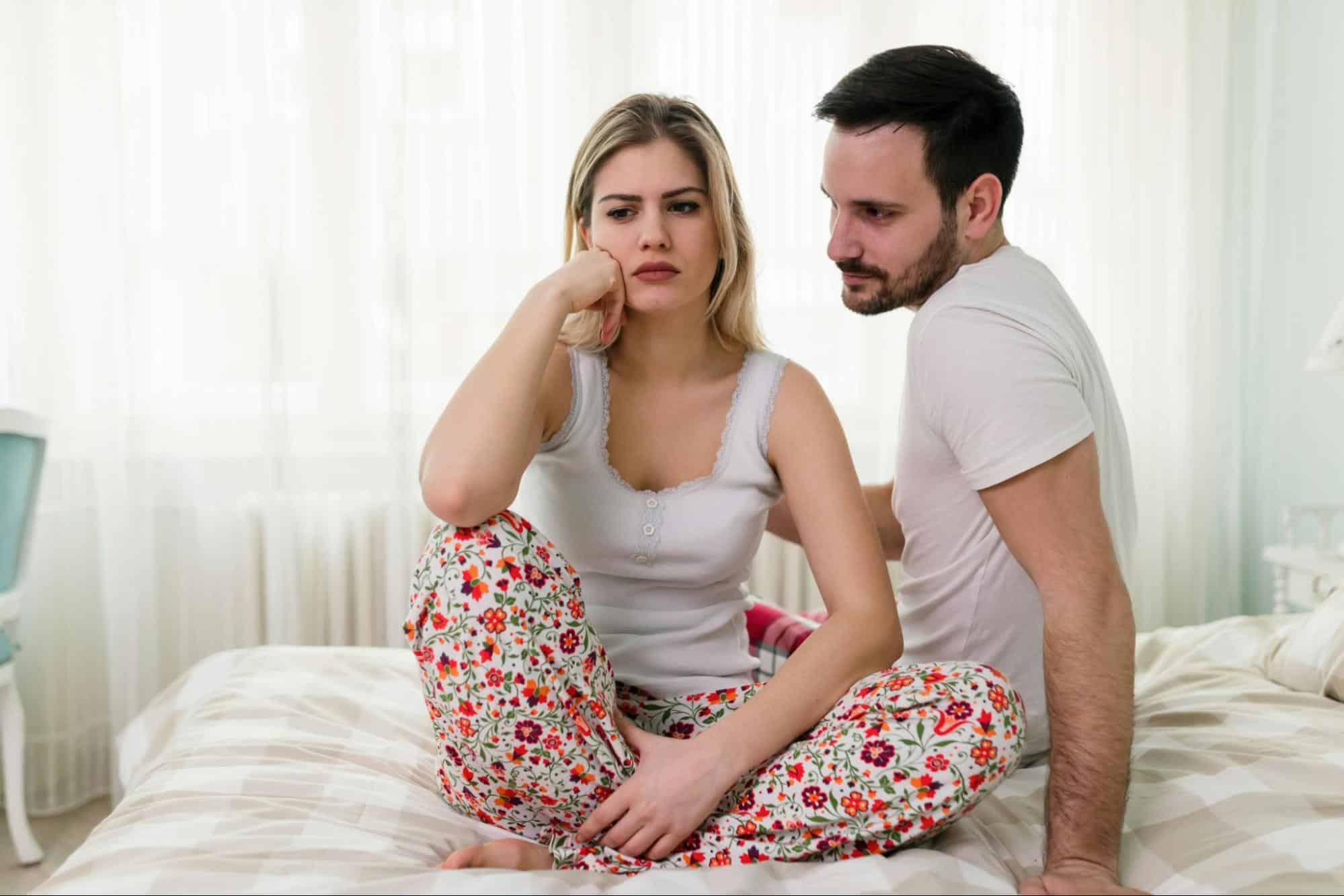
Compliments, positive feedback, and encouragement flow to coworkers and friends. At home, criticism and negative feedback dominate. This positivity gap creates an environment where others hear praise while spouse hears complaints. If kind words are easy for others but impossible for her, the imbalance is devastating. Positive reinforcement should be most abundant for the closest person.
Laughing at Others’ Jokes But Not Hers

Humor from colleagues and friends gets genuine laughter and engagement. Her humor meets blank stares or dismissal. This response gap shows whose entertainment value is recognized. If others’ jokes inspire laughter while hers inspire nothing, connection is broken. Sharing humor is an intimacy indicator; refusing it creates distance.
Accepting Others’ Flaws While Criticizing Her Endlessly

Coworkers’ mistakes, friends’ shortcomings, even strangers’ errors meet understanding and acceptance. Her imperfections receive constant criticism and correction. This tolerance gap reveals whose humanity is recognized. If others’ flaws are acceptable while hers are problems requiring fixing, standards are impossibly unequal. The person closest should receive the most grace, not least.
Being Flexible With Others But Rigid at Home

Accommodating others’ schedules, preferences, and needs happens easily. At home, inflexibility dominates. This adaptability gap shows where compromise willingness actually exists. If others’ needs inspire flexibility while hers meet rigidity, she’s not actually a partner. The capacity for flexibility exists but gets selectively deployed.
Forgiving Others Quickly While Holding Grudges Against Her

Transgressions from others get quickly forgiven and forgotten. Her mistakes become permanent records referenced repeatedly. This forgiveness gap creates a dynamic where she can never fully recover from errors while others get clean slates. If others receive grace while she receives permanent accountability, the relationship operates under an unfair system.
Expecting Her to Tolerate What You Won’t Accept From Others
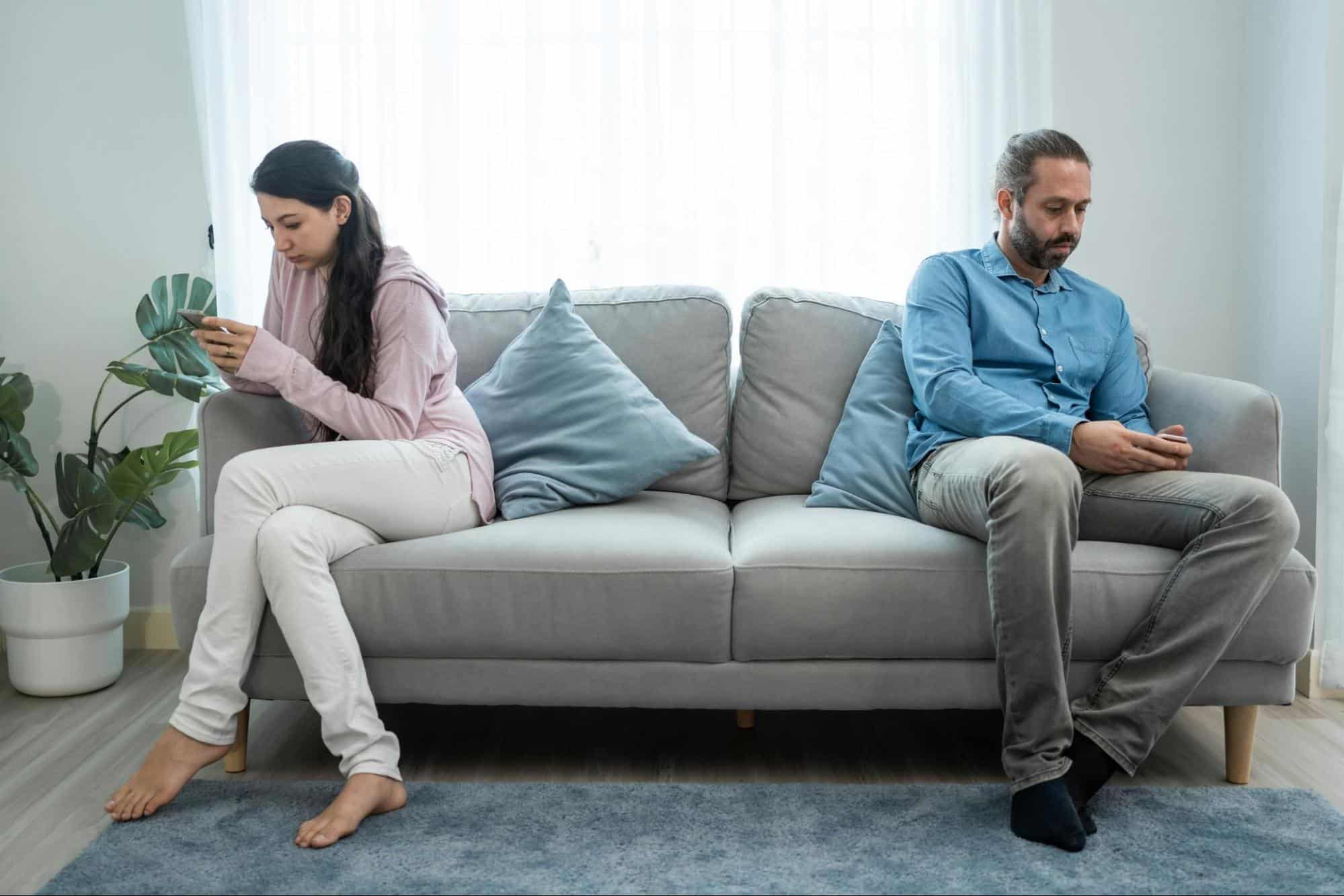
Behavior, treatment, or circumstances that would be unacceptable from others gets expected from the spouse. The double standard assumes she should tolerate what no one else would accept. If treatment of her wouldn’t be acceptable if directed at others, standards are inverted. She deserves at minimum the same treatment strangers receive.
The Person Who Committed to Life Deserves Best, Not Worst

These twenty patterns reveal cruel irony: the person who chose to share life receives worse treatment than strangers encountered briefly. This inversion creates profound pain, being treated worse than people who matter infinitely less. The rationalization that “home is where you can be yourself” only works if “yourself” is someone worth being around. If the real self is irritable, rude, and inconsiderate, that self needs improvement, not acceptance. The truth is that emotional regulation, courtesy, patience, and effort exist, they’re demonstrated daily with others. The choice to withhold these from a spouse is exactly that: a choice. If a spouse receives the worst behavior while the world receives best, priorities are devastatingly backwards. The person who committed their life, built home with you, and stands beside you deserves at minimum the courtesy extended to baristas and coworkers. Ideally, they deserve even more. If multiple patterns resonate, serious examination of why home became a dumping ground for worst behavior is necessary.








Ask Me Anything