
Divorce rarely arrives as a single dramatic moment. More often, it’s the slow accumulation of small disappointments, unmet expectations, and uncomfortable truths that finally become impossible to ignore. For many women, the end of a marriage doesn’t just mean losing a relationship—it forces them to reevaluate years of decisions, sacrifices, and assumptions about love.
Looking back, divorced women often say the hardest part wasn’t the paperwork or the separation itself. It was the clarity that came afterward. Distance has a way of turning confusing moments into obvious patterns and overlooked red flags into glaring warnings. Things that once felt normal suddenly look very different in hindsight.
The painful realizations that surface after divorce can be uncomfortable, but they’re also powerful teachers. They reveal what went wrong, what should have been addressed earlier, and what truly matters in a healthy partnership. For many women, these insights become the foundation for stronger boundaries, wiser choices, and a clearer sense of self moving forward.
Here are 18 painful realizations many divorced women say they wish they had understood much earlier.
Love Alone Doesn’t Fix Fundamental Problems

Many women enter marriage believing that love will eventually smooth out the rough edges of a relationship. If two people care enough about each other, the thinking goes, they’ll find a way to work through anything. After divorce, many realize that love by itself isn’t a repair tool—it’s just the emotional glue holding things together while deeper issues quietly grow. Differences in values, communication styles, finances, or life goals don’t magically disappear because people care about each other. If anything, those gaps often widen over time. The practical lesson many women take away is this: when serious incompatibilities show up early, address them directly rather than assuming affection will carry the relationship indefinitely.
Small Problems Rarely Stay Small

In the early years of marriage, many couples brush aside minor frustrations. A partner who avoids difficult conversations, forgets responsibilities, or shuts down emotionally might seem like a manageable annoyance. But divorced women often say those “little things” were actually early signals of bigger patterns. Over years, unresolved issues compound like interest. A small communication gap can eventually turn into total emotional distance. Looking back, many women realize that the healthiest relationships deal with friction early and honestly. When something bothers you consistently, it deserves a conversation—not quiet tolerance.
You Can’t Change Someone Who Doesn’t Want to Change

One of the most painful realizations after divorce is understanding how much energy was spent trying to improve someone else. Many women enter marriage believing patience, encouragement, or loyalty will inspire their partner to grow. But personal change only happens when someone genuinely wants it. No amount of reminders, sacrifices, or emotional investment can force that transformation. After divorce, many women admit they spent years trying to fix behaviors that their partner never saw as a problem. The lesson they carry forward is simple but powerful: choose partners based on who they are now, not who you hope they might eventually become.
Avoiding Conflict Can Slowly Kill a Marriage

Some couples rarely fight, which can look like a sign of harmony from the outside. But many divorced women say their marriages suffered precisely because disagreements were avoided rather than resolved. Suppressing frustration may keep the peace temporarily, but unspoken resentment tends to build quietly beneath the surface. Over time, emotional distance grows because difficult conversations never happen. Healthy couples argue sometimes—but they argue productively, with the goal of understanding each other better. The painful realization many women describe is that silence isn’t always peace; sometimes it’s simply unresolved tension waiting to explode later.
Emotional Loneliness Inside Marriage Hurts the Most
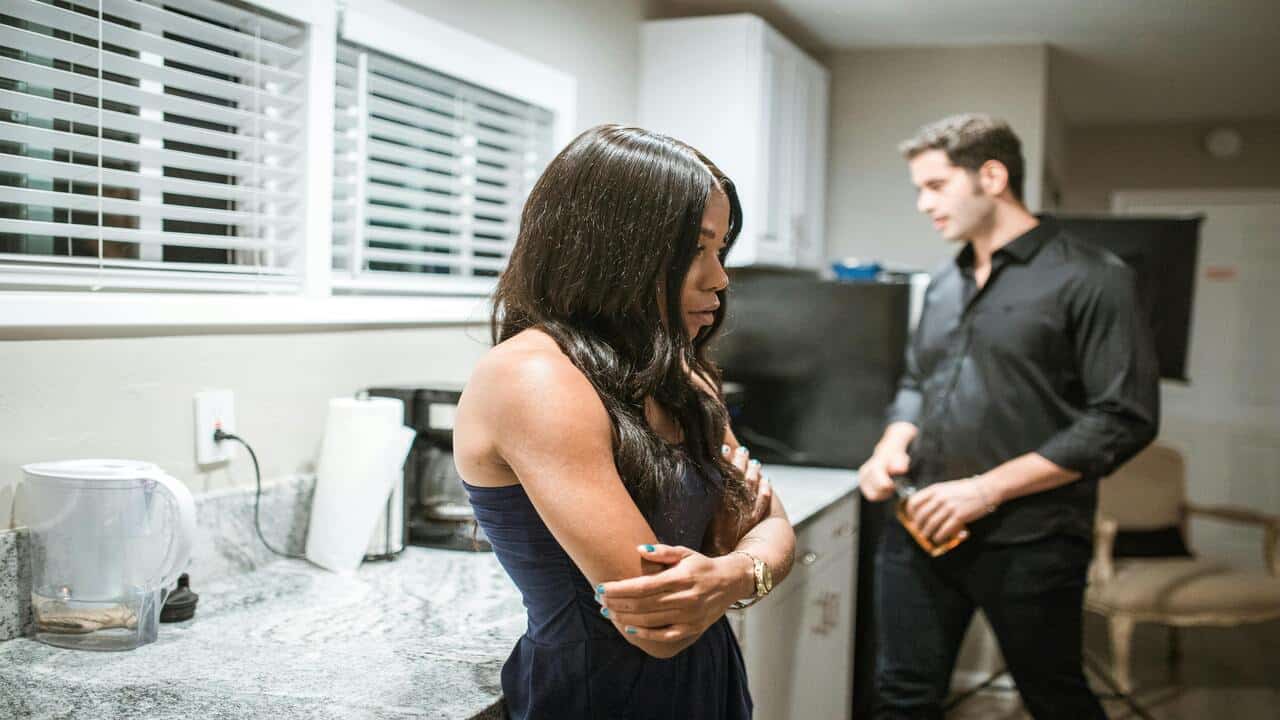
Being single and lonely is difficult, but many divorced women say nothing compares to feeling lonely while sharing a home with someone. Emotional disconnection often develops slowly: fewer meaningful conversations, less curiosity about each other’s lives, and long stretches where partners coexist more like roommates than companions. Over time, that quiet loneliness becomes exhausting. Many women only fully recognize it once they’re outside the marriage and notice how different life feels without the constant emotional distance. The takeaway they emphasize is that emotional presence—not just physical proximity—is what truly sustains a relationship.
Ignoring Red Flags Early On Has Consequences Later

In hindsight, many divorced women can point to moments early in the relationship that hinted at future problems. Maybe it was dismissive communication, poor money habits, controlling tendencies, or an unwillingness to compromise. At the time, these behaviors were often rationalized away in the name of love or optimism. But red flags rarely disappear—they tend to become more pronounced with time. One of the toughest realizations is recognizing that the signs were there all along. Many women now advise others to take early concerns seriously rather than assuming they’ll fade once the relationship becomes more stable.
A Good Marriage Requires Two Active Participants

A relationship can’t thrive if only one person is consistently putting in the effort. Many divorced women say they eventually found themselves carrying the emotional workload of the marriage—initiating conversations, trying to fix problems, and maintaining the connection. Over time, that imbalance becomes exhausting and unsustainable. Marriage works best when both partners actively nurture it through attention, effort, and accountability. One person cannot single-handedly maintain intimacy, trust, and communication. Realizing this after divorce often helps women recognize that healthy relationships feel more like teamwork than constant emotional labor.
Losing Yourself Happens Gradually

Many women don’t realize how much of themselves they’ve set aside until after the marriage ends. Careers may have been paused, hobbies abandoned, friendships neglected, or personal dreams quietly shelved in the name of maintaining the relationship. None of these changes happen overnight—they accumulate slowly as compromises pile up. After divorce, rediscovering those parts of themselves can be both exciting and bittersweet. The lesson many women carry forward is that a strong partnership should expand your life, not shrink it. Protecting your identity is essential, even in a committed marriage.
Financial Independence Matters More Than You Think

Divorce often exposes how vulnerable someone can feel when they rely heavily on a spouse for financial stability. Many women say they underestimated how empowering financial independence truly is until they had to rebuild their lives afterward. Managing money, understanding investments, and maintaining personal savings provide more than security—they create freedom and confidence. The painful realization for many is that depending entirely on a partner financially can limit choices during difficult times. Going forward, many prioritize maintaining financial literacy and independence regardless of relationship status.
Communication Problems Rarely Improve Without Effort

Some couples assume communication will naturally improve over time as they grow more comfortable with each other. But divorced women often say the opposite happened. Without intentional effort, poor communication patterns tend to deepen rather than disappear. Passive-aggressive comments, emotional withdrawal, or defensive arguments become habits that shape the entire relationship. The insight many women share afterward is that communication is a skill that requires constant attention. Couples who actively learn how to listen, express needs, and resolve disagreements are far more likely to sustain long-term connection.
Resentment Is One of the Most Dangerous Emotions in Marriage

Resentment rarely appears suddenly. It grows slowly when sacrifices feel unnoticed, boundaries go ignored, or responsibilities feel uneven. Over time, those unresolved feelings can transform everyday interactions into subtle battles of frustration. Many divorced women say resentment was the silent force that eroded affection long before the marriage officially ended. Once it becomes deeply rooted, rebuilding warmth and trust becomes extremely difficult. The key lesson many carry forward is to address imbalances early, before they evolve into lingering bitterness that poisons the entire relationship.
Staying “For the Kids” Often Creates More Harm
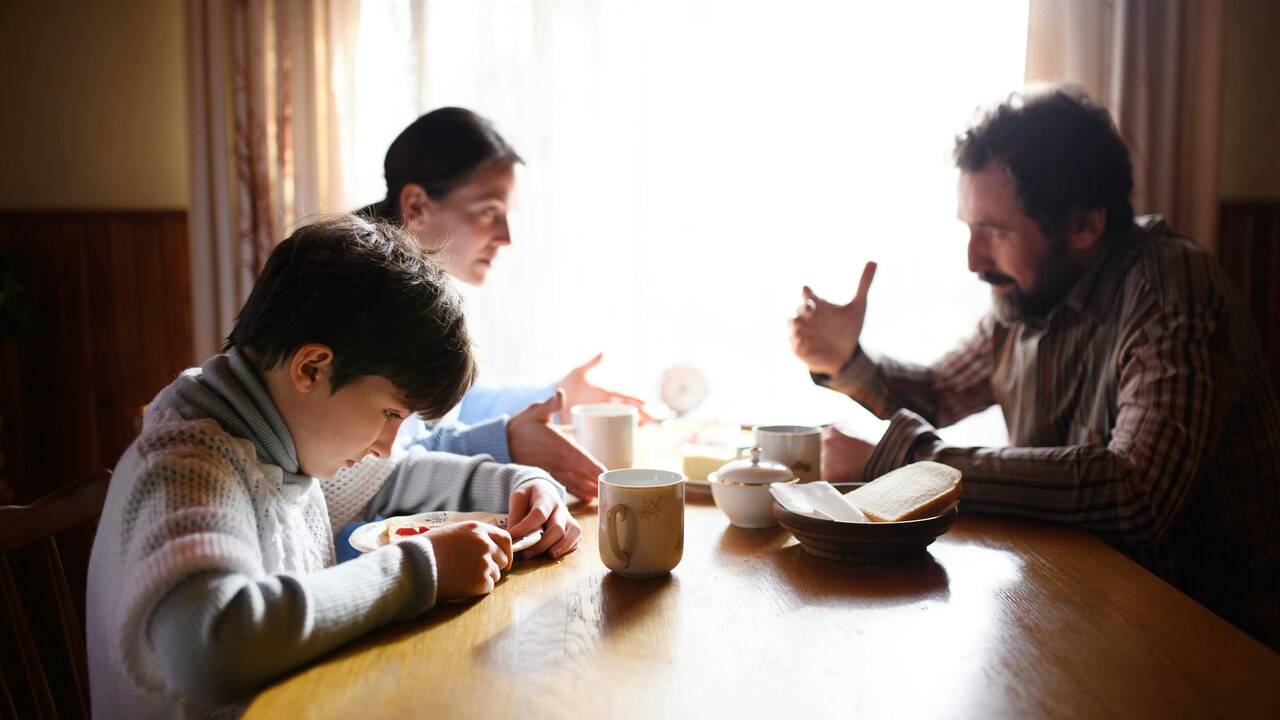
Many women delay divorce because they believe remaining in the marriage will provide stability for their children. While the intention is understandable, some later realize that children are incredibly perceptive. They often sense tension, emotional distance, or frequent conflict long before adults acknowledge it openly. Growing up in an unhappy household can sometimes normalize unhealthy relationship dynamics. After divorce, many women say their children actually benefited from seeing a parent pursue a healthier life. The difficult realization is that modeling self-respect and emotional well-being can be more valuable than maintaining appearances.
Your Gut Feelings Are Usually Right

Looking back, many divorced women remember moments when something felt “off,” even if they couldn’t fully explain why. Maybe it was a nagging doubt about trust, compatibility, or long-term happiness. At the time, those instincts were often dismissed as overthinking or temporary stress. But intuition tends to notice patterns before logic catches up. One of the most common reflections after divorce is wishing they had trusted those inner signals earlier. While intuition isn’t perfect, it often highlights discomfort that deserves closer attention rather than immediate dismissal.
Marriage Doesn’t Automatically Create Emotional Maturity

Many people assume marriage itself encourages people to grow up and become more responsible partners. Unfortunately, commitment alone doesn’t guarantee emotional maturity. Some individuals remain resistant to accountability, empathy, or self-reflection regardless of relationship status. Divorced women often realize they expected the structure of marriage to inspire personal growth in their partner. Instead, underlying habits remained unchanged. The takeaway many share is that emotional maturity should already be present before marriage, not something you hope the relationship will eventually produce.
People Sometimes Grow in Different Directions

Even when a relationship begins with genuine love and shared goals, people evolve. Careers change, personal interests shift, and priorities develop in unexpected ways. In some marriages, partners grow together through those changes. In others, they gradually move in different directions without realizing how far apart they’ve drifted. Many divorced women say the most painful part wasn’t conflict but the slow recognition that they were no longer aligned. The lesson many carry forward is the importance of regularly checking in with each other about goals, values, and future plans.
Independence After Divorce Can Be Surprisingly Liberating

Despite the grief that often accompanies divorce, many women describe an unexpected sense of relief once the transition period passes. Making decisions independently, designing a personal routine, and rediscovering interests can create a renewed sense of freedom. This doesn’t erase the pain of the marriage ending, but it highlights how restrictive an unhappy partnership can feel. The realization is bittersweet: life outside the marriage may feel lighter than life within it did. For many women, that freedom becomes the starting point for rebuilding confidence and happiness.
Healing Takes Longer Than You Expect

Divorce is not just a legal process—it’s an emotional one that unfolds over months or even years. Many women initially expect to “move on” quickly once the separation is finalized, only to realize that grief, anger, and self-reflection take time to process. Healing involves untangling memories, redefining identity, and rebuilding trust in future relationships. The key insight many share is that recovery isn’t linear. Some days feel empowering, while others reopen old wounds. Patience and self-compassion often become essential parts of rebuilding a fulfilling life afterward.
Divorce Can Ultimately Lead to Personal Growth

Although divorce is painful, many women eventually recognize it as a turning point in their personal development. The experience forces deep reflection about boundaries, values, and the kind of partnership they truly want in the future. Lessons learned through hardship often create stronger emotional awareness and healthier expectations moving forward. Many divorced women say they entered their next chapter with clearer priorities and greater confidence in their own judgment. The painful realizations that followed divorce ultimately became the wisdom that helped them build a more authentic and fulfilling life.








Ask Me Anything