
After divorce, emotions can feel confusing. Some people say they miss their ex, but when they look closer, they miss the life that came with the relationship. They miss routines, stability, identity, and the feeling of being part of a shared world. This is why someone can feel lonely and nostalgic while still knowing the partner wasn’t right. Grief after divorce doesn’t always mean regret. It often means transition. A marriage builds a lifestyle, not just a romance. When that lifestyle disappears, the loss can feel sharp even if the relationship was unhealthy. These are the reasons some divorced people miss the life, not the partner.
They Miss the Daily Routine

Routine can be comforting even when love wasn’t perfect. Waking up next to someone, shared meals, and familiar rhythms create stability. After divorce, the quiet feels louder. People miss the predictability of “normal days.” It’s not always romance they miss, it’s structure. Structure reduces anxiety. Without it, life feels unsteady for a while. Many people miss routine because routine made them feel grounded. The partner may have been the wrong fit, but the rhythm felt safe.
They Miss Having a Built-In Companion

Even strained marriages provide companionship. Someone to talk to, run errands with, and share random moments. After divorce, small moments feel empty. They miss having “a person” for life’s little events. This is especially true when friends are busy or far away. It doesn’t mean they miss the partner’s character. It means they miss not doing everything alone. Companionship is a daily comfort people underestimate. Losing it creates loneliness quickly. That loneliness can be mistaken for missing the ex.
They Miss the Identity of Being Married

Marriage is an identity, not just a relationship status. It shapes how people see themselves and how others treat them. After divorce, some feel like they lost a role. They miss being “a husband” or “a wife” even if the marriage was hard. The title provided social belonging. It also provided a sense of maturity and stability. Losing it can feel like being reset. That identity loss can feel like missing the partner. But it’s often missing the role. Roles can be comforting even when the relationship wasn’t.
They Miss the Shared Home Feeling

A shared home feels different from living alone. It has noise, movement, and a sense of life. Even if there were conflicts, the space felt occupied. After divorce, the home can feel too quiet. People miss shared chores, shared routines, and shared “we live here” energy. They may miss having someone to come home to. It’s not always about intimacy. It’s about belonging to a shared space. A home can feel emotionally empty after divorce. That emptiness can be misread as missing the partner.
They Miss the Social Structure

Marriage often comes with shared friends, family events, and couple routines. Holidays, birthdays, and gatherings become part of a system. After divorce, that system changes. People may feel like they lost community. They miss being included automatically. They miss being invited as a unit. Social structure creates stability. Without it, weekends and holidays can feel lonely. This can make people nostalgic about married life. The partner might not be missed, but the social belonging is.
They Miss Financial Stability or the Shared Resource Pool

Even if love was lacking, shared resources can make life easier. Two incomes, shared bills, and shared planning reduce pressure. After divorce, reality can become financially heavier. People miss the practicality of a two-person system. This doesn’t mean they miss the partner emotionally. It means they miss the ease. Financial stress can make the past look better. It can also create regret feelings that are really stress. Stability is attractive when it’s gone. Money isn’t love, but it affects daily comfort.
They Miss the “Family Unit” Feeling
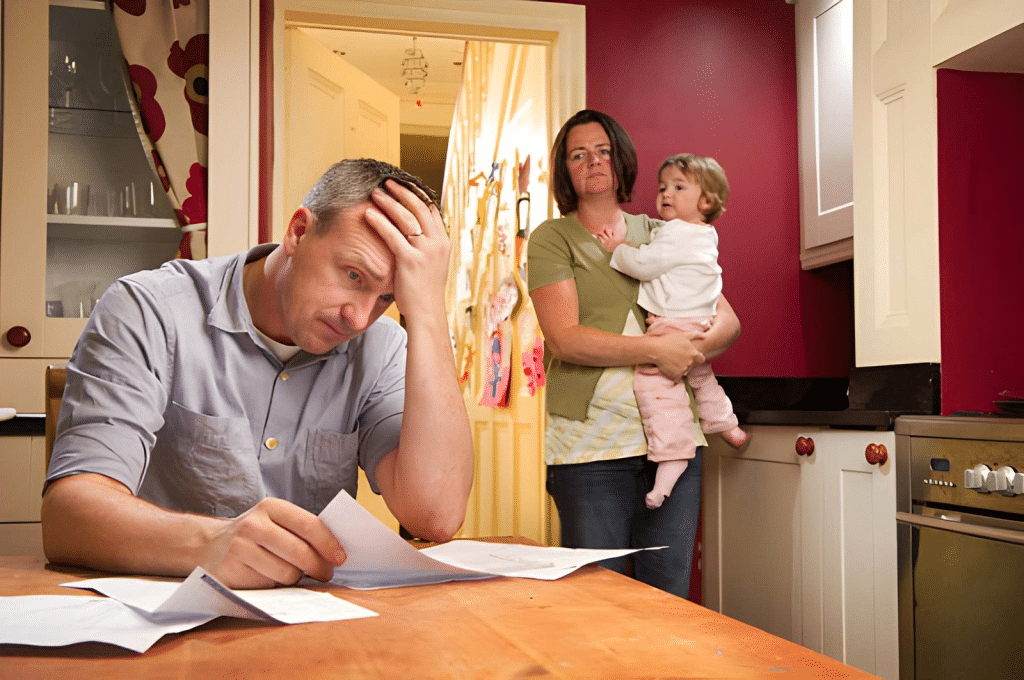
Even without kids, a marriage can feel like a unit. With kids, the unit feeling is even stronger. People miss being part of a household team. After divorce, the split life can feel fragmented. They miss shared parenting moments and shared responsibility. They may miss family traditions and shared routines. The partner might have been difficult, but the family identity felt meaningful. Losing the unit can feel like losing purpose. That grief can be directed at the ex, even when it’s really about the unit.
They Miss the Predictability of Weekends and Holidays

Married life often creates patterns: Friday nights, Sunday mornings, holiday routines. After divorce, those times can feel empty or uncertain. People miss having a “default plan.” They miss not having to decide what to do alone. Holidays can feel especially hard because they highlight absence. Nostalgia spikes during predictable moments. It’s not always longing for the person. It’s longing for the structure. Structure made weekends feel full. Without it, the gap feels louder.
They Miss the Comfort of Being Known

Even in an imperfect marriage, the partner knew their history. There’s comfort in not having to explain yourself. After divorce, starting over with new people feels tiring. They miss being understood without words. That doesn’t mean the partner treated them well. It means familiarity feels safe. People often confuse familiarity with love. Familiarity is soothing because it reduces effort. Losing that can feel like losing a lifeline. It’s really losing a shared history.
They Miss the Convenience of Shared Labor

Two people can divide tasks and responsibilities. Even if it wasn’t perfectly fair, life was structured around teamwork. After divorce, everything falls on one person. Cooking, cleaning, errands, appointments, it all becomes personal responsibility. People miss the ease of shared labor. They miss having someone to tag in when life got heavy. This doesn’t always mean they miss the partner’s personality. It means they miss not doing everything alone. Practical loneliness is real. It can create emotional nostalgia.
They Miss the Version of Themselves They Were Back Then

This is a big one. People miss who they used to be during early marriage: younger, hopeful, more energized. They miss the sense of possibility. The partner becomes a symbol of that era. Divorce forces them to confront aging, change, and lost time. They may say they miss the ex, but they’re grieving their own past. The life stage feels like it ended. They miss the identity of “the married version” of themselves. That’s grief, not romance.
They Miss the Feeling of Being Chosen

Even if the relationship was flawed, being chosen felt validating. Being someone’s spouse creates a sense of belonging and worth. After divorce, some people feel replaceable. They miss the security of being someone’s priority. This is especially true if dating feels hard afterward. They miss not having to compete for attention. The partner might not have been affectionate, but the commitment label still felt safe. Losing that label can feel like rejection. It’s a loss of status and security.
They Miss the Couple Privileges

Couple life comes with small privileges: automatic plus-one status, shared travel plans, shared routines, shared inside jokes. After divorce, those privileges disappear. People notice the difference at restaurants, events, and family gatherings. They miss being part of a duo. They miss the ease of being included. It doesn’t mean they miss the partner’s behavior. It means they miss the couple lifestyle. Being single after long partnership feels like losing a social shield. That loss can feel sharp.
They Miss the Emotional Familiarity, Even If It Wasn’t Healthy

Some people miss familiar patterns even when they were painful. Familiarity is a strong force. It feels like home because it’s known. After divorce, calm can feel strange. They miss the predictability of how conflict worked, how routine worked, how life flowed. That’s not love. That’s conditioning. The nervous system often prefers known pain to unknown peace. This is why some people romanticize unhealthy relationships after they end. They miss what was familiar, not what was good.
They Miss the Sense of Progress and Building
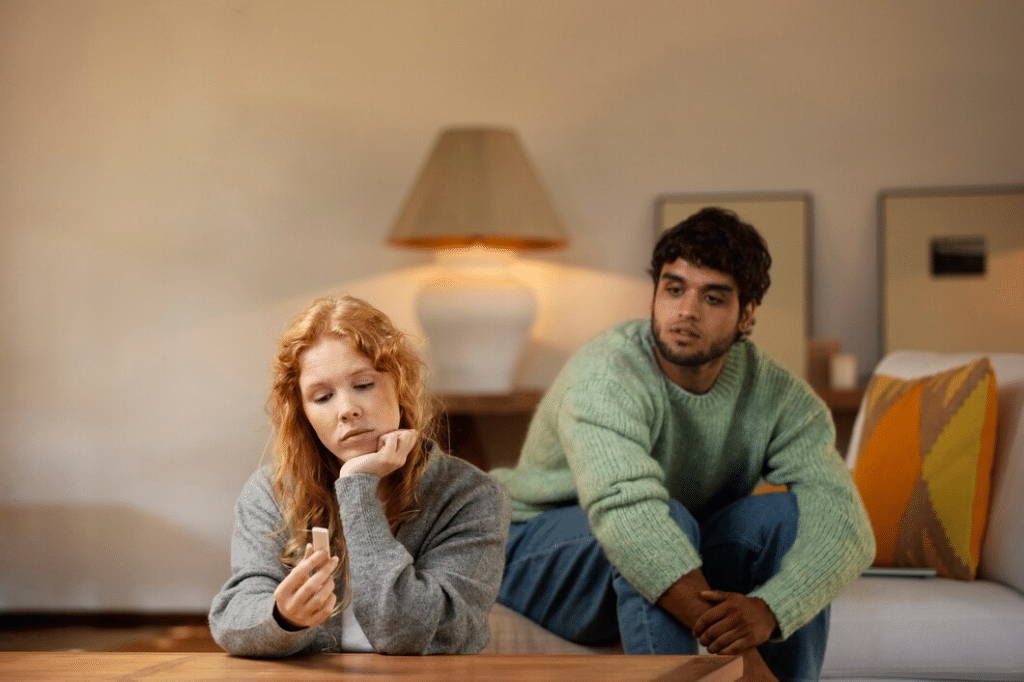
Marriage often feels like building a life. Even if it was hard, it felt like there was a shared direction. After divorce, life can feel like restarting. They miss the sense of “we’re building something.” They miss shared goals, even if goals weren’t fully met. Progress creates purpose. Without shared progress, life can feel flat. That flatness can be mistaken for missing the partner. It’s often missing the momentum. Momentum feels good.
They Miss the Safety of Predictable Intimacy

Even when intimacy wasn’t perfect, it was familiar. After divorce, physical and emotional intimacy can feel uncertain. Dating requires vulnerability again. People miss the stability of having a known partner. This doesn’t mean the intimacy was great. It means it was predictable. Predictability can feel safe. The loss of predictable closeness can create nostalgia. Nostalgia makes people forget the full picture. They miss the certainty more than the person.
They Miss Having Someone to Share Stress With

Life doesn’t stop after divorce. Work stress, family issues, and daily burdens still happen. People miss having a default person to share it with. Even if their ex wasn’t great at support, the idea of shared stress feels comforting. Alone stress feels heavier. This is why divorce can feel harder during crises. The absence becomes more obvious when life hits. They miss the concept of partnership. It’s not always about the specific partner. It’s about not having to carry everything alone.
They Miss the Hope They Used to Have

The early marriage hope can be intoxicating. It made life feel meaningful. After divorce, hope can feel damaged. They miss believing in the story. They miss the optimism they had when they thought it would work. The partner becomes associated with that hope. Missing hope can feel like missing the person. But it’s missing the dream. Dreams are hard to bury. Some people grieve the dream more than the reality. That grief can last longer than expected.
They Miss the Life Because the Life Was Real, Even If the Love Wasn’t

It’s possible to be relieved about divorce and still miss parts of married life. Missing the life doesn’t mean the divorce was wrong. It means the lifestyle had comforts that are gone now. Routine, identity, familiarity, and shared structure leave a real absence. The healthiest move is naming what’s actually missed so it can be rebuilt in healthier ways. Community can be rebuilt. Routine can be rebuilt. Purpose can be rebuilt. When the life is replaced with a better one, nostalgia loses power. Missing the life is normal. It’s just not the same as missing the partner.








Ask Me Anything