
Most men underestimate how dehydration quietly chips away at their daily performance. From work to workouts, even a slight drop in fluid levels can lead to noticeable slowdowns. You might not feel thirsty, but that doesn’t mean your body isn’t already lagging. This list explores ten overlooked ways dehydration can undermine energy, focus, and overall well-being. Staying hydrated isn’t just about water, it’s about staying sharp. Small lapses in hydration habits often go unnoticed but can stack up over time. Recognizing this early can lead to major improvements in performance.
Foggy Thinking You Can’t Explain

Dehydration doesn’t just dry you out, it clouds your thinking. Lack of fluids can reduce cognitive function, memory retention, and mental clarity. If your thoughts feel slow or scattered during meetings, hydration might be the missing piece. Your brain is mostly water, and when it’s running low, so does your focus. Even mild dehydration can impact concentration and decision-making. Mental fatigue may sneak up, especially in high-pressure situations. Hydrating consistently can help keep your mind clear and alert.
Energy Levels Take a Hit

Dragging through the day with low energy? Dehydration may be to blame. Without enough fluids, your body struggles to regulate temperature and deliver nutrients efficiently. This leads to fatigue and sluggishness, even if you’re getting enough sleep. Reaching for another coffee won’t help if you’re not drinking enough water. Dehydration stresses your organs, making everyday tasks feel like a grind. Hydrating properly restores energy balance and enhances stamina.
Weaker Workouts, Slower Recovery
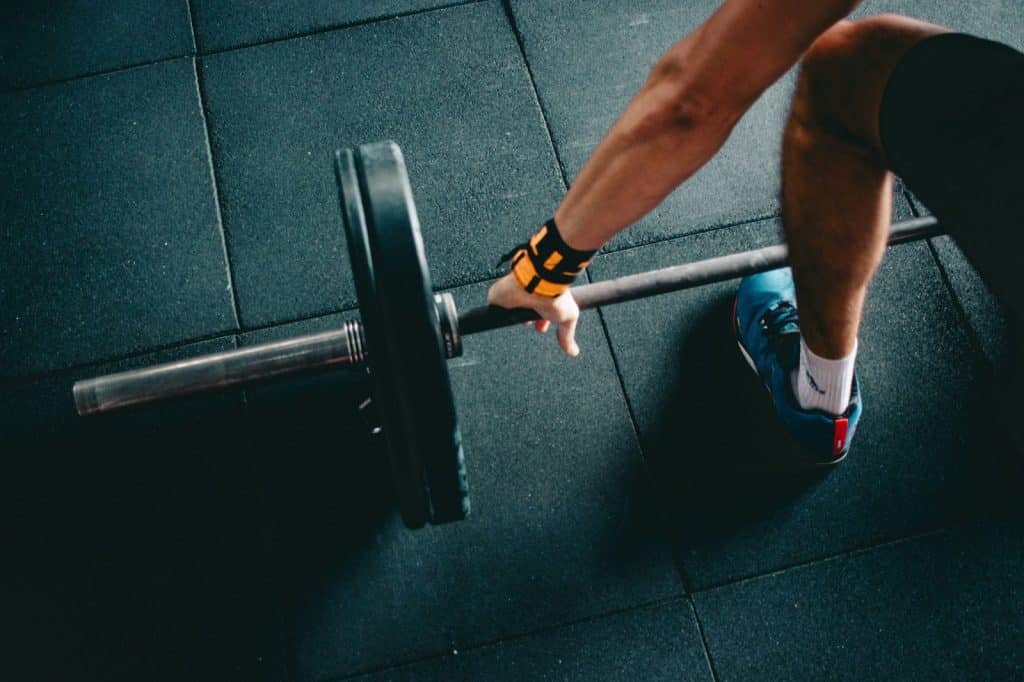
Muscles need hydration to perform and repair properly. Dehydrated muscles cramp more easily, fatigue faster, and recover more slowly. If your gym sessions feel off or you’re sorer than usual the next day, it’s worth checking your water intake. Performance isn’t just about reps, it’s about recovery too. Fluids help transport nutrients to muscles and remove waste products. Without them, strength and endurance suffer. Post-workout gains also decline when you’re running dry.
Reduced Sexual Performance

It might not be the first thing you think of, but dehydration can impact sexual health. Blood flow, stamina, and even desire are affected by fluid balance. A dehydrated body struggles with circulation, which is crucial for performance in the bedroom. Staying hydrated helps keep your energy and confidence up. Dehydration may also affect hormone production and arousal response. It can make stress and fatigue worse, which further impacts intimacy. Keeping hydrated supports physical and emotional connection.
Crankiness and Mood Swings

Mood changes aren’t always about stress or lack of sleep. Dehydration can increase irritability, anxiety, and even mild depression. When your body lacks water, cortisol (your stress hormone) can spike. This creates mood swings that feel unprovoked and hard to control. Over time, low hydration contributes to emotional instability. Even your sense of motivation may take a hit. Drinking enough water helps keep your mood even and reactions balanced.
Digestive Issues and Bloating

Water plays a huge role in digestion. Without enough of it, bowel movements slow down, leading to discomfort and bloating. Constipation is often an early warning sign of dehydration that goes ignored. For men focused on fitness or aesthetics, poor digestion can sabotage visible results. A sluggish gut also means nutrients aren’t absorbed efficiently. Staying hydrated supports regularity and gut health. This leads to better metabolism and overall comfort.
Dry Skin That Won’t Improve
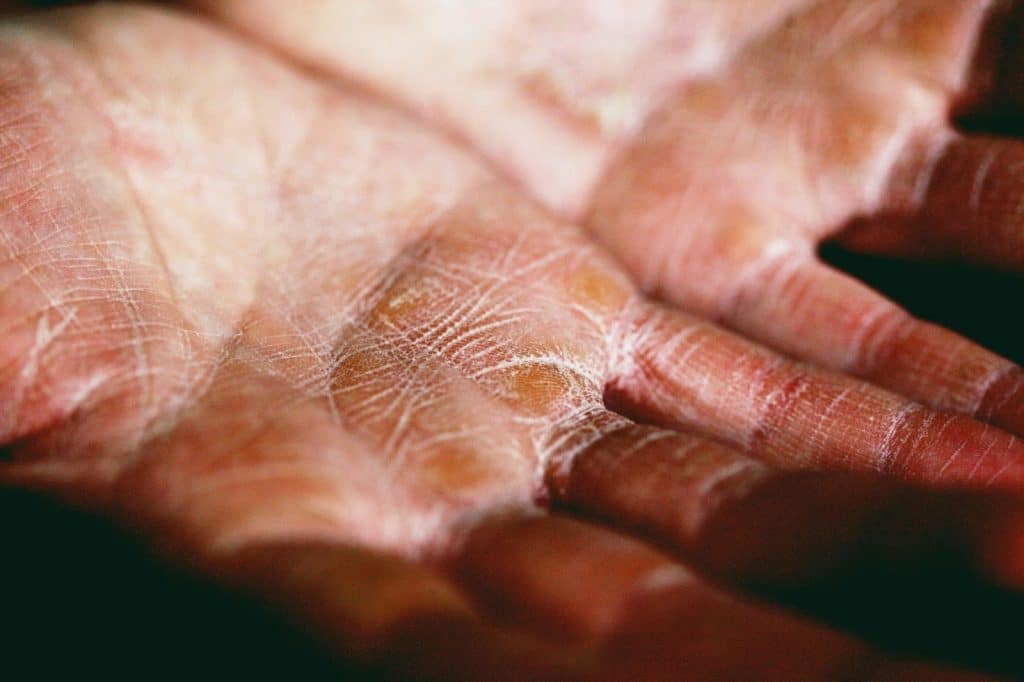
Using all the right skincare products but still dealing with dry, dull skin? Hydration could be the missing link. Water helps flush out toxins and maintain skin elasticity. Without it, your skin can’t repair or protect itself properly, no matter how expensive your routine is. Dehydrated skin also shows signs of premature aging. Flaking, irritation, and breakouts become more common. Hydrating from within gives your skin a natural, healthier glow.
Headaches That Sneak Up

Recurring headaches might not be a mystery or genetics, they could be from dehydration. Low fluid levels cause blood volume to drop, reducing oxygen to the brain. That pressure translates into pounding pain. If you’re popping painkillers regularly, try upping your water intake first. Dehydration headaches often begin subtly and build throughout the day. They’re easy to misread as screen fatigue or stress. Drinking water consistently may prevent them altogether.
Heart Working Harder
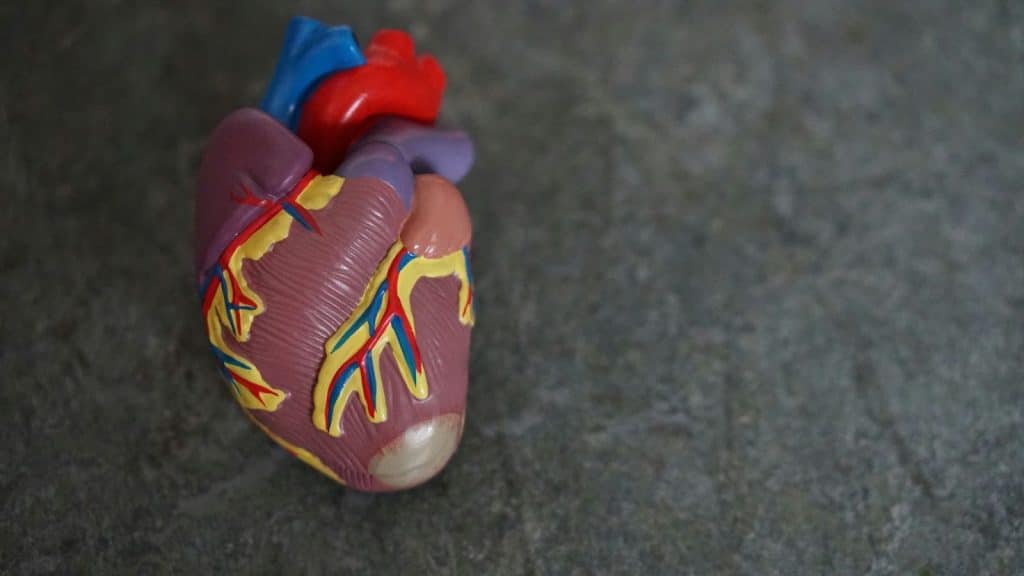
Even your heart feels the effects. Dehydration causes blood to thicken, making your heart work harder to pump it. This strains your cardiovascular system, especially during physical activity. Over time, this can lead to more serious issues, even if you look fit on the outside. A well-hydrated body maintains better blood pressure and circulation. This keeps your heart from overexerting itself. Long-term, this reduces your risk of heart problems.
Poor Immune Response

Hydration is key to moving nutrients and flushing out waste, two big parts of immune health. When you’re dehydrated, your body is less efficient at fighting off bugs and repairing damage. If you find yourself getting sick more often, consider if you’re drinking enough. Water supports the lymphatic system, which protects against illness. It also helps regulate body temperature during fevers. Staying hydrated can mean fewer colds and faster recoveries.
Bad Breath and Oral Health Decline
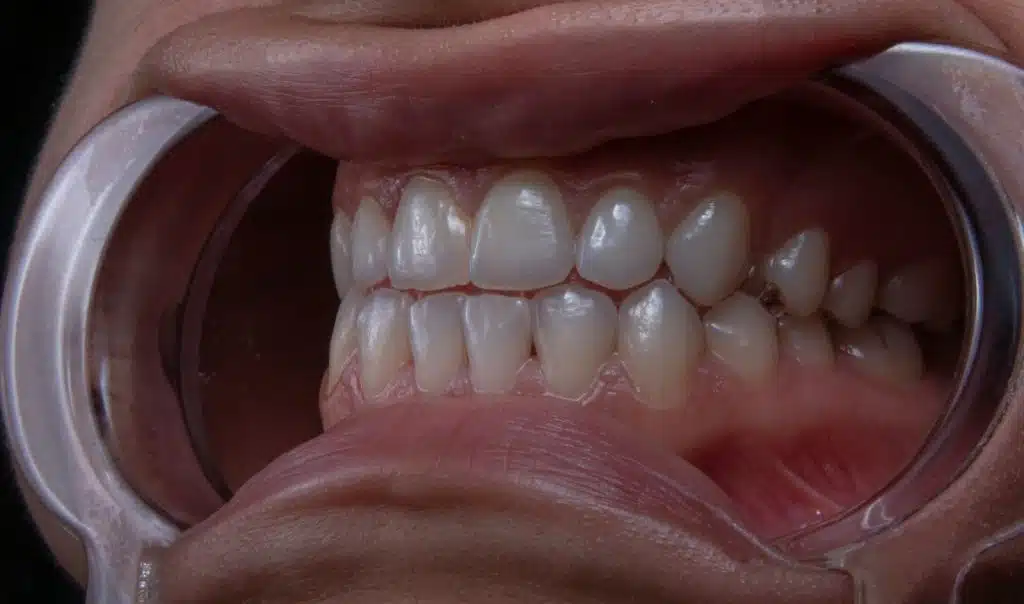
Dry mouth isn’t just uncomfortable, it breeds bacteria. Saliva helps clean the mouth and break down food. Without enough water, bad breath and plaque build-up can worsen. It’s a small detail, but it has a big impact on confidence and health. Chronic dehydration can also lead to gum disease. It disrupts pH balance, creating an environment where bacteria thrive. Hydration helps maintain a clean, healthy mouth.
Poor Sleep Quality

You may not realize it, but water intake affects your sleep too. Dehydration can lead to dry nasal passages and leg cramps, which disrupt rest. Your body also has to work harder to regulate core temperature, making it tougher to fall and stay asleep. Sleep quality drops when hydration is lacking. Nighttime dehydration can also raise your heart rate, keeping you restless. Drinking enough during the day supports deeper, more consistent sleep.
Ignoring the Early Signs

Most men don’t realize how early the body starts signaling dehydration. Dark urine, dry lips, and lightheadedness are often brushed off. By the time thirst kicks in, performance is already dropping. Recognizing these signs helps you stay ahead of the slump. Listening to your body is key. Hydration should be proactive, not reactive. Staying aware leads to better overall well-being.
Making Hydration a Daily Habit
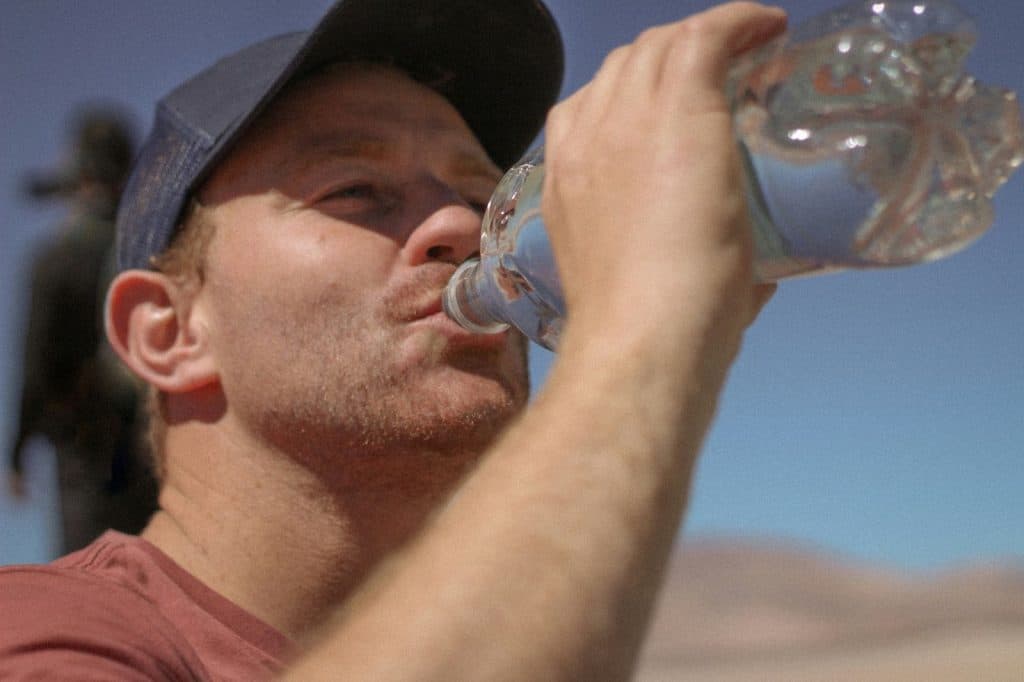
Small changes have big payoffs. Start by keeping water nearby, especially during work and workouts. Add more water-rich foods like fruits and vegetables to your meals. Once hydration becomes a habit, you’ll notice better energy, mood, and performance across the board. Build it into your routine just like exercise or nutrition. The benefits go beyond the physical, they boost mental clarity and emotional balance too. Commit to hydration as part of your long-term health strategy.







Ask Me Anything