
Most people think wisdom just arrives with age–but those over 60 say it doesn’t happen by accident. It happens because somewhere along the way, they stopped chasing what everyone else was doing and started making decisions they could live with long-term. The turning points didn’t always look dramatic. Some were quiet realizations, difficult conversations, or a simple “no” at the right moment. If you ask them what truly made their life better, they don’t talk about luck–they talk about choices. Here are 17 decisions people over 60 say changed the course of their life… and it might just change yours too.
1. Choosing Peace Over Drama

Many older adults say one of their biggest life upgrades came when they stopped entertaining drama–whether it came from friends, family, or even their own habits. They noticed that not every problem requires their reaction, and not every battle is worth winning. Protecting their peace became more important than being right. They learned to say, “I hope things get better for you–but I won’t be involved.” It turns out peace doesn’t just happen; it’s something you choose again and again, even when it costs you people.
2. Prioritizing Health Before It Was Too Late

Many say they waited too long to take their health seriously–and regret it. The turning point was realizing that their body was either their lifelong companion… or their lifelong complaint. Once they started treating health as an investment rather than a repair job, everything shifted. Walking daily, cooking more meals at home, drinking more water–it didn’t feel like much at first, but it added up. They wish they had learned earlier that prevention is always cheaper than treatment.
3. Letting Go of Grudges

Forgiveness wasn’t about excusing others–it was about releasing themselves. Several said they carried anger for decades, thinking it gave them strength… when it actually stole their energy. The moment they let go, something unexpected happened: they felt lighter, slept better, and became easier to be around. They say letting go doesn’t mean forgetting–it just means choosing to move forward without dragging the weight of the past.
4. Learning a New Skill–Even After 50

Picking up a new skill later in life–painting, gardening, carpentry, dancing–gave many a stronger sense of purpose. It reminded them they were still capable of growing, still interesting, still curious. They say the mind only starts to feel old when it stops learning. That one hobby often led to new friendships, newfound confidence, and yes–sometimes even extra income. The goal wasn’t to be great–it was simply to be engaged.
5. Downsizing Sooner Than Later

Clutter creates stress–and many over 60 say they didn’t realize just how much until they started letting go of things. Downsizing their home, cleaning out closets, selling unused items, simplifying their life… it made room for better things. Less cleaning. Less financial pressure. Less chaos. More time for what actually matters. They say this: “Everything you own requires energy. Make sure it’s worth it.”
6. Spending More Time With People Who Lift You Up

One piece of advice kept coming up: choose your circle very carefully. At some point, they stopped chasing approval and started valuing support. They noticed the difference between people who drain you and people who energize you. That change alone impacted their mood, their decisions–even their health. They say you don’t have to become a hermit–just be intentional. Quality beats quantity every single time.
7. Traveling While Their Body Still Let Them

Many regretted waiting until retirement to travel, because by then their energy and health didn’t match their plans. The decision that changed their life? Traveling while they still had strength in their legs and curiosity in their mind. It didn’t have to be far or expensive–road trips, local tours, visiting old friends. They say don’t wait for “someday”–your body won’t always say yes when your heart does.
8. Leaving a Job That Was Slowly Ruining Their Life

A lot of older adults said they stayed too long at jobs that quietly drained their happiness. When they finally walked away–sometimes for less money, sometimes with no plan at all–they began to feel alive again. Work is important, but identity is more important. They say if your job costs you your peace, dignity, or health… that’s too high a price to pay. Money can be earned back. Time and energy? Not so much.
9. Investing Time Instead of Spending It

They started asking one powerful question: “Will this matter to me in five years?” That shifted how they spent their time. Instead of scrolling, arguing, and worrying–they invested in conversations, learning, relationships, and meaningful routines. Time is the only currency where once you spend it, it’s gone forever. They say the earlier you treat time like gold, the richer life feels later on.
10. Saying “I Love You” More Often
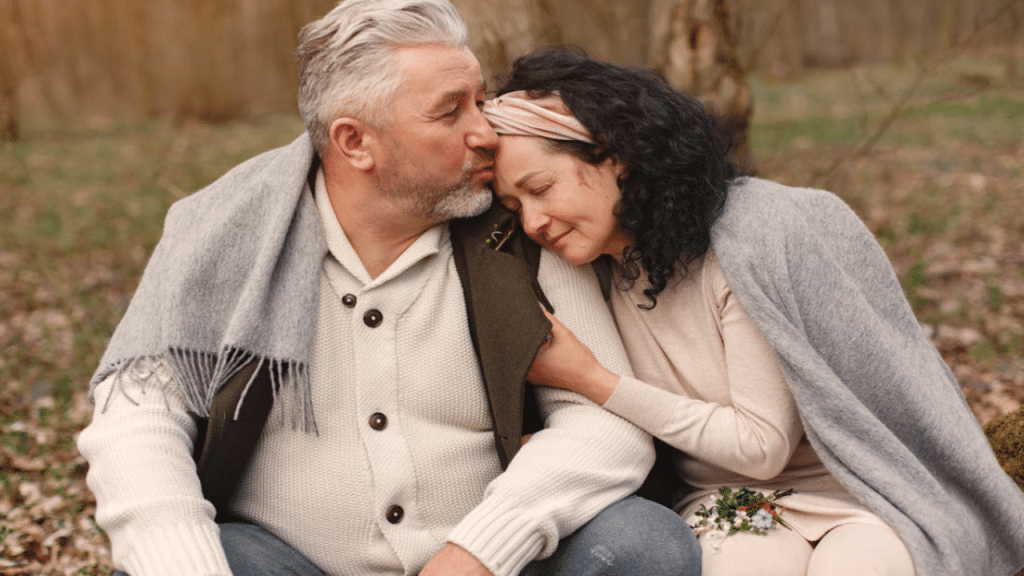
So many people over 60 said they wish they’d said it more–to parents, friends, children, partners. Not because people didn’t know… but because hearing it matters. They found that vulnerability makes life fuller. It brings people closer. It heals things words like “I’m fine” never can. They say love is not meant to be assumed–it’s meant to be spoken, and spoken often.
11. Choosing Experiences Over Possessions

Possessions break, get outdated, or get thrown away. But experiences? Those grow more valuable with time. Many shifted their mindset–from collecting “things” to collecting moments–and their happiness increased. Dinners with friends, concerts, walks by the water, game nights–these became the “good stuff.” They say material things fill the space around you–but memories fill the space within you.
12. Realizing Happiness Isn’t Found–It’s Built

One major life revelation: nobody “finds” happiness. Instead, it’s something you create intentionally–through habits, boundaries, choices, and perspective. Many say they stopped waiting for the perfect moment and started building it with what they had. Buying flowers for themselves. Reading more books. Taking morning walks. Choosing gratitude, even without a perfect life. Happiness, they realized, is not an event–it’s a practice.
13. Accepting That Not Everyone Will Like You

A surprising number said life improved the day they stopped trying to impress people. They realized that approval is the most exhausting thing to chase–and the least fulfilling. The freedom came when they learned to like themselves first. That decision influenced everything: how they dressed, how they spoke, what they pursued. They say people’s opinions come and go–but self-respect is permanent.
14. Taking Mental Health Seriously

Many came from generations that didn’t discuss anxiety, depression, or stress. But seeking help–therapy, counseling, mindfulness, support groups–changed their life more than they expected. Talking about struggles didn’t weaken them–it grounded them. They say mental health care should be treated the same as physical health: check-ups, maintenance, and support when needed. The mind deserves care too.
15. Starting to Plan for the Future–Even Late

Several admitted they waited too long to plan their finances, wills, healthcare decisions, and retirement strategy. But once they did, they felt enormous relief. It wasn’t about fearing the future–it was about owning it. Their advice? Have the uncomfortable conversations early. Make decisions while you’re still clear-headed. Planning isn’t pessimistic–it’s empowering.
16. Giving Back–Even in Small Ways

Helping others didn’t just make them feel useful–it made them feel connected. Volunteering, mentoring, teaching, even just checking on a neighbor–these acts gave life deeper meaning. They say having a purpose outside yourself is one of the best ways to stay joyful and hopeful. The secret to feeling fulfilled may not be success–but significance.
17. Realizing That Life Feels Short–and That’s What Makes It Beautiful

The biggest shared lesson? Life moves fast… but that’s what makes every moment valuable. Many said they stopped waiting for the “right time” and started appreciating the time they had. They made peace with the past, became present with the now, and became hopeful about the future. Their message to younger generations is simple: don’t wait for life to slow down before you start living it.








Ask Me Anything