
Dating after divorce feels different because it is different. You are not starting from zero; you are starting with history, scars, and a sharper sense of risk. Friends may tell you to just get back out there, but they are not the ones sitting across from a stranger explaining their life choices. This phase is less about speed and more about judgment. The goal here is not to shame you or rush you. It is to help you avoid mistakes that make dating after divorce harder than it needs to be, and yes, save you from a few painful second dates.
Oversharing Divorce Details Early
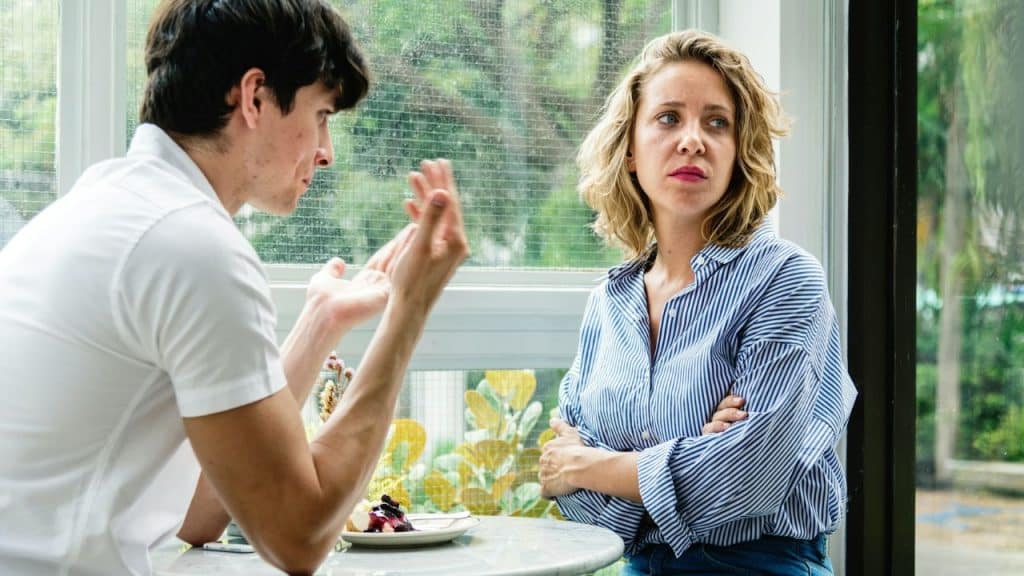
There is a strong urge to explain yourself after a divorce. You want people to know your side and understand what really happened. Early dates are not the place for timelines, blame, or legal summaries. Oversharing creates emotional weight before trust exists. It can also make you look stuck, even if you are not. Connection comes from curiosity and presence, not backstory defense. You can acknowledge your divorce calmly without turning it into the headline. Save the deeper details for someone who has earned access to them.
Comparing Everyone To Your Ex

Comparison happens quietly and often without awareness. You notice how they laugh, how they text, how they react, and you measure it against your past. That habit quickly kills attraction and curiosity. No one wants to compete with a ghost they never met. Every comparison keeps you emotionally attached to your ex rather than to the person in front of you. New people deserve to be seen clearly, not scored against old memories. If you catch yourself doing this, pause. You are dating a person, not running a replacement interview.
Dating Too Soon To Prove You’re Fine

After divorce, there is pressure to show the world and yourself that you are okay. Jumping into dating to prove you are still desirable often backfires. You end up chasing validation instead of connection, and that rarely leads to anything solid. Healing does not follow a group chat schedule or a social media highlight reel. If you are dating to quiet anxiety or impress people who are not in the room, you will feel emptier after each date. Ask yourself a hard question. Are you actually curious about someone new, or just trying to outrun discomfort that still needs attention?
Treating Dating Like A Distraction
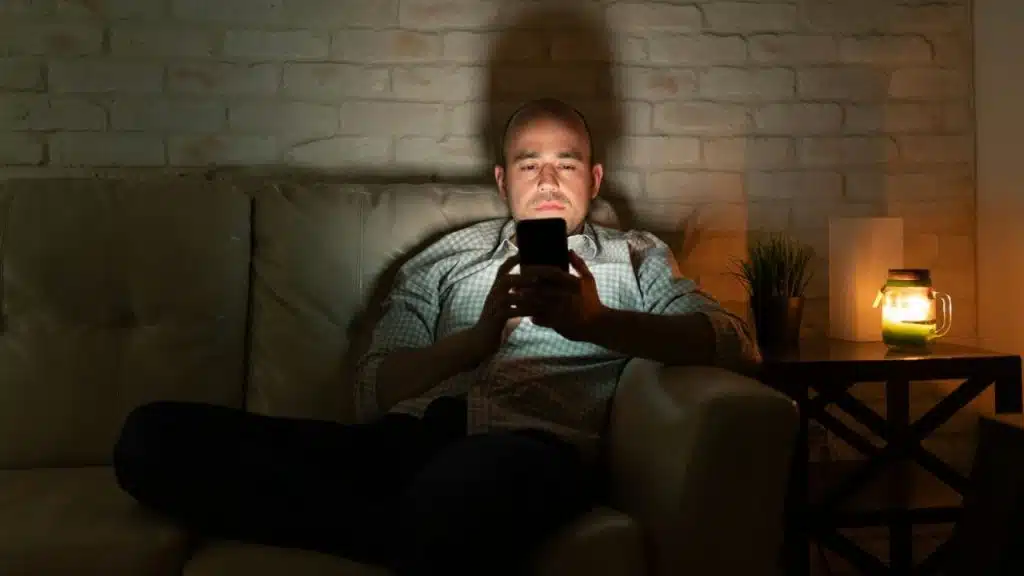
Loneliness after divorce can feel loud, especially at night and on weekends. Dating can look like a quick fix, but using it as a distraction usually creates more mess. When you date to avoid pain, you attract people doing the same thing. That dynamic burns fast and collapses faster. Dating works better when it is a choice, not a coping move. You do not need to be fully healed, but you do need to be present. Otherwise, every date becomes a temporary escape that leaves you more frustrated than before.
Carrying Divorce Anger Into Conversations

You may think you have your anger under control, but it shows up faster than you expect. A tone shift, a sarcastic comment, or a long pause says more than you realize. Dates can sense unresolved resentment even when you are trying to keep things light. They are not there to process your divorce story or validate your ex’s frustrations. When anger leaks into early conversations, it signals emotional unfinished business. Before dating seriously, get honest with yourself. Are you open to learning someone new, or still arguing with someone from the past?
Confusing Physical Readiness With Emotional Readiness

Wanting sex again does not mean you are ready for an emotional connection. These timelines rarely match after divorce. Physical desire often comes back first, while trust and vulnerability lag behind. When you ignore that gap, you risk hurting yourself and someone else. Emotional readiness shows up as patience, curiosity, and consistency. If those feel hard, that is information, not failure. Dating after divorce works best when you respect where you actually are, not where you think you should be.
Mistaking Attention For Compatibility

Attention can feel intoxicating after divorce, especially if you felt ignored or undervalued before. Compliments, interest, and quick chemistry hit hard. None of that guarantees alignment, values, or emotional safety. Attention feels good, but it fades when real life shows up. Compatibility shows itself in how you handle differences, stress, and silence. Slow down enough to notice patterns, not just sparks. Feeling chosen is powerful, but staying chosen requires more than excitement.
Dating Without Boundaries Or Standards

Loneliness has a way of lowering standards if you let it. After a divorce, you may tolerate behavior you once promised yourself you never would. That is how old patterns sneak back in, wearing a new face. Boundaries are not walls; they are filters. They protect your time, energy, and emotional health. Dating without them leads to confusion and resentment. Decide what matters before emotions get involved. Clarity early saves pain later.
Assuming All Relationships End Badly

Divorce leaves a mark on your expectations, whether you admit it or not. You may walk into dating assuming disappointment is inevitable. That defensive posture limits how deeply you engage. When you expect failure, you act cautiously, withhold effort, and look for exits. This self-protection makes real connection harder. Not every relationship ends the same way. Past outcomes do not predict future ones unless you let them.
Hiding Your Divorce Instead Of Owning It

Some men avoid mentioning divorce, hoping it will not define them. The silence creates tension and awkward timing. Divorce is part of your story, not your identity. Owning it calmly shows confidence and emotional maturity. You do not need to over-explain or apologize. When you treat it as a normal life experience, others usually follow your lead. Secrecy makes it bigger than it needs to be. Honesty delivered simply builds trust faster than avoidance.
Letting Guilt Drive Dating Choices

Guilt after divorce can show up in surprising ways. You may feel guilty about your kids, your finances, or your desire to be happy again. That guilt can push you into relationships that feel safe but wrong. It can also keep you from pursuing something good because it feels undeserved. Guilt is emotional noise, not guidance. Dating choices made from guilt rarely lead to fulfillment. You are allowed to move forward without punishing yourself.
Using Dating Apps Without Clear Intent

Mindless swiping wears you down faster than you expect. Without a clear goal, dating apps become a loop of boredom and cynicism. You start seeing people as profiles instead of humans. Clarity changes how you engage and who you attract. Know whether you want something casual, committed, or exploratory. That honesty saves time and emotional energy. Dating after divorce already requires effort. Do not waste it drifting.
Overcorrecting After The Divorce

Many men swing hard in the opposite direction after divorce. If you were serious before, you go carefree. If you were passive, you would become rigid. Overcorrection feels like growth, but often creates new problems. Real growth looks like adjustment, not rebellion. You do not need to become a different person to date better. You need to become more aware. Balance comes from reflection, not extremes.
Ignoring Red Flags To Avoid Being Alone

Fear of being alone can make red flags look like minor quirks. You rationalize behavior that once would have stopped you cold. This is how unhealthy dynamics restart quietly. Being alone is uncomfortable, but being stuck is worse. Dating after divorce should raise your standards, not lower them. Pay attention to how you feel after dates, not just during them. Peace matters more than company.
Expecting Chemistry To Do The Heavy Lifting

Strong attraction can blur judgment early on. Chemistry feels powerful, especially after a long emotional drought. It can hide mismatched values, poor communication, and emotional distance. Chemistry opens the door, but it does not build the house. Long term connection needs trust, respect, and consistency. Notice how someone shows up when things are calm. That tells you more than sparks ever will.
Being Vague About What You Want

Vagueness feels polite, but it creates confusion. When you are unclear about what you want, people fill in the blanks themselves. That leads to mismatched expectations and quiet resentment. Clear communication protects both sides. You do not need to have everything figured out. You do need to be honest about your current intentions. Dating works better when both people know what they are getting into.
Treating Dating As A Measure Of Worth

After divorce, rejection can hit harder than expected. It feels personal, even when it is not. Dating is a process, not a verdict on your value. Every connection that does not work offers feedback, not failure. If you turn dating into a scorecard, you will burn out fast. Focus on learning, not proving. Your worth was not erased by divorce, and it is not decided by dating outcomes.








Ask Me Anything