
Dating expectations don’t shift overnight. They change quietly, shaped by experience, disappointment, growth, and a better understanding of what actually works. What you tolerate at 22 often feels exhausting at 35. What once seemed “boring” can later feel deeply attractive. These shifts aren’t about becoming jaded—they’re about becoming more honest with yourself.
If you’ve ever felt like dating got harder and clearer at the same time, that’s not a contradiction. It’s maturity. These are the expectations that evolve as people age—and why leaning into them can save you years of frustration.
1. Chemistry Alone Stops Being Enough

In your early dating years, chemistry feels like the entire point. If the spark is strong, everything else gets overlooked. As you get older, you learn that chemistry without stability often leads to chaos. Attraction still matters, but it’s no longer allowed to excuse inconsistency, poor communication, or emotional unavailability. Practical advice: ask yourself if the connection feels steady as well as exciting. Long-term compatibility shows up in how problems are handled, not just how intense the first month feels.
2. Emotional Availability Becomes Non-Negotiable

Younger daters often mistake emotional distance for mystery. With age, that illusion disappears fast. Someone who can’t talk about feelings, avoid conflict, or show empathy quickly becomes draining instead of intriguing. Mature daters expect clarity, not guessing games. A useful filter: notice how someone responds when things get slightly uncomfortable. If they shut down, deflect, or disappear, that’s data—not something to fix.
3. Consistency Starts to Matter More Than Charm

Charm can carry someone far in their twenties. Over time, it loses its power if it isn’t backed by action. Older daters expect words and behavior to line up. Someone who texts sweetly but shows up inconsistently stops feeling romantic and starts feeling unreliable. Practical shift: pay less attention to how someone makes you feel in the moment and more to how predictable and dependable they are over time.
4. You Stop Wanting to “Change” Someone

Early dating often comes with the quiet belief that love will motivate growth. With age, people realize this rarely works. Mature daters expect compatibility as-is, not potential. Habits, values, and emotional patterns are taken at face value. A grounded approach: ask yourself if you’d be content with this person staying exactly the same for the next five years. If the answer is no, that’s your signal.
5. Communication Style Becomes a Dealbreaker

When you’re younger, miscommunication feels normal—part of the drama. As you age, it becomes exhausting. Mature daters expect directness, clarity, and emotional literacy. Passive aggression, stonewalling, and constant misunderstandings lose their appeal fast. Practical tip: notice whether conversations resolve things or just circle the same issues. Healthy communication moves things forward instead of keeping you stuck.
6. Shared Values Outweigh Shared Interests

Liking the same music or hobbies feels important early on. Later, values take center stage. How someone handles money, family, boundaries, and stress matters far more than shared playlists. Mature daters expect alignment on the big stuff. A useful question to ask yourself: do your worldviews support each other, or do they quietly clash beneath the surface?
7. Peace Becomes More Attractive Than Excitement

High highs and low lows can feel addictive when you’re young. With time, emotional volatility starts to feel unsafe instead of thrilling. Older daters expect relationships to add calm, not chaos. This doesn’t mean boring—it means regulated. Practical advice: pay attention to how you feel after spending time together. Drained is a warning; steady and grounded is a green flag.
8. Effort Is Expected, Not Praised

In early dating, basic effort can feel impressive. As expectations mature, showing up, communicating, and making time are seen as baseline—not bonus points. Older daters don’t over-celebrate bare minimum behavior. A mindset shift: stop rewarding inconsistency just because it occasionally improves. Effort should be consistent enough that it doesn’t need constant acknowledgment.
9. Boundaries Are Seen as Healthy, Not Rude

Younger daters often fear boundaries will scare people away. With age, boundaries become a filter that saves time. Mature daters expect people to know their limits and respect others’. Saying no stops feeling awkward and starts feeling necessary. Practical takeaway: if someone reacts poorly to your boundaries, they’re showing you exactly why you needed them.
10. Intentions Are Expected to Be Clear

Ambiguity feels tolerable early on. Over time, it becomes frustrating. Older daters expect honesty about goals—whether that’s commitment, casual dating, or something in between. Vague answers feel less romantic and more avoidant. A useful habit: listen for clarity early instead of hoping it will magically appear later.
11. Emotional Safety Matters More Than Ego Boosts
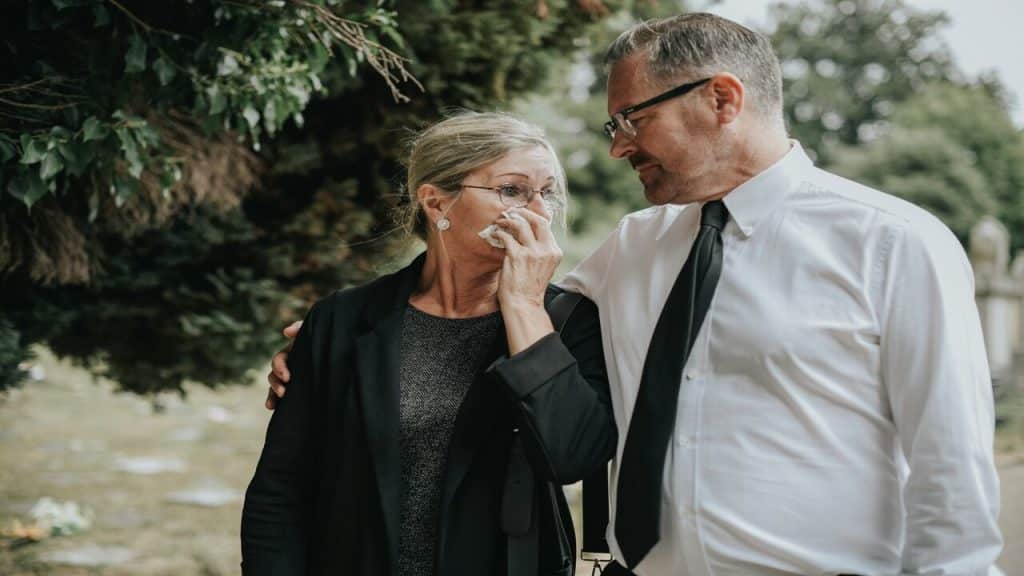
At younger ages, being chosen can feel validating. As confidence grows, emotional safety becomes more important than attention. Mature daters expect to feel respected, heard, and secure. Practical shift: notice whether someone supports your emotional well-being or subtly undermines it. Confidence grows in relationships that feel safe, not competitive.
12. You Expect Accountability, Not Excuses

Mistakes happen at every age. What changes is tolerance for repeated excuses. Older daters expect people to own their behavior and correct it. Apologies without change stop carrying weight. A grounded rule: watch what happens after someone says “sorry.” Real accountability shows up in different behavior, not better explanations.
13. Time Becomes a Valuable Resource

When you’re younger, time feels endless. As responsibilities grow, wasted time hurts more. Mature daters expect efficiency in dating—clear interest, clear effort, clear direction. Dragging things out without progress becomes unattractive. Practical advice: notice whether a connection is moving forward or just filling space.
14. Independence Is Attractive, Not Threatening

Early dating can involve clinging or constant reassurance. With age, independence becomes appealing. Mature daters expect partners to have their own lives, goals, and emotional stability. Needing someone is different from choosing them. A healthy sign: you both enhance each other’s lives without losing yourselves in the process.
15. You Stop Romanticizing Struggle

Many people once believed love had to be hard to be real. Over time, that belief fades. Mature daters expect effort, not struggle. Conflict is normal; constant tension is not. Practical mindset shift: difficulty should come from external challenges, not the relationship itself.
16. Mutual Growth Becomes More Important Than Passion Alone

Passion can fade if growth doesn’t continue. Older daters expect relationships to evolve emotionally, mentally, and practically. Stagnation becomes a red flag. A helpful question: does being with this person encourage growth, or does it keep you stuck in old patterns?
17. You Date With Self-Respect, Not Fear

The biggest shift with age is internal. Dating stops being driven by fear of being alone and starts being guided by self-respect. Mature daters expect relationships to meet their standards, not just their loneliness. Practical truth: the better you treat yourself, the harder it becomes to accept less from others.








Ask Me Anything