
Modern relationships increasingly begin through digital platforms rather than shared physical spaces. This shift did not happen all at once and has taken shape through small, repeated habits that slowly influence expectations around dating. Over time, dating apps have changed how people connect, communicate, and evaluate potential partners. These patterns can affect emotional pacing, attention, and decision-making without being immediately obvious. Friends or close observers often notice changes in dating behavior before individuals reflect on them themselves. The slides that follow explore how dating apps influence modern relationship patterns and why awareness of these effects helps clarify how connections now develop.
Dating Apps as a Common Entry Point

Dating apps are now a common starting point for romantic connections across age groups and social backgrounds. What once relied on shared spaces or mutual networks increasingly begins with a profile and a short exchange. This shift alters how first impressions are created and evaluated. Early interaction often occurs without context from shared experiences or social cues. As a result, attention is placed on limited information such as photos, brief descriptions, and messaging style. This starting point has contributed to new expectations around how dating begins and progresses.
Expanded Access to Potential Partners

Dating apps broaden access to potential partners beyond local or social circles. Many individuals encounter a wider range of profiles than would be possible through offline settings. This expanded access can create a sense of choice and flexibility. At the same time, frequent exposure to many options can encourage comparison. Decision making may shift toward quicker evaluations rather than deeper consideration. These habits can subtly influence how connection and compatibility are assessed.
Early Filtering Through Visual Cues

Photos often become the primary point of evaluation during early app use. Written details may be scanned quickly or reviewed later in the process. Repeated exposure to visual profiles can make appearance-based filtering feel routine. This structure does not remove interest in personality or values but delays when they are considered. Initial attraction may form before deeper traits are explored. This sequence can shape how interest and compatibility are assessed.
Self-Presentation Through Profiles

Profiles encourage brief and selective self-presentation. Decisions about images, interests, and short descriptions strongly influence first impressions. The format rewards clarity and familiarity rather than nuance. Certain traits are emphasized because they fit easily into limited space. Other aspects of identity may receive less attention. Regular interaction with this format can shape how people think about presenting themselves.
Messaging as the First Interaction
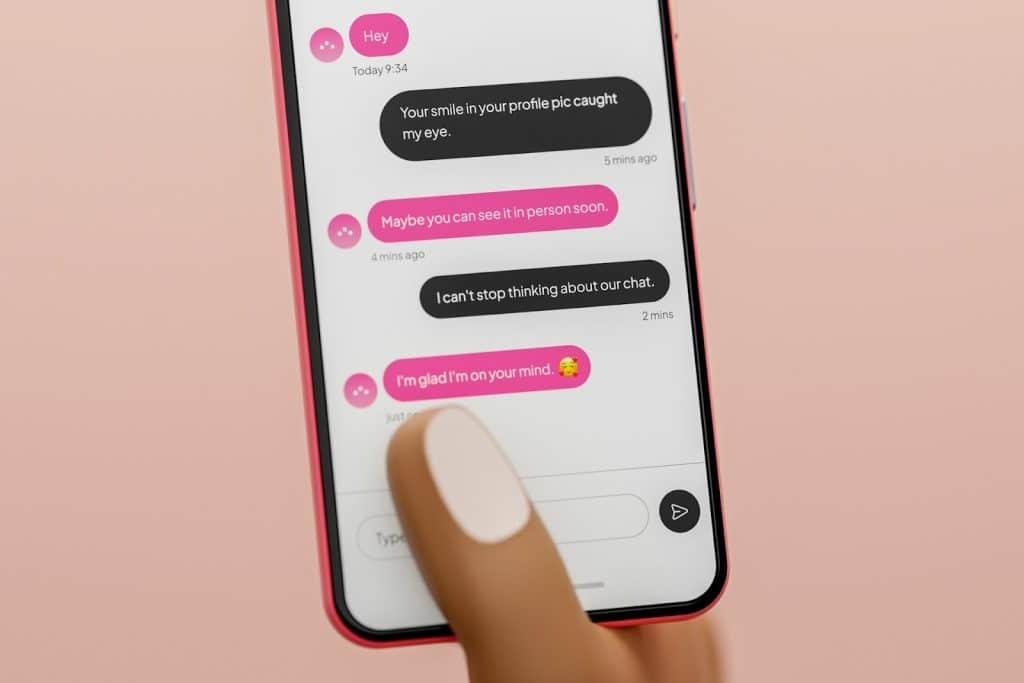
Conversation on dating apps usually starts through short written messages. Early exchanges often shape interest before any in-person interaction occurs. Without facial expression or tone of voice, meaning is drawn mainly from wording and timing. Small variations in response style can influence how engagement is perceived. These patterns become familiar as app use continues. Messaging habits gradually form shared expectations around communication.
Shifts in Communication Expectations

Regular access to instant messaging can subtly reshape expectations around connection. Patterns of availability and response speed often become normalized through repeated use. Delays in communication may carry more meaning than intended. Platform design encourages certain rhythms of interaction. These habits form gradually rather than through deliberate choice. Over time, communication is interpreted through these learned patterns.
Faster Early Interaction
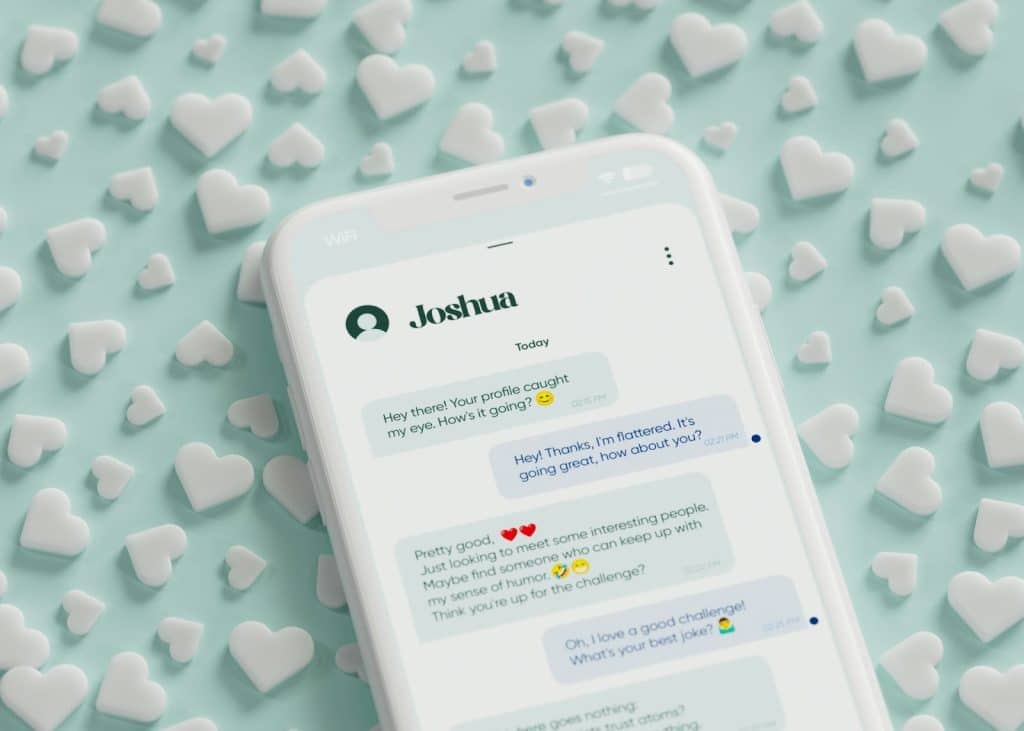
Dating apps often shorten the time between first contact and ongoing conversation. Introductions, messaging, and familiarity can happen within a short period. This pace can create a sense of quick connection. At the same time, it may limit slower observation and adjustment. Emotional pacing begins to align with platform speed rather than shared experience. These patterns shape how early attachment develops.
Emotional Investment Patterns

Repeated exposure to new matches can influence how emotional energy is shared. Some people become more cautious early in conversations. Others stay open but adjust expectations over time. These shifts often function as emotional regulation rather than detachment. Emotional distance may appear intentional on the surface. In many cases, it reflects adaptation to repeated interaction.
Visibility of Alternatives

Dating apps keep potential alternatives visible at all times. This visibility can influence how connections are evaluated. Early uncertainty may feel easier to maintain. Decisions about commitment may take longer to form. These changes reflect the environment rather than personal intent. Norms adjust as exposure continues.
Effects on Commitment Timing

Ongoing access to matches can affect when exclusivity develops. Interest may exist without immediate commitment. This timing often reflects situational influence rather than lack of intention. Relationship pacing becomes less predictable. Expectations around progression shift gradually. Patterns emerge through repeated use.
Different Experiences Across Users

Experiences on dating apps vary widely between users. Response rates and engagement levels differ across groups. One person may notice changes sooner than another. These differences shape interpretation of behavior. Mismatched expectations can develop over time. Context helps explain these gaps.
Misreading Digital Behavior

App-based behavior is often interpreted personally. Short replies or reduced engagement may feel deliberate. Many actions reflect fatigue or divided attention. Without context, interpretation can become unclear. Behavior often reflects platform conditions. Awareness reduces misunderstanding.
Dating App Fatigue

Extended use of dating apps can lead to mental fatigue. Repeated evaluation requires sustained attention. Some users cycle between engagement and withdrawal. These patterns are common across platforms. Fatigue can influence responsiveness and tone. Long-term participation often fluctuates.
Selectivity Over Time

Over time, many dating app users become more selective in how they engage. Early curiosity often gives way to clearer preferences shaped by repeated interactions. This selectivity may reduce emotional fatigue by limiting constant evaluation. At the same time, it can narrow the range of potential connections. The shift usually reflects adaptation rather than increased detachment. These patterns form gradually through continued exposure.
Normalization of Digital Dating

Dating apps are now a normalized part of relationship formation. Meeting through an app carries less social distinction than in earlier years. This normalization influences how seriously connections are evaluated. App-based interactions are often viewed as provisional at first. As reliance on digital platforms increases, expectations adjust accordingly. Relationship beginnings adapt to this broader cultural shift.
Differences in Interpretation Between Individuals

People interpret dating app behavior in different ways. One individual may view limited engagement as casual, while another assigns emotional significance. These differences often stem from personal history and prior experiences. Platform norms also influence how behavior is perceived. Misalignment in interpretation can lead to misunderstanding. Awareness of these differences supports clearer reading of intent.
Dating Apps as Behavioral Environments
Dating apps function as structured environments rather than neutral tools. Design features influence how quickly decisions are made. Swipe mechanics encourage rapid evaluation. Notifications shape attention and engagement patterns. These influences accumulate over time. Behavior reflects both personal choice and environmental structure.
Patterns That Form Without Deliberate Intent

Many dating behaviors develop without conscious planning. Repeated actions become habits through regular use. These habits influence emotional response and perception. Individuals may not immediately notice the shift. Patterns often operate quietly in the background. Recognition usually occurs only through reflection or comparison.
Interpreting Relationships With Context

Viewing dating behavior within context reduces misinterpretation. App-based actions often reflect platform conditions rather than personal meaning. Isolated moments provide limited insight. Patterns offer clearer understanding over time. Context explains variability more effectively than assumption. This perspective supports balanced interpretation.
Awareness in Modern Dating

Dating apps continue to influence how relationships begin and develop. Their impact builds through repeated use rather than sudden change. Awareness allows expectations to adjust realistically. Understanding patterns supports emotional clarity. Modern dating reflects both human behavior and digital structure. Perspective helps maintain balance as norms evolve.








Ask Me Anything