
Getting dates shouldn’t feel like a second job. You are probably used to solving problems with logic and efficiency, but dating apps throw those rules out the window. It is frustrating to realize that your lack of matches isn’t because you have “lost your touch,” but because the software is literally built to prioritize someone half your age. This list breaks down 16 design choices that make online dating harder for you and what that actually means. You deserve a platform that respects your time and your status as a professional.
Age Bias in Algorithm Matching

Most apps are coded to favor the newest and youngest users to keep the “energy” high. When you enter your age, the system often moves your profile to a slower lane with less visibility. This isn’t a judgment on your looks; it is just a mechanical preference for high-volume swiping. You are essentially being penalized for having a birth year that doesn’t fit the “college student” demographic. It makes the digital search for a partner feel like an uphill battle from day one.
Profile Visibility Penalties

Apps use hidden scores to decide who sees your profile and how often. If you don’t get a flood of “likes” immediately, the algorithm assumes you are less relevant and buries you. This creates a cycle where you get fewer views, leading to even fewer matches. For a man over 40, this means your profile might stay at the bottom of the deck for weeks. It is a rigged system that rewards viral popularity over actual compatibility or character.
Swipe Culture Misalignment

The “fast swipe” mechanic is designed for split-second decisions based on a single photo. This dating style favors impulsive behavior, which is usually the opposite of how a mature man operates. You are looking for a real connection, but the app is pushing a digital slot machine. This setup devalues your life experience and your stability in favor of a quick dopamine hit. It forces you to compete in a format that ignores your greatest strengths as a partner.
Photo First Design
Modern apps are 90% visuals, leaving almost no room for the things that make you a great catch. Your career success or your ability to hold a conversation can’t be seen in a grainy selfie. When the interface is built this way, your accomplishments are sidelined by lighting and camera angles. You are forced to lead with a headshot like an aspiring actor instead of a grown man. This shallow focus makes it nearly impossible to show who you really are.
Limited Profile Text

Why do apps give you so little space to describe your life? By limiting bios to a few short sentences, these platforms strip away your ability to communicate your values. For a younger guy, a joke might work, but you have a history and clear goals. This forced brevity makes every man over 40 look like a generic carbon copy of the next. It is a design choice that favors the simple and punishes the sophisticated man.
Overemphasis on Height and Income Filters
Many apps let users filter by specific numbers before they even see your face. This data-driven approach turns you into a line item on a grocery list. You could be a perfect match, but you might be hidden because of a single inch or a specific salary bracket. These filters stop organic attraction before it even has a chance to start. They encourage a “build-a-partner” mentality that ignores the actual human being behind the screen.
Premium Paywalls
It often feels like you have to pay a subscription just to see who is interested in you. Apps frequently hide your “likes” or limit your reach unless you pay a monthly fee. This creates a “pay to play” environment that can feel like a total shake-down. While you likely have the budget, the principle of being throttled by a paywall is a major turn-off. You are being treated like a customer to be billed rather than a person seeking a connection.
Ghosting and Communication Patterns
The low-effort nature of app messaging makes it far too easy for people to just stop responding. Because the app keeps suggesting new options, there is no incentive for users to finish a conversation. For a man who values directness and respect, this disappearing act is incredibly draining. The design encourages a disposable view of people, where one “hello” is the same as the next. You want a real talk, but the platform is built for short-term distractions.
Algorithmic Hotness Scoring
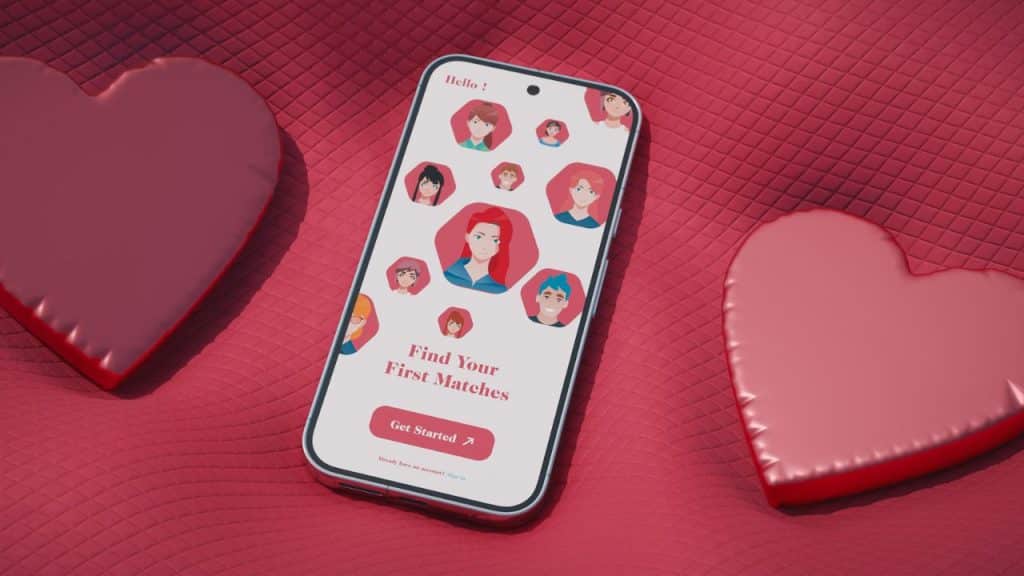
Behind the scenes, apps rank you against other men based on how many people swipe right on you. If the app decides you aren’t “top tier,” it stops showing your profile to the most desirable women. This creates a segregated experience where your options are limited by a computer’s secret opinion. This scoring is often based on what younger users like, which skews your results. It is an unfair way to manage attraction that relies on cold data instead of real chemistry.
Notification Fatigue

Apps use constant pings to keep you looking at your phone, often for things that don’t matter. For a busy professional, these interruptions are a nuisance that devalues the few quality matches you do get. When every alert is just an ad or a “top pick” you didn’t ask for, you eventually tune out. This leads to burnout, where you stop checking the app entirely. You want quality, but the app is designed to maximize your screen time.
Inconsistent Match Suggestions

Have you ever wondered if the app even understands your preferences? Often, the “recommended” list feels random or shows people who are a poor fit for your lifestyle. This happens because the app is trying to keep the feed moving rather than finding you a partner. It creates a sense of chaos that makes dating feel like a chore. When the suggestions are consistently off, it is easy to feel like the whole thing is a waste of time.
Lack of Contextual Prompts
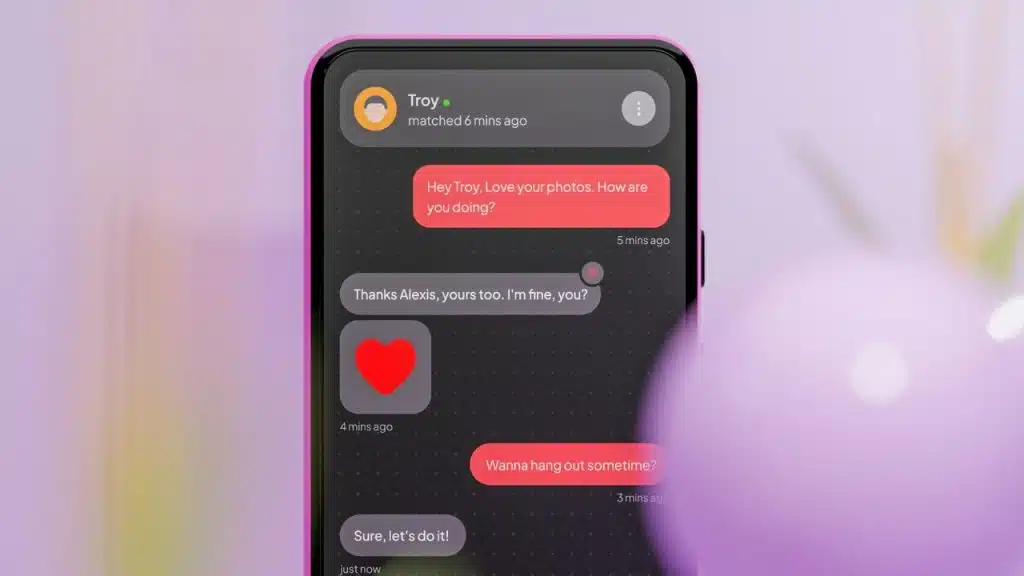
Without guided questions, most profiles become a boring list of hobbies like “hiking” and “coffee.” This lack of structure makes it hard for you to stand out or start a genuine conversation. You are forced to do all the work to find a common thread with a total stranger. If the design included better ways to show your personality, your success rate would be much higher. The current setup favors the loudest people rather than the most interesting ones.
Limited Search Control

Most apps give you very little control over your search, forcing you to rely on their “curated” feed. You might want to find someone with a specific background, but the app keeps things vague. This lack of transparency is intentional to keep you swiping longer. If you could filter more precisely, you would spend less time in the app, which is the opposite of what the company wants. They are keeping the best matches just out of reach.
Overloaded with Younger Users
The massive number of younger users on major apps can dilute your experience. You end up sifting through thousands of profiles of people in a completely different stage of life. This demographic imbalance makes it feel like you are searching for a needle in a haystack. Even with age filters, the “culture” of the app remains focused on the twenty-something lifestyle. It makes the entire environment feel out of sync with your personal reality.
Game-Like Mechanics Reduce Authenticity

From “daily streaks” to “super likes,” the gamification of dating is built to keep you addicted. These mechanics feel cheap and manipulative to a man who values real-world substance. When dating becomes about collecting points or badges, the human element is completely lost. You aren’t looking for a high score; you are looking for a meaningful partner. This design choice turns a serious pursuit into a shallow and performative game.
High Abandonment Rates Among Older Users
Because of all these flaws, many high-quality men over 40 simply delete their accounts. When the best men leave, the quality of the pool drops, making it harder for those who stay. You are likely seeing the same few profiles because the people you actually want to meet have already given up. This cycle of frustration is a direct result of how the software is built. If the apps were designed for your life stage, you wouldn’t feel the urge to quit.








Ask Me Anything