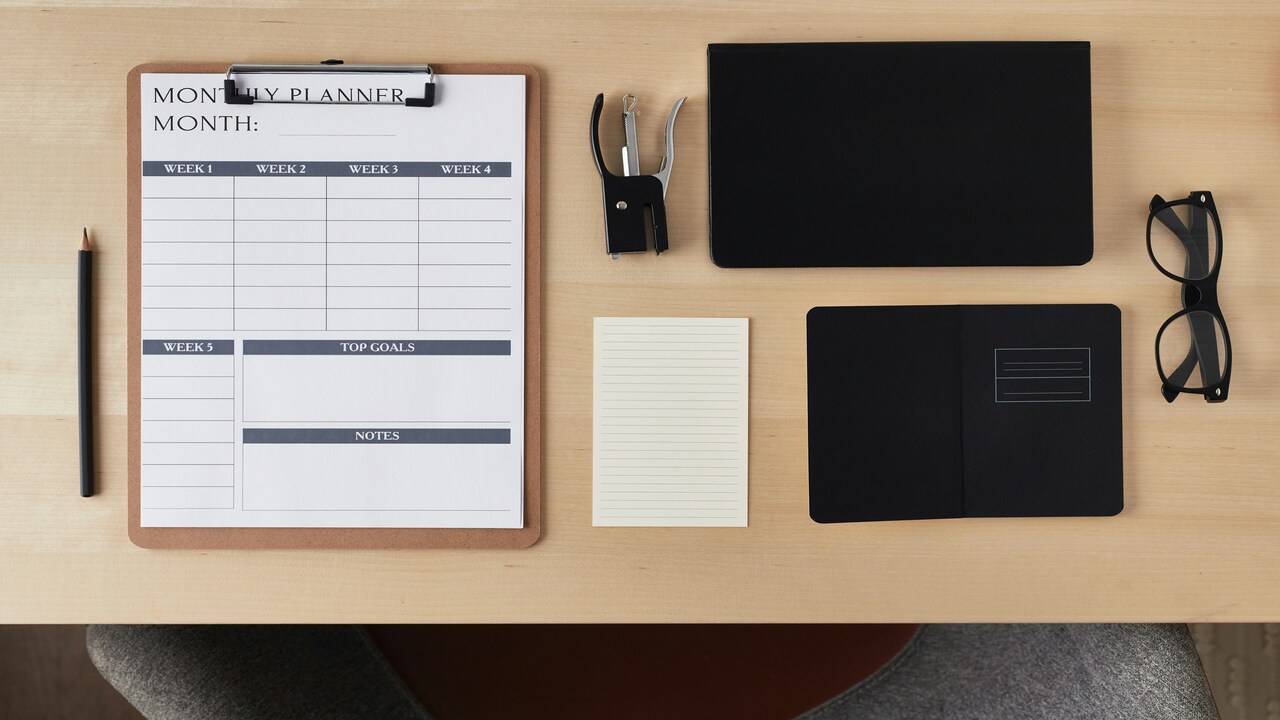
Whether you’re single, have a partner or kids and pets, chances are your days fill up fast. And when life gets hectic, even the smallest daily hiccups–forgotten groceries, last-minute laundry, missed appointments–can tip you over the edge. That’s why building simple, repeatable systems into your day can be a game-changer.
And the best part? These systems don’t need to cost you an arm and a leg. Most of them are free, take less than five minutes to maintain, and save you hours of decision fatigue and backtracking. Here are 15 daily systems that can make your day-to-day comings and goings easier.
1. Meal Planning

Gaining popularity in recent years due to budget-conscious TikToks and busy weekday routines, meal planning is one of those boring-but-powerful hacks that frees up brain space. When you already know what’s for dinner, you stop scrambling at 5 PM or wasting money on takeout. You don’t need a fancy app–just jot down 4–5 meals a week, rotate through easy favorites, and always shop with that plan in mind. It pays off in time, money, and fridge sanity.
2. Outfit Planning

If you want to streamline your day-to-day and avoid those chaotic “I have nothing to wear” moments, start planning outfits the night before–or better yet, for the week ahead. This is especially helpful if you’re dressing for work, events, or varying weather. Use a small garment rack or even a labeled section in your closet. When your clothes are pre-selected, you feel more put together with less effort, even on groggy mornings.
3. Morning Routine Checklist

Having a morning routine checklist isn’t about rigidity–it’s about reducing decision fatigue. Write down a handful of small things that help you feel like yourself before the chaos of the day hits: maybe it’s water, skincare, stretching, or setting your intentions. When you have a consistent flow, your body and brain start running on autopilot, making your mornings smoother and more grounded.
4. Digital Calendar Blocking

If you’ve never heard of digital calendar blocking, think of it as giving every hour of your day a “job.” Instead of letting time slip away in 15-minute scrolls or half-hearted multitasking, you assign slots for focus work, errands, breaks–even rest. Use Google Calendar or your preferred app and color-code categories. It’s not about perfection, but about seeing where your time actually goes so you can take it back.
5. Weekly Cleaning Schedule

To make your cleaning routine a bit easier and more systematic, break it up across the week. Monday: floors. Tuesday: bathrooms. Wednesday: laundry. It doesn’t have to be complicated–just consistent. That way, you avoid marathon deep-cleaning sessions on weekends and things never get too out of control. Post the schedule on your fridge or set reminders until it becomes second nature.
6. Email and Notifications Hour

An email and notifications hour is the opposite of constant checking. It’s a boundary. Pick one or two time slots a day to go through everything at once–respond to messages, clear your inbox, and scroll if you want to. The rest of the time? Turn those pings off. It helps you focus more, stress less, and stop feeling like you’re always “on.”
7. Family Communication Board
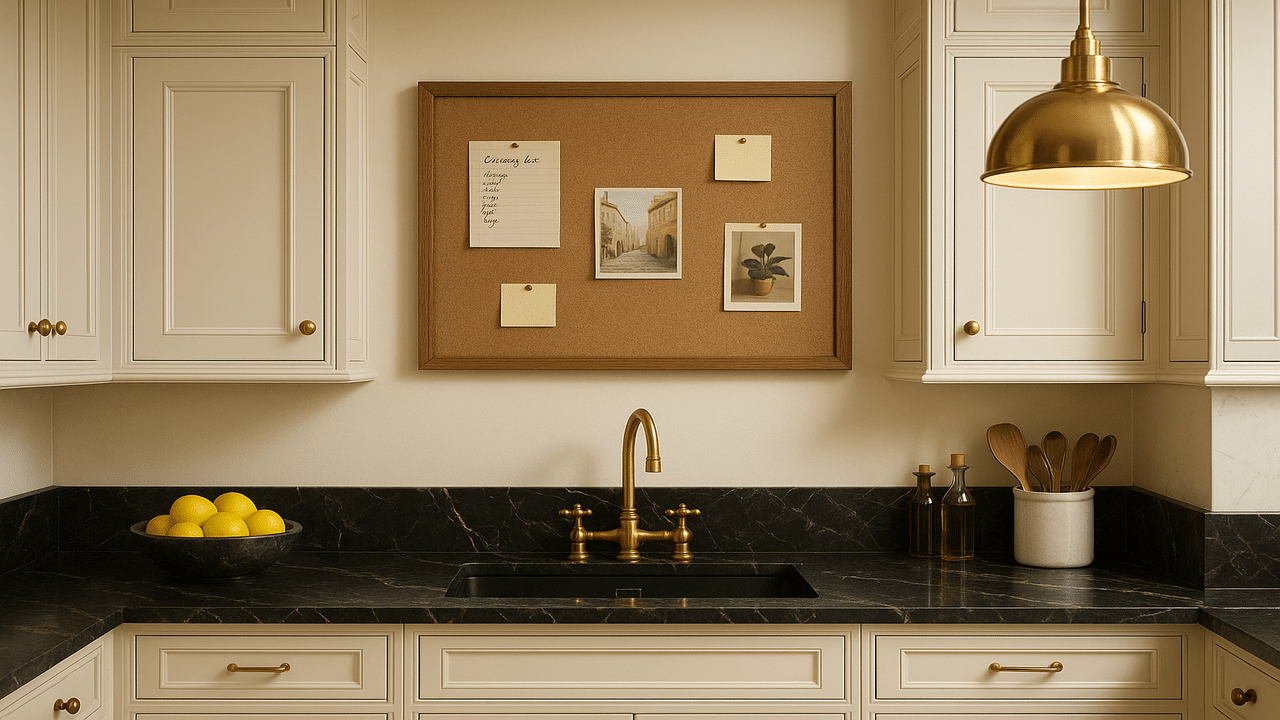
If you live with other people, a family communication board can help reduce those annoying repeat convos about who’s picking up what, or when soccer practice ends. Use a whiteboard, chalkboard, or even a section on your fridge to list events, reminders, or notes. It keeps everyone on the same page without constant group texts or missed memos.
8. Expense Tracking

A budget and expense tracking system can save you from the mid-month “where did my money go?” panic. You don’t need to get fancy–a spreadsheet, a simple notes app, or even just reviewing your bank app weekly helps. Categorize your spending and set weekly check-ins. It brings awareness and control without the stress of a full-blown budgeting bootcamp.
9. Dedicated Recharge Time

Do you have a lot on your plate every day? Then you need to block off time for zero productivity. This isn’t optional–it’s essential. Whether it’s a solo walk, a 20-minute nap, or just sitting quietly with no screens, give yourself a moment to reset. It’s easy to skip, but when you prioritize recharge time daily, everything else feels more manageable.
10. Evening Shutdown Ritual

There’s a reason “go to bed with me” videos have been popular on TikTok–it’s not about skincare, it’s about winding down. An evening shutdown ritual tells your brain: the day is done. Dim the lights, power down devices, prep for tomorrow. Whether it’s a short journal entry, warm tea, or a favorite playlist, your evening system can help you sleep better and wake up calmer.
11. Next-Day Prep
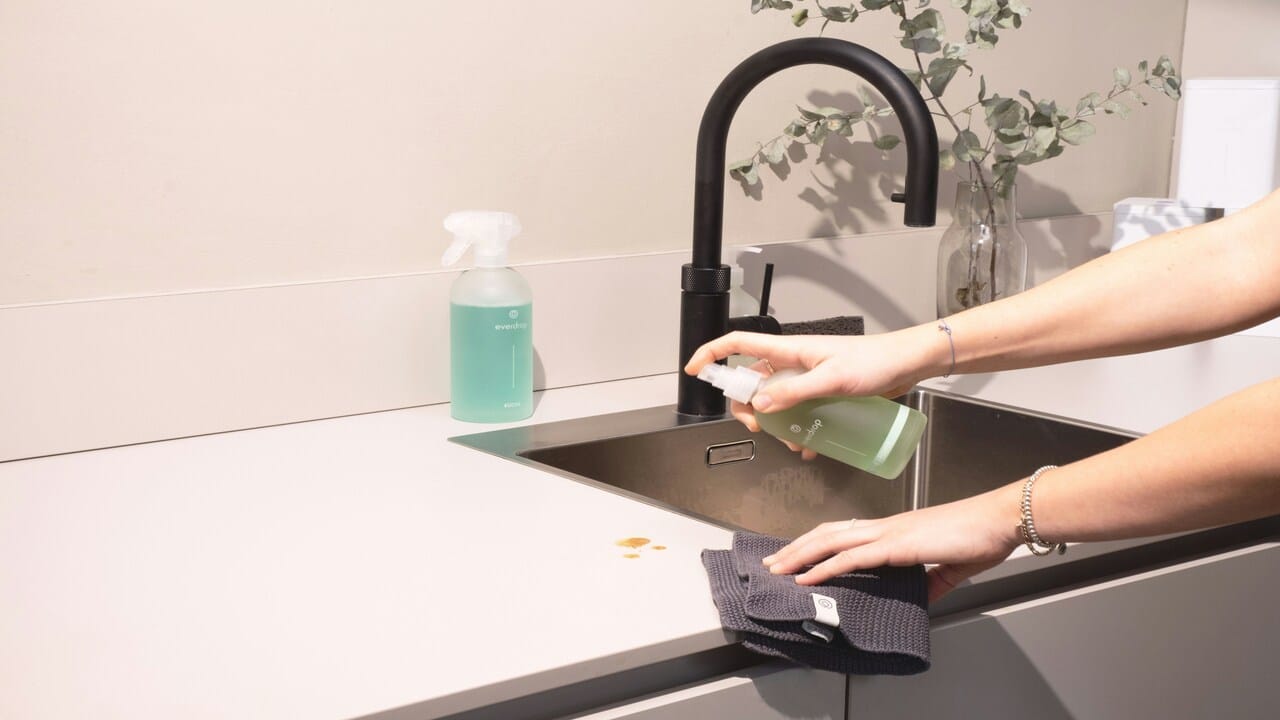
Did you know that in restaurants or cafes, the prep you do the night before is called “mise en place”? You can do the same at home. Lay out tomorrow’s outfit, prep your bag, check the weather, and glance at your calendar. You’ll shave minutes off your morning and reduce that frantic “what am I forgetting?” feeling.
12. Refill and Restock Station

Having a dedicated area for items that are running low–like toiletries, cleaning supplies, or pantry basics–can simplify your errands and avoid last-minute grocery runs. Just toss things in the bin when you notice you’re down to one. Once a week, use that bin to guide your shopping list. It’s low-tech but has a high impact.
13. One-Minute Clutter Rule

The one-minute clutter rule is simple: if something takes less than 60 seconds to put away, do it immediately. Hang the jacket, file the paper, wash the mug. When you stick to this rule daily, your space stays tidier without marathon cleaning days. It’s not about being a minimalist–it’s about making your environment less overwhelming.
14. Shared Grocery List App

There’s nothing more annoying than missing an item from your grocery list or getting doubles because someone else already bought it. Shared grocery list apps like AnyList or Google Keep solve that. Everyone in the household can add to the same list in real time. That way, shopping becomes collaborative and a whole lot less frustrating.
15. “Someday” Task Catch-All
A “someday” task catch-all is for all those things you should do eventually–fix the cabinet hinge, donate clothes, look into a new dentist–but don’t have time for right now. Write them down in one place (a note, Trello board, or post-it corner), so they’re not crowding your brain. When you get a free afternoon, you’ll already have a game plan.








Ask Me Anything