
Long relationships come with comfort, loyalty, and shared life. But they also come with routine, compromise, and constant coordination. It is normal for couples to occasionally miss certain parts of being single, even in a healthy relationship. Missing those parts does not automatically mean the relationship is wrong. It usually means a need is going unmet: freedom, novelty, quiet, or personal space. The problem starts when that feeling becomes guilt, secrecy, or resentment. The healthier move is to admit what is being missed and build it into the relationship in fair ways. These 13 realizations highlight what couples sometimes miss about being single, and why it matters.
The Freedom Factor: What Single Life Made Simple

Single life often felt lighter because decisions were simpler. There was less negotiation, fewer obligations, and more control over time. In relationships, love is shared, but so are schedules and priorities. Many couples miss the ease of choosing without explanation. That does not mean they want to leave. It means they miss autonomy. Autonomy is a real need, even in committed love. When autonomy is ignored, resentment grows. These realizations focus on freedom and choice.
Having Full Control Over Time

Single life often allowed spontaneous choices. Plans could change without needing approval or coordination. In a couple, even small decisions can become a discussion. That discussion can feel supportive or draining, depending on the relationship climate. Many couples miss the ease of “just doing it.” This can include hobbies, errands, or weekends. It is not selfishness; it is autonomy. When autonomy disappears completely, a person can feel trapped. Feeling trapped creates irritability and distance. This is why flexible time matters.
Being Able to Recharge Without Explaining

Many couples miss the simplicity of quiet alone time. Single life often allowed rest without needing to justify it. In relationships, alone time can be misread as rejection. That misreading creates guilt and avoidance. But solitude is not always distance. It can be a recovery. Recovery improves mood and patience. Patience improves the relationship climate. Many people miss being able to shut the world off without anyone taking it personally. This is a solvable issue when couples normalize personal space. Space can strengthen love when it is respected.
Not Having to Compromise on Small Daily Preferences

Single life often meant doing things “your way” without negotiation. That includes meals, routines, sleep schedules, and how to spend evenings. Compromise is normal in relationships, but too much compromise can feel like losing identity. Many couples miss the freedom of personal preferences. This does not mean they dislike their partner. It means their individuality needs room. When individuality shrinks, irritation grows. Small daily compromises become heavy when they never end. Healthy couples keep some personal autonomy intact. That autonomy protects long-term happiness.
The Social and Identity Side: What Felt Different Without a Partner

Being single can create a different sense of identity. Some people feel more adventurous, more social, or more independent. Relationships can reduce certain social patterns, sometimes unintentionally. Couples may spend less time with friends or take fewer risks. That can be healthy, but it can also become limiting. Many couples miss feeling like they had a bigger world. A relationship should not shrink life too much. It should add stability without removing identity. These realizations focus on social freedom and self-expression.
Being Able to Go Out Without Checking In

Checking in is normal, but it can feel restrictive if it becomes controlling or overly detailed. Single life often meant going out without updates, guilt, or explanations. Some couples miss that casual freedom. It is not always about wanting to hide anything. It is about feeling trusted and independent. When trust is high, check-ins feel respectful. When trust is low, check-ins feel like surveillance. Many people miss being treated as autonomous adults. Autonomy keeps attraction alive because it preserves individuality. Individuality makes the relationship more interesting.
Not Feeling Like Everything Has to Be “Couple-Based”

Some relationships unintentionally absorb all free time. Couples may stop doing solo hobbies or seeing friends alone. Over time, that can feel suffocating. Many people miss the freedom to have a life that is not always shared. Shared life is good, but total fusion is not always healthy. Fusion can create dependence and resentment. Resentment damages intimacy. Many couples do better when both people have separate interests. Separate interests create new energy to bring back into the relationship. Balance is healthier than constant togetherness. Togetherness feels better when it is chosen, not forced.
Feeling More “New” and Less Predictable

Single life often had more novelty. New conversations, new places, and new experiences were easier to find. Long relationships can become predictable, especially when routine is heavy. Some couples miss the feeling of being surprised by life. That does not mean they want to date around. It means they want novelty and play again. Novelty is relationship fuel. Without novelty, romance can feel stale. Predictability is comforting, but too much can feel dull. Many people miss the thrill of exploring without planning. This is a signal to add more shared novelty in healthy ways.
The Emotional Relief: What Single Life Protected People From

Single life can be lonely, but it can also feel emotionally simpler. There are fewer arguments, fewer compromises, and fewer emotional responsibilities. Relationships can create a heavier emotional load, especially if conflict is unresolved. Some couples miss not having to manage someone else’s mood. Others miss not having to explain feelings constantly. This does not mean relationships are bad. It means emotional balance matters. If one partner is carrying too much emotional labor, they will miss single life more. These realizations focus on emotional simplicity.
Not Having to Navigate Conflict or Tension at Home

Single life usually meant no household conflict. No silent tension, no unresolved arguments, no emotional heaviness in the home. Couples sometimes miss the simplicity of peace. Peace is a core human need. If the relationship’s conflict style is unhealthy, single life can feel like relief. This is a clue that repair skills need improvement. Healthy couples argue and still feel safe. Unhealthy couples argue and feel wounded. If home feels tense often, missing a single life makes sense. The goal is not avoiding conflict forever. The goal is handling conflict without damage.
Not Feeling Responsible for Someone Else’s Happiness

In healthy relationships, both partners support each other but still self-regulate. In unhealthy dynamics, one person becomes the emotional caretaker. Caretaker roles are exhausting. Exhaustion often creates fantasies of single freedom. This is not selfishness; it is burnout. Burnout kills affection and desire. Many people miss the ability to focus on their own mood without managing another person’s emotional reactions. A relationship works best when both adults can self-regulate. Support should be mutual, not one-sided. When regulation is shared, love feels lighter.
Being Able to Make Choices Without Guilt

In some relationships, even normal choices create guilt. Choosing a hobby, choosing rest, choosing friends, choosing personal goals can lead to tension. Single life often felt free of that guilt. Many couples miss being able to choose without emotional consequences. Guilt is not always intentional. Sometimes it comes from insecurity or unclear boundaries. But guilt still changes the relationship climate. A guilt-heavy relationship becomes suffocating. Suffocating relationships reduce attraction. Many people miss the emotional freedom of guilt-free choices. That is a signal to improve boundaries and trust.
The Honest Reality: Single Life Had Downsides Too
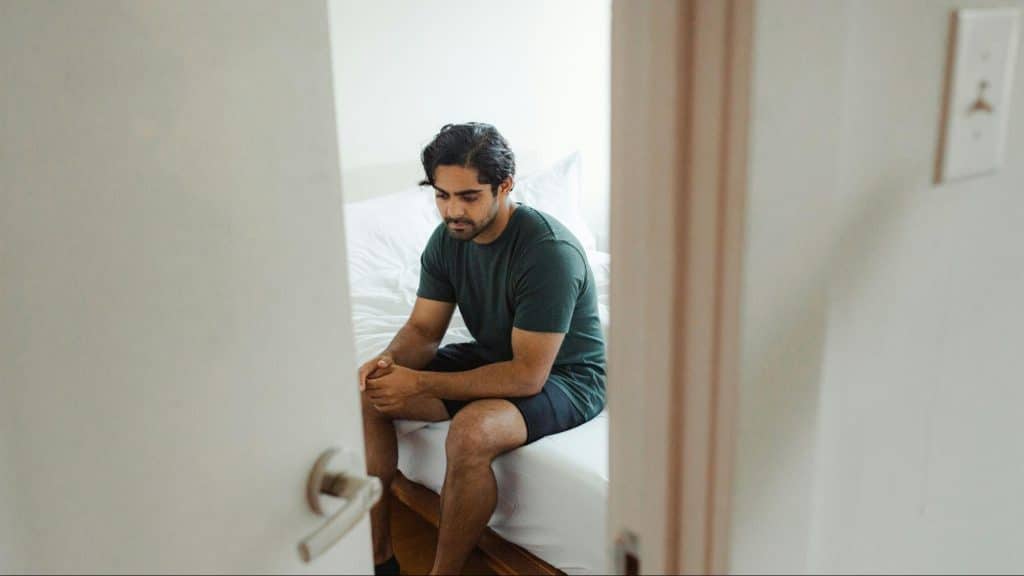
A single life is not always better. It can be lonely, unstable, and emotionally less secure. Couples sometimes forget that during stressful seasons. They remember the freedom and forget the downsides. Healthy reflection includes both sides. Relationships offer companionship, teamwork, and long-term support. Those benefits matter deeply. But they still require maintenance to feel worth it. If the relationship stops feeling worth it, people start romanticizing single life. That is often a sign the relationship needs new energy. These last realizations keep the picture balanced.
Missing Single Life Often Means the Relationship Needs Updates

Many couples miss single life during seasons of burnout or routine. That does not always mean the relationship is wrong. It often means it is outdated. Needs change over time, so the relationship structure must evolve. If roles, routines, or boundaries are stuck, frustration grows. Updating the relationship can restore excitement and peace. This includes renegotiating responsibilities, creating more autonomy, and bringing back novelty. A relationship should not be a cage. It should be a partnership. Partnerships improve with honest updates. Avoiding updates creates resentment and fantasy. Honest updates create relief and closeness.
What to Do: Normalize Individual Time Without Drama

Talk about alone time as a healthy need, not a rejection. Create a weekly schedule that includes solo time for both partners. Make it fair so one person does not get all the freedom. Respect the alone time without guilt trips or constant texts. This reduces suffocation and improves patience. When patience improves, conflict decreases. When conflict decreases, the relationship feels lighter. Light relationships feel more romantic. Alone time can make time together better. The goal is balance, not distance.
What to Do: Add Novelty Without Adding Risk

Novelty does not require flirting with danger. It can be a new restaurant, a new hobby, a weekend trip, or a new routine together. The key is shared experiences that feel fresh. Shared novelty builds bonding and playfulness. Playfulness reduces stress and increases affection. Schedule one “new thing” each month so routine does not take over. Make it simple and doable. Novelty should feel fun, not like pressure. When novelty returns, single-life fantasies often shrink. The relationship starts feeling alive again.
What to Do: Stop the Parent-Child Dynamic Before It Grows

If one partner carries most of the planning and responsibility, resentment builds. Resentment makes single life feel attractive. Fix this by sharing ownership, not just chores. Assign real categories so the mental load is balanced. Remove the reminder cycle where one person becomes the manager. Management kills romance. Partnership builds attraction. A balanced home feels more peaceful. Peace reduces the fantasy of being alone. When both people show initiative, the relationship feels lighter. Lightness is what many people miss about being single.
What to Do: Protect Friendship and Identity Outside the Relationship

Healthy relationships support friendships and personal goals. Encourage separate hobbies and social time. Do not treat independence as disloyalty. Independence often keeps the relationship more interesting. It gives both partners new energy to share. It also reduces pressure on the relationship to meet every emotional need. When the relationship carries every need, it becomes heavy. When life is well-rounded, love feels easier. Protecting identity also reduces resentment. Less resentment means more warmth. More warmth means more closeness.
What to Do: Improve Conflict Repair So Home Feels Peaceful

If home feels tense, single life starts sounding peaceful. That is a signal to improve repair. Use a calmer tone, faster accountability, and clearer communication. Close loops after arguments instead of pretending nothing happened. Make emotional safety a priority. Emotional safety reduces the need to escape. It also increases affection and openness. When conflict becomes repairable, the relationship feels stable again. Stable relationships feel worth staying in. Peace should be built inside the relationship, not found outside it. Better conflict habits can change everything.
Missing Single Life Can Be a Wake-Up Call, Not a Warning Sign

Couples sometimes miss parts of being single because single life offered freedom, quiet, and fewer emotional demands. That does not mean the relationship is failing. It often means a need is being ignored: autonomy, novelty, identity, or peace. The healthiest move is to treat the feeling as information, not guilt. Relationships stay strong when they evolve instead of staying rigid. Adding individual space, shared novelty, fair responsibility, and better repair can bring the best of both worlds. The goal is not to return to single life. The goal is to make the relationship feel lighter, safer, and more alive. When that happens, the parts of single life that are missed become less tempting. A good relationship should not remove freedom. It should turn freedom into a shared choice.








Ask Me Anything