
Many married men do not wake up planning to hurt their relationship. The damage usually happens quietly through routines that feel normal, harmless, or “just how life is.” Over time, those habits reshape the emotional climate at home. Love can still be present while intimacy, respect, and trust slowly thin out. The tricky part is that these habits rarely cause an immediate crisis, so they are easy to ignore. Then one day, the marriage feels colder and nobody can name why. These are the habits married men often admit created distance in their relationship. Not because they were evil, but because they were unintentional and repeated. The goal is awareness before the habit becomes the culture.
Saving the Best Energy for Everyone Else

Many men show patience and positivity at work, with friends, or in public. At home, they are tired, blunt, and emotionally unavailable. Their wife ends up getting the leftovers. This makes home feel like a low priority even if he “provides.” Over time, she stops expecting warmth. The man may not notice because he is still physically present. But emotional presence matters more long-term than proximity. A marriage weakens when home becomes where effort goes to die.
Treating Silence as Peace When It Is Actually Avoidance

Some men avoid difficult conversations because they hate conflict. They believe not talking about problems keeps the marriage calm. But avoidance creates emotional debt, not peace. Issues stay unresolved and keep resurfacing with more tension. The wife feels unheard and eventually stops trying. Then the man thinks things improved because she is quiet. Quiet can mean resignation, not satisfaction. A habit of silence slowly kills intimacy.
Being “There” While Mentally Elsewhere

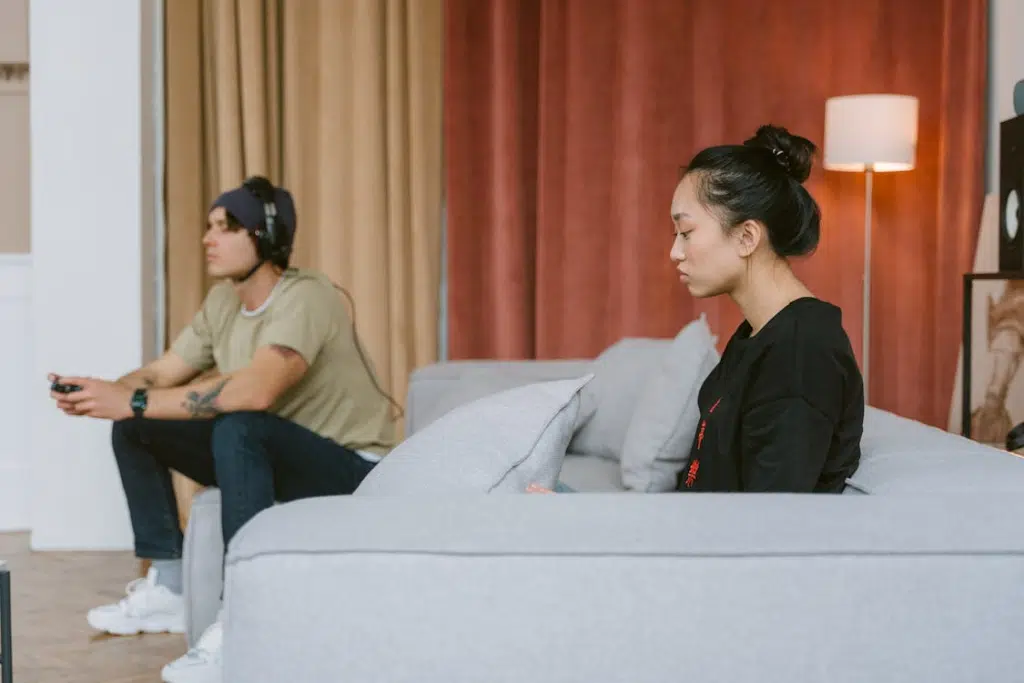
A man can sit on the couch with his spouse and still be absent. Screens, scrolling, and constant distraction replace real engagement. The wife starts feeling like she is competing with a device. Small bids for connection get missed repeatedly. Over time, she stops trying because it feels pointless. The marriage becomes functional but emotionally thin. Many men admit they did not realize how damaging partial attention was. Presence is one of the strongest forms of love.
Letting Small Disrespect Slip Into Normal Tone
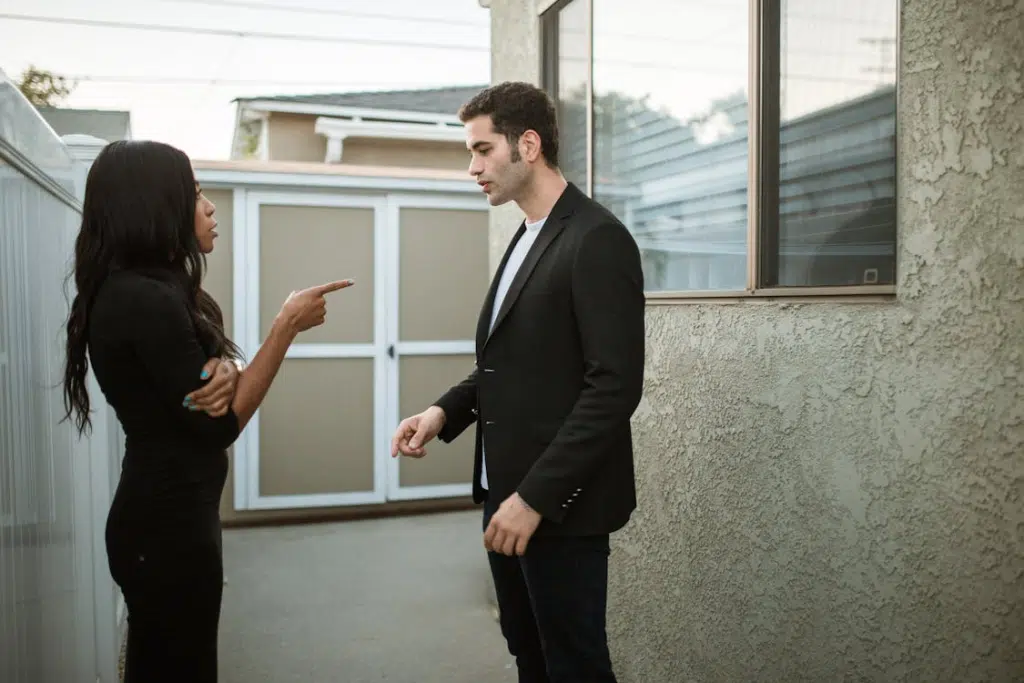
Sarcasm, eye-rolling, sharp replies, and dismissive tone often start small. Stress makes it feel justified. But tone teaches the relationship whether it is safe. Disrespect makes intimacy feel risky and closeness feel expensive. Many men admit they did not notice how often they sounded irritated. The wife may not even argue, she just withdraws. Over time, warmth disappears. The relationship becomes colder even without big fights. Tone is a daily decision.
Only Taking Problems Seriously When There’s a Crisis
Some men respond fast when the marriage is about to break, but ignore early warning signs. They wait for a breaking point to act. By the time they react, their spouse has often been carrying resentment for years. The man feels blindsided because the change feels sudden. The wife feels exhausted because the change is late. Emergency effort does not rebuild trust as well as consistent effort. Many men admit they waited too long because things looked “fine.” Fine can still be failing.
Expecting Appreciation While Not Giving It

Many men want to feel respected and valued, which is normal. But some stop expressing appreciation once married. They assume their wife knows she is valued. Over time, she feels invisible. Feeling invisible makes people try less. A man may not notice because the house still runs and responsibilities still get done. But emotional energy changes when appreciation disappears. Gratitude is maintenance, not extra. Many men admit they only noticed this after distance formed.
“Helping” Without Taking Ownership

Some men contribute, but only when asked. They treat household responsibility as something the wife manages and they assist with. This creates a manager-assistant dynamic that kills attraction. The wife feels like she has another dependent, not a partner. The man feels nagged and becomes defensive. The issue is not effort only, it is initiative. Ownership means noticing and acting without reminders. Many men admit they underestimated how exhausting it is to manage everything. Partnership requires leadership, not occasional help.
Turning Feedback Into a Personal Attack

When a wife raises a concern, some men hear it as criticism of their identity. They defend, debate, or shut down. This makes honest conversation feel unsafe. Over time, the wife stops sharing needs and starts self-silencing. The marriage becomes calmer but less intimate. Many men admit they would have prevented distance by listening better. Feedback is usually an attempt to repair, not to insult. Being coachable is a relationship skill. Defensiveness is one of the fastest ways to lose closeness.
Neglecting Friendship Inside the Marriage

Some men focus on responsibilities and forget friendship. They stop teasing, laughing, and spending enjoyable time together. The marriage becomes serious and functional. Without friendship, conflict feels heavier and intimacy feels harder. Many men admit they stopped dating their wife. They assumed romance would survive without effort. But couples drift when fun disappears. Friendship is the glue that keeps couples connected under stress. A marriage needs play, not only duty.
Using Work Stress as an Excuse for Emotional Coldness

Stress is real, but it can become a constant excuse. A man brings pressure home and becomes irritable or checked out. The wife learns to avoid him when he is stressed. That creates distance even on normal days. Over time, the home becomes a tension zone instead of a safe place. Many men admit they did not manage stress well. Emotional regulation protects relationships more than people realize. Stress should be discussed, not dumped. A calm home is built, not lucked into.
Treating Intimacy Like a Separate Issue

Some men think bedroom activity problems are purely physical or frequency-based. They ignore the emotional climate that fuels intimacy. When appreciation, respect, and emotional presence drop, intimacy often drops too. Then resentment grows on both sides. Many men admit they did not realize intimacy is a mirror. It reflects safety, closeness, and connection. Pressuring or sulking makes it worse. Intimacy improves when the relationship atmosphere improves. It cannot be demanded like a service.
Avoiding Conversations About Money Until It Becomes a Fight

Many men avoid money talks because they feel stressful or controlling. They delay budgets, goals, and planning. Small issues then become big conflicts. Money fights are rarely about numbers only. They are about trust, safety, and priorities. Avoidance creates secrecy and anxiety. Many men admit they let money become a silent tension. A marriage feels safer when finances are collaborative. Clarity reduces fear. Avoiding money creates unnecessary conflict.
Letting Outside People Influence the Marriage Too Much

Some men prioritize friends, family, or outside opinions over the marriage unit. They allow disrespect from relatives or overshare private conflicts. This makes their spouse feel undefended. Loyalty becomes questionable even if the man “means well.” Many men admit they tried to keep peace with everyone else and created tension at home. Boundaries protect intimacy. A spouse needs to feel chosen publicly, not just privately. When outsiders have too much access, marriage becomes fragile. Protection is part of commitment.
Becoming Emotionally Predictable in a Bad Way

Predictability can be comforting, but it can also become neglect. Some men become predictable in being unavailable, distracted, or uninterested. The wife stops expecting effort. That reduces conflict but also reduces closeness. Many men admit they did not notice how their routines communicated “you are not a priority.” Small habits like never initiating conversation or never planning time together send a message. The message is felt even if not spoken. A marriage needs positive predictability too. Predictable care builds security.
Keeping Score Instead of Being a Teammate

When resentment builds, men sometimes start tracking effort. They focus on what they do and what the wife does not do. This turns the marriage into a contract. Teamwork disappears and generosity fades. Even small tasks become symbols of fairness. Many men admit scorekeeping made them colder. It also made their spouse defensive. A marriage thrives on mutual goodwill, not accounting. Scorekeeping grows when appreciation is low. Gratitude is often the antidote.
Choosing Pride Over Repair

Some men avoid apologizing because it feels weak. They hold their ground to feel in control. Over time, this makes the marriage unsafe for honesty. The wife stops believing repair will happen. Then she stops trying. Many men admit pride cost them closeness. Humility is not losing, it is protecting the bond. Repair requires ego to relax. A strong marriage needs two people who can be wrong safely. Pride turns small issues into permanent distance.
Ignoring Early Signs of Emotional Detachment

Less affection, less sharing, less laughter, and less curiosity are early warning signs. Some men ignore them because there is no dramatic conflict. They assume the relationship is fine because it is quiet. Quiet does not always mean healthy. Many men admit they only reacted when their spouse was already emotionally gone. By then, trust was damaged and hope was low. Early attention would have been easier. Detachment grows when it is not noticed. Noticing is a form of leadership.
Making Her Feel Like She Has to Beg for Basics

When affection, attention, and partnership require repeated reminders, dignity gets damaged. A wife may stop asking because it feels humiliating. Over time, she becomes colder and more independent. The man may interpret this as her changing. In reality, she is adapting to being unsupported. Many men admit they did not realize how heavy it feels to beg for basic effort. Love should not require constant chasing. Basics should be consistent. When basics feel optional, trust breaks.
Coasting Because “We’re Married”

Some men treat marriage like the finish line instead of the starting line. They assume commitment means effort can relax permanently. Over time, the relationship runs on autopilot. Autopilot creates routine but not intimacy. Many men admit they took the bond for granted until the distance was obvious. A marriage stays alive through continued choosing. Continued choosing looks like time, attention, repair, and appreciation. Coasting feels harmless until it becomes years. By then, rebuilding is harder.
Quiet Damage Is Still Damage—and It’s Often Preventable

Most marriages do not fall apart because of one dramatic betrayal. They weaken through unaddressed habits that reshape the emotional climate. The good news is that habits can be changed faster than people think once they are named. Small shifts in attention, respect, initiative, and repair can restore warmth quickly. The key is treating the marriage like something to maintain, not something to assume. Awareness is not guilt, it is leadership. These habits are common, but they do not have to be normal. A strong marriage is built through daily choices that keep love felt. Fixing quiet damage early prevents loud regret later.








Ask Me Anything