
Most relationships don’t fall out of rhythm because of dramatic events, they drift slowly through unnoticed habits and tiny emotional shifts. Daily routines that once felt natural begin revealing subtle signs of imbalance, even before anyone speaks up. These clues often hide in the way you talk, move, respond, and coexist with your partner. What feels like “just another day” actually becomes the quiet messenger of deeper issues. When the relationship stops feeling steady, the truth usually appears in the smallest patterns. Noticing these signs early can prevent years of quiet disconnect.
Your Conversations Feel More Like Updates Than Connection

Daily talk becomes a list of tasks, schedules, or reminders rather than meaningful exchanges. The emotional tone that once filled your conversations fades into practicality. You leave discussions feeling informed, but not understood. This shift is subtle but powerful, it signals emotional distance disguised as productivity. When words stop carrying warmth, the relationship begins to cool quietly.
You Start Avoiding Certain Topics to Keep the Peace

You catch yourself editing thoughts, softening opinions, or steering away from anything that could spark tension. This isn’t conflict resolution, it’s emotional self-protection. Avoidance becomes routine, even if the issues are small. Over time, silence replaces honesty. When communication becomes careful instead of open, balance begins to slip.
Shared Activities Feel More Like Obligations Than Enjoyment

Routines you used to enjoy together, meals, errands, evenings at home, feel heavier than they should. The activity itself isn’t the problem; the emotional atmosphere is. You participate out of habit, not desire. The absence of enthusiasm becomes impossible to ignore. When companionship starts feeling chore-like, the connection beneath it is weakening.
You No Longer Celebrate Small Wins Together

Accomplishments that once sparked excitement or pride now pass quietly. The shared joy that once strengthened your bond becomes muted or missing. You stop expecting positive reactions, and they stop offering them. Even simple victories feel solitary. A relationship without shared celebration loses emotional energy fast.
You Feel More Drained After Interacting Than Before

Time with your partner used to feel grounding, but now it leaves you tired in ways you can’t quite explain. Conversation takes effort, silence feels tense, and even routine moments feel heavy. This exhaustion isn’t physical, it’s emotional. When your home no longer feels like a place to recharge, balance has shifted.
Your Partner Stops Noticing Your Emotional Shifts

Changes in your mood, tone, or energy no longer draw attention. What used to spark concern or curiosity now goes unnoticed. You begin navigating emotional weight alone, even if they’re standing beside you. Feeling unseen in your own relationship creates quiet resentment. This lack of attunement is one of the earliest signs of imbalance.
You Catch Yourself Staying Busy to Avoid Interaction

Work, hobbies, errands, or screens become convenient escapes. You subconsciously fill your time to avoid uncomfortable moments or forced closeness. The distance doesn’t show up as conflict, it shows up as distraction. When staying busy feels easier than being present, something deeper is out of sync.
Moments of Physical Closeness Feel Less Natural

Hugs, touches, or casual closeness feel slightly awkward or out of rhythm. The hesitation is small but noticeable. Physical connection no longer flows the way it once did. This isn’t about desire, it’s about emotional alignment. When the body hesitates, the heart is usually already signaling imbalance.
You’re Doing More Emotional Labor Without Noticing
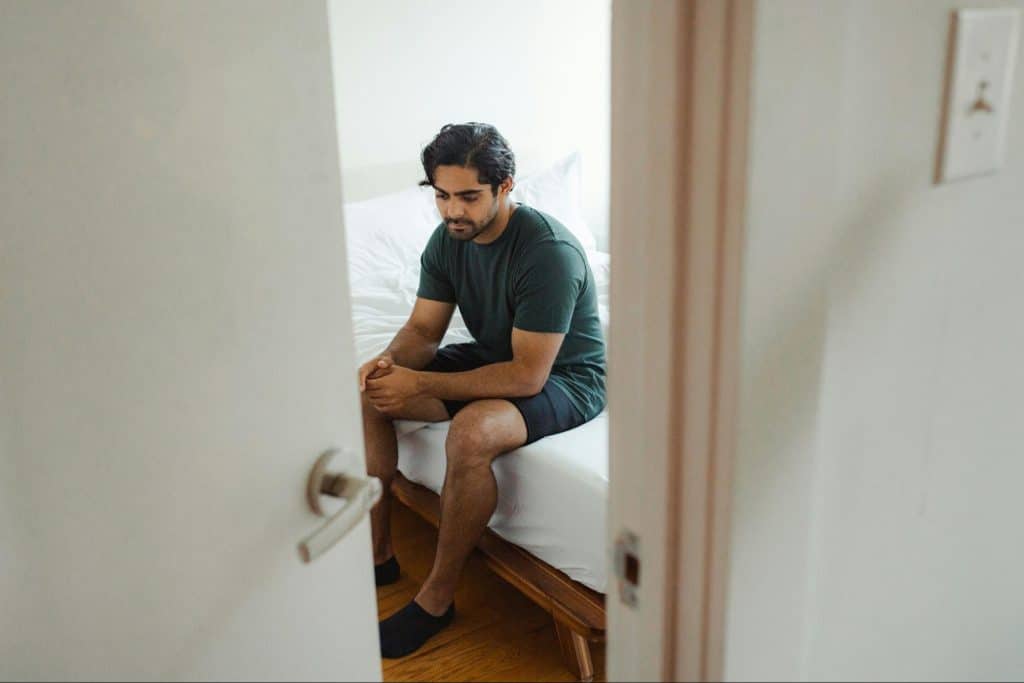
You’re often the one initiating conversations, smoothing over tension, or keeping the routine running smoothly. You carry the emotional structure of the relationship without acknowledging the imbalance. The weight grows slowly, so it’s easy to miss. Uneven emotional labor is one of the strongest predictors of long-term disconnect.
Your Arguments Feel Repetitive Instead of Resolving Anything

Conflicts don’t escalate, but they also don’t evolve. The same frustrations resurface because nothing shifts after the conversation ends. You’re talking, but not repairing. Stagnant conflict is a sign that emotional alignment has stalled. The relationship becomes a loop rather than a partnership.
You Notice They’re More Relaxed Around Others Than Around You

Their laughter, tone, or energy seems different with friends or coworkers. The version of them you used to see daily now appears only in public. This emotional contrast reveals a disconnect that words rarely describe. When someone is lighter with others than with you, the relationship is carrying weight it shouldn’t.
You Begin to Overthink Simple Interactions

Small comments or neutral reactions suddenly feel loaded. You analyze tone, timing, and meaning in ways you never did before. Overthinking becomes a quiet sign that the relationship no longer feels steady. When the mind starts doing work the heart used to handle naturally, imbalance is already present.
You Feel Less Like a Team and More Like Two Individuals Sharing Tasks

Cooperation remains, but connection doesn’t. You complete responsibilities together without feeling emotionally aligned. The relationship functions, but it doesn’t flow. This shift often appears in routines before anywhere else. Function without connection leads to emotional drift.
Your Partner Withdraws Without Explanation

You notice shorter responses, less enthusiasm, or quieter moods without clear reason. The emotional presence that once defined your relationship feels inconsistent. Their withdrawal isn’t loud, it’s subtle and steady. When someone pulls back quietly, imbalance deepens quickly.
You Stop Bringing Up Future Plans

The future used to be a natural part of the conversation; now it feels heavy or uncertain. You hesitate to discuss long-term ideas because the present doesn’t feel stable. The absence of future talk signals emotional distance in the present. Relationships lose momentum long before they lose love.
You Experience More Relief Than Comfort in Time Apart

Breaks in the routine feel more like emotional rest than simple personal time. Space starts feeling safer than closeness. This clarity often appears gradually, through moments you don’t want to admit. Relief reveals imbalance far more honestly than conflict does.
You Feel Unseen Even When Your Efforts Increase

You try harder, listening more, doing more, adjusting more, yet the emotional response remains flat. Your efforts feel invisible, not because they lack value, but because the connection is misaligned. Feeling unseen despite trying is one of the most discouraging signs of imbalance. Overcompensation is the heart’s way of signaling something’s wrong.
Conclusion – When Daily Life Speaks Louder Than Words

Relationships don’t fall apart through dramatic arguments, they fade through unspoken routines and unnoticed shifts. The clues are woven into the way you talk, move, connect, and interpret daily interactions. Recognizing these signs isn’t about blame; it’s about awareness. Even subtle imbalance has a way of revealing deeper emotional truths. When the day-to-day routine starts feeling heavier than it should, it’s the relationship’s way of asking for attention before the distance grows too wide to bridge.








Ask Me Anything