
Everyone needs breaks, hobbies, and personal time. The distinction between healthy self-care and responsibility avoidance lies in patterns: occasional downtime versus systematic choosing of personal escape when family needs presence. When golf, gaming, drinking, sports watching, or other escapes consistently win when competing with family obligations, children’s events, partner’s needs, household responsibilities, important moments, the pattern reveals actual priorities. These eighteen specific instances expose moments where escape activities were chosen while crucial responsibilities went unmet, demonstrating a systematic avoidance pattern that abandons family while pursuing personal pleasure.
Missing Child’s Recital/Performance for Golf/Sports/Hobby Time
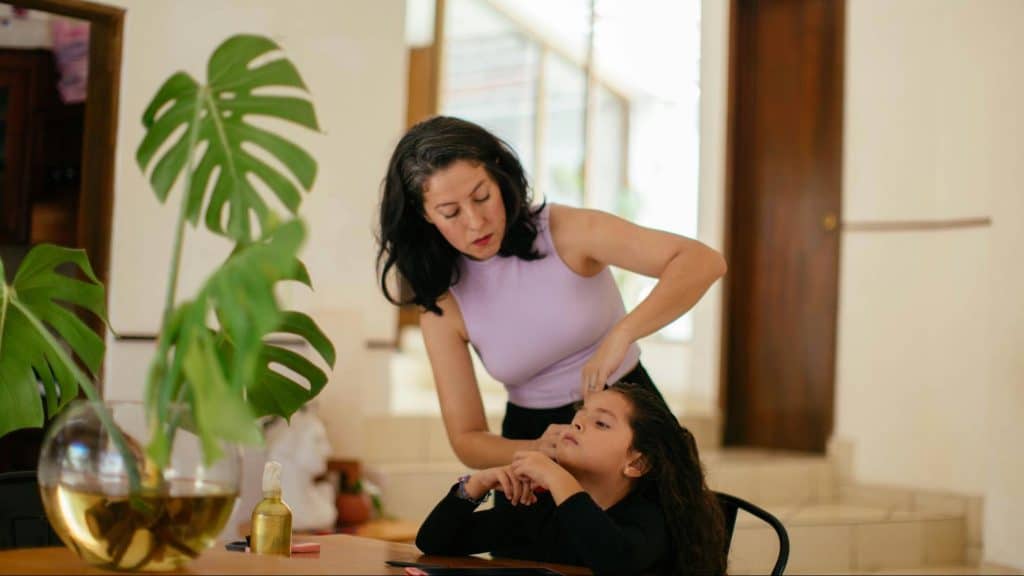
Scheduling or prioritizing recreational activity during child’s performance, recital, or presentation. This absence during a child’s moment means hobby mattered more than their experience. If a golf game, fishing trip, or hobby commitment occurred during a child’s performance, escape won over parenting. The pattern creates a permanent memory of a parent’s absence during important moments. One-time events can’t be recovered. Children remember who showed up. Escape-choosing during milestones communicates that hobbies matter more than their achievement.
Skipping Parent-Teacher Conference for Recreational Activity
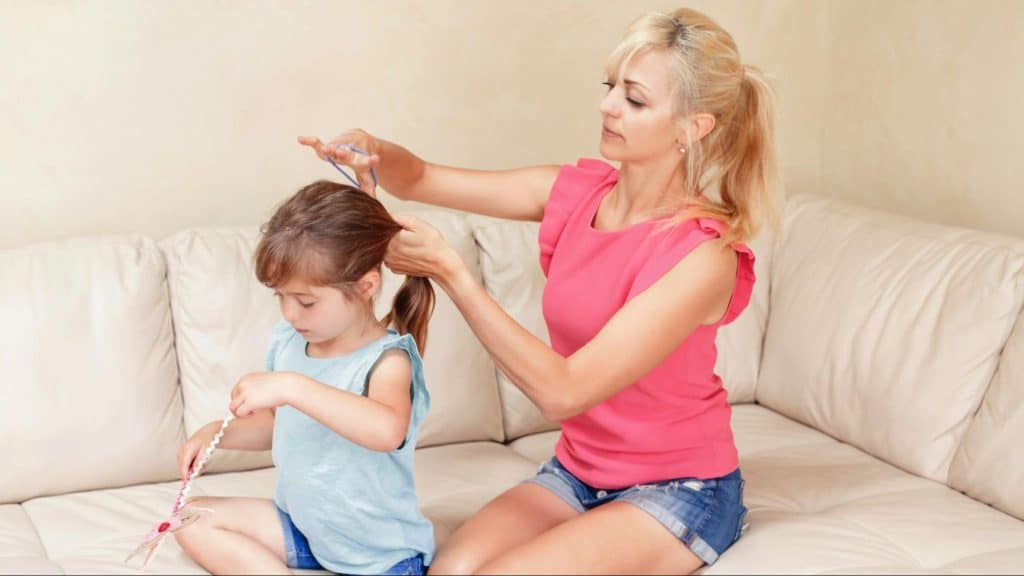
Choosing personal leisure, poker night, sports event, hobby time, instead of attending scheduled parent-teacher conferences. This education-meeting absence means recreation is prioritized over children’s academic involvement. If conference time coincided with escape activity and escape won, parenting lost. The pattern leaves the partner to solo-parent educational involvement. Conferences happen a few times yearly requiring minimal time investment. Missing for recreation communicates that education participation isn’t a priority. Academic involvement requires occasional presence.
Leaving Partner Solo at Child’s Important Medical Appointment for Personal Time

Choosing recreational activity instead of accompanying family to a significant medical appointment, specialist visit, procedure, diagnosis discussion. This medical absence means comfort prioritized over family support during stressful situations. If important medical appointments coincided with escape opportunities and escape won, support provision lost. The pattern leaves the partner to handle medical stress alone while you pursue pleasure. Significant medical moments need both parents present. Escape-choosing during medical stress is support abandonment.
Choosing Hobby Over Helping During Her Crisis or Difficult Time

Prioritizing recreational activity when a partner experiencing crisis, difficulty, or expressed need for support. This crisis-abandonment means escape mattered more than her struggle. If she needed support, emotional crisis, overwhelming situation, expressed need, and you chose escape activity instead, support failure occurred. The pattern means her difficulties don’t interrupt your recreation. Partners support each other during hard times. Escape-choosing during her crisis is abandonment. Difficult moments require presence not escape.
Missing Anniversary/Birthday to Attend Sports Event or Guy’s Weekend

Scheduling or prioritizing recreational activity, game attendance, guys’ trip, hobby event, during significant relationship milestones. This occasion-absence means recreation outranked relationship importance. If anniversary dinner or birthday celebration conflicted with escape opportunity and escape won, relationship lost priority contest. The pattern communicates special occasions matter less than recreation. Annual milestones deserve presence. Escape-choosing during relationship occasions is disrespectful. Special days should win priority battles.
Being Drunk or Checked Out When She Needed Serious Conversation

Drinking or engaging in escape activity when a partner needed important discussion about relationships, problems, or decisions. This conversation-unavailability means escape prevents necessary communication. If serious conversation attempts met intoxicated or checked-out state from escape activities, communication was abandoned. The pattern uses escape to avoid difficult but necessary conversations. Important discussions require presence and sobriety. Escape-induced unavailability prevents relationship maintenance. Adults handle difficult conversations without hiding.
Leaving Her Alone With Sick Kids to Pursue Recreation
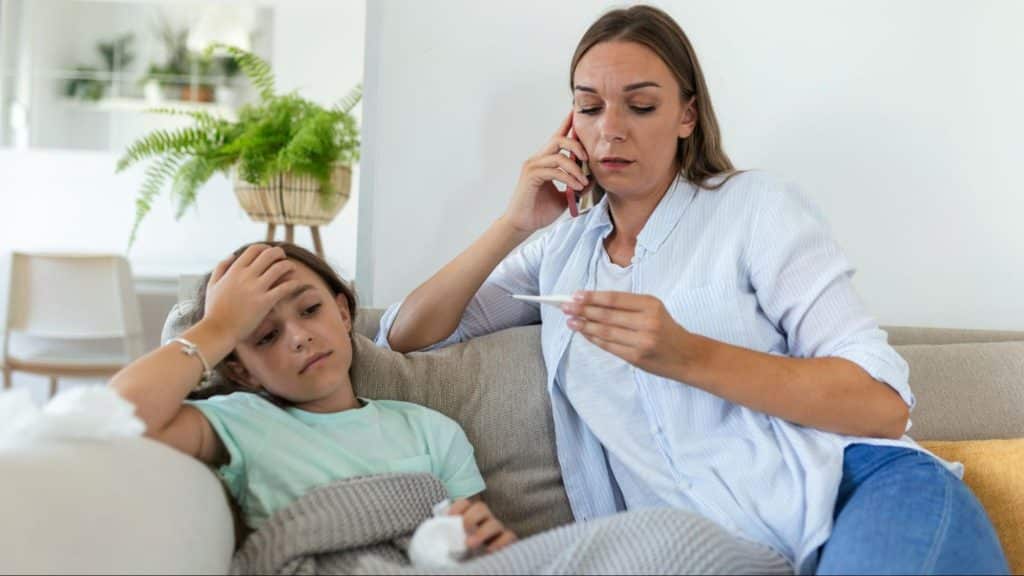
Choosing personal escape activity while she manages ill children alone. This sick-day abandonment means recreation is prioritized over family care during difficult times. If children were sick requiring care and you pursued golf, hobby, or escape instead of helping, the caregiving burden was shirked. The pattern means sick days are her problem while you escape. Ill children need both parents. Escape-choosing during sick days is care abandonment. Family illness requires presence not recreation.
Leaving Major Household Project Incomplete for Weeks While Pursuing Hobbies

Starting home repair, improvement, or necessary project then abandoning half-complete for weeks while time goes to recreational activities. This project-abandonment means escape time exists but completion time doesn’t. If a home project sits unfinished creating an ongoing problem while hobby time continues uninterrupted, priority is obvious. The pattern means home maintenance loses to recreation consistently. Started projects deserve completion. Escape-time existing while work remains undone reveals priority hierarchy. Abandoned projects while pursuing recreation shows actual priorities.
Choosing Recreation Over Helping With Major Cleaning or Preparation
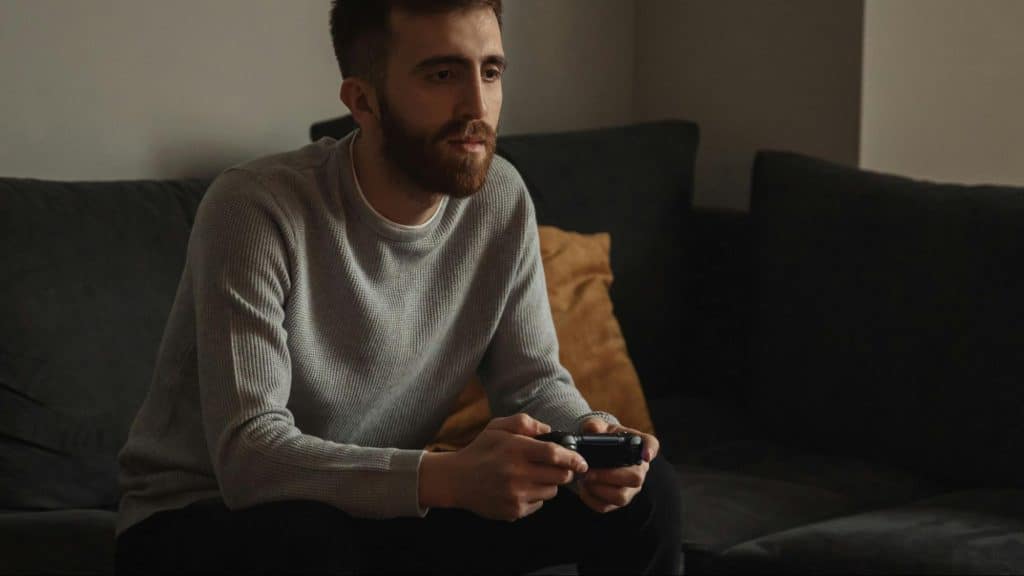
Pursuing personal escape when the house needs major cleaning, event preparation, or significant household work. This help-absence during big tasks means recreation trumped shared work. If major cleaning day, party preparation, or household project day met your escape to recreation, help was refused. The pattern leaves the partner to handle major tasks solo while you play. Large household tasks need both people. Escape-choosing during big jobs is work abandonment. Shared responsibilities require shared participation.
Playing While She’s Drowning in Household Management
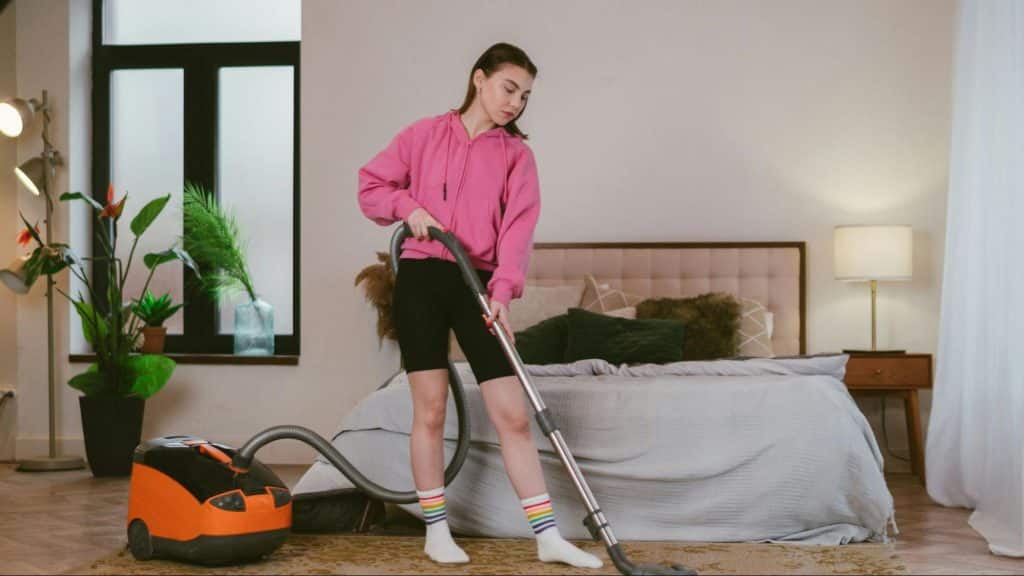
Engaging in extended recreational activity, gaming, sports watching, hobbies, while the partner is visibly overwhelmed by household tasks, childcare, or responsibilities. This help-absence during overwhelm means escape prioritized over support. If she’s drowning in work while you’re gaming, watching sports, or pursuing a hobby, awareness and care are absent. The pattern involves seeing overwhelm and choosing escape anyway. Partners help during overwhelm. Escape-choosing while she struggles is support refusal. Visible overwhelm requires help not spectating.
Spending Money on Hobbies While Bills Go Unpaid or Family Needs Go Unmet

Allocating money to recreation, hobbies, or personal escapes while household bills remain unpaid or family needs are declared unaffordable. This spending-priority means escape funding supersedes necessity funding. If hobby expenses continue while claiming inability to afford children’s needs, bills, or household necessities, financial priority is inverted. The pattern means discretionary escape spending happens while essential spending doesn’t. Bills should precede recreation. Escape funding while necessity funding is “unavailable” reveals actual priority. Financial responsibility requires covering needs before wants.
Taking Vacation Days for Personal Recreation While Refusing Time for Family Obligations

Using vacation days, personal time, or flexibility for recreational pursuits while claiming inability to take time for family needs, appointments, or obligations. This time-allocation means escape gets official time while family gets excuses. If golf trips, guy’s weekends, or hobby time utilize vacation days while family appointments “can’t be scheduled,” time priority is clear. The pattern gives formal time-off to recreation while family needs can’t find schedule space. Vacation time should include family. Escape-only vacation allocation reveals actual priority. Time availability for fun but unavailability for family shows priorities.
Canceling Plans With Family When Better Escape Opportunity Arises

Breaking commitments to family when more appealing recreational opportunities emerge. This commitment-breaking means family plans are conditional and disposable. If family outing, promised time, or commitment gets cancelled because golf invitation, game tickets, or hobby opportunity appeared, promises aren’t binding. The pattern treats family commitments as tentative while escape opportunities are prioritized. Commitments should be kept. Breaking family promises for recreation reveals hierarchy. Conditional family commitments communicate actual status.
Being “Too Tired” for Family Activities But Energized for Recreation
Claiming exhaustion, depletion, or inability to participate in family activities while somehow having energy for recreational pursuits. This selective exhaustion reveals where energy actually exists. If “too tired” for family dinner, children’s activities, or partner time but energized for golf, gaming, or hobbies, exhaustion is an excuse not reality. The pattern means energy availability is activity-dependent. Exhaustion should affect all activities equally. Selective fatigue for family activities while recreation energy exists reveals priority. Energy follows desire.
Promising to Quit or Reduce Escape Activity But Never Following Through

Repeatedly committing to reduce gaming, drinking, hobby time, or recreational consumption then continuing unchanged. This promise-breaking means commitments are empty words. If multiple promises to cut back escape activities meet zero behavior change, words are meaningless. The pattern uses promises to create temporary peace while maintaining actual behavior. Following through requires action. Repeated promises without change are manipulation. Empty commitments reveal actual intention to continue. Promises without execution are lies.
Continuing Recreation During Family Emergency or Crisis

Maintaining recreational activity involvement when a family faces an emergency, crisis, or urgent situation. This crisis-continuation means escape couldn’t be interrupted for an emergency. If a family emergency occurred during escape activity and you resisted or refused to return, recreation prioritized over crisis. The pattern means escape is more important than family emergency. Real emergencies require presence. Escape-continuation during a crisis is extreme abandonment. Family emergencies should interrupt everything including recreation.
Being Unreachable During Escape Time Even for Urgent Family Needs

Making self unavailable or unreachable during recreational activities even when family might need contact. This unreachability means escape time is protected from family interruption at all costs. If phone goes off, location is unknown, or contact is impossible during recreation time, availability for family needs is eliminated. The pattern means escape time is sacred while the family needs to wait. Parents need to be reachable. Unreachability during escape is availability refusal. Family should be able to reach you always.
Prioritizing Escape Recovery Time Over Family Participation
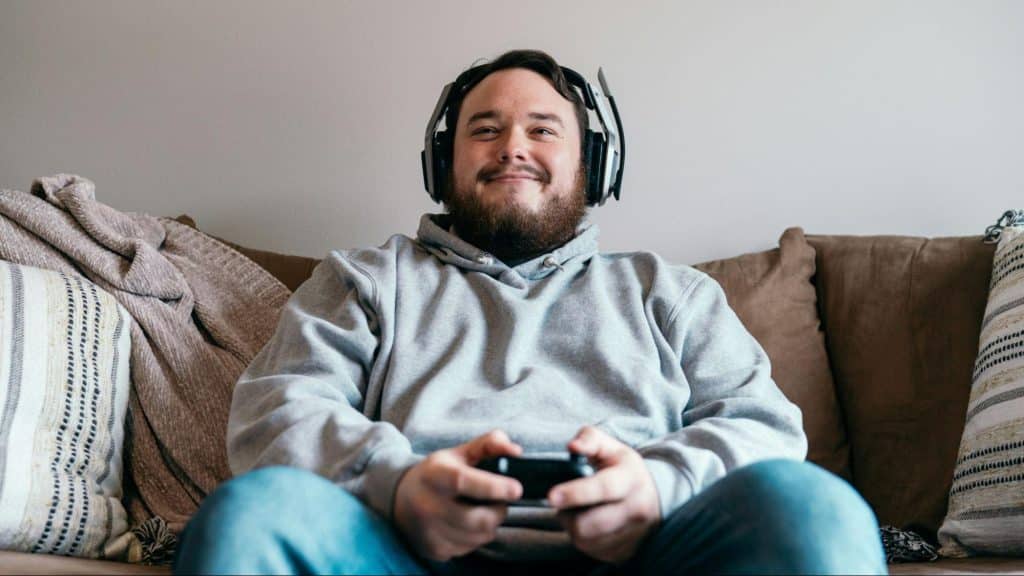
Requiring extended recovery time from recreational activities, hangovers, exhaustion, depletion, making you unavailable for family participation. This recovery-requirement means recreation has aftermath family management. If drinking requires day-after recovery, gaming creates sleep-deprived uselessness, or hobbies require recovery period preventing family engagement, escape costs extend beyond activity. The pattern means family gets not just activity absence but recovery absence too. Recovery time is an escape cost to the family. Multi-day impact from recreation doubles abandonment. Escapes requiring recovery periods cost the family twice.
Consistent Escape-Choosing Reveals Actual Priorities

These eighteen specific instances reveal a pattern of choosing personal escape activities over family responsibilities, children’s needs, partner’s support requirements, household obligations, and important moments. Occasional recreational time is healthy; systematic pattern of escape winning every priority contest with family obligation is abandonment disguised as self-care. The choice pattern demonstrates actual values more honestly than any stated priorities. If multiple instances resonate, escape consistently outranks family creating one-sided burden where partner manages all responsibilities while you pursue personal pleasure. Adults balance recreation with responsibility; perpetual escape-choosing while responsibilities go unmet is shirking not balance. Children remember missed events. Partners notice consistent absence during needs. Families can’t function when one person systematically chooses escape over obligation. Recreation deserves some time; family deserves most time. The current pattern may be inverted.








Ask Me Anything