
Most people do not wake up one morning and suddenly want a divorce. The desire to leave usually builds through months or years of small choices that weaken trust, closeness, and respect. Many of those choices look harmless in the moment, especially when life is busy and stress is high. The problem is that repeated small decisions create a new normal, and the marriage slowly becomes a place of tension or loneliness. By the time divorce feels “inevitable,” the emotional separation has often already happened. This is not about blaming one partner for everything. It is about recognising the everyday patterns that quietly push a relationship toward the exit.
Choosing Silence Instead of Addressing Issues Early

Many marriages break because problems are delayed until they become crises. Silence can feel like keeping the peace, but it usually becomes emotional avoidance. When issues stay unspoken, resentment has space to grow. Partners start guessing intentions instead of clarifying reality. The longer a problem sits, the harder it feels to bring up. Eventually, silence becomes distance. Distance is often the first stage of divorce.
Choosing “Winning” Arguments Over Understanding

A marriage shifts when conflict becomes about dominance instead of repair. Winning an argument can feel satisfying short-term, but it creates long-term damage. It teaches the other person that honesty is unsafe. Partners start withholding, hiding, or collecting evidence instead of cooperating. The relationship becomes a courtroom instead of a team. Over time, the emotional bond weakens because respect turns into competition. A marriage cannot stay intimate when it is always a power struggle.
Choosing Convenience Over Consistent Effort

Many couples stop doing small efforts once life gets busy. Dates stop, compliments fade, and connection becomes optional. Convenience becomes the default because it feels easier than intentional love. Over time, one or both partners feel taken for granted. The relationship becomes functional, not alive. When effort disappears, attraction often follows. A marriage survives routines, but it does not survive neglect.
Choosing Low-Quality Communication as “Normal”

Texting instead of talking, sarcasm instead of clarity, and vague hints instead of direct needs slowly erode trust. Many couples normalise bad communication because they assume it is just adulthood stress. But communication style becomes the emotional climate of the marriage. If the climate is tense, defensive, or dismissive, love starts shrinking. Misunderstandings turn into patterns. People stop feeling safe to be honest. When honesty disappears, intimacy usually goes next.
Choosing to Let Resentment Sit Unchecked

Resentment is built from repeated disappointments that never get repaired. It grows when one partner feels ignored, overworked, or disrespected. Instead of addressing it, couples often cope by withdrawing or getting passive-aggressive. That does not solve the issue, it stores it. Resentment turns minor mistakes into proof of failure. It also kills generosity because people stop wanting to give. Divorce often begins when resentment becomes the default lens.
Choosing “I’m Fine” When You’re Not

Many people say they are fine to avoid conflict or appear strong. But the relationship still feels the emotional disconnect. Over time, pretending becomes lying, even if it is unintentional. The partner stops knowing what is real. Emotional secrecy creates isolation inside the marriage. Isolation is often more painful than conflict. When someone feels alone for too long, leaving starts feeling logical.
Choosing to Stop Repairing After Conflict

Every couple argues, but not every couple repairs. Skipping repair means the emotional bruise stays. That bruise turns into emotional debt over time. Partners start keeping distance because closeness feels risky. Small arguments become heavy because old wounds are still open. A marriage without repair becomes a marriage of unresolved tension. Unresolved tension makes divorce feel like relief.
Choosing Outside Validation Over Internal Connection

Some people turn to friends, coworkers, social media, or family for emotional comfort instead of turning to their spouse. Support systems are healthy, but replacement intimacy is dangerous. When outsiders become the main emotional refuge, the marriage weakens. Partners stop confiding in each other. That creates two separate lives under one roof. Emotional affairs can start as “just talking.” Divorce often follows when the marriage is no longer the primary bond.
Choosing to Avoid Boundaries With Family and Friends

A marriage suffers when outsiders regularly influence decisions, create conflict, or disrespect the partner. Avoiding boundaries might feel like keeping peace with family or friends. But it usually creates resentment inside the marriage. A spouse begins to feel unprotected and alone. Loyalty is not only about fidelity, it is about prioritising the partnership. When a partner refuses boundaries, trust drops. Trust drops because protection disappears.
Choosing to Treat Money Like a Private Topic

Financial secrecy does not need to be dramatic to be damaging. Hidden spending, hidden debt, and unspoken goals create uncertainty. Money becomes a source of fear instead of teamwork. Partners start assuming bad intent. Even small lies about money can break trust because they signal avoidance. Financial conflict often masks deeper issues like control and insecurity. A marriage becomes unstable when transparency disappears. Divorce becomes more likely when money feels unsafe.
Choosing Neglect of Physical Intimacy Without Addressing Why

Intimacy often fades for understandable reasons like stress, fatigue, health, or resentment. The problem is when it fades and nobody talks honestly about it. Then both partners create silent stories: rejection, inadequacy, or indifference. Physical disconnection becomes emotional disconnection. Couples may still function as a household while intimacy dies quietly. Over time, one partner feels unwanted and the other feels pressured. Divorce becomes more likely when intimacy is treated as an unspeakable problem.
Choosing Individual Survival Over Teamwork
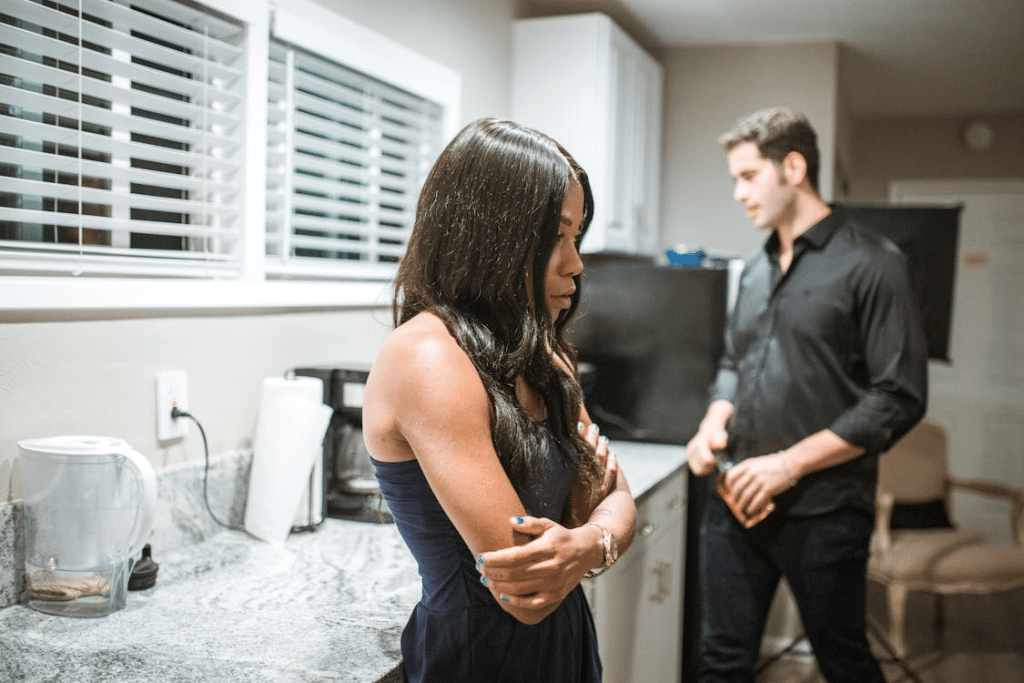
In stressful seasons, couples can shift into separate coping modes. One partner handles everything alone, the other withdraws, and teamwork disappears. Life becomes about survival, not connection. People stop asking, “How are we doing?” and only ask, “What’s next on the list?” That creates two parallel lives. Parallel lives create loneliness even with shared responsibilities. Divorce often happens when the marriage stops feeling like a team.
Choosing Contempt in Small Moments

Contempt shows up as eye-rolls, mocking, sarcasm, and subtle disgust. It often starts as humour and becomes a habit. The issue is that contempt destroys respect faster than conflict does. A relationship can survive disagreements, but it cannot survive ongoing disrespect. Contempt makes a partner feel small and unsafe. Over time, love stops feeling like warmth and starts feeling like tension. Divorce becomes more likely when contempt becomes normal.
Choosing to Delay Growth and Assume Love Should “Just Work”
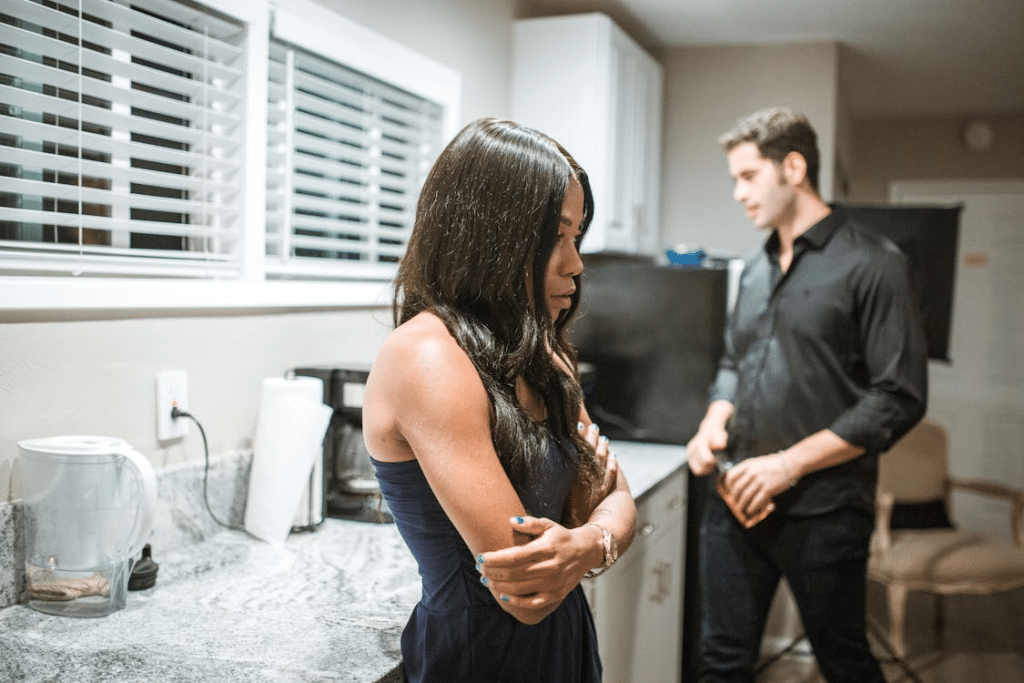
Many couples expect love to carry the relationship without effort. They avoid therapy, ignore skill gaps, and assume problems will fade on their own. Growth gets postponed until the relationship is already unstable. Love is not only emotion, it is skill and structure. Without growth, the same issues repeat. Repetition creates hopelessness. Hopelessness is the emotional engine of divorce.
Choosing Comfort Over Courage When It’s Time to Change

The final choice is often staying in patterns because change feels uncomfortable. Courage looks like hard conversations, accountability, and consistent adjustments. Comfort looks like avoidance, denial, and “this is just how we are.” Many marriages do not end because people stopped loving. They end because people stopped changing. When change feels impossible, leaving feels easier. Divorce often becomes the only “new” option left.
The Moment Divorce Starts—Long Before the Paperwork

Divorce often starts when one partner stops believing their needs matter. It starts when repair stops happening, when resentment becomes normal, and when honesty feels unsafe. Many couples still smile in public during this stage. They still pay bills and do parenting tasks. But emotionally, the relationship is already separating. This is why divorce can feel sudden to one partner. The “sudden” part is often just the announcement, not the process.
What to Do If You Recognise These Choices Now

Recognition is not a guarantee of saving the marriage, but it creates options. The most useful shift is moving from vague hope to measurable change. That includes direct conversations, clear boundaries, consistent repair, and shared responsibility. It also includes rebuilding emotional safety so honesty can return. Small habits matter because they build trust quickly when they are consistent. A marriage often improves when both partners treat it like a team again. The earlier the change starts, the more likely it holds.
True Partnership is Shared Power, Not Controlled Quiet

Real partnership requires a woman who respects boundaries and values shared influence over total compliance. While a partner works with you through disagreements, a controlling dynamic punishes honesty and slowly erodes your independence. It’s vital to recognize these patterns early, as control tends to tighten after commitment. A man shouldn’t look for a supervisor; he should look for a teammate. If the desire for control outweighs the desire for connection, the price is your long-term peace.
The Exit Is Built in Inches, Not Miles

Most divorces are built through slow, repeated choices that weaken connection. Silence, resentment, poor communication, lack of repair, and avoidance of growth slowly turn love into distance. The good news is that the same is true in reverse. Small consistent choices can rebuild safety and teamwork. Divorce is rarely a single moment; it is often the end of a long pattern. Recognising the pattern early is one of the strongest ways to change the outcome. Even if a marriage ends, clarity about the choices reduces bitterness and helps people grow.








Ask Me Anything