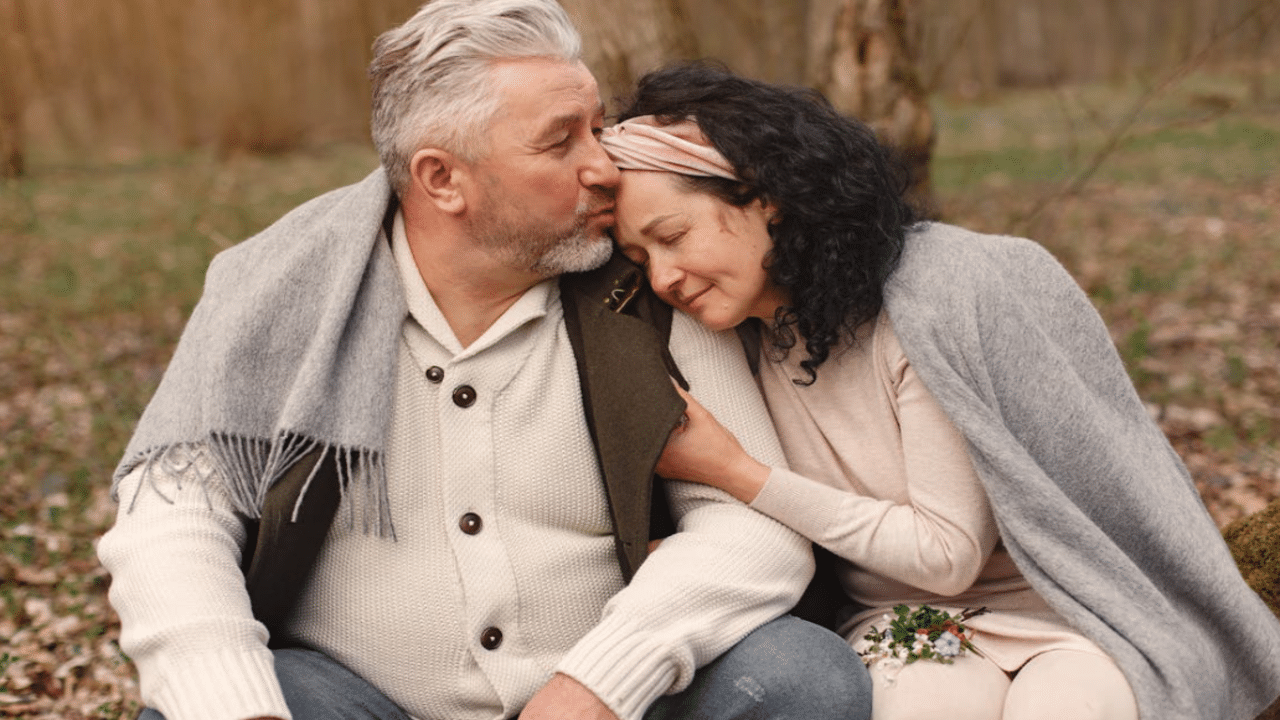
Chivalry gets thrown around a lot—sometimes as a compliment, sometimes as an accusation, and often as a confused mix of both. But the truth is, chivalry today isn’t about outdated gender roles or performative gestures. It’s about showing consideration, practicing emotional intelligence, and creating mutual respect between two people who want to connect.
Modern chivalry isn’t a “men do this, women do that” script—it’s a mindset of kindness, awareness, and stepping up for one another in ways that actually make someone’s day easier. If anything, the new era of chivalry is collaborative: both partners contribute, both care, and both benefit. Here are 18 things that redefine what chivalry looks like in real life—no armor required.
Chivalry Today Is About Thoughtfulness, Not Gender Roles

Thoughtfulness is the real heart of modern chivalry, and it’s something both men and women can practice. It’s noticing when someone’s overwhelmed and offering help before they have to ask. It’s showing up prepared, being present, and expressing respect in small but meaningful ways. Instead of the old idea that men must protect and women must appreciate, today’s version is about shared kindness. If you want to be “chivalrous,” start by being attentive—and let that attentiveness flow both ways. People remember effort more than theatrics.
Kindness Isn’t a Weakness—It’s Emotional Maturity

A lot of people were raised to think kindness makes you seem soft, but in reality, it signals strength and emotional security. Someone who treats others well—servers, strangers, kids, parents—shows how they’ll treat you when life gets complicated. This kind of chivalry is rooted in empathy, not ego, and it doesn’t rely on clichés like “men must lead” or “women must submit.” It simply means you’re emotionally steady enough to be gracious. In a world where cynicism is the default, kindness is a real flex.
Small Gestures Matter More Than Grand Ones

People often assume chivalry requires dramatic gestures, but it’s the small, consistent moments that actually build trust. Sending a “text when you get home,” remembering their favorite snack, adjusting your pace when you walk together—these things add up. Grand gestures are nice, but they’re rare; daily consideration is what people truly crave. Modern chivalry thrives in the tiny details that show you’re paying attention. Anyone can buy flowers; not everyone notices when you’re cold and hands you their jacket without turning it into a performance.
Respect for Boundaries Is the New Romantic Gesture

Respecting boundaries is one of the clearest ways to show modern chivalry. Whether it’s giving someone space after a long day, asking before touching, or listening when they say “not right now,” boundaries build trust—not distance. This flips the old script where persistence was praised. Today, emotional attunement is far more attractive than pushing for closeness too quickly. The most chivalrous people understand that comfort creates connection, and they care about your well-being more than their agenda.
Offering Help Should Never Feel Like a Power Move

Chivalry becomes uncomfortable when help is framed as superiority. Real help is collaborative—it asks, “Would you like me to?” instead of assuming. Some people love having doors opened for them; others feel patronized. The difference is consent and intention. A modern approach is to offer support without expectation: carry something heavy because it makes life easier, not because it proves dominance. True chivalry isn’t about control; it’s about easing someone’s load in a way that respects their autonomy.
Confidence Without Arrogance Is Attractive to Everyone

Old-school chivalry sometimes blurred into competitiveness—men proving worth, women proving virtue. Today’s version is grounded in quiet confidence: being self-assured without needing to outshine anyone. This looks like listening more than talking, admitting when you’re wrong, and showing curiosity instead of judgment. Confidence pairs beautifully with kindness; arrogance kills both. The people who practice modern chivalry move through the world with firmness and humility, which is a rare and magnetic combination.
Shared Effort Makes Relationships Feel Fair, Not Performative

Chivalry becomes toxic when one person does all the giving and the other does all the taking. Healthy relationships thrive on shared effort—splitting the check sometimes, taking turns planning dates, and looking out for each other’s comfort. This doesn’t mean everything must be perfectly even at all times; it means both people show up in ways that feel balanced. When chivalry is mutual, it stops being an act and becomes a rhythm.
Listening Is a Chivalrous Act—Especially When It’s Inconvenient

Active listening takes work. It requires patience, presence, and setting aside your ego long enough to really understand someone. You don’t have to fix everything; sometimes chivalry means letting someone express themselves without rushing them or turning the conversation back to you. When someone feels heard, they feel valued. And in an era where everyone’s distracted by notifications, eye contact and genuine attention feel revolutionary.
Protectiveness Should Be About Safety, Not Control

Modern protectiveness isn’t about “I’ll handle everything” bravado; it’s about caring for each other’s emotional and physical well-being. That can mean walking them to their car, double-checking they got home, or supporting them when they’re anxious. It becomes unhealthy when it limits freedom, choices, or friendships. Healthy protectiveness says, “Your safety matters,” while unhealthy protectiveness says, “Your freedom threatens me.” The difference determines whether chivalry feels loving or suffocating.
Courtesy Toward Strangers Says Everything About Character

You can’t fake how you treat people who have nothing to offer you. Whether it’s greeting the receptionist, tipping fairly, or acknowledging service workers, everyday courtesy is a window into someone’s values. Old chivalry was selective; modern chivalry is universal. If someone is kind to you but dismissive toward others, that kindness is conditional—not part of their character. Real chivalry has no audience.
Digital Chivalry Matters Just as Much as Real-Life Etiquette

How someone behaves online tells you a lot about them. Responding respectfully during disagreements, avoiding passive-aggressive posts, and not weaponizing screenshots all reflect emotional maturity. In the digital age, chivalry includes clear communication, thoughtful texting, and privacy-conscious behavior. Protecting someone’s dignity—on or offline—is the new gentlemanly (or gentlewomanly) move.
Apologizing Well Is a Modern Power Move

A sincere apology—without excuses, defensiveness, or blame—might be one of the highest forms of chivalry today. It shows humility, accountability, and commitment to growth. People who can say “I was wrong” without spiraling into shame demonstrate emotional strength. And apologizing isn’t about sacrificing pride; it’s about valuing the connection more than winning the moment. That’s adulthood at its finest.
Financial Generosity Doesn’t Have to Follow Old Rules

Who pays is less important than the spirit behind it. Some still appreciate the traditional gesture of picking up the bill, while others prefer alternating or splitting. What matters is that it feels fair, comfortable, and pressure-free for both people. Modern chivalry is flexible—it adapts to circumstances, preferences, and financial realities. Generosity isn’t about money; it’s about intention.
Valuing Someone’s Time Is Deeply Respectful

Being punctual, communicating delays, and planning thoughtfully show that you consider someone’s time equal to yours. In an age where everyone is stretched thin, respecting time might be one of the most romantic forms of consideration. Flakiness feels disrespectful; consistency feels safe. Chivalry is less about sweeping gestures and more about reliability—showing up when you say you will, not just when it’s convenient.
Encouraging Growth Is a High Form of Love

Chivalry used to focus on protection; now it’s about empowerment. Supporting someone’s ambitions, cheering for their wins, and challenging them when they sell themselves short strengthens the bond. Encouragement isn’t just praise—it’s showing genuine belief in their potential. Modern chivalry means creating space for each other to thrive instead of shrinking to make the other comfortable.
Empathy Makes Relationships Feel Safer and Stronger

Empathy is a skill—not a personality trait—and practicing it is one of the most meaningful forms of modern chivalry. Trying to understand someone’s emotional world, even when you disagree, shows respect and care. It builds trust and softens conflict. When people feel emotionally safe, they’re more open, more affectionate, and more connected. Empathy turns relationships from fragile to resilient.
Valuing Consent Shows Deep Respect and Security

Consent isn’t just about intimacy; it’s woven through everyday interactions—touching someone’s waist to pass behind them, borrowing something of theirs, or posting a photo they’re in. Asking first shows respect, and respecting the answer shows maturity. Consent used to be framed as a buzzword; today, it’s a core part of emotional integrity. Nothing is more chivalrous than making someone feel safe in their own boundaries.
Chivalry Has Evolved—And That’s a Good Thing

The best version of chivalry today is mutual, respectful, and rooted in emotional intelligence. It’s no longer about scripts or traditions—it’s about showing care in ways that actually matter to the other person. When both people give, both feel appreciated. And when chivalry becomes shared, relationships stop feeling transactional and start feeling like true partnership. The evolution isn’t the loss of romance; it’s the rise of healthier, happier love.








Ask Me Anything