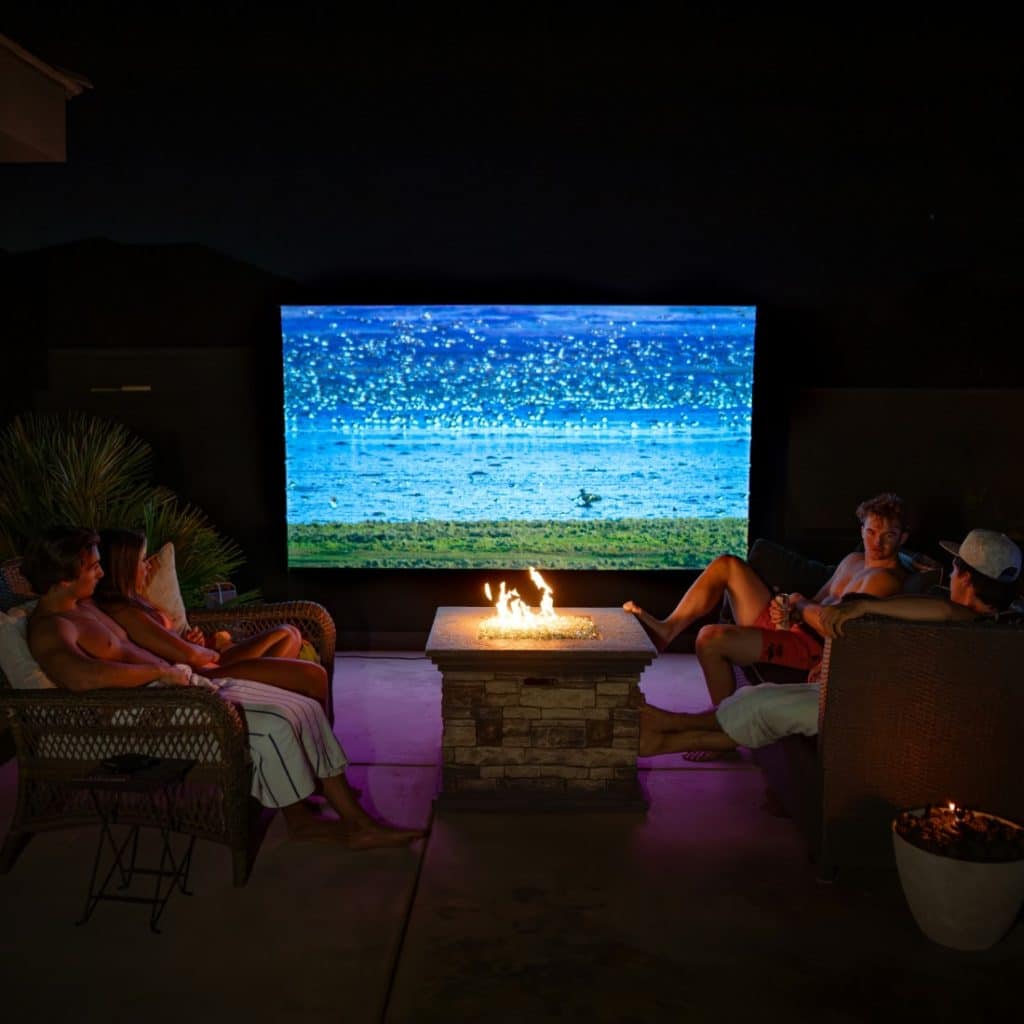
Creating a home theater doesn’t necessitate a lavish budget. With thoughtful planning and strategic choices, it’s possible to transform a living space into an immersive entertainment hub without overspending. This guide offers 13 practical tips to help set up a budget-friendly home theater that delivers quality audiovisual experiences. The tips focus on leveraging cost-effective tools, repurposing what you already own, and prioritizing essential components for maximum impact.
Choose the Right Room
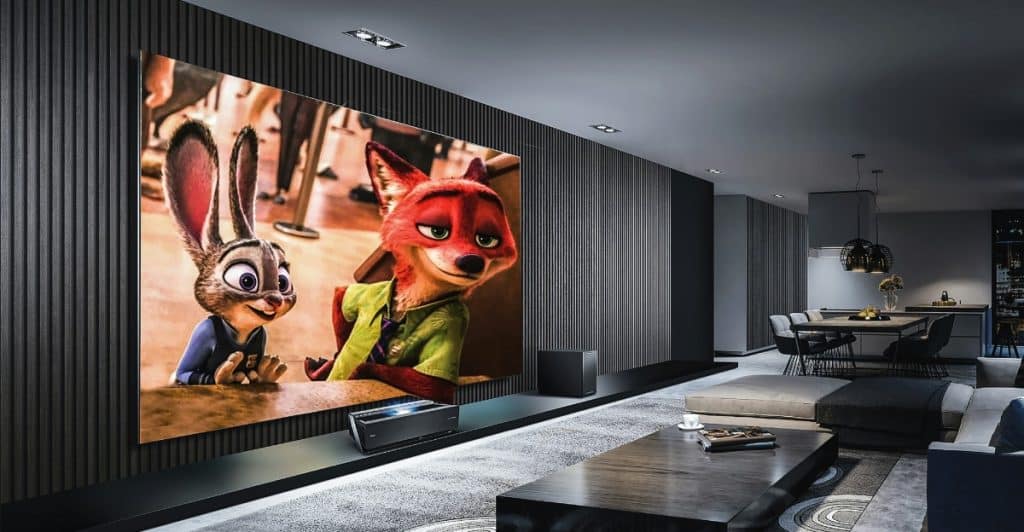
Selecting the right room is crucial for a successful home theater setup. A space with limited natural light and minimal outside noise enhances the viewing and listening experience. Basements often work well due to their insulation and darkness, but any quiet room can be adapted. Prioritize areas with enough wall space for a screen and flexible seating arrangements. Avoid rooms with excessive windows or hard, echo-prone surfaces.
Control Ambient Lighting
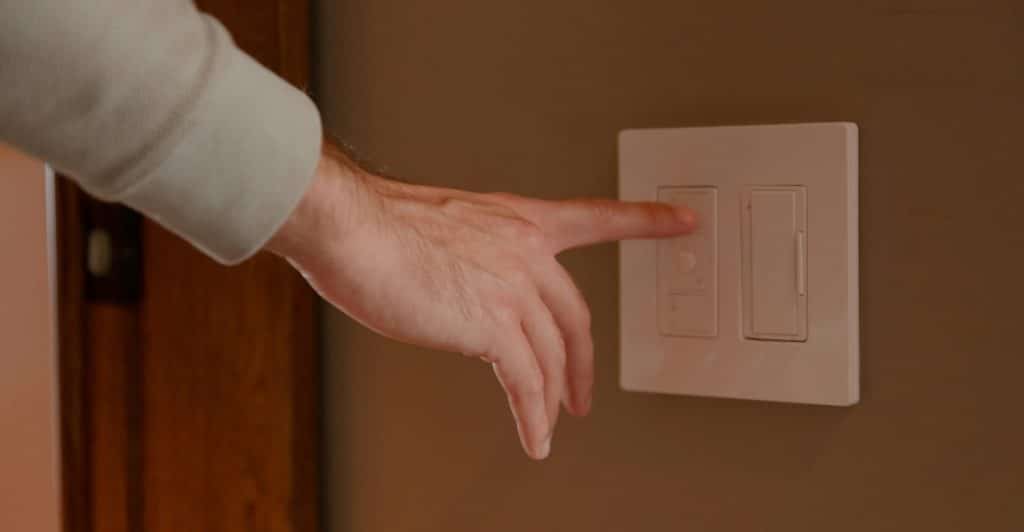
Ambient lighting can seriously impact screen visibility. Blackout curtains or thick drapes can significantly reduce natural light. For artificial lighting, consider dimmable bulbs or smart lighting systems that let you adjust brightness easily. Light strips behind the TV or projector screen can add ambiance while reducing eye strain. Choose warm, soft lighting to maintain a cozy, cinematic feel.
Opt for a Budget-Friendly Display
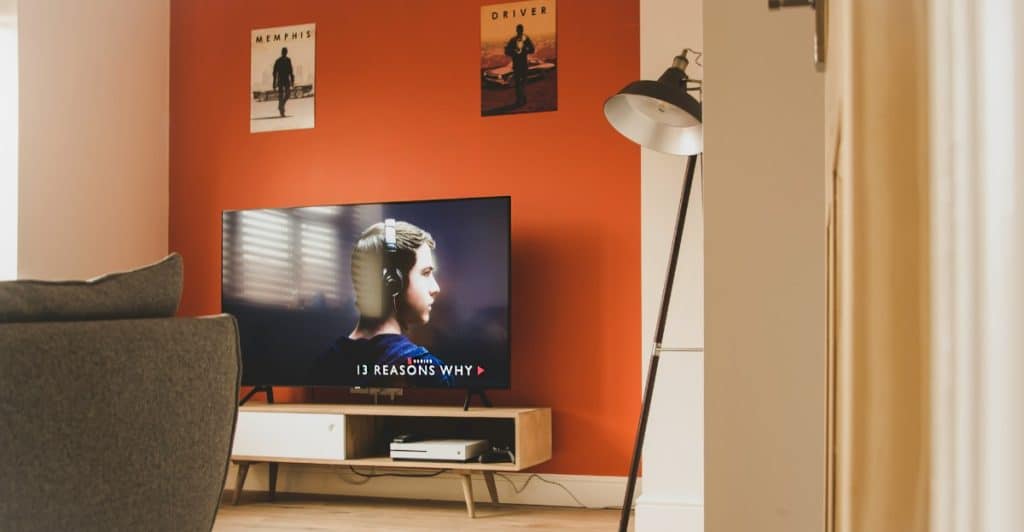
A great screen doesn’t have to cost a fortune. Affordable 4K TVs from brands like TCL or Hisense offer excellent picture quality. Budget projectors, especially LED or LCD models, can provide a larger-than-life experience without the hefty price. Ensure the projector supports at least 1080p resolution for clear visuals. Consider the size of your room when choosing between a TV and a projector.
Enhance Audio Economically
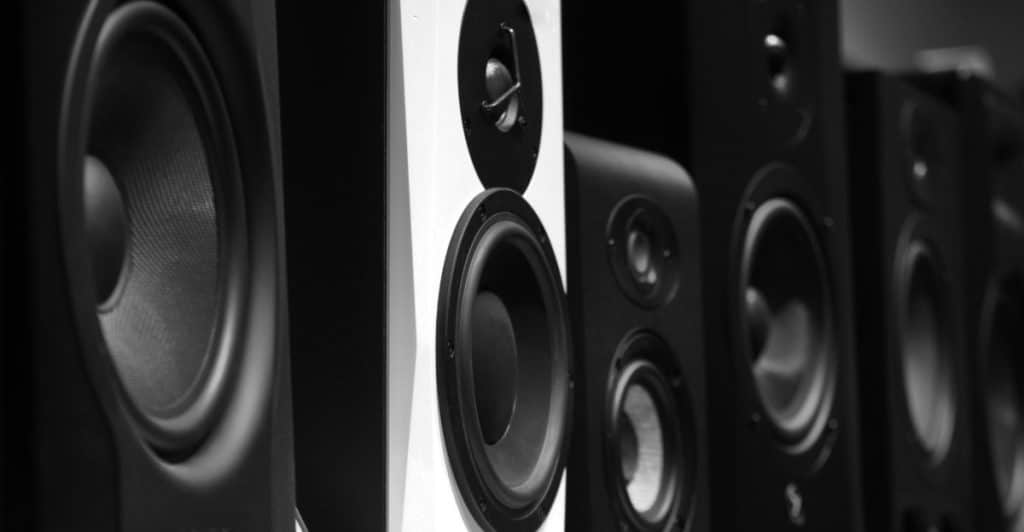
Sound quality is key to immersion. Instead of investing in high-end systems, look for affordable soundbars with subwoofers. Brands like Vizio or Yamaha offer good value for money. A basic 5.1 surround sound system can also create a theater-like environment. Pay attention to room acoustics and speaker placement to get the most from budget equipment.
DIY Screen Solutions
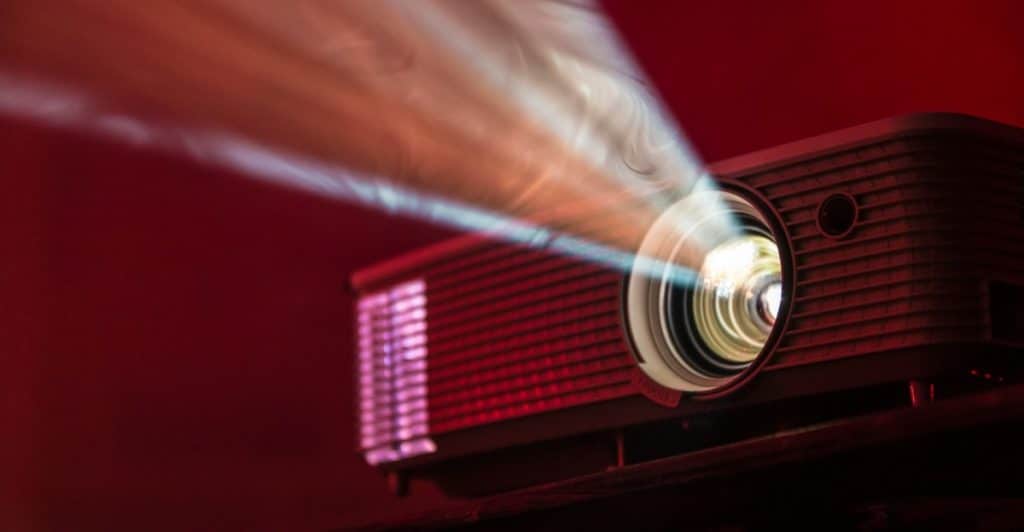
Buying a projection screen isn’t necessary. A smooth, white wall can work just fine for casual viewing. For better quality, try painting a section with projector-specific screen paint. Alternatively, use blackout cloth mounted on a wooden frame for a low-cost yet effective screen. These DIY options can significantly cut down your setup costs.
Comfortable and Affordable Seating
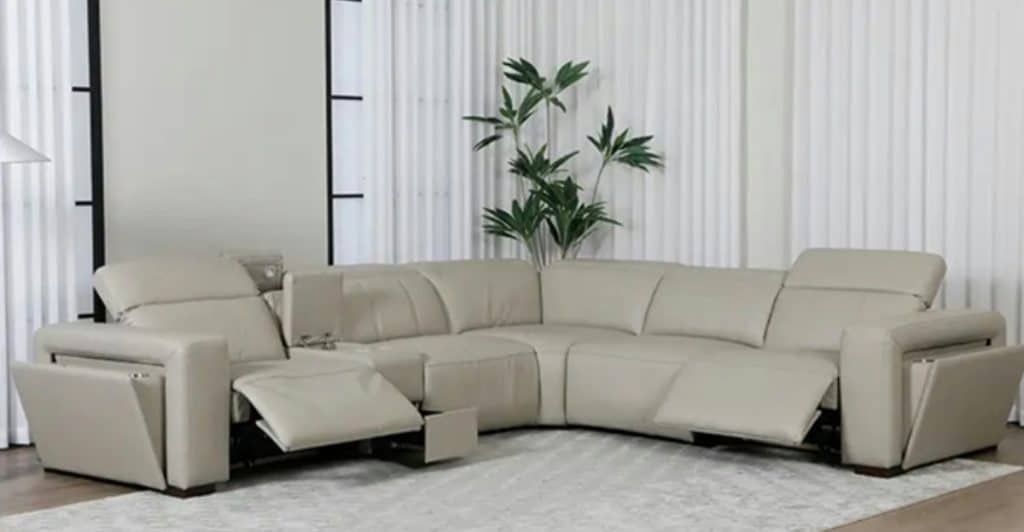
Comfort should not be overlooked. Use existing furniture like couches or lounge chairs to create a cozy viewing area. Second-hand shops often have great deals on recliners or loveseats. Adding cushions, throws, or bean bags can enhance comfort without high costs. Arrange seats to optimize the viewing angle for all viewers.
Manage Cables Efficiently
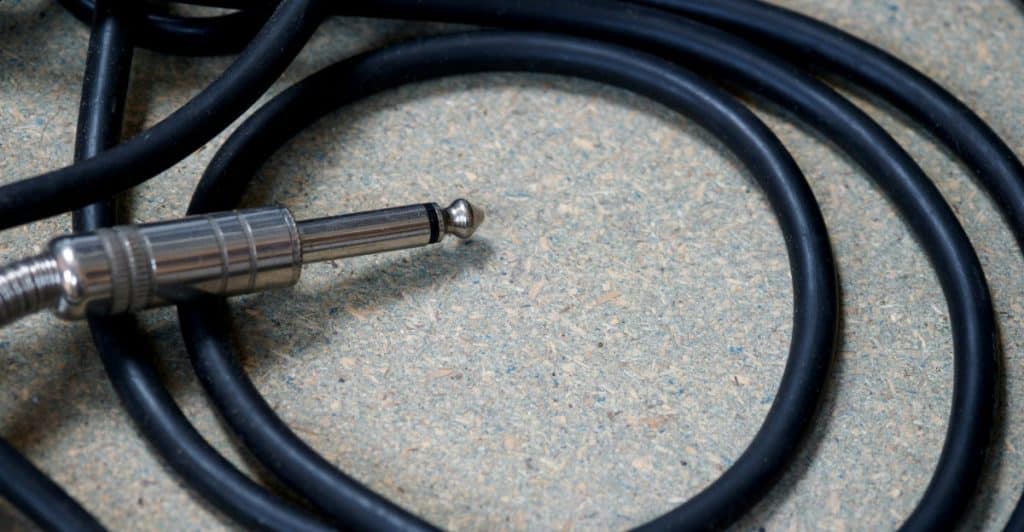
A clean setup improves both safety and aesthetics. Use cable organizers, zip ties, or adhesive clips to keep cords in place. Label each wire to make future troubleshooting easier. Avoid running cables across walkways to prevent tripping hazards. Consider using cable sleeves or wall-mounted channels for a neater appearance.
Utilize Streaming Devices
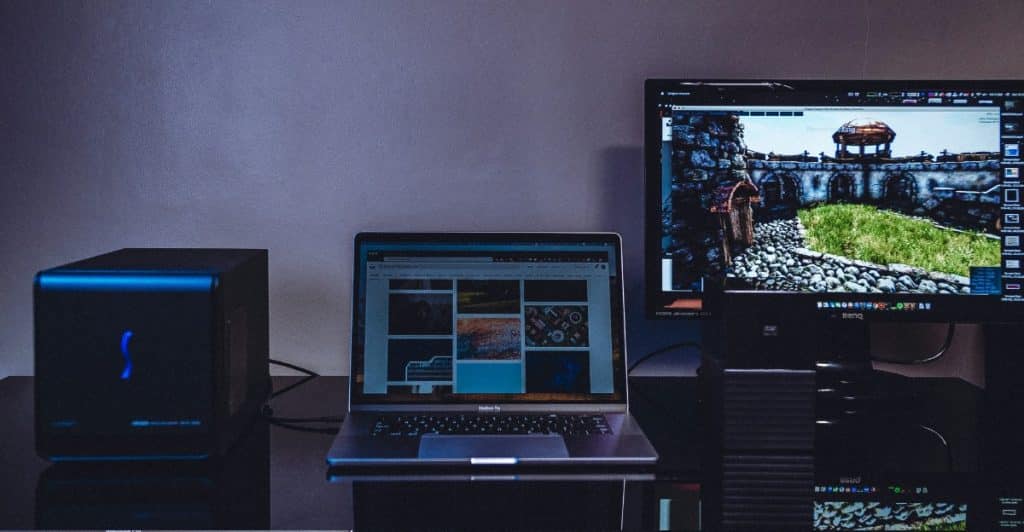
Streaming devices are a cost-effective alternative to traditional players. Devices like Roku, Fire Stick, or Chromecast provide access to numerous streaming platforms. They’re compact, easy to set up, and often support HD or 4K resolution. Some even include voice control and smart home integration. Look for bundle deals to save even more.
Optimize Room Acoustics
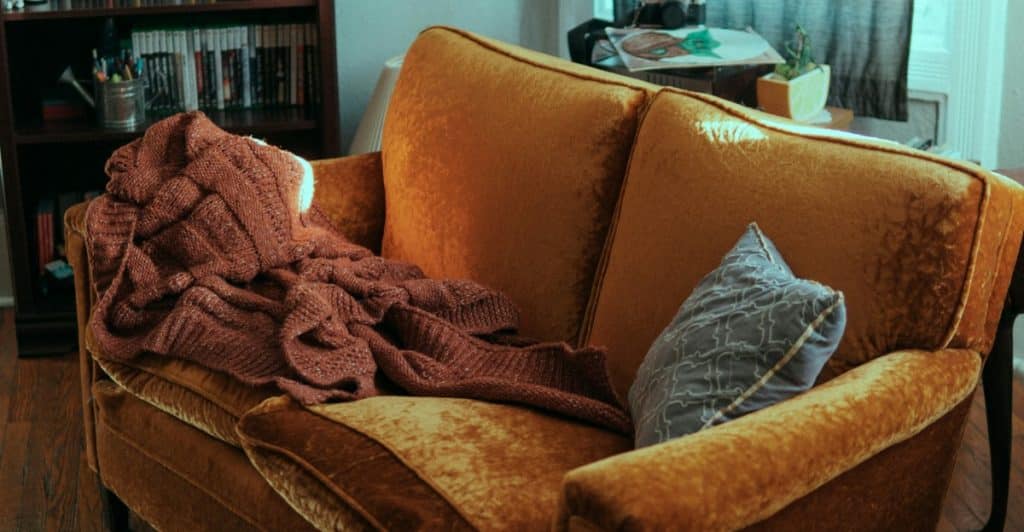
Acoustics can dramatically affect sound quality. Soft materials like rugs, curtains, and cushions help absorb sound and reduce echo. Affordable acoustic foam panels can be added to walls for further improvement. Position speakers to avoid sound bouncing directly off hard surfaces. Testing different arrangements can help you find the ideal setup.
Assemble Your Own System
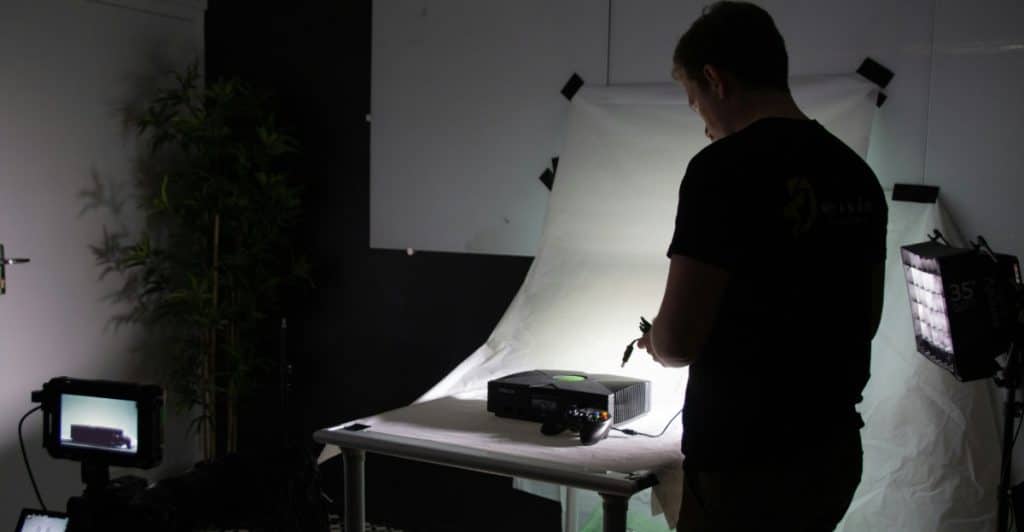
Building a custom system can be more affordable than buying a pre-made one. Mix and match budget-friendly receivers, speakers, and other components to fit your needs. Do some research to ensure compatibility and performance. Buying gently used gear from trusted sellers can yield big savings. This approach offers flexibility and upgrade options.
Repurpose Existing Equipment
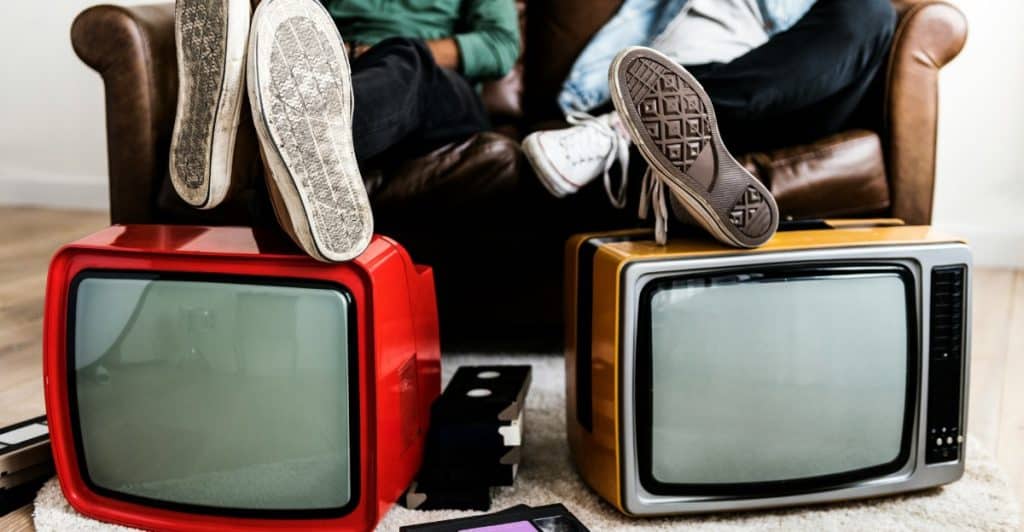
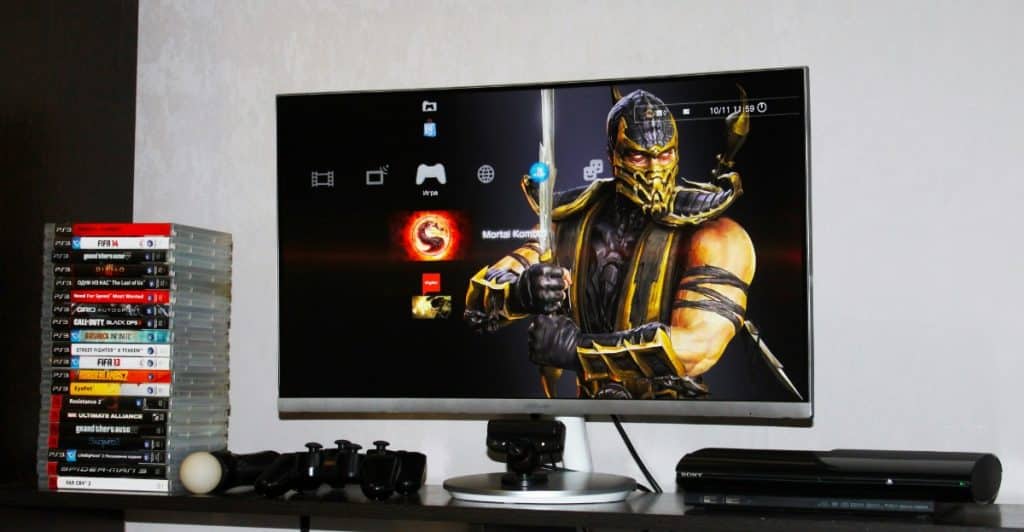
Don’t overlook devices you already own. Older TVs, DVD players, or sound systems can often be integrated into your setup. Gaming consoles can double as streaming devices. This reduces the need for new purchases and maximizes your existing assets. Be creative and practical in what you include.
Decorate with Purpose
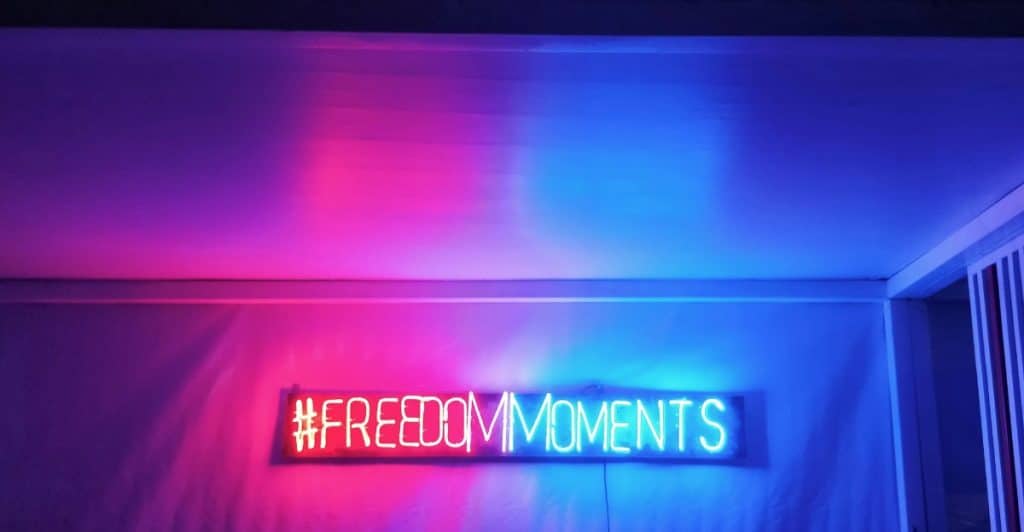
Decor contributes to the cinematic vibe. Use themed posters, LED strip lights, or framed memorabilia to enhance the atmosphere. DIY decorations or second-hand finds can be both stylish and affordable. Try to coordinate colors and lighting for a cohesive look. Aim for a space that feels inviting and immersive.
Plan for Future Upgrades
Think long-term when choosing equipment. Prioritize components that can be upgraded gradually, such as modular speaker systems or multi-input receivers. This allows you to enhance your setup over time as your budget grows. Avoid proprietary systems that limit flexibility. Keeping future expansion in mind adds value to your current setup.
Conclusion
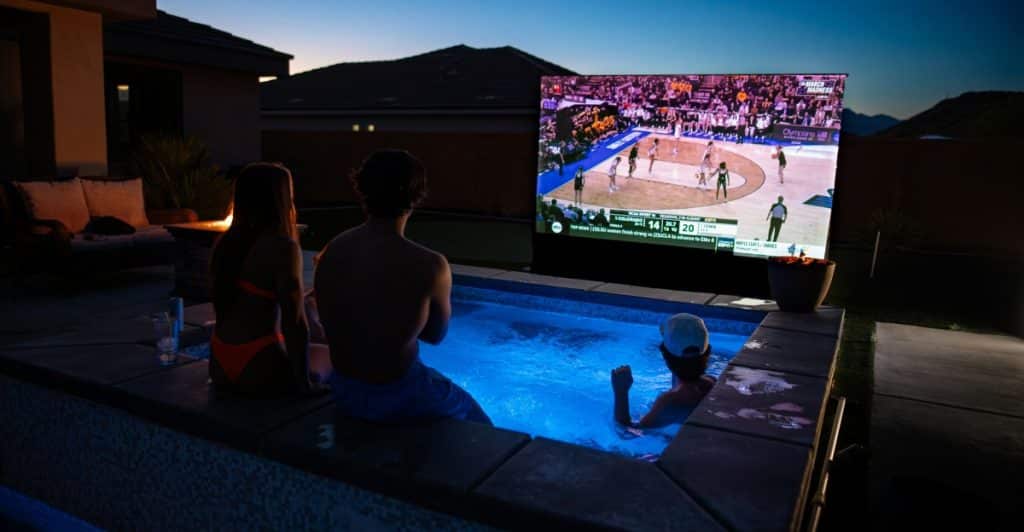
Creating a home theater on a budget is not only possible, it can be deeply rewarding. Smart planning, strategic purchases, and a bit of DIY effort go a long way. With the right approach, anyone can enjoy cinematic entertainment without overspending. Focus on essentials first, then expand and personalize over time. A well-designed home theater delivers lasting enjoyment.







Ask Me Anything