
Every generation grows up with its own way of doing things, but some habits from the boomer era seem almost like time capsules to younger people. They come from a world of paper, patience, and face-to-face interactions that today’s digital culture has mostly replaced. While these routines once made perfect sense, many now feel slow, inconvenient, or overly complicated to Millennials and Gen Z. This article takes a playful but honest look at the old-school habits that younger generations often find puzzling without mocking the people who still do them.
Reading Physical Newspapers Daily
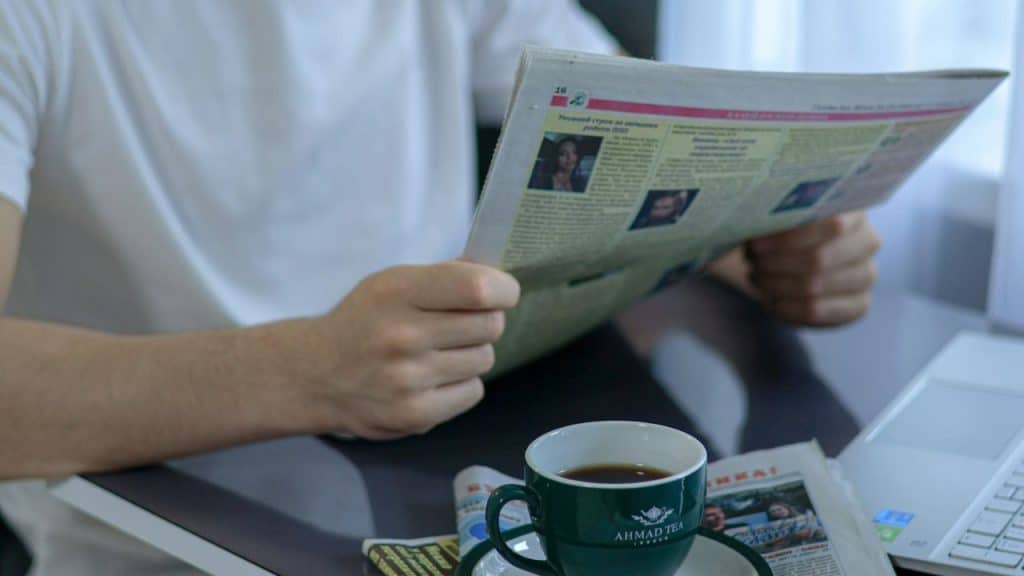
Holding a newspaper at breakfast was once a symbol of being informed. Younger generations wake up to news alerts, curated feeds, and podcasts instead. The smell of ink and the fold of paper may be nostalgic, but they seem inefficient when headlines update every minute online. This habit highlights how fast information cycles have become.
Writing Checks For Everyday Purchases
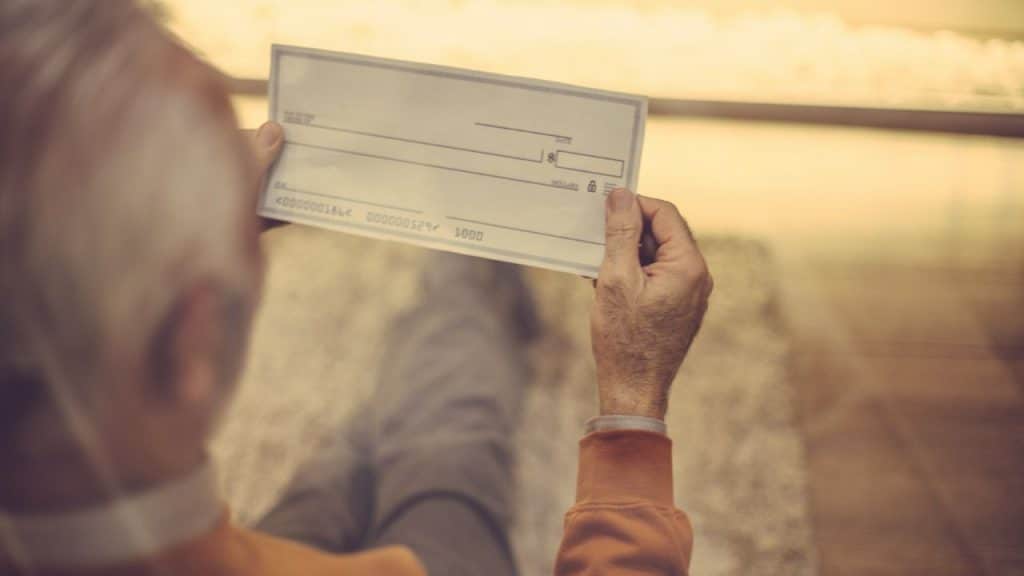
Boomers grew up writing checks for groceries, bills, and even small errands. Millennials and Gen Z rarely touch a checkbook because instant transfers on Venmo, PayPal, or Apple Pay get things done in seconds. The paper process feels slow and risky to them since it involves signatures, waiting periods, and sometimes even fees. For younger people, the idea of handing over a piece of paper to move money seems as outdated as using a typewriter for emails.
Clipping Physical Coupons
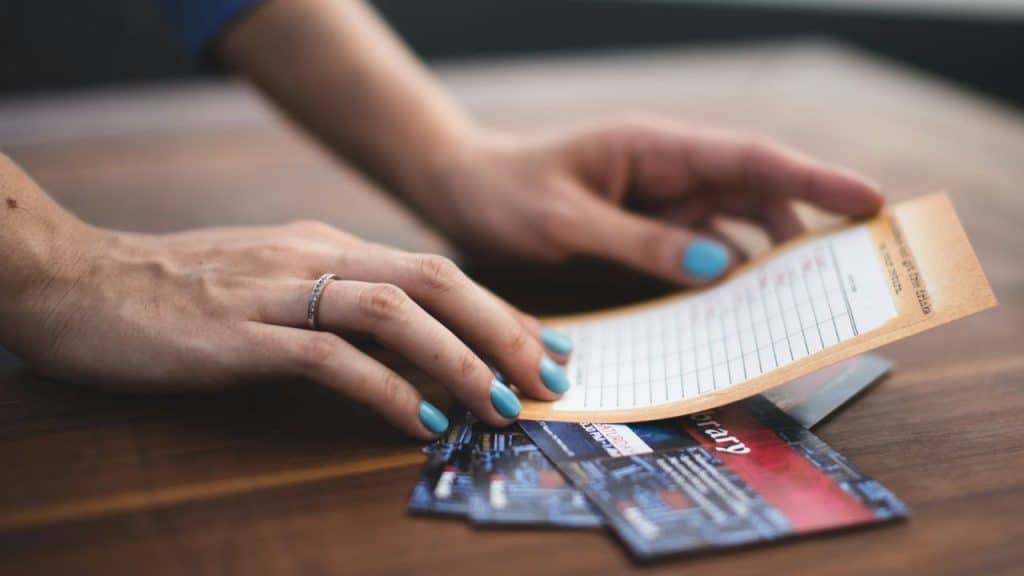
Cutting out coupons from newspapers or mailers used to be a weekend ritual. Today, younger shoppers scroll through apps for instant promo codes that work automatically at checkout. To them, scissors, envelopes, and stacks of paper coupons look like unnecessary clutter and wasted time. The savings may be the same, but the digital approach feels faster, cleaner, and easier to track.
Calling Instead Of Texting

Many boomers still prefer picking up the phone to talk, even for quick updates. Younger generations see texting as more respectful of someone’s time since it lets people respond when they’re free. A sudden phone call can feel intrusive or overly formal to them. This clash reflects different ideas about privacy, speed, and what counts as polite communication.
Keeping A Drawer Full Of Loose Change

Boomers often toss coins into jars or drawers until they’re overflowing. Millennials and Gen Z rarely handle coins at all, since many purchases are cashless and even tips can be digital. A heavy stash of metal feels like dead weight to them. This shows how money has shifted from a physical thing to numbers on a screen.
Using Cash For Large Purchases
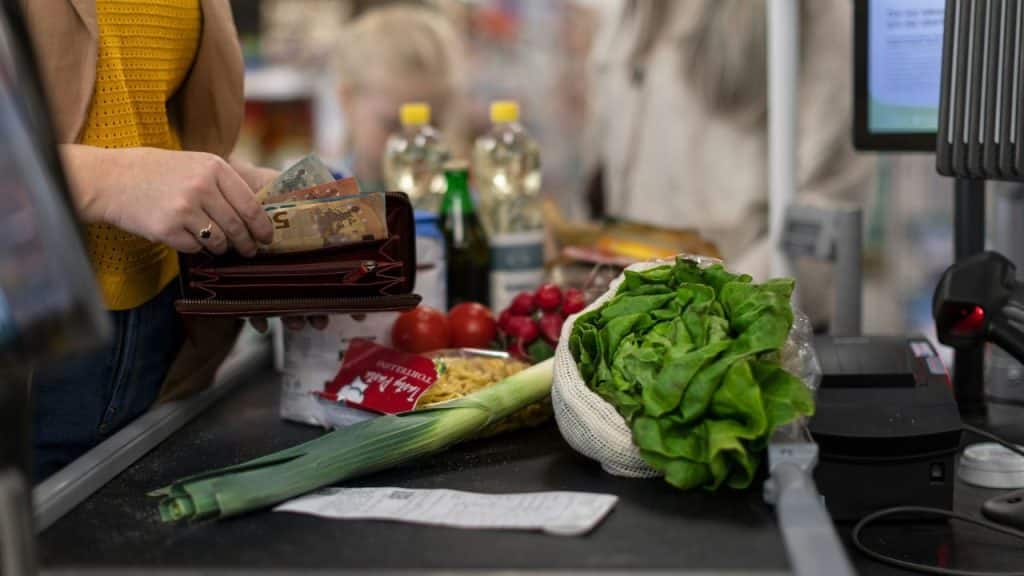
Carrying thick wallets of cash for big buys was normal for boomers. Younger people tap cards or phones without thinking twice and rarely visit an ATM. They see cash as inconvenient, harder to track, and less secure. This is why even expensive items like furniture or gadgets are now often bought with a swipe instead of a handshake and a stack of bills.
Sticking To 9-To-5 Office Hours

Boomers came up in a work culture built around set hours and physical presence. Millennials and Gen Z have grown into a world of remote work, flex time, and side hustles. To them, being chained to a desk at specific hours feels more like a tradition than a necessity. This habit signals how workplace values have shifted from time served to results produced.
Ironing Everything
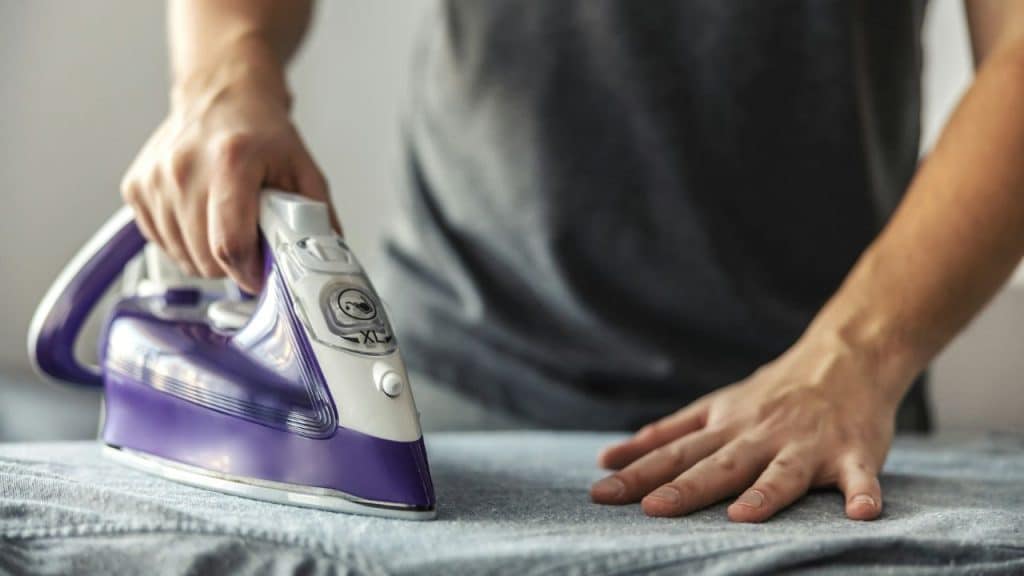
For many boomers, a crisp shirt was a sign of respect and discipline. Younger generations prefer wrinkle-free fabrics, casual dress codes, or quick steamers that cut the effort in half. The time spent ironing every item looks excessive to them. This difference says a lot about how workplace and social standards of appearance have relaxed over the years.
Saving Every Plastic Bag Or Container

“Waste not, want not” is a mantra boomers learned young, so plastic bags, margarine tubs, and jars rarely get thrown out. Millennials and Gen Z lean toward minimalism and organized spaces, so they see this as clutter rather than thrift. They prefer intentional recycling systems or sturdy, reusable containers instead of random stashes. The habit reflects how each generation approaches both waste and storage.
Collecting Phone Books And Directories
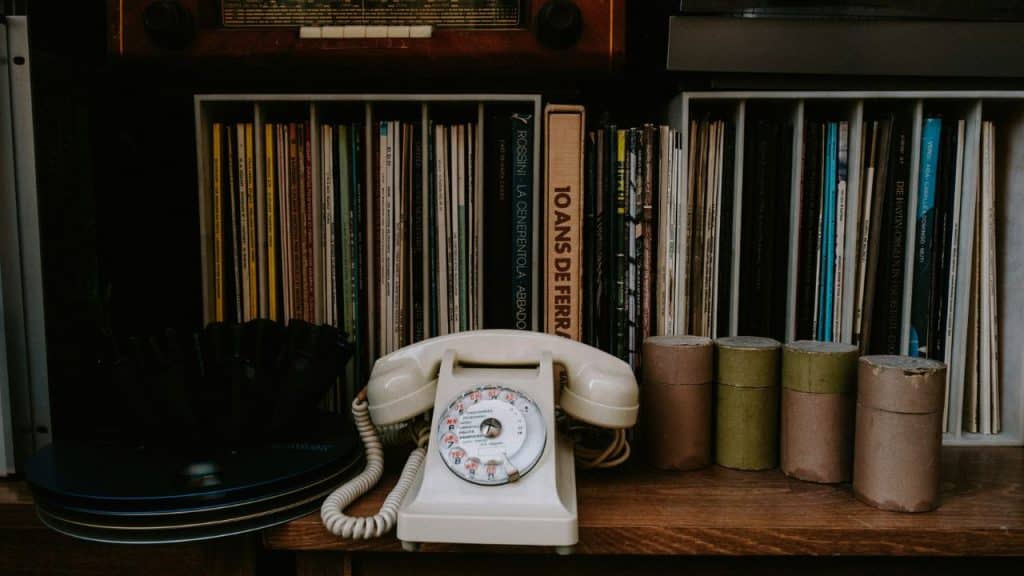
Having a phone book by the landline was once a household staple. Millennials and Gen Z search names or businesses online in seconds. Storing thick books for contact info feels like clutter now. This shift shows how public listings went from paper to searchable databases.
Holding Onto Paper Bills And Statements
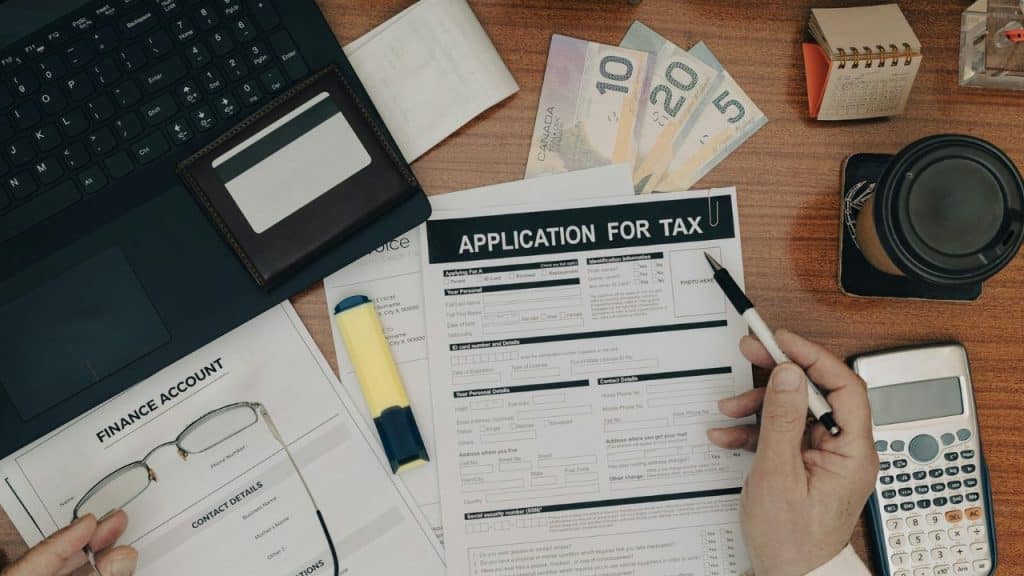
Stacks of paper bills, receipts, and statements make sense to boomers who like a physical record. Millennials and Gen Z track everything digitally with automatic backups. They see piles of paper as clutter and a risk for identity theft. This habit shows how different generations define “proof” of payment or ownership.
Preferring Face-To-Face Meetings For Everything

Boomers often believe important discussions should happen in person. Millennials and Gen Z are comfortable with video calls and email because they save time and travel costs. To them, a meeting is about outcomes, not the setting. This difference can cause friction in workplaces where older managers expect a physical presence.
Mailing Invitations Or Bills
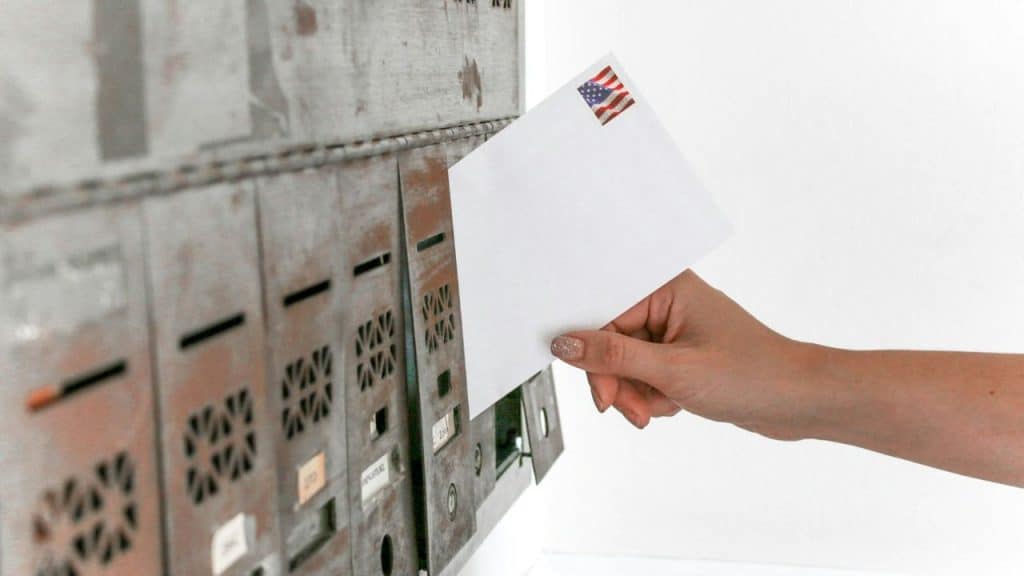
Paper invitations and checks in the mail once showed respect and effort. Now, e-vites and online payments are considered both polite and efficient. Younger generations see mailing things as slower, riskier, and harder to manage. What was once formal now feels unnecessarily complicated.
Memorizing Phone Numbers And Addresses
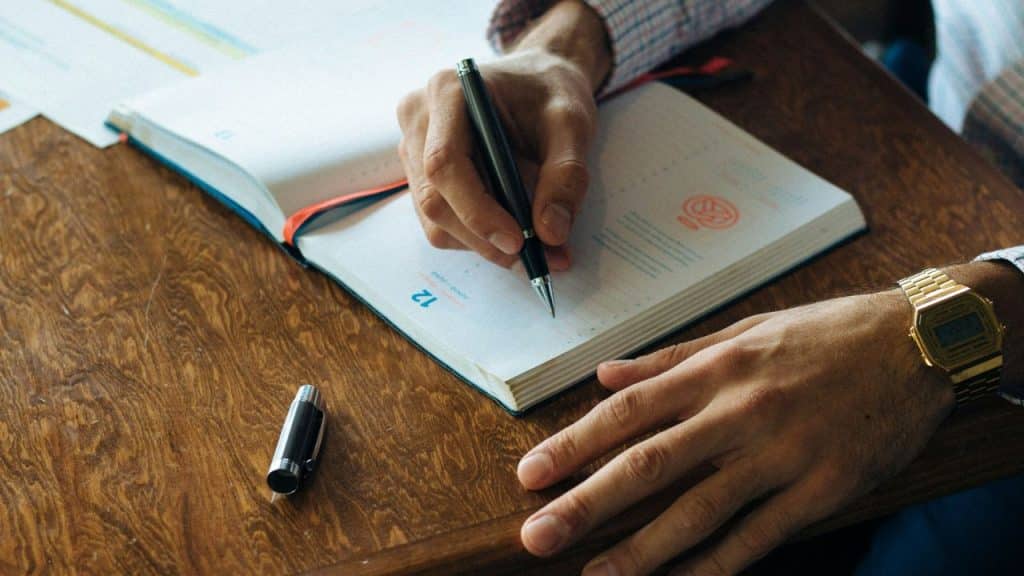
Boomers can still recall dozens of numbers and street names. Millennials and Gen Z rely on contacts and maps on their phones. Memorizing feels like unnecessary brain storage when everything is accessible instantly. This reflects a shift from mental recall to digital support.
Buying Greeting Cards For Every Occasion
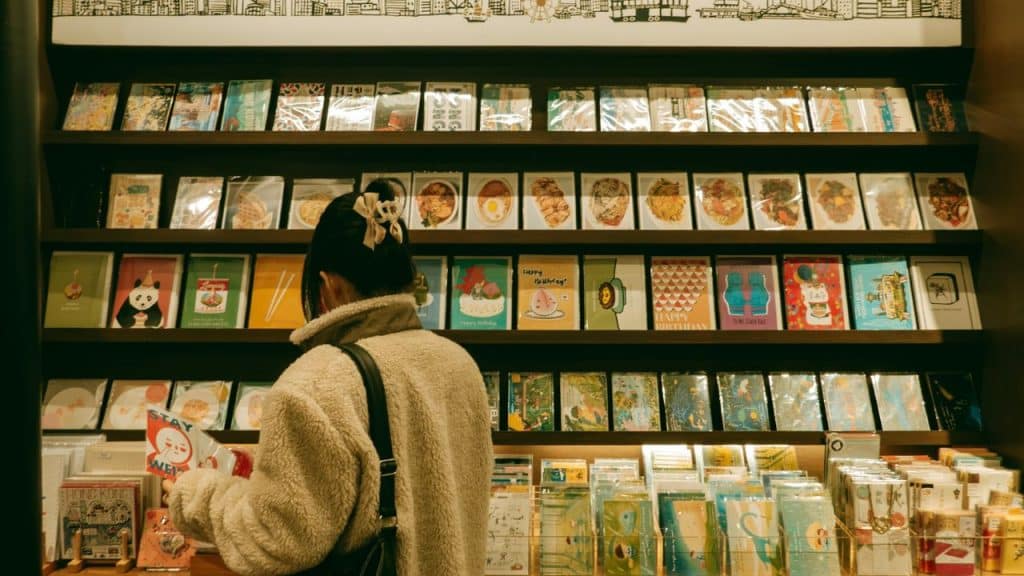
Sending a physical card for birthdays, congratulations, or condolences was once the default. Younger generations text, call, or send digital cards and see it as equally thoughtful. Storing stacks of printed cards and stamps looks like an extra expense to them. This shows how expressions of care have shifted from paper to pixels.








Ask Me Anything