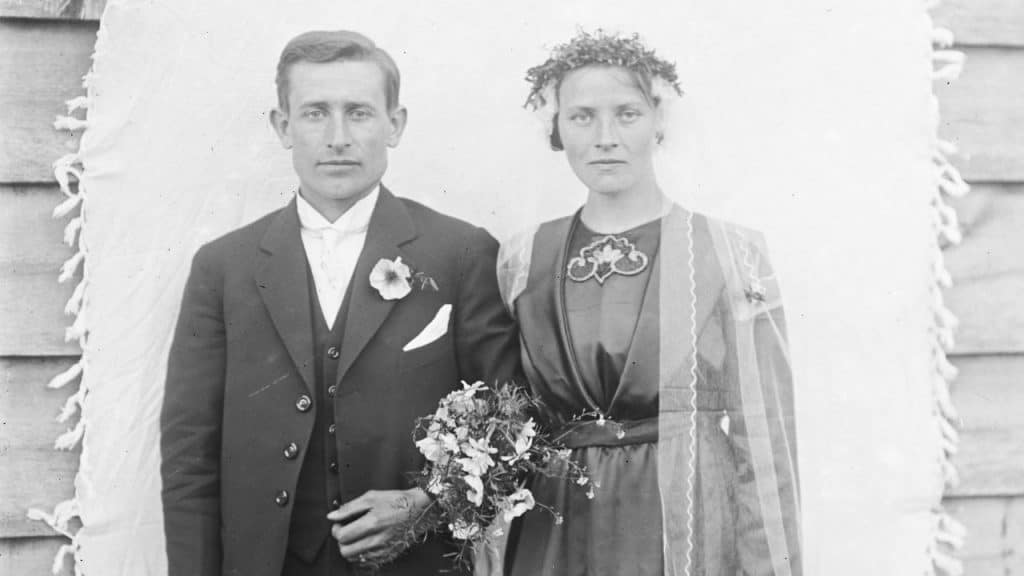
Imagine having to compliment your husband for raising good chickens or getting fired just because you got married. Not divorced—married. A hundred years ago, that was reality. Marriage wasn’t about partnership; it was about obedience, ownership, and outdated ideas about gender roles. You’re about to see just how far off the rails society once was—and maybe walk away feeling pretty damn grateful for the progress we’ve made.
Wives Had No Legal Identity of Their Own

Back then, marriage erased a woman’s legal existence. A doctrine called “coverture” meant your wife couldn’t own property, open a bank account, or sign a contract. Her wages? Legally yours. Imagine being the breadwinner and still needing your husband’s permission to buy socks. Today, we expect equality—back then, the law didn’t even recognize a married woman as her own person.
Husbands Legally Owned Their Wives’ Money
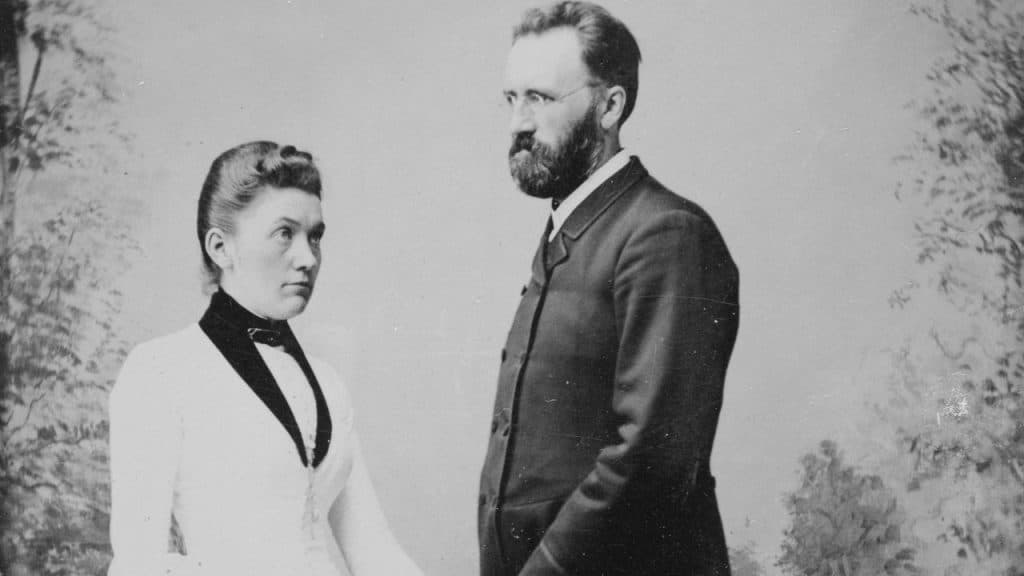
Even if your wife worked, every cent she earned went directly to you. Not voluntarily—by law. Whether she was a teacher, seamstress, or ran a shop, her paycheck was yours. It wasn’t called “providing,” it was just control. Think about what that says about the power dynamics baked into early marriage.
Wives Had To Quit Their Jobs After Marriage
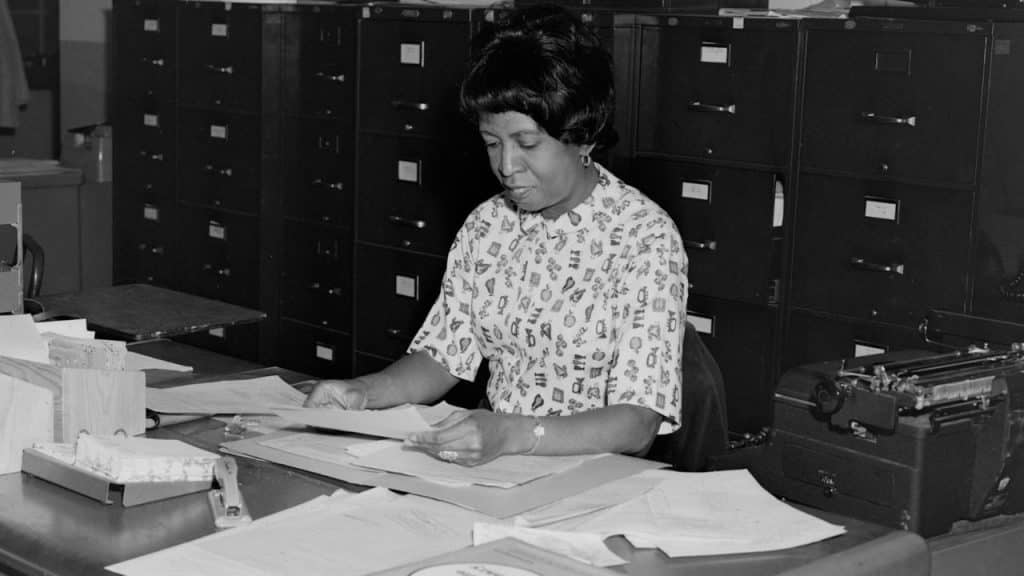
It was common practice for employers to fire women the moment they got married. Schools, offices, even the post office had “marriage bars.” The logic? A husband should provide, and a wife should stay home. Never mind her talent, education, or income—it all vanished with a wedding ring. How’s that for workplace equality?
Saying “I Will” Made You Unfit for Marriage
Marriage advice from the 1800s told women that saying “I will” or having strong opinions made them unworthy of being wives. Literally, they were warned that asserting themselves meant “she deserves to lose her empire.” Translation: a woman with a voice was a threat. It’s wild to think confidence used to be a disqualifier.
Wives Couldn’t Refuse Sex—Ever
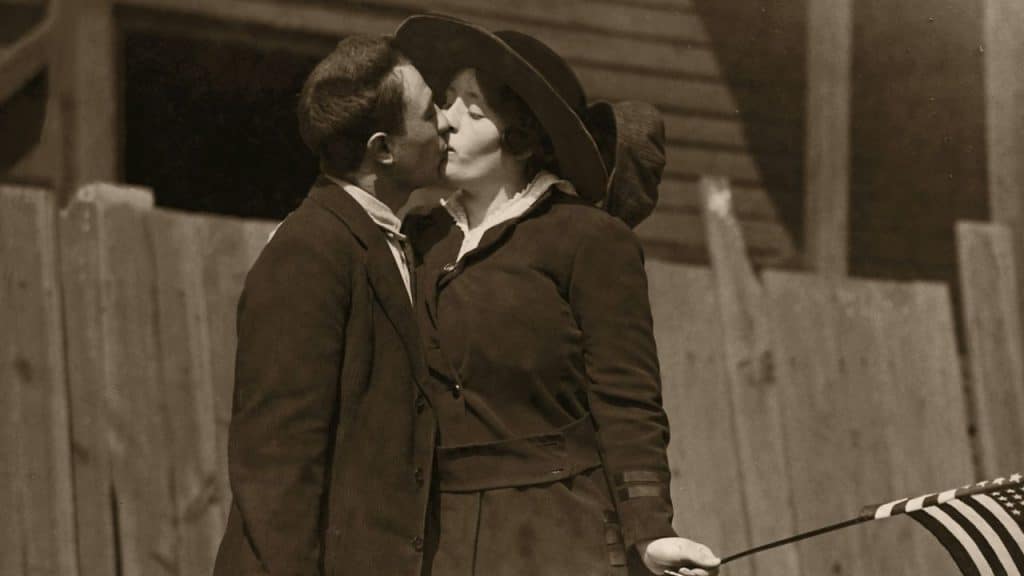
The idea of “marital rape” didn’t legally exist. If you were married, sex was considered a given, whether your wife consented or not. Courts backed it up. A husband’s “rights” overrode her autonomy. Try explaining that in a modern courtroom without getting dragged out in handcuffs.
Abuse Was Met With Prayer, Not Protest
If a man beat his wife, the advice wasn’t “call the cops.” It was “pray harder.” Some marriage manuals outright said wives should never argue or defend themselves, just pray for their husband’s soul. It wasn’t about safety; it was about submission. Imagine telling your daughter that was her best option.
Women Lost Their Citizenship When They Married

Until 1922, if a U.S. woman married a foreign man, she automatically lost her American citizenship. It didn’t matter if she was born in Kansas or voted five times before. Her identity was tethered to her husband’s passport. Meanwhile, men could marry anyone and stay American. Let that sink in.
Wives Needed Permission… To Get Dentures

Yes, this was real. In some states, like Vermont, a woman couldn’t get dentures unless her husband signed off. Medical autonomy? Not a thing. Imagine needing a signature just to chew your dinner. It’s laughable now, but it speaks volumes about who controlled what—even her mouth.
Red Nail Polish Could Cost You “Marriage Points”
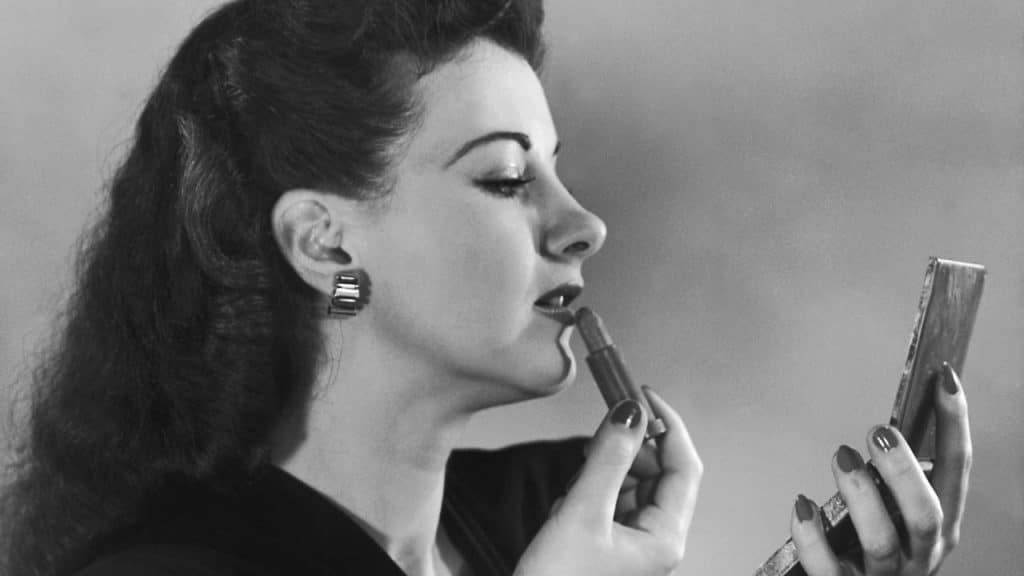
Some 1930s marriage manuals gave women demerits for things like wearing red nail polish, face cream, or going to bed in curlers. It was called a “Marital Rating Chart,” and it read like a teenage boy’s fantasy list. Mess up too many times and you are a “bad wife.” Suddenly, those Instagram checklists don’t look so bad.
Being Pregnant Got You Fired
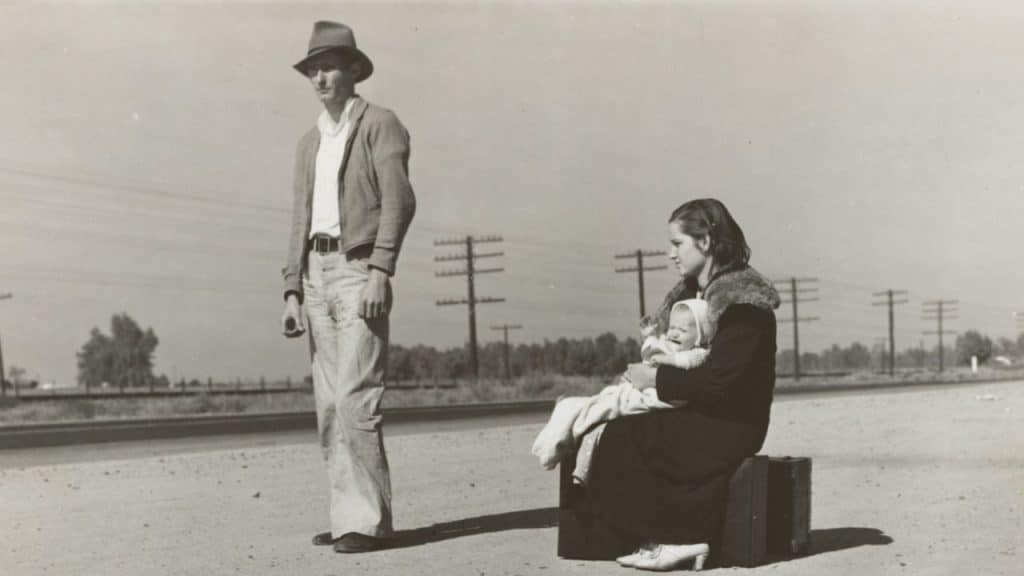
Employers could legally fire a woman just for being visibly pregnant. Some even demanded women resign once they started showing. That meant no income, no benefits, and zero support at a time when money mattered most. Forget maternity leave—just get out. Today, we call that discrimination. Back then, it was just policy.
Interracial Marriage Was a Criminal Offense
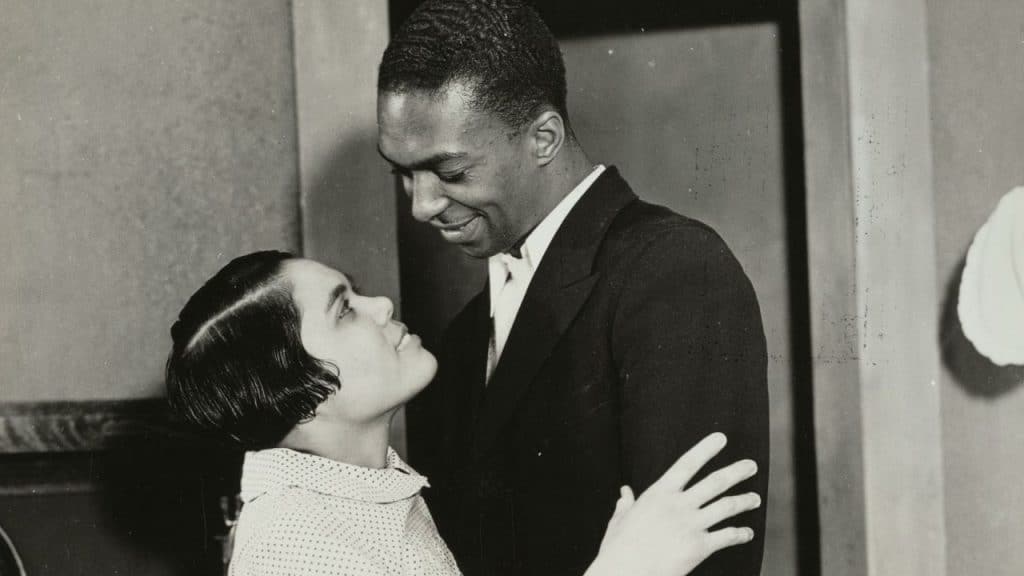
In many U.S. states, marrying someone of a different race could land you in jail. Anti-miscegenation laws were on the books until 1967, but they were actively enforced in the decades before. Love wasn’t love if your skin tones didn’t match. Think about that the next time someone says “The past wasn’t that bad.”
Wives Had To Compliment Their Husbands Constantly
One popular piece of marriage advice? Praise your husband for everything—especially if he was “successful with his chickens.” No, seriously. The idea was that men needed constant stroking, even for basic farm tasks. Can you imagine needing applause every time you feed the pets?
Women Were Shamed for Enjoying Physical Intimacy
If a woman had strong intimacy needs, she was labeled a “vampire” in marriage advice books. Yes, an actual predator. She was blamed for draining her husband’s health and ambition. Passion? Dangerous. Desire? Shameful. You think physical intimacy is confusing now? Try navigating it in the 1920s with a therapist who believed your wife might kill you with foreplay.
Tea and Coffee Were Blamed for “Frigidity”
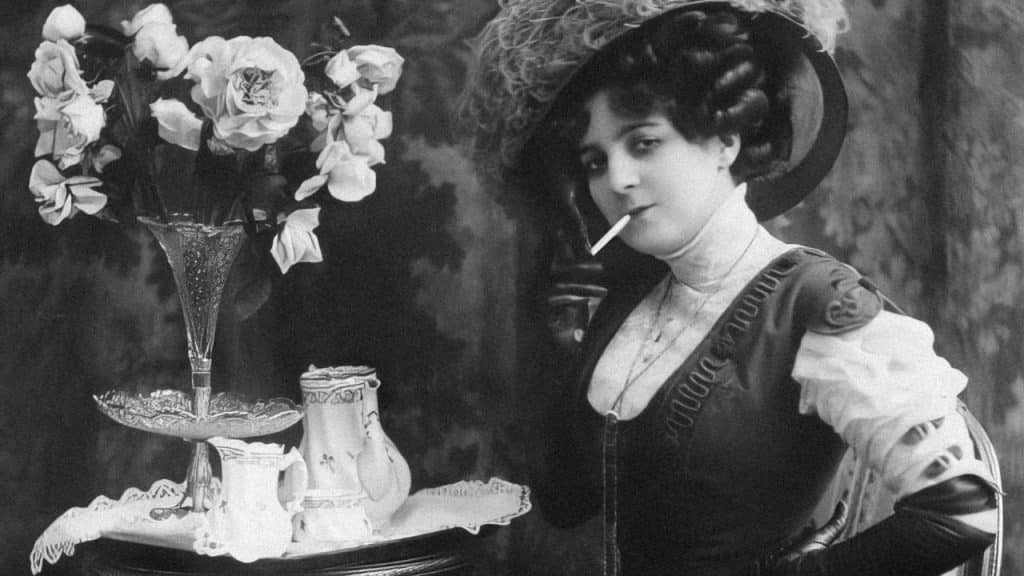
One health guru insisted that tea and coffee made women frigid. Husbands were told to wean their wives off caffeine to “restore marital satisfaction.” No double-shot lattes for you, darling—it’s herbal or nothing. It’s funny now, but it shows how deeply obsessed society was with controlling women’s bodies and moods.
A Wife’s Job Was To Be Quiet and Cook
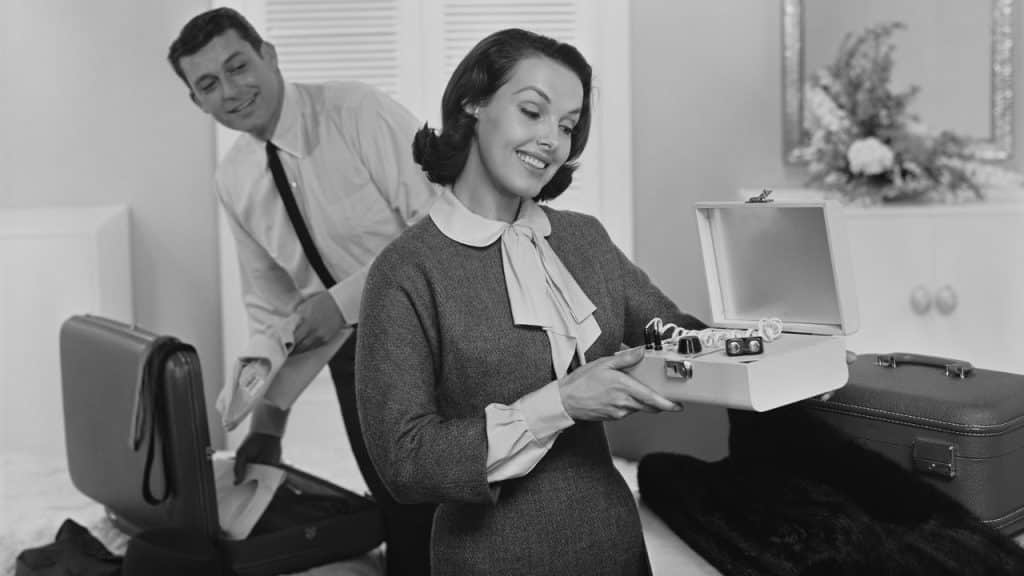
You weren’t just expected to provide. She was expected to cook perfectly, smile constantly, and never complain—especially not before dinner. If she didn’t, it was her fault if you ended up at the bar. Seriously. Bad cooking was blamed for “driving men to saloons.” We’ve come a long way from that emotional hostage-taking.








Ask Me Anything