
Some video games don’t just entertain; they leave an emotional mark. These story-driven titles blend writing, voice acting, gameplay, and visuals to create unforgettable experiences that rival or even surpass traditional cinema. For players who want rich narratives, complex characters, and choices that matter, these games stand out as storytelling masterpieces.
The Last of Us (2013)
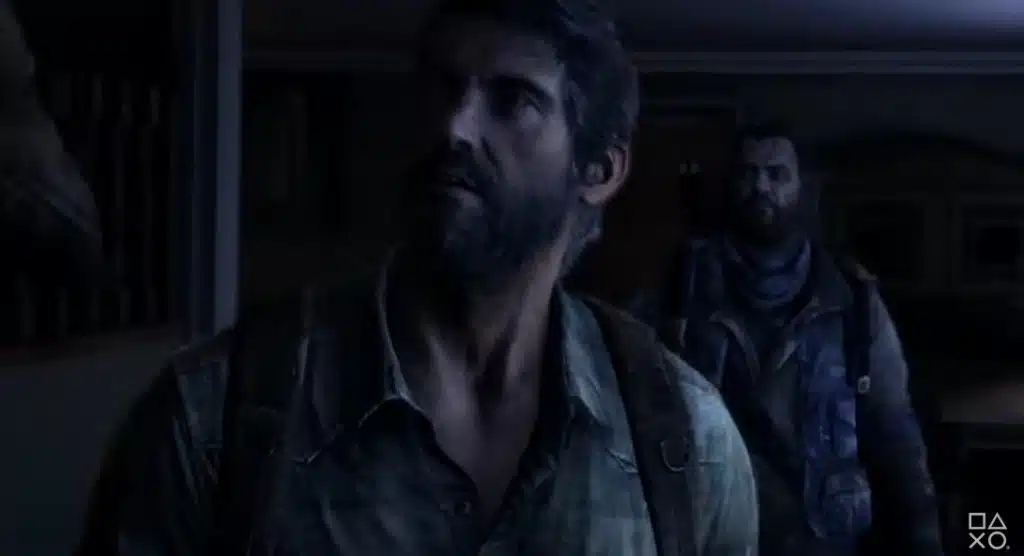
Naughty Dog’s post-apocalyptic tale is one of the most emotionally resonant games of all time. Joel and Ellie’s journey through a ruined America is filled with heartbreak, bonding, and brutal decisions. Every scene feels cinematic, yet the interactivity pulls you deeper than a film ever could. A benchmark in gaming narrative.
Red Dead Redemption 2 (2018)

This Western epic from Rockstar is more than an open-world adventure. It’s a slow-burn character study of Arthur Morgan, loyalty, and morality. The writing, performances, and world-building are so strong that players often find themselves lost in reflection by the time the credits roll. A true digital novel.
Life is Strange (2015)

©GameSpot/youtube.com
A picture of character in the game
A coming-of-age story wrapped in time-travel mechanics, this episodic game lets players shape the narrative through choices. Max and Chloe’s relationship is both heartwarming and tragic. It’s not about combat but about emotion, dialogue, and consequence, a narrative gem.
BioShock Infinite (2013)

Beneath its explosive gameplay lies a thought-provoking tale of identity, guilt, and multiverse theory. Columbia, the game’s floating city, is visually stunning and thematically rich. The ending is famously mind-bending, prompting debate and interpretation long after completion.
The Witcher 3: Wild Hunt (2015)
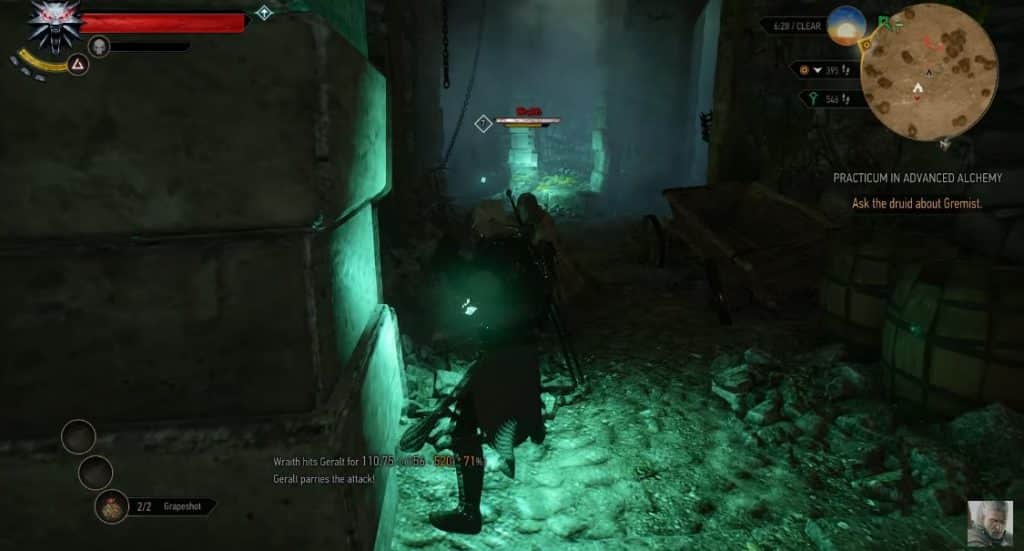
CD Projekt Red’s RPG is packed with monster-hunting, but it’s the storytelling that shines. Geralt’s search for Ciri is layered with emotional and moral complexity. Every side quest feels meaningful, often outshining main plots in lesser games. It’s storytelling on a vast, immersive scale.
Firewatch (2016)

This first-person narrative game unfolds through radio dialogue between a fire lookout and his supervisor. What starts as a casual connection turns into a story about isolation, loss, and trust. With no combat or flashy mechanics, it shows the power of mood, pacing, and voice acting.
God of War (2018)
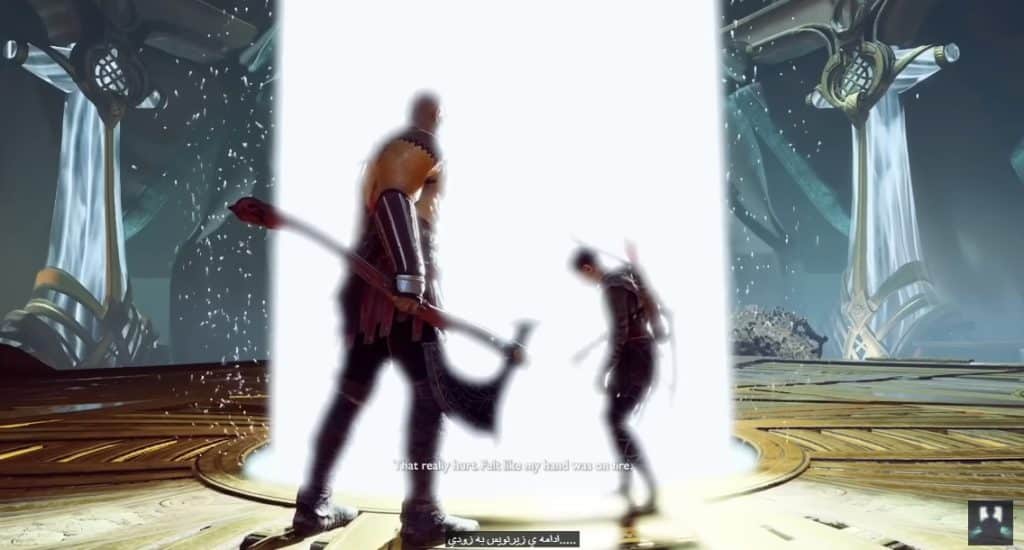
Kratos returns in this reboot not as a rage-fueled god, but as a father. His relationship with Atreus evolves through breathtaking battles and quiet moments alike. The story redefines a once one-dimensional character, making it a mythological family drama at heart.
Heavy Rain (2010)
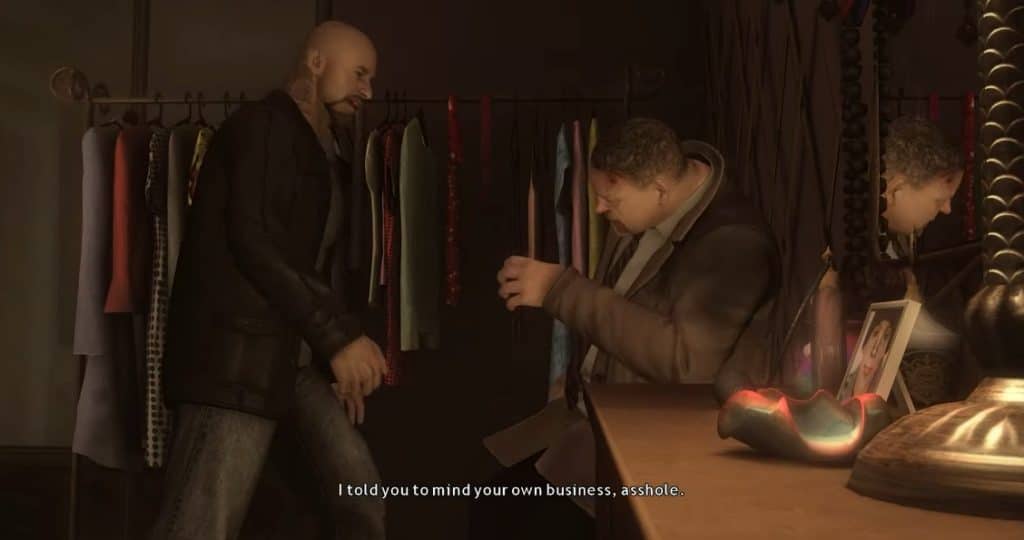
A playable detective thriller, this game revolves around a serial killer and four intersecting lives. The branching paths and emotional stakes create tension typically reserved for psychological films. Few games have made choices feel this heavy.
Disco Elysium (2019)

This dialogue-heavy RPG ditches combat in favour of philosophical debate, psychological introspection, and raw storytelling. Players become a detective solving a murder while battling their own demons. It’s dense, darkly funny, and unlike anything else in the medium.
Telltale’s The Walking Dead (2012)
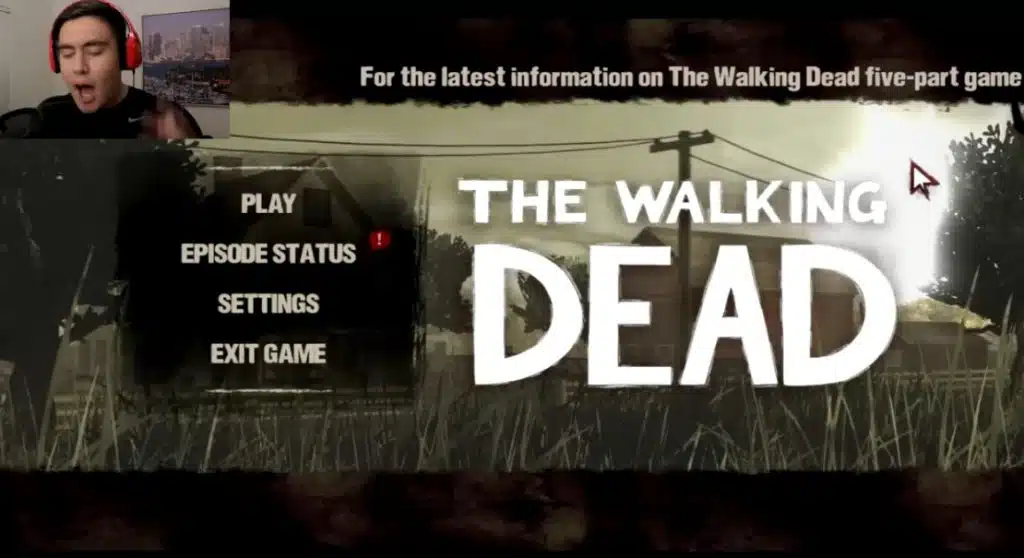
Season One of this episodic series became iconic for its emotional weight. Lee and Clementine’s bond unfolds in a brutal world where no decision is easy. It made players cry, pause, and reconsider every choice. Proof that interactive storytelling can break hearts.
Ghost of Tsushima (2020)

While celebrated for its combat and visuals, this game also excels in narrative. Jin Sakai’s internal struggle between honour and necessity carries the story. Beautifully written with a poetic style, it feels like a love letter to samurai cinema and character depth alike.
What Remains of Edith Finch (2017)
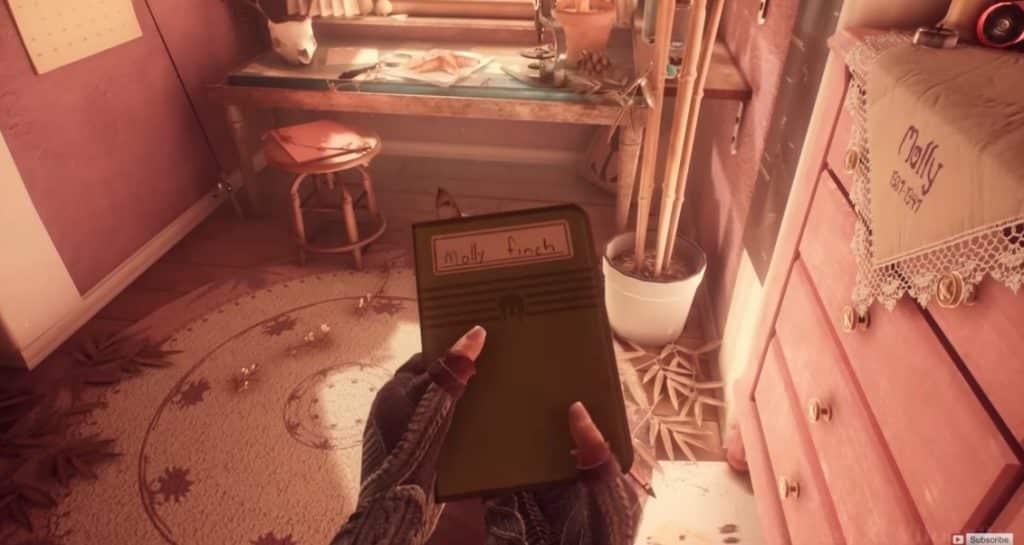
A short, surreal experience that tells the story of a family through wildly inventive gameplay sequences. Each relative’s tale is delivered with a unique tone and mechanic, blending tragedy and wonder. It’s experimental storytelling done right.
Why Story-Driven Games Matter

These titles prove that video games are not just about action or challenge. They explore themes like love, grief, justice, and identity with a level of nuance often lacking in film. The immersion and agency they offer make their emotional beats hit harder. Story-first design is not a genre, it’s a philosophy.
Final Thoughts: Where Story Meets Play

If you’ve ever doubted the narrative power of games, these titles will change your mind. They stand shoulder to shoulder with award-winning films, not just in quality but in emotional impact. Whether you’re a longtime gamer or new to the medium, each one on this list is worth your time, attention, and heart.








Ask Me Anything