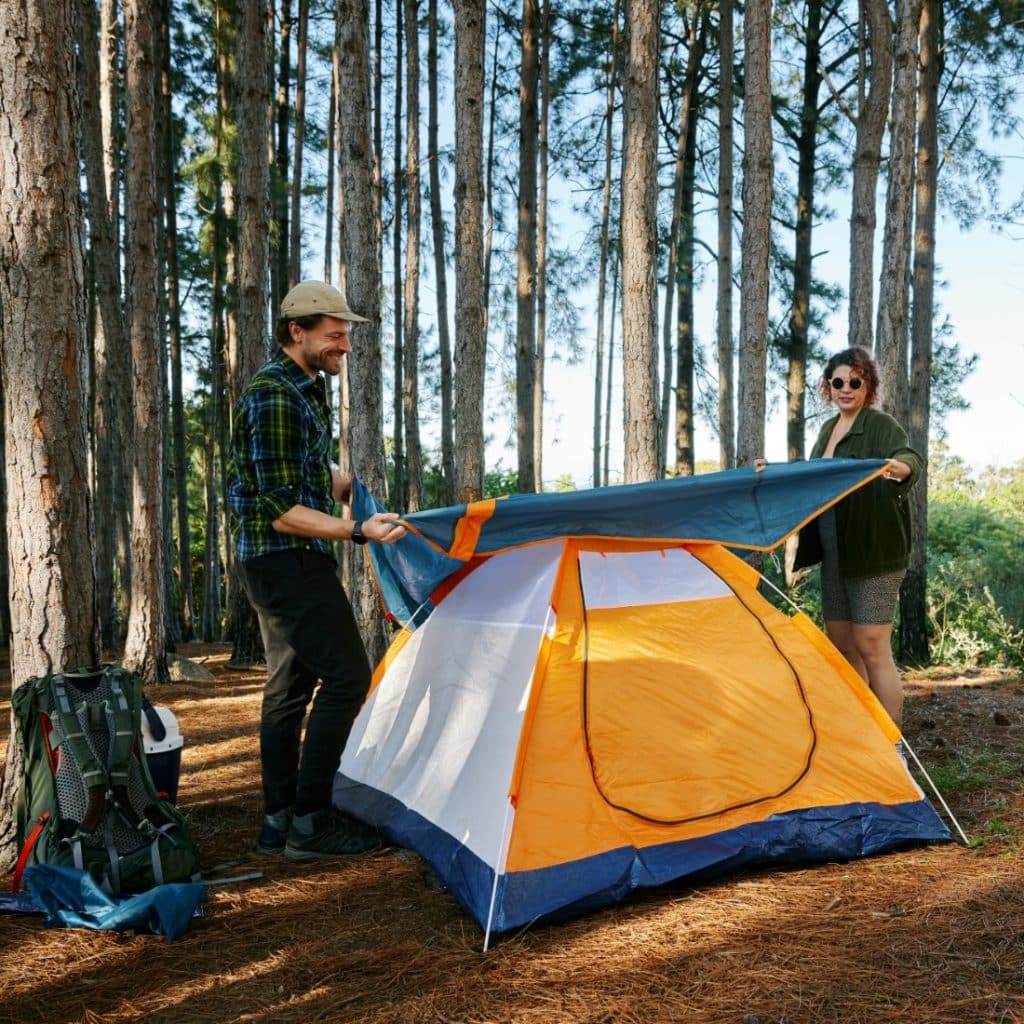
If you’ve recently gotten into hiking or camping, or if you simply love being in the great outdoors, you already know that having the right gear can make or break your trip. These gadgets aren’t just for tech junkies-; they’re here to make your outdoor life safer, cleaner, more enjoyable, and more connected.
You don’t need to buy the most expensive variants of these devices–just the ones that perform well, are durable, and make sense for your specific terrain, climate, and level of experience. Here are the gadgets worth having in your pack, every single time.
1. Smart Watch
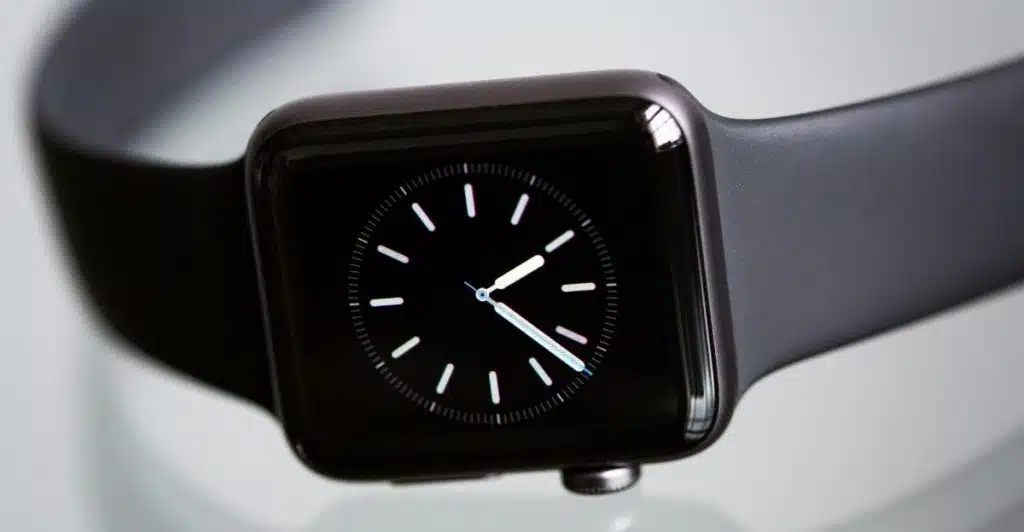
A smart watch can do so many things for you: Track your steps, map your hike, alert you to incoming weather changes, and even monitor your heart rate or elevation gain in real-time. Get one with offline GPS and long battery life–especially those with a built-in compass or altimeter. A rugged design is key, so skip the sleek office versions and go for something built for trail life.
2. Compass

Another item you need to have in your camping kit is a good old-fashioned compass. Not everything needs to be digital, especially when batteries die or cell signals vanish. Choose a compass with a clear baseplate and a rotating bezel. Bonus points if it comes with a sighting mirror or declination adjustment for better accuracy in different parts of the world.
3. Small Flashlight
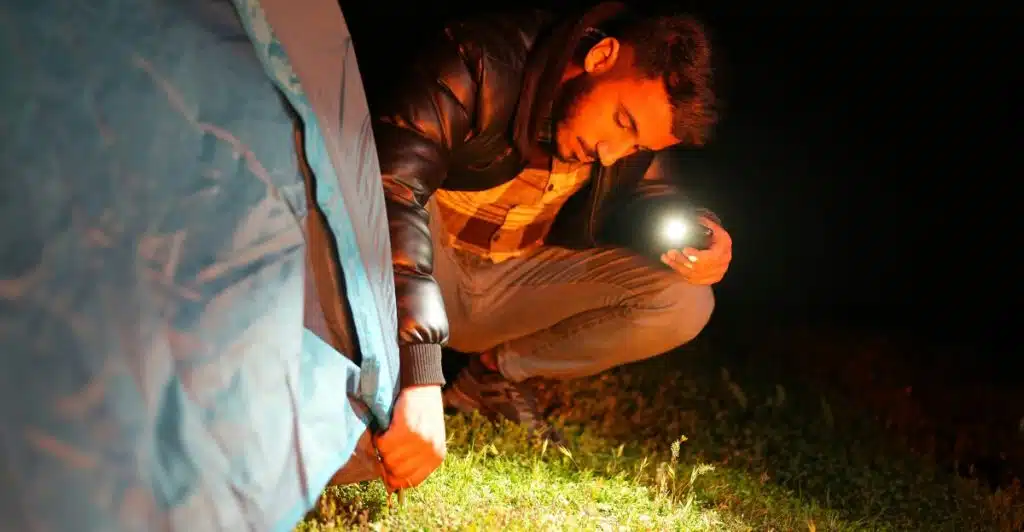
This one’s a no-brainer: A compact but powerful flashlight should always be within arm’s reach, even if you’re not planning to hike after dark. Look for something weatherproof with adjustable brightness settings, and ideally one that charges via USB and is known for having a long battery life. Don’t just rely on your phone flashlight–conserve that battery for emergencies.
4. Portable Water Filter

A portable water filter can help ensure the water you’re drinking is safe, especially in places where clean water isn’t guaranteed. Straw-style filters are lightweight and easy to pack, but if you’re camping for multiple days, go for a gravity-fed or squeeze system that can filter liters at a time without requiring too much effort.
5. Lightweight Binoculars
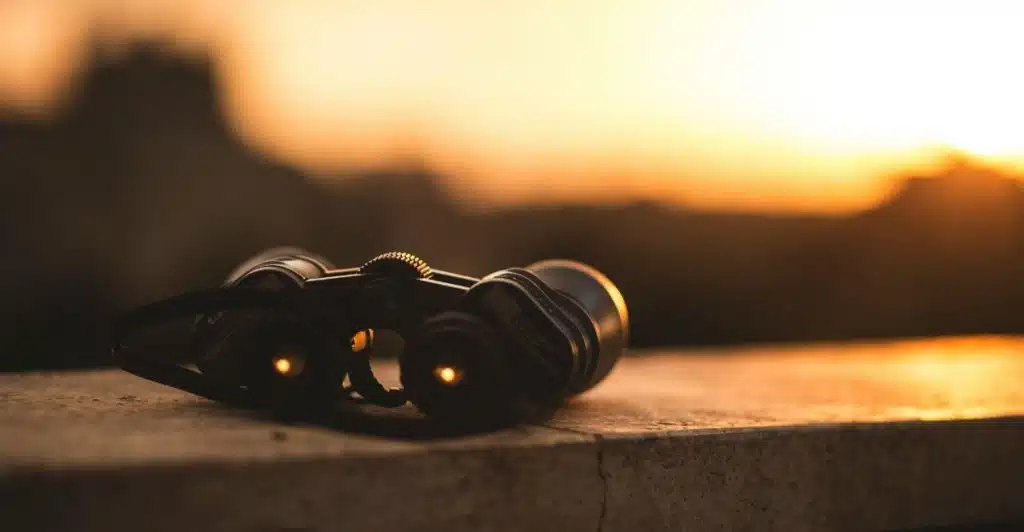
Who doesn’t love a good bird-watching experience? But more than this being a nice-to-have, lightweight binoculars are also a must-have because they let you scope out wildlife, scout trail routes ahead, or even locate distant campsites. Pick a pair that’s fog-proof and waterproof, with at least 8x magnification and a wide field of view.
6. Waterproof Dry Bag
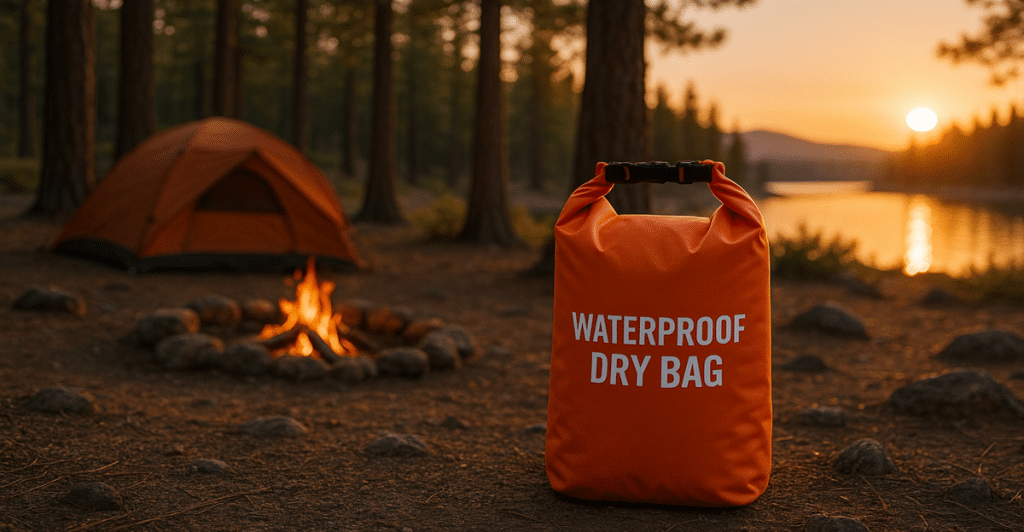
You never know what types of terrain you might encounter–sudden rain, river crossings, even just wet forest underbrush. A dry bag protects your gear from water damage and doubles as a way to keep your clothes or gadgets organized. Get one with a roll-top closure and reinforced seams. Bright colors also help you spot it easily inside your pack or tent.
7. Emergency Whistle
You also don’t know the types of folks you will run into in these hiking or camping situations–or the accidents that can occur. An emergency whistle is lightweight, takes up no space, and can signal for help when phone service isn’t an option. Look for one with no moving parts so it works even when wet or frozen.
8. Portable Camp Shower or Hygiene Kit
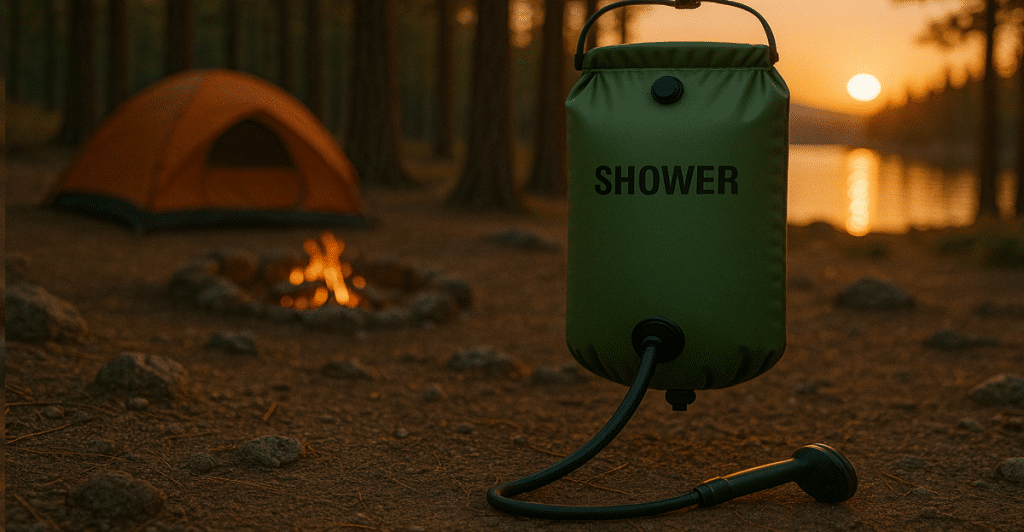
Here are some tips on finding the right portable shower: Pick something collapsible, ideally solar-heated, and easy to hang. Even a simple one-gallon gravity shower can make a huge difference after a sweaty trek. If you’re not the shower type, pack a solid hygiene kit–biodegradable wipes, hand sanitizer, a quick-dry towel, and a toothbrush at minimum.
9. Multi-Tool
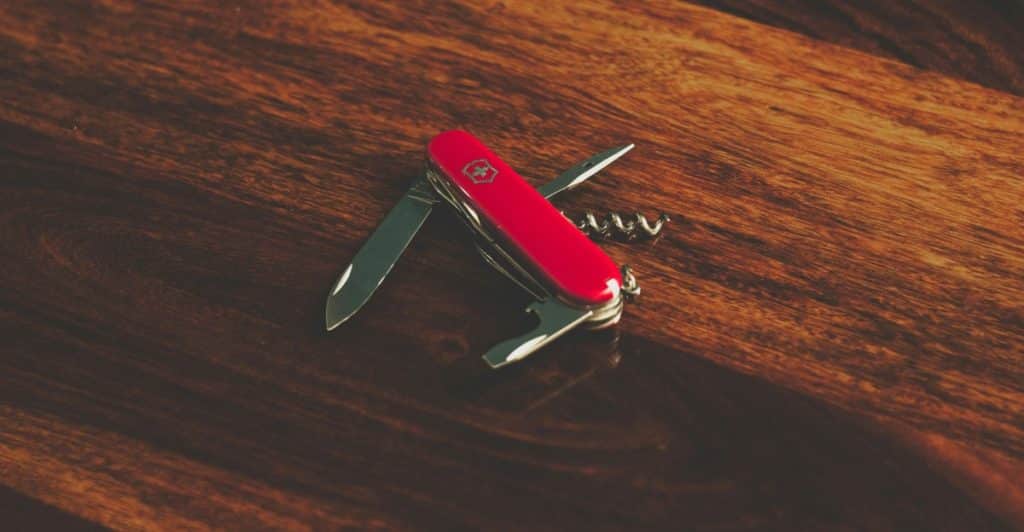
A multi-tool is a must-have in the great outdoors. It can help you cut rope, open cans, repair gear, or handle surprise situations. Look for one that includes pliers, a knife, a screwdriver, and scissors at the very least. Skip the bulky ones with 20+ tools you’ll never use; weight matters when you’re off-grid.
10. Lightweight Stove or Cooking System
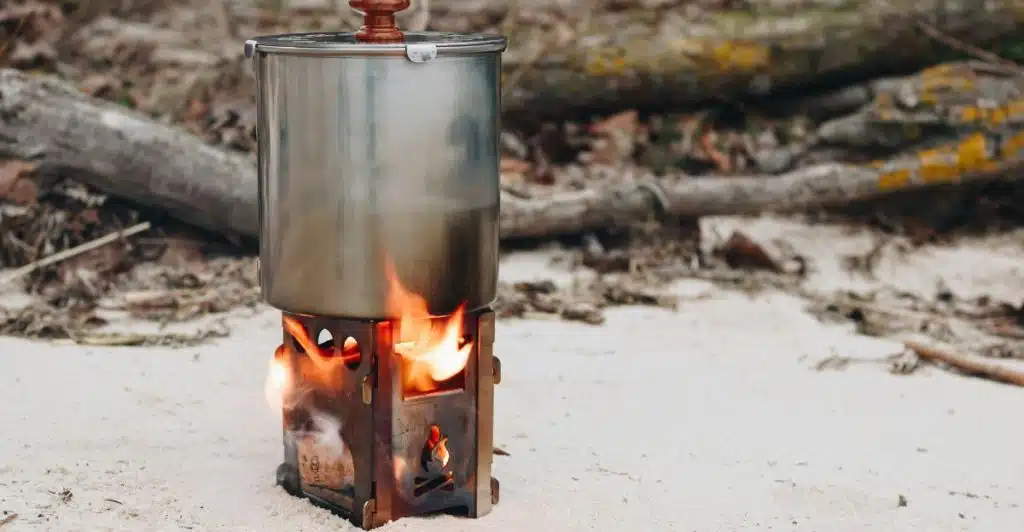
With so many options out there, it’s easy to get overwhelmed. Stick to compact, canister-based systems for quick meals and coffee on the go. If you’re out for longer periods or cooking for more than one, invest in a setup with a stable base and wind resistance. Don’t forget to bring compatible fuel and a reliable ignition source.
11. Power Bank (Solar-Powered Optional)

A power bank is also essential for keeping your devices charged–smartwatch, phone, GPS, flashlight, even a rechargeable headlamp. A rugged, water-resistant model with high mAh capacity (at least 10,000) is ideal. If you’re going on a multi-day trip, a solar-powered version can keep you topped up if you’ve got strong sun exposure.
12. Compact First Aid Kit
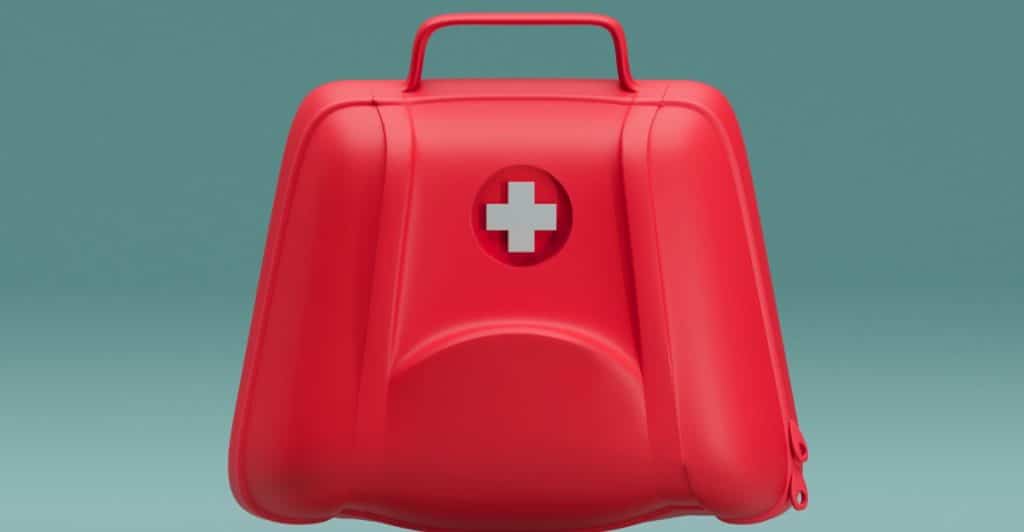
You don’t need to have the biggest kit on the market, but make sure yours includes the basics: Bandages, antiseptic wipes, painkillers, tweezers, and blister pads. Add any personal meds, and repack it into a smaller, waterproof pouch if necessary. It’s one of those things you don’t appreciate until you really need it.
13. Handheld GPS Device
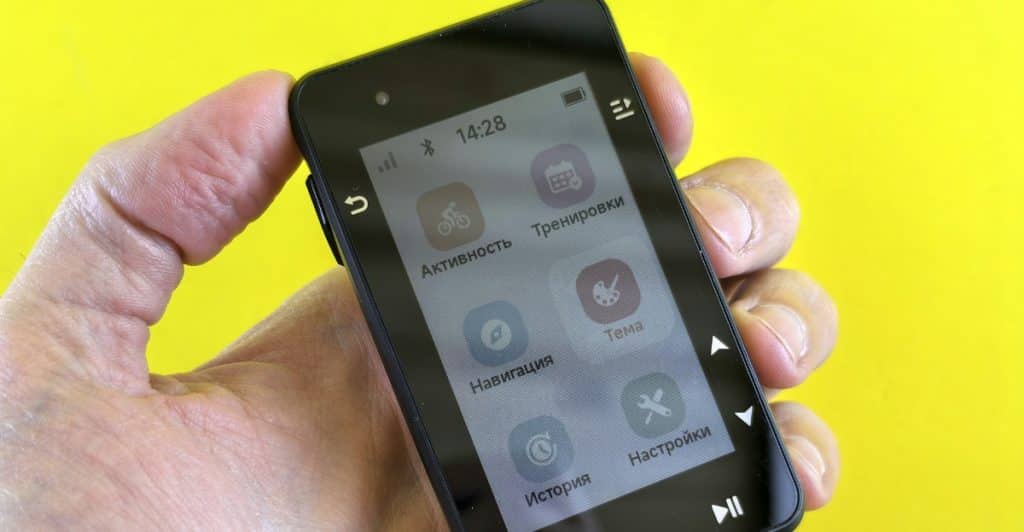
Aside from your compass, a handheld GPS device is a smart backup that gives you real-time navigation even without a phone signal. Look for models with long battery life, topographic maps, and waypoint memory. Some units even let you send SOS signals or text updates through satellite; great peace of mind if you’re exploring solo.
14. Headlamp
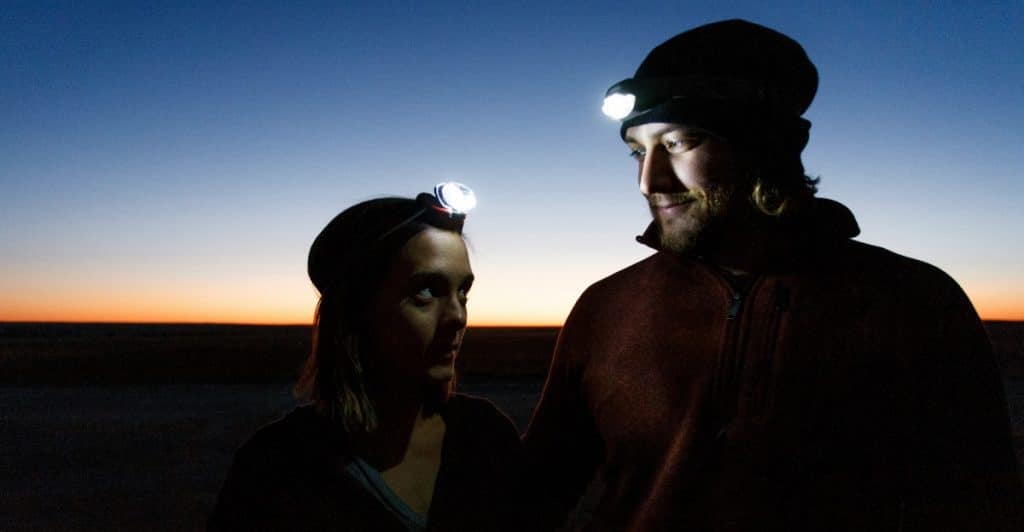
Aside from your small flashlight, a headlamp is a convenient hands-free option that’s perfect for setting up camp, late-night bathroom runs, or navigating dark trails. Look for an LED model with adjustable brightness and a red light mode to preserve night vision. Rechargeable batteries are great, but pack a spare if you’re going off-grid.
15. Lighter or Fire Starter Kit
The last thing you want is to be cold, hungry, or stuck without a heat source. A reliable lighter or fire starter kit is non-negotiable. Waterproof matches, a flint striker, or a butane torch lighter are all good options. Store them in a dry bag or waterproof container, and always keep a backup just in case.








Ask Me Anything