
Regular physical activity is essential for maintaining overall health and well-being. Engaging in a variety of exercises can improve cardiovascular health, enhance muscular strength, boost mental health, and aid in weight management. This guide outlines 16 effective exercises, detailing their benefits and reasons for inclusion in a balanced fitness routine.
Walking

Walking is a low-impact, accessible exercise suitable for individuals of all fitness levels. It aids in weight management, improves cardiovascular health, and enhances mood. Incorporating daily walks can lead to significant health benefits over time.
Running

Running is an efficient way to burn calories and strengthen the cardiovascular system. It also helps in building strong bones and improving mental health. Consistency and proper technique are key to maximizing benefits and preventing injuries.
Swimming

Swimming provides a full-body workout, engaging multiple muscle groups while being gentle on the joints. It’s particularly beneficial for individuals with arthritis or those recovering from injury. Regular swimming sessions can enhance flexibility, endurance, and overall fitness.
Cycling

Cycling is an effective cardiovascular exercise that also strengthens the lower body. Whether outdoors or on a stationary bike, it improves joint mobility and reduces stress levels. Incorporating cycling into a routine can contribute to improved heart health and stamina.
Strength Training

Strength training involves exercises that improve muscle strength and endurance. It helps in maintaining a healthy weight, enhancing bone density, and reducing the risk of chronic diseases. Incorporating strength training 2-3 times a week is recommended for optimal benefits.
High-Intensity Interval Training (HIIT)
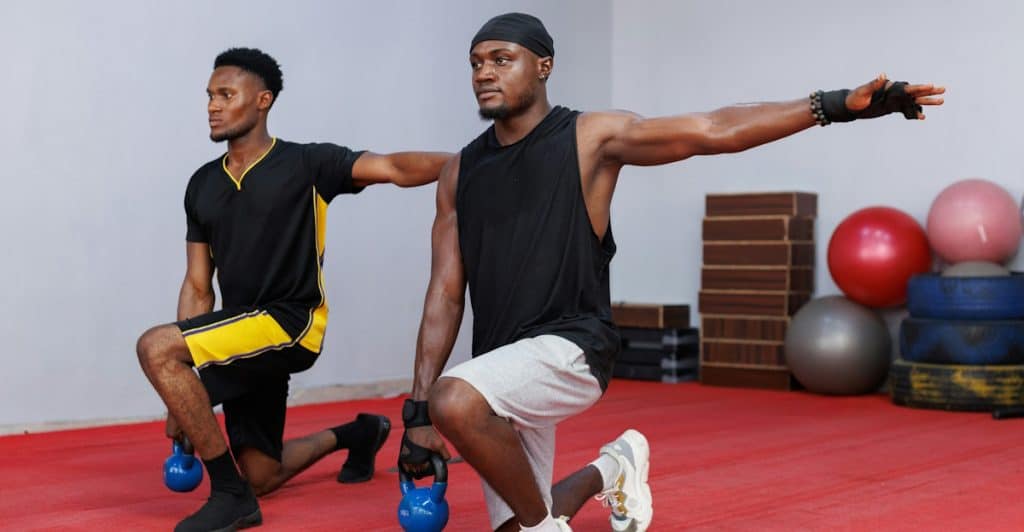
HIIT consists of short bursts of intense exercise followed by rest periods. This approach efficiently burns calories and improves cardiovascular fitness. HIIT workouts can be adapted to various fitness levels and performed with minimal equipment.
Yoga

Yoga combines physical postures, breathing techniques, and meditation to promote flexibility, balance, and mental clarity. Regular practice can reduce stress, improve posture, and enhance overall well-being. Yoga is adaptable to all fitness levels and can be practiced virtually anywhere.
Pilates
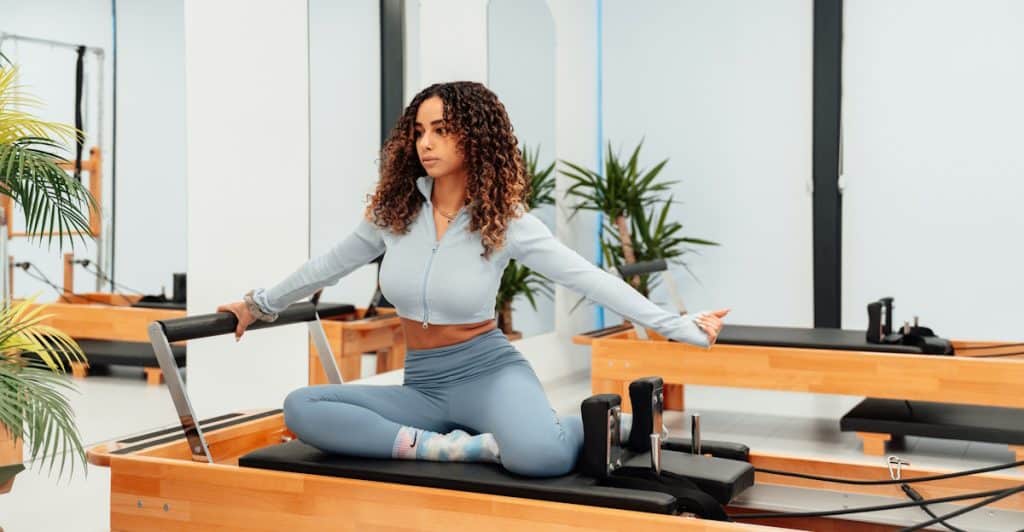
Pilates focuses on core strength, flexibility, and controlled movements. It aids in improving posture, reducing back pain, and enhancing muscular balance. Incorporating Pilates into a fitness routine can lead to improved body awareness and coordination.
Tai Chi
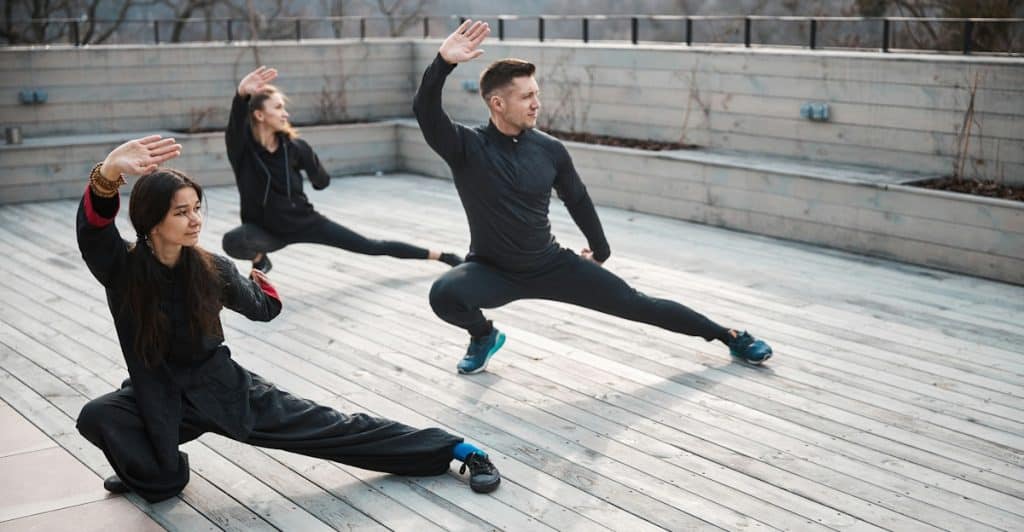
Tai Chi is a low-impact exercise that involves slow, deliberate movements and deep breathing. It enhances balance, flexibility, and mental focus. Practicing Tai Chi regularly can reduce stress and improve overall physical function, especially in older adults.
Jump Rope

Jumping rope is a high-intensity cardiovascular exercise that improves coordination, agility, and bone density. It’s an efficient calorie-burning activity that can be performed in short intervals. Incorporating jump rope sessions can add variety and intensity to a workout routine.
Rowing

Rowing provides a full-body workout, engaging both upper and lower body muscles. It enhances cardiovascular endurance and muscular strength. Using a rowing machine or rowing on water can be an effective addition to a fitness regimen.
Dancing

Dancing is a fun and expressive way to improve cardiovascular health, coordination, and flexibility. It serves as both a physical workout and a mental release. Participating in dance classes or dancing at home can contribute to overall fitness and mood enhancement.
Hiking

Hiking combines cardiovascular exercise with the benefits of being in nature. It strengthens the lower body, improves balance, and reduces stress levels. Regular hiking can contribute to improved physical and mental health.
Stair Climbing

Climbing stairs is a simple yet effective way to improve cardiovascular fitness and lower body strength. It can be easily incorporated into daily routines by choosing stairs over elevators. Regular stair climbing can aid in weight management and endurance building.
Balance Exercises
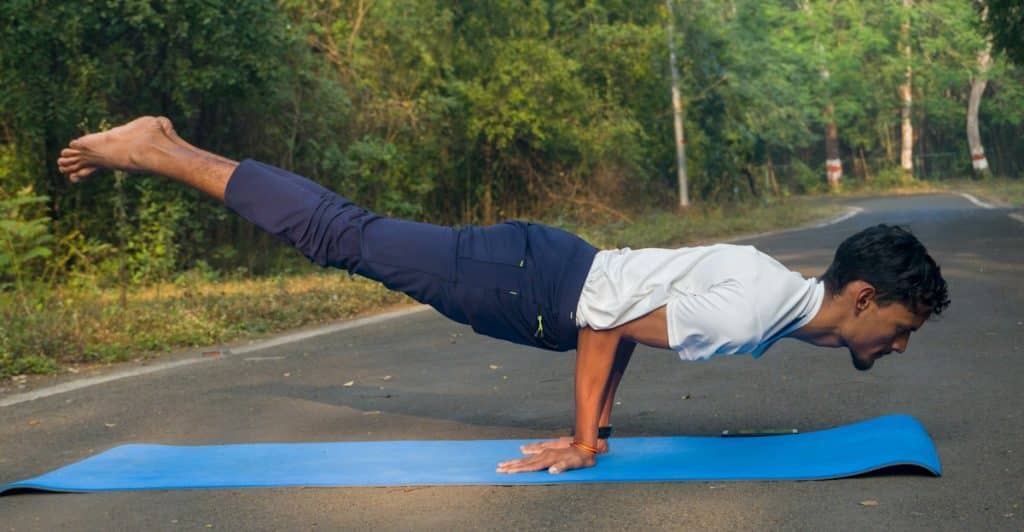
Balance exercises, such as standing on one foot or using a balance board, enhance stability and prevent falls. They are particularly beneficial for older adults and individuals recovering from injury. Incorporating balance training into workouts can improve overall coordination and functional fitness.
Stretching
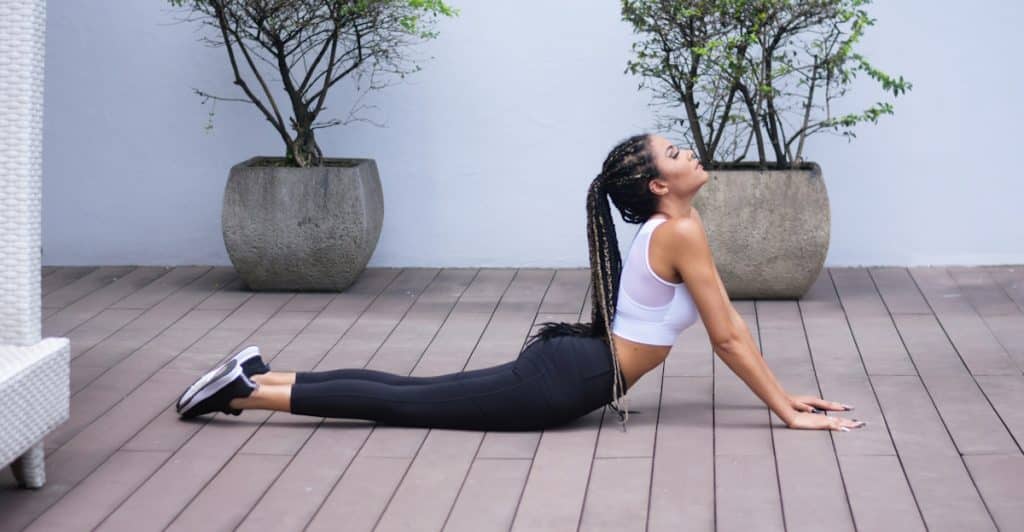
Regular stretching improves flexibility, reduces muscle tension, and enhances range of motion. It aids in injury prevention and can be a relaxing way to conclude a workout. Incorporating stretching into daily routines supports overall mobility and muscle health.








Ask Me Anything