
In relationships, “leader” usually does not mean boss. It means someone who is steady, dependable, and able to handle pressure without creating chaos. Many women respect men who take initiative, keep their word, and protect the relationship’s stability. The opposite is also true: certain behaviors make a man feel unreliable or emotionally unsafe. When that happens, respect can quietly shift into disappointment. That shift does not always show up as an argument. It often shows up as less trust, less attraction, and more emotional distance. These behaviors explain how that change happens over time.
The Credibility Killers: When Words Stop Matching Actions

Leadership collapses fastest when consistency collapses. People can forgive mistakes, but they struggle to trust patterns. When words and actions don’t align, a partner starts doubting everything else. Doubt creates anxiety, and anxiety kills respect. Over time, a woman may feel she has to double-check, remind, or manage. Management is not respected. It is survival. These behaviors often cause that shift.
He Makes Promises He Doesn’t Keep

Broken promises do not always look dramatic. Sometimes it is small things: “I’ll handle it,” then nothing happens. Over time, those misses pile up into a reputation. A man who cannot be counted on stops feeling like a safe foundation. His partner starts planning without him because it is easier. That planning creates emotional distance. Then he feels excluded and confused. But exclusion often starts as self-protection. Reliability is one of the clearest forms of leadership.
He Talks Big but Avoids Follow-Through

Confidence is attractive, but empty confidence becomes noise. When a man talks about plans, goals, and change but does not execute, credibility fades. The partner begins to see the talk as performance rather than substance. That can create secondhand embarrassment and frustration. It also creates uncertainty about the future. Future uncertainty makes a relationship feel unsafe. Leadership requires action, not speeches. The more someone talks without doing, the less seriously they get taken.
He Can’t Make Decisions Without Outsourcing Everything

Healthy couples make decisions together, but paralysis is different. If every choice becomes a crisis, the relationship feels unstable. Constant indecision forces the partner to become the default decision-maker. That can turn into a parent-child dynamic. A parent-child dynamic kills attraction and respect. Decision-making does not require perfection. It requires a calm process and accountability. When a man cannot choose anything, he stops feeling like a leader. He starts feeling like another responsibility.
He Blames Everyone Else for His Outcomes

Blame is one of the fastest ways to lose respect. It signals a lack of accountability and a fragile ego. When a man blames work, family, stress, or his partner for everything, growth stops. A partner cannot build a stable future with someone who avoids responsibility. Blame also creates emotional defensiveness in the relationship. It makes honest conversation feel risky. Over time, the partner stops bringing concerns up because it turns into a fight. That silence is not peace. It is withdrawal.
He Acts Responsible Only When Someone Is Watching
Some men show up in public but disappear in private. They perform responsibility around friends, family, or coworkers, then neglect real duties at home. This creates a trust gap. The partner feels like the relationship is about image, not integrity. Integrity is what creates deep respect. Without integrity, admiration fades into cynicism. Cynicism is hard to reverse once it sets in. Real leadership is consistent, even when no one is watching. Consistency is what makes a home feel secure.
The Emotional Instability Triggers: When Safety Disappears

A leader is not someone who never feels emotions. A leader is someone who manages emotions without harming others. Emotional volatility creates fear and uncertainty. Fear makes a woman guarded. Guarded partners stop being soft, open, and affectionate. Over time, volatility trains the relationship to stay tense. Tension makes respect harder to maintain. These behaviors often create that tension.
He Overreacts to Minor Problems

When every small issue becomes a big emotional event, the relationship feels exhausting. A woman starts walking on eggshells to avoid triggering a reaction. Eggshelled relationships do not feel safe. They feel controlled by mood. Mood-based environments destroy trust because they are unpredictable. Unpredictability makes a man seem unstable, not strong. Strength looks like steadiness. Steadiness looks like perspective. Overreaction makes everything feel like a crisis.
He Shuts Down Instead of Handling Pressure

Some men respond to stress by going silent, distant, or unreachable. They stop communicating and leave the partner guessing. Guessing creates anxiety and emotional chaos. A partner cannot feel led by someone who disappears when life gets hard. Disappearing forces the other person to manage alone. Managing alone turns into resentment over time. Resentment reduces respect quickly. Even brief shutdowns can do damage if they are frequent. Presence is leadership.
He Turns Conflict Into a Power Struggle
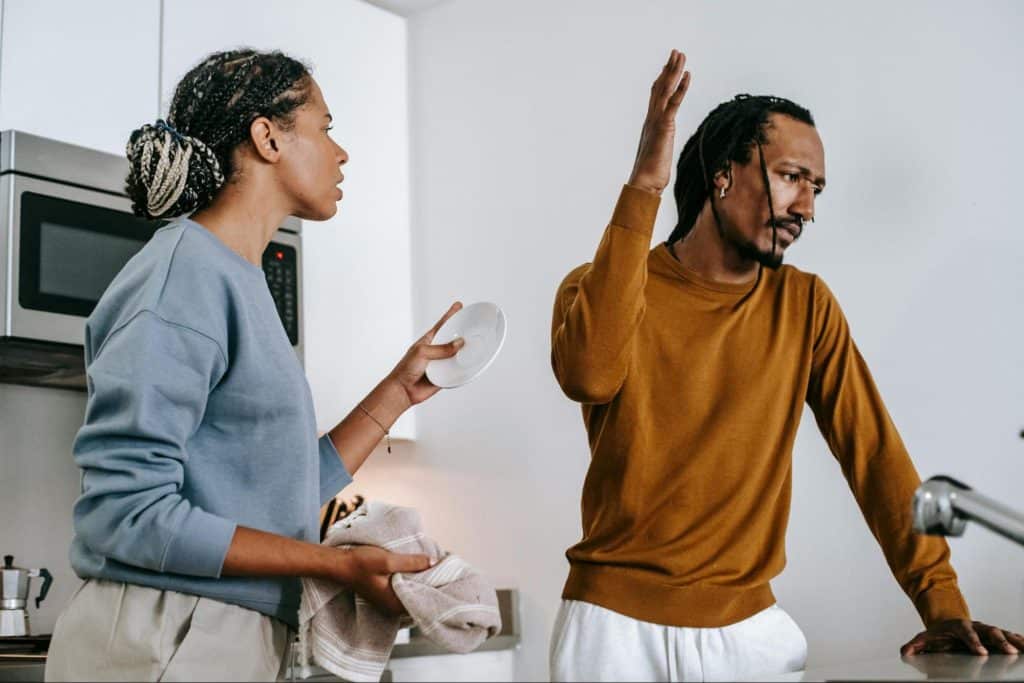
Leadership is not domination. When disagreements become about winning, respect drops. A partner stops feeling like an equal and starts feeling like an opponent. Power struggles also create defensiveness and emotional distance. The relationship becomes more about control than connection. Control is not attractive long-term. It creates fear, not trust. Trust is what makes a man feel like a leader. Healthy conflict is about solutions, not conquest.
He Uses Anger as His Main Communication Tool
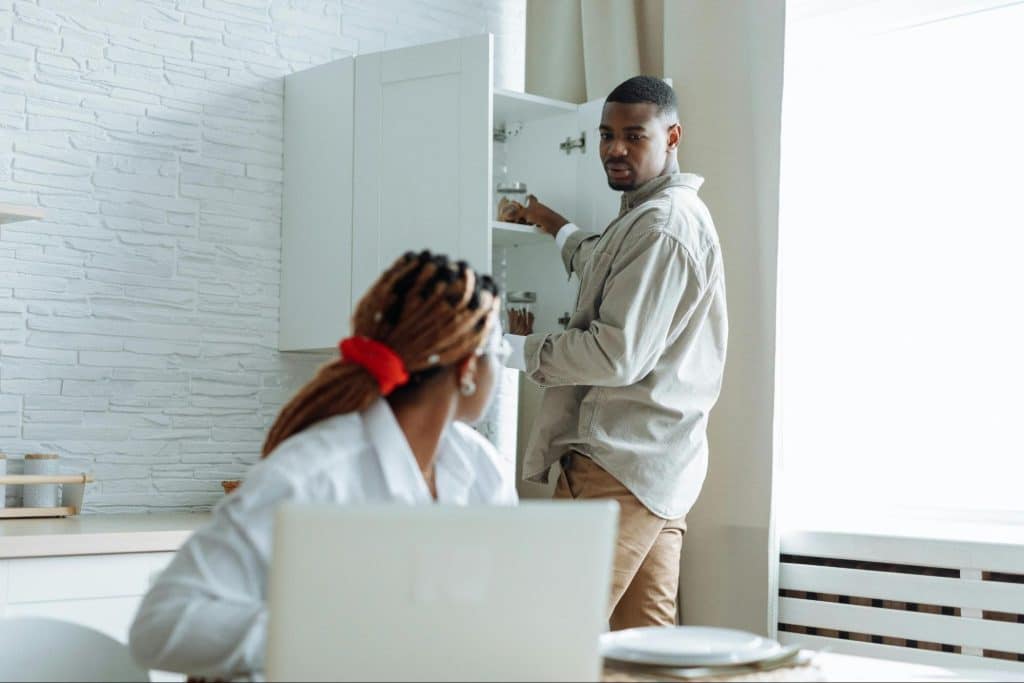
Anger can happen, but when it becomes the default, emotional safety collapses. The partner begins filtering what she says to avoid a blow-up. Over time, she shares less and feels less close. Less closeness leads to less affection. The man then feels disconnected and may become angrier. That is a destructive loop. Anger as communication also signals low emotional maturity. Emotional maturity is a key leadership trait. A calm tone does more than a loud point.
The Respect Erosion Habits: When Trust Turns Into Disappointment

Respect is not only about big moments. It is also about daily behavior and shared values. When a man becomes inconsistent, careless, or self-centered, a woman adjusts her expectations. That adjustment often looks like emotional distance and reduced attraction. Men often interpret it as “she changed,” but it is usually a response. Respect erosion is rarely sudden. It is death by a thousand small disappointments. These behaviors often cause that slow decline.
He Neglects the Basics and Calls It “Being Tired”
Everyone gets tired, but neglect becomes a pattern when it is constant. When basic effort fades, communication, kindness, presence, love starts feeling one-sided. The partner begins feeling unseen. Feeling unseen reduces attraction and warmth. Tiredness is real, but it cannot be a permanent excuse. A man who leads protects basics even in hard seasons. Basics are the foundation of stability. Without basics, the relationship feels fragile. Fragile relationships do not inspire respect.
He Avoids Hard Conversations and Leaves Her Carrying the Emotional Load

Avoidance can look peaceful, but it usually creates unresolved tension. If she always has to initiate difficult conversations, she becomes the relationship manager. Management kills admiration over time. A leader does not hide from discomfort. He faces it with calm and clarity. When he refuses hard conversations, the relationship stays stuck. Being stuck creates resentment. Resentment changes how a partner sees him. Leadership includes emotional courage.
He Expects Respect Without Giving It

Respect cannot be demanded like a wage. It is earned through how someone treats their partner. If he dismisses her opinions, interrupts, or belittles her concerns, respect fades. Many women stop seeing leadership when they stop feeling valued. Being valued creates loyalty and softness. Being dismissed creates defensiveness and distance. A man can be competent in the world and still lose respect at home if he is careless emotionally. Emotional respect is not optional. It is the core of partnership.
He Becomes Passive While Still Wanting Control

This is one of the most confusing patterns for partners. A man may avoid initiative but still want final say. He may not plan, but he critiques. He may not lead, but he resents being asked to step up. This creates a lack of trust and a lot of frustration. It also makes him seem insecure. Secure men take responsibility for outcomes. Passive control creates tension and power struggles. Over time, a woman stops expecting leadership from him. She starts doing life without his input.
He Leaves His Partner Feeling Alone in the Relationship

A relationship can feel lonely even with two people in it. If a man is emotionally unavailable, inconsistent, or self-focused, the partner feels alone. Feeling alone changes how she bonds. She may stop sharing, stop initiating, and stop trying. The man then notices a colder version of her. But that version often formed from repeated loneliness. Leadership is presence, emotional and practical. Presence creates safety. Safety creates respect. Loneliness destroys all three.
Leadership Is Quiet, Consistent, and Proven Over Time
A man is seen as a leader when he is reliable, emotionally steady, and willing to take responsibility. Leadership is not controlling a partner; it is being someone a partner can trust under pressure. These behaviors, broken follow-through, emotional volatility, avoidance, and disrespect, slowly erode that trust. When trust erodes, respect changes. When respect changes, attraction and closeness often change too. The good news is that these patterns are fixable with consistent action. Real leadership starts with small daily choices that create safety and stability. It is less about being in charge and more about being dependable. A relationship thrives when leadership looks like partnership, not power.








Ask Me Anything