
Attraction in long-term relationships rarely disappears suddenly; it fades through small behaviors repeated over time. These shifts often go unnoticed because they are subtle and easy to rationalize as stress, routine, or aging. Yet these patterns create an emotional atmosphere where excitement turns into comfort, and comfort slowly turns into complacency. Many men do not realize how these gradual changes reshape how their partner sees them, responds to them, and connects with them. Understanding these behaviors provides clarity on where attraction begins to weaken, and where it can still be rebuilt.
Letting Predictability Replace Presence

Routine can create stability, but predictability without engagement becomes dull. When interactions follow the same rhythm daily, curiosity and anticipation fade. A partner begins to feel like the relationship is running on autopilot rather than genuine connection. Over time, predictability creates emotional distance because there is no spark of spontaneity left. This shift quietly reduces attraction because familiarity becomes overly heavy without moments that feel alive.
Showing Interest Only When It’s Convenient

Attraction thrives on attention that feels intentional rather than situational. When engagement happens only during relaxed or convenient moments, it sends a message that connection is optional. A partner begins to feel like emotional access depends on timing rather than priority. Over time, selective effort changes how valued she feels. This gradual inconsistency drains the emotional intensity that once made the relationship exciting.
Becoming More Reactive Than Proactive

When responses replace initiation, it signals a slow withdrawal from the relationship’s emotional maintenance. A partner notices when affection, communication, or intimacy only occurs after she prompts it. This pattern shifts her perception from being wanted to being accommodated. Reactiveness communicates passivity rather than partnership. Over time, this dynamic flattens attraction because she no longer feels chosen.
Interrupting Instead of Listening

Cutting in, finishing her thoughts, or redirecting conversations may not feel harmful, but they subtly communicate disregard. A partner begins to sense that expressing herself is less valuable than reaching a conclusion quickly. This diminishes openness and creates emotional caution. Over time, she shares less because the space to speak feels smaller. Attraction fades when she no longer feels heard with intention.
Using Humor to Dismiss Tension

Light jokes or teasing can soften moments, but they can also deflect serious issues that need acknowledgment. When humor becomes the default response to discomfort, it signals avoidance. A partner begins to feel like her concerns are minimized under the guise of casualness. This leads to emotional distance because she stops bringing up vulnerable topics. Over time, avoiding depth quietly erodes connection.
Going Silent During Disagreements

Silence is often mistaken for maturity or self-control, but it can feel like emotional abandonment. When conflict arises and one partner shuts down, the other carries the full weight of the moment. This imbalance forces her to manage the tension alone. Over time, the pattern trains her to stop relying on emotional availability. This shift significantly weakens attraction because safety and communication deteriorate.
Allowing Physical Touch to Become Functional

Touch that once felt affectionate can slowly turn into routine contact with no emotional weight. A partner notices when physical closeness becomes something that happens out of habit rather than desire. This shift makes intimacy feel mechanical rather than meaningful. Over time, she feels less pursued and less connected. Attraction diminishes when physical presence carries no emotional intention.
Putting All Energy Into Work and None Into Connection

Long-term responsibilities often demand attention, but emotional energy is just as essential. When work receives the best parts of a man’s focus and the relationship receives whatever is left, imbalance forms. A partner begins to feel secondary, even if she understands the pressures involved. Over time, emotional scarcity becomes the new normal. This dynamic subtly weakens attraction because connection feels like an afterthought.
Letting Personal Growth Stall

Attraction is deeply tied to vitality, ambition, and self-development. When growth stops, the relationship loses an element of inspiration. A partner may not voice it, but she notices when the man beside her feels stagnant. This isn’t about achievement, it’s about energy and engagement with life. Over time, stagnation creates emotional dullness that diminishes attraction.
Avoiding Vulnerable Conversations

Surface-level conversations maintain peace but prevent depth. When vulnerability disappears, emotional intimacy fades with it. A partner begins to sense that deeper parts of the relationship are off-limits or inconvenient. Over time, this creates a quiet emotional divide. Attraction wanes because openness is essential for closeness.
Treating Her Stress as an Interruption Instead of an Experience

When her difficult moments are viewed as disruptions rather than opportunities for connection, resentment grows. A partner notices when empathy is replaced by impatience or dismissiveness. This makes her feel unsupported during vulnerable times. Over time, she withdraws emotionally because sharing becomes costly. Attraction diminishes in environments where emotional comfort is inconsistent.
Acting Annoyed by Her Needs

Needs evolve in long-term relationships, but responding with irritation sends a clear message. A partner begins to feel like she must shrink herself to preserve peace. This dynamic quietly undermines closeness because she senses emotional rejection even in small moments. Over time, her desire to engage shifts into reluctance. Attraction erodes when emotional receptiveness disappears.
Letting the Relationship Run Without Leadership

Partnerships thrive when both people contribute energy, ideas, and direction. When initiative fades, the relationship enters maintenance mode rather than growth mode. A partner begins to feel like she carries the responsibility for momentum. This shift creates emotional fatigue and quiet disappointment. Over time, attraction lessens because passivity replaces engagement.
Avoiding Effort Toward Shared Experiences

Shared experiences sustain long-term attraction by creating new memories. When dates, outings, or rituals fade, the relationship loses its sense of adventure. A partner begins to feel like life together has become purely functional. Over time, routine replaces excitement. Attraction declines when the relationship stops expanding.
Letting Respectful Tone Slip Into Casual Disregard
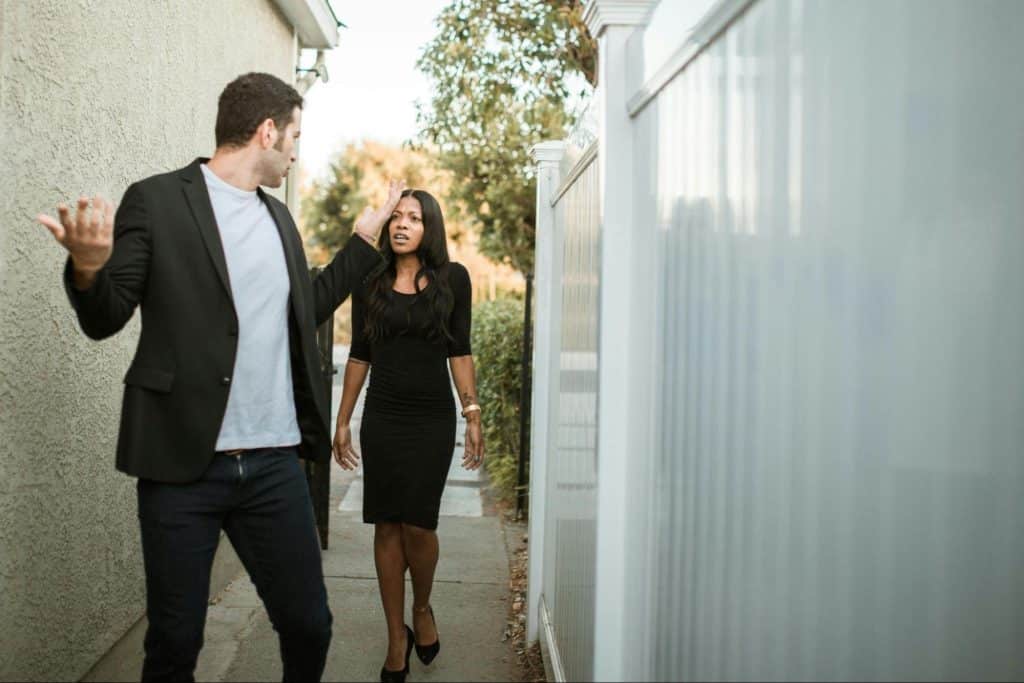
Tone creates emotional safety, and small changes matter. When irritation creeps into everyday conversations, or politeness erodes, a partner feels the shift immediately. Over time, a sharper tone becomes normalized even if not intentional. This quiet disrespect chips away at closeness. Attraction fades in environments where kindness becomes inconsistent.
Conclusion

These behaviors do not destroy attraction overnight; they chip away at it through repetition and neglect. Each one seems small on its own, but together they create a relationship where closeness weakens and emotional distance grows. The strength of long-term love depends on awareness, presence, and consistent intention. Recognizing these patterns is the first step toward rebuilding the energy, respect, and desire that make long-term relationships thrive. Small shifts in behavior can restore attraction just as quietly as it once faded.








Ask Me Anything