
There are not many things people love to weigh in on more than relationships, and among the most hotly debated topics of all is what makes someone “relationship material.” There’s an idea that goes around now and again that certain behaviors will, at the end of the day, make a woman find herself alone. While that claim is sometimes exaggerated or said in a brusque manner, it does encapsulate how many men respond to recurring patterns with dating and long-term compatibility. It is not universal truth, but it does illustrate that some behaviors affect how attractive and connected you feel toward each other and how stable the relationship will be over time.
Being single is not failure, and many women choose it intentionally because it was the best decision for their peace of mind and priorities. At the same time, stable patterns of behavior can affect how relationships develop and which ones endure. Not to point fingers but to find a common basis, see what makes us come together and what specific tendencies may slightly push more away than pull in. These insights can be helpful when viewed through a lens of growth instead of judgment.
Here are 15 behaviors often discussed in that context.
Constantly Comparing Partners
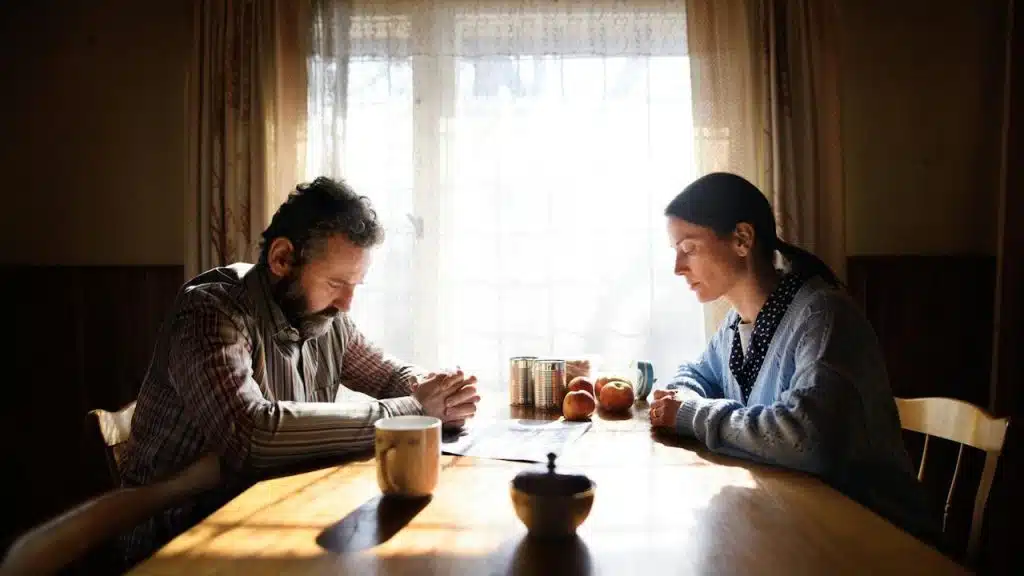
The more a woman compares her partner to others, the more like acid that pours onto that granite slab. This comparative assessment could be in relation to an ex, the boyfriend of a friend or unrealistic representations on social media. Gradually, it gives a feeling that the present partner is always too little, even if he makes an honest effort. This practice has the potential to make a partner feel taken for granted and replaceable. Instead of feeling the unique gift of being chosen, he may feel like he is always being compared to someone else’s highlight reel.
Unrealistic Expectations

Having standards is healthy, but when expectations are unrealistic, they lead to perpetual dissatisfaction. Having a partner who fulfills all of an individual’s emotional, financial, and social needs perfectly puts overwhelming pressure on the relationship. No one can ever measure up to an idealized version of perfection on a repeated basis. Expectations that allow no margin for error or growth can make what should be a supportive connection feel pressing and depleting.
Lack Of Appreciation

One of the easiest but also most powerful ways to keep a relationship strong is feeling that both of you appreciate each other. This can cause emotions to rage and a feeling of drifting apart, when effort is taken for granted. There is a need to appreciate small gestures and time invested or thoughtful action so that it feels meaningful. Taking a moment to acknowledge or sincerely thank someone helps strengthen connection and create a healthier context.
Poor Communication Habits

Communication problems are in fact one of the most common reasons relationships break down. Difficult conversations withuing, expecting a partner to read minds or shutting down during conflict it all confusion and frustration. In an environment where thoughts and feelings are not clearly traced, you are bound to misunderstand.Spoken honestly, clearly and calmly, conversations build trust and let small things become big issues.
Playing Mind Games

Mental manipulation can build momentary excitement, but it often erodes lasting trust. While things like testing a partner’s loyalty, deliberately making them jealous or becoming emotionally distant to get attention can contribute to emotional instability in the relationship. What may seem buoyant at the outset can grow wearying over time.
Prioritizing Social Validation

In this social media heavy world, external validation can sometimes be more interesting than actual connection. If you constantly seek validation, approval or admiration from others, it may make your partner feel secondary. The relationship has performed more of a place than part.
Avoiding Accountability

Without accepting responsibility for mistakes, you cannot move forward in your life. When someone refuses to be held accountable over and over, it prevents you from resolving the conflict which leads to more conflict. Refusing to take blame nor recognize faults within yourself makes it hard to move on after an argument. Most men appreciate partners who can learn from situations and grow.
Disrespecting Boundaries

Boundaries are a marriage of any healthy relationship. Deliberately or not, ignoring them can lead to friction and bitterness. This may include, but is certainly not limited to, encroaching on privacy, ignoring personal space or overstepping boundaries that have already been established.
Overdependence

It can put pressure on us to rely solely on a partner for emotional support, validation, or even happiness. Support is crucial, but relying on one person to fulfill all your needs can be too much. That seems to restrict the independence both people can feel. Many men like a wife who has her own identity and passions.
Negative Outlook On Relationships

A negative viewpoint on relationships consistently can, in subtle and not-so-subtle ways, inform behaviour. A defensive or self-sabotaging action may stem from the feeling that doing something positive is not only uncalled for, but will lead to disappointment or assume that things will go wrong. This mentality often generates the problems it seeks to prevent. Optimism is not the denial of reality, but it is about possibility. When that openness is lacking, growth becomes constrained.
Lack Of Effort

One of the most prevalent things men say is that effort is one of the most obvious signals of interest and dedication. It is not about the big things, it is about consistently doing the small thing. When the effort disappears, so does the thread that holds up the relationship.
Controlling Behavior

Being controlling of a partner’s actions, choices or social interactions always adds strain. Although it could stem from fear or insecurity, it results in pushback and resentments. Letting go and independence are crucial elements for a healthy dynamic. However it can be challenging for men when trust is removed and control takes its place. A relationship is more like a partnership than a series of rules.
Avoiding Emotional Intimacy

You bring emotional intimacy, and that’s what makes a relationship go from surface level to meaningful. When someone is afraid to be vulnerable, or if they keep emotional distance in order to protect themselves, this could prevent a deeper bond. Walls that provide safety can also keep intimacy at bay.
Inconsistent Behavior

This type of slack can be disorienting, even destabilizing. The oscillation between warmth and engagement in one moment, withdrawal the next breeds uncertainty. This can in turn make building trust or feeling safe in the relationship difficult. For men, consistency is important because it creates clarity. Understanding where they stand enables them to invest with greater confidence.
Refusing To Grow

If you want a long lasting relationship, growth is key. We know this to be true, change is hard but unfortunately when someone does not want to make that change or do work on themselves, it leads to stagnation. Relationships evolve, and both people in a relationship must grow with the times. The relationship may not be able to transfer into the future without that willingness.
Final Thoughts

The idea that loneliness is the ultimate consequence of particular behaviors is expressed, but not in a nuanced or intelligent way. There are many factors that influence relationships, compatibility, timing, individual experiences. But consistent patterns in behavior do influence how connections are made and whether they endure. These points should not be seen as criticisms, rather opportunities for awareness. Both men and women have habits that can make or break a relationship. Understanding these tendencies can lead to better communication, an emotional connection and healthier dynamics overall. It is not perfection, but the willingness to reset and keep trying over time that yields progress.
Ultimately, being single should not be a scary idea and being in a relationship is definitely not the end game. What’s most important is establishing a connection that feels supportive, respectful and authentic. But when two people contribute effort, understanding and emotional awareness to a relationship, it is less about avoiding being alone than creating something worthwhile.








Ask Me Anything