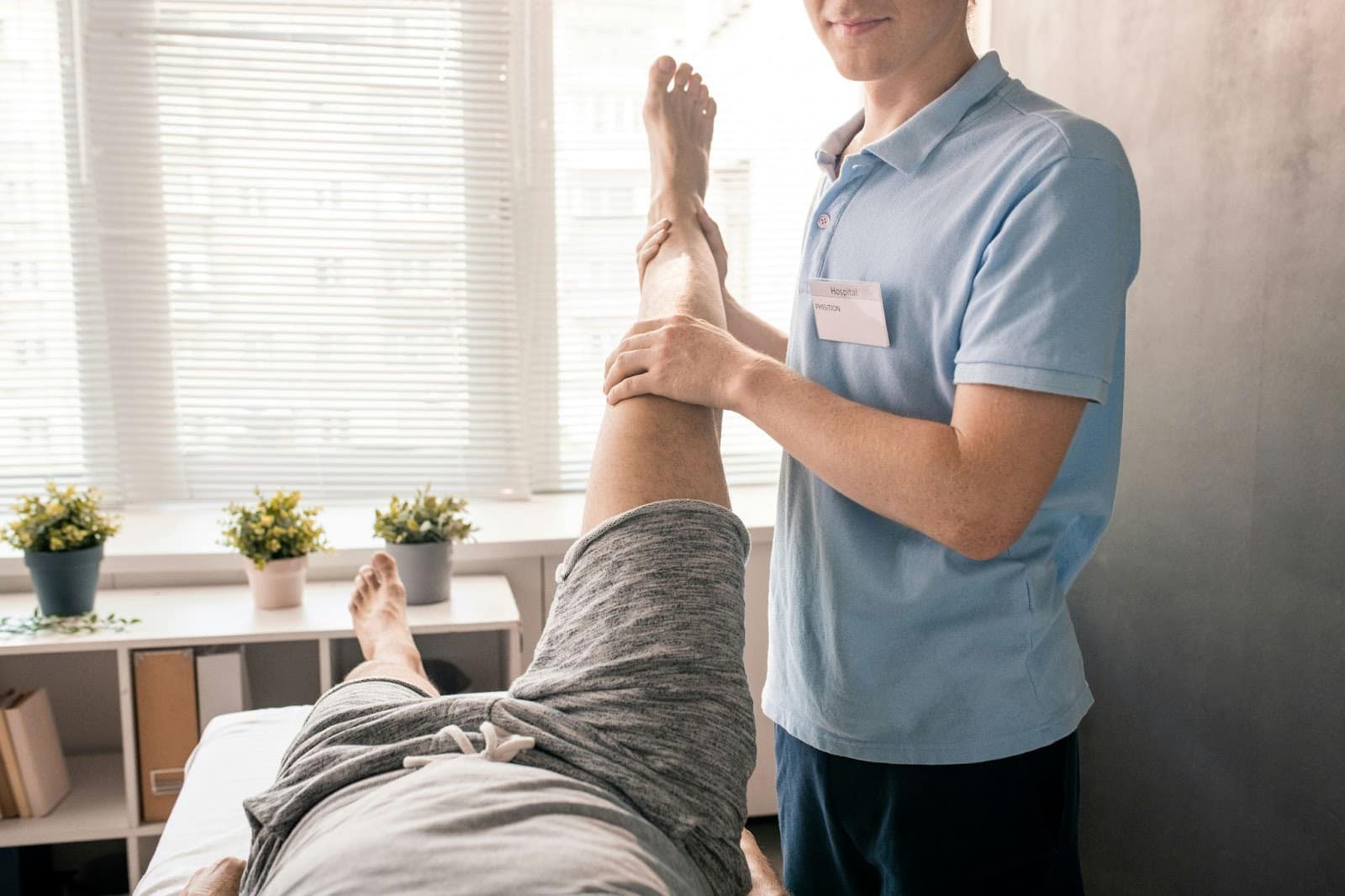
Most men don’t start thinking about knee health until pain becomes impossible to ignore. But by 40, the damage from daily wear and unnoticed habits starts to pile up. Knees aren’t just joint hinges, they’re shock absorbers, stabilizers, and gatekeepers of independence. Treating them as afterthoughts invites long-term discomfort, limited mobility, and even surgery. The following habits might seem harmless now, but they could be slowly breaking down one of your body’s most crucial support systems.
Habit 1: Ignoring Warm-Ups and Cool-Downs
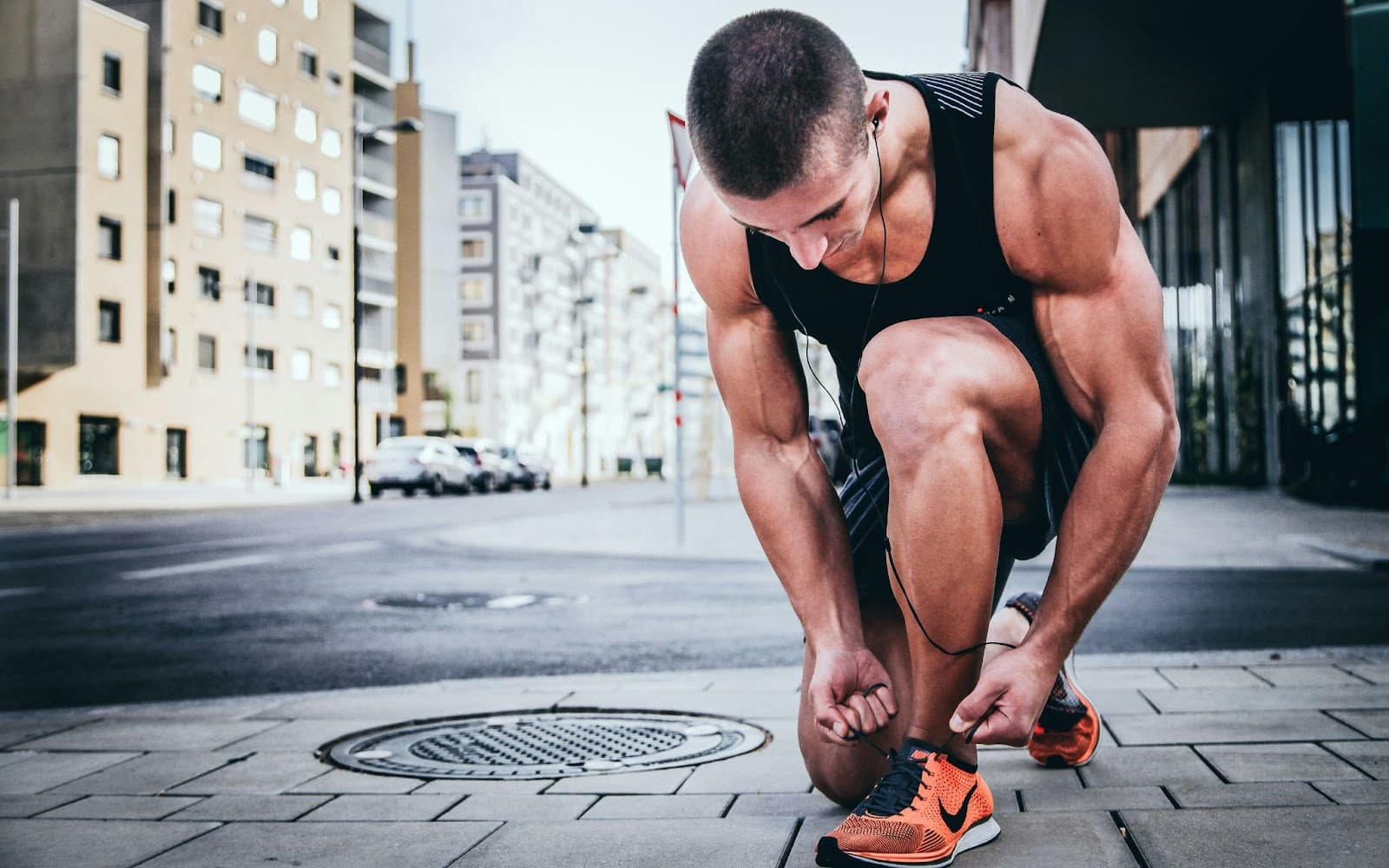
Skipping warm-ups might save five minutes, but it can cost years of joint stability. Cold muscles and tight tendons create the perfect environment for strain and long-term inflammation. A proper warm-up increases blood flow, lubricates joints, and reduces friction around the knee. Cooling down is just as essential, it prevents stiffness and helps the knees recover post-activity. A few stretches now could save you from limping later.
Habit 2: Sitting for Hours Without Moving

Modern life makes it easy to sit for eight hours straight, but your knees pay the price. Prolonged sitting shortens hamstrings and tightens hip flexors, shifting stress onto the knees. Lack of movement limits joint lubrication and weakens the muscles that support knee stability. Taking a short walk every hour keeps circulation strong and your knees flexible. It’s not about exercise, just consistent movement.
Habit 3: Overdoing High-Impact Workouts

Jumping, sprinting, and aggressive leg days may feel productive, but without proper form and recovery, they break your knees down. High-impact movements generate repetitive shock that wears cartilage thin over time. Balance is key, mixing in low-impact activities like swimming, cycling, or yoga gives knees the relief they need. Training hard is fine; training smart is better.
Habit 4: Wearing Worn-Out or Unsupportive Shoes
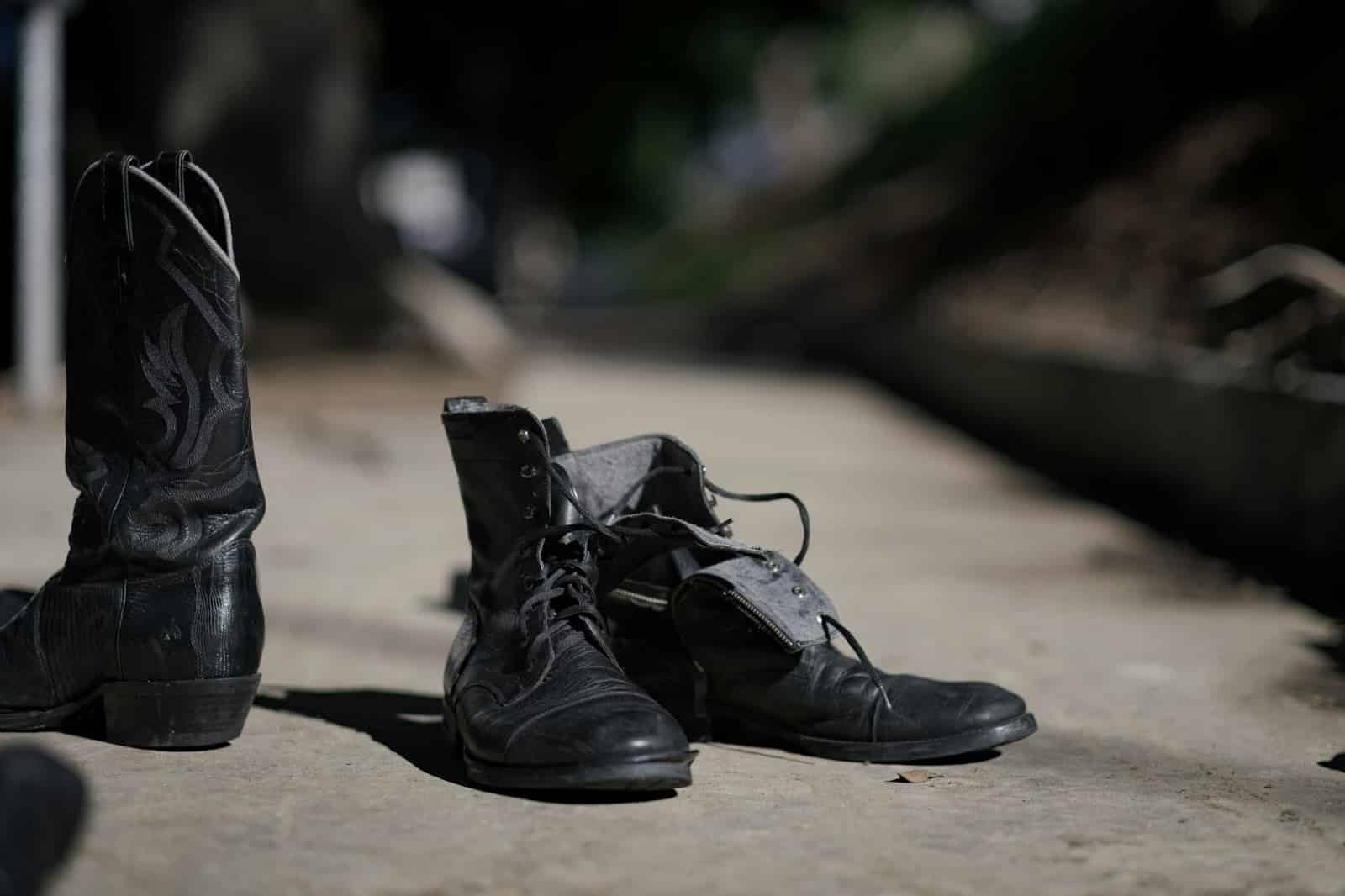
Your knees are directly affected by what’s on your feet. Old shoes lose shock absorption, forcing your knees to compensate for each step. Flat soles and poor arch support distort alignment, increasing joint strain. Investing in proper footwear, or at least rotating pairs, helps maintain the chain of support your knees rely on. Don’t underestimate the quiet damage bad shoes can do.
Habit 5: Neglecting Strength Training
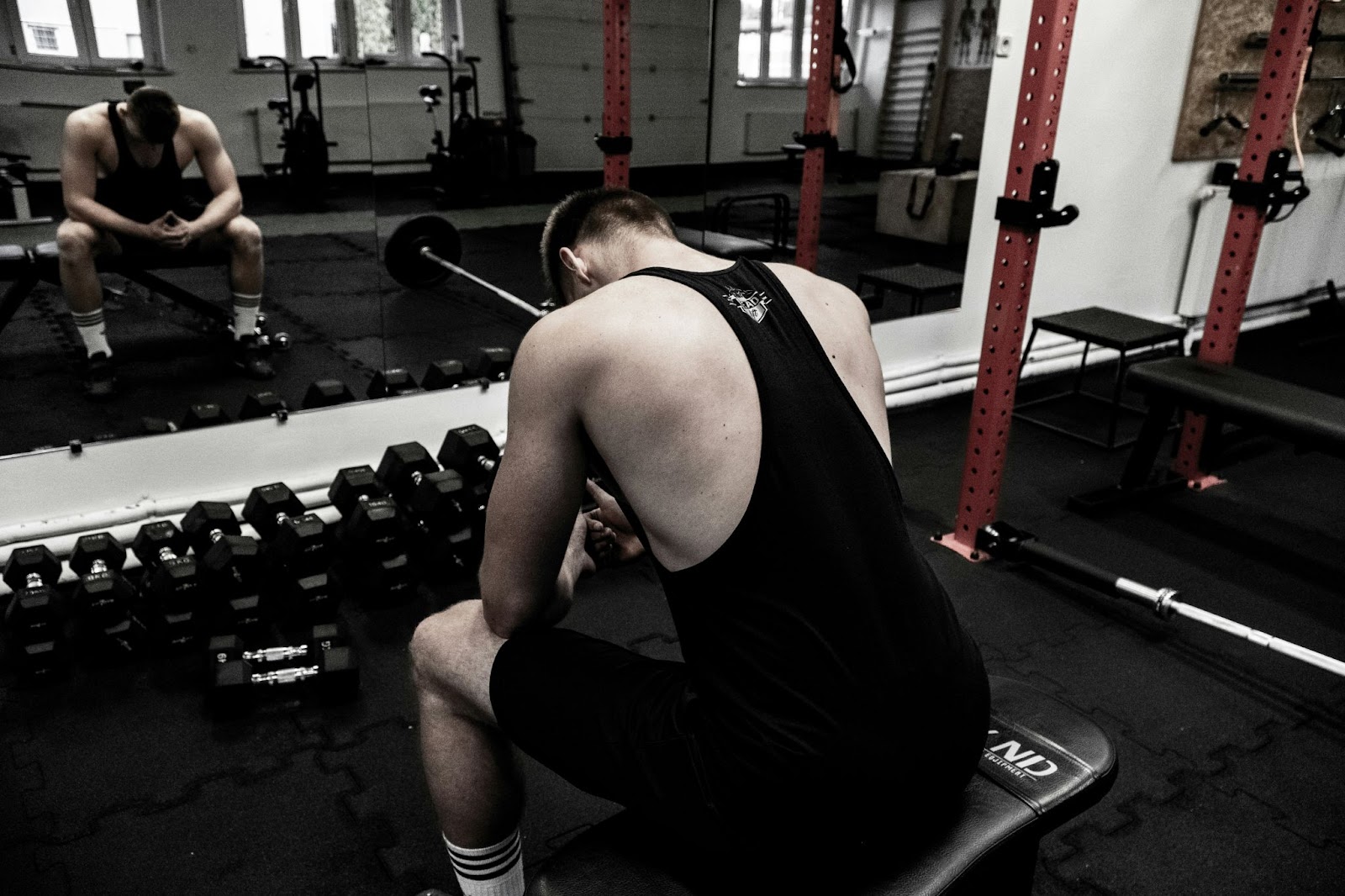
Cardio is important, but without strong muscles supporting the knees, you’re on shaky ground. Weak quads, hamstrings, and glutes force the knees to take on more load. Targeted strength training not only improves function but also reduces injury risk. A stable knee is a protected knee, and strength is the key. Make resistance part of your weekly routine.
Habit 6: Poor Posture (Even While Standing)

Bad posture isn’t just a back problem. When you slouch or stand with locked knees, the pressure redistributes unevenly across the joint. Over time, this leads to misalignment and premature wear. Stand tall, with knees slightly bent and weight balanced, not dumped on one leg. Posture might be subtle, but its impact is serious.
Habit 7: Going Too Hard, Too Fast
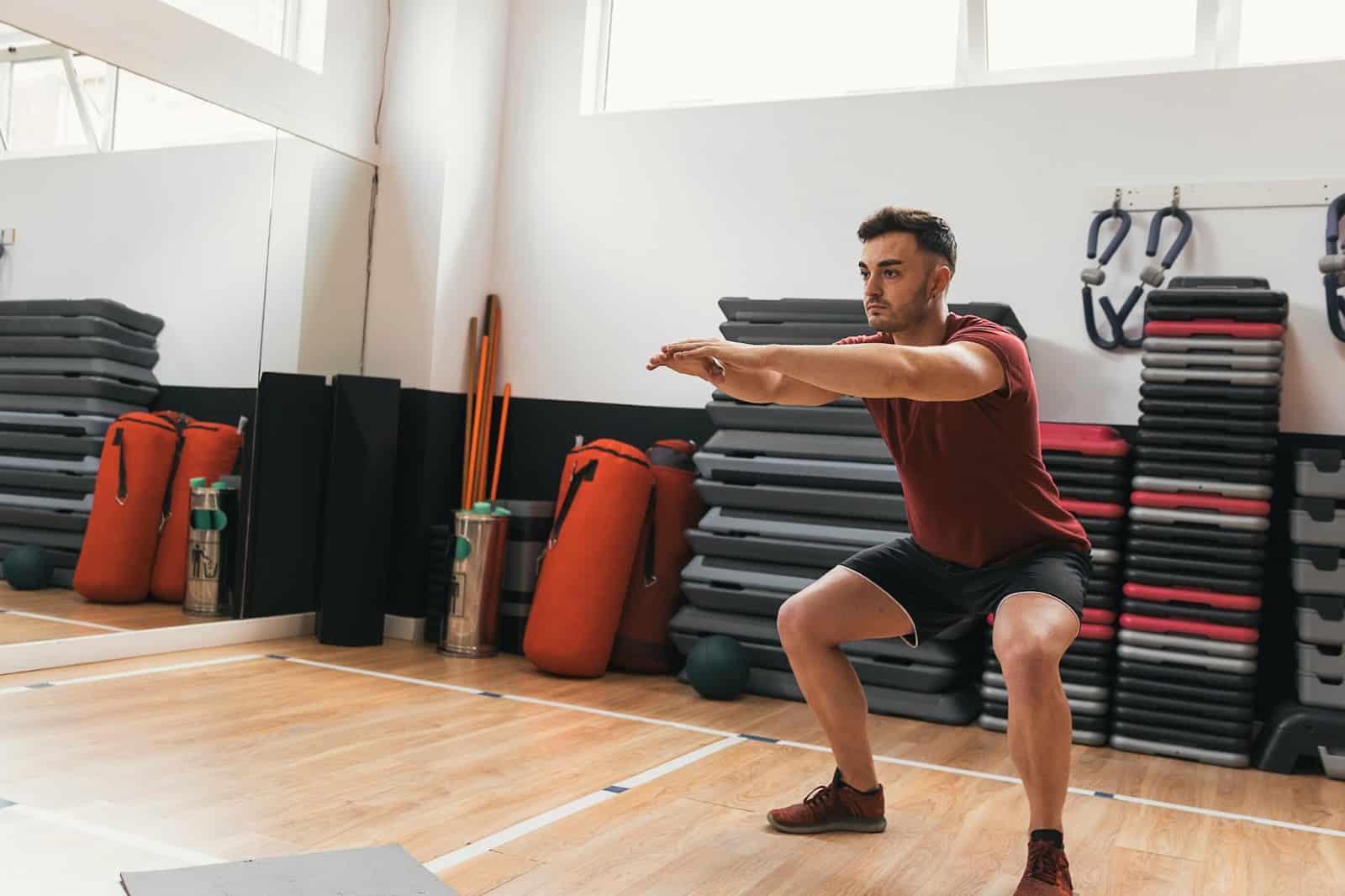
Pushing yourself during a comeback workout or new fitness kick? That sudden intensity can overwhelm underprepared knees. Rapid increases in mileage or weight put cartilage and ligaments under stress before they’re ready. Progress should be steady, not explosive. Think sustainability over ego.
Habit 8: Ignoring Pain or Swelling
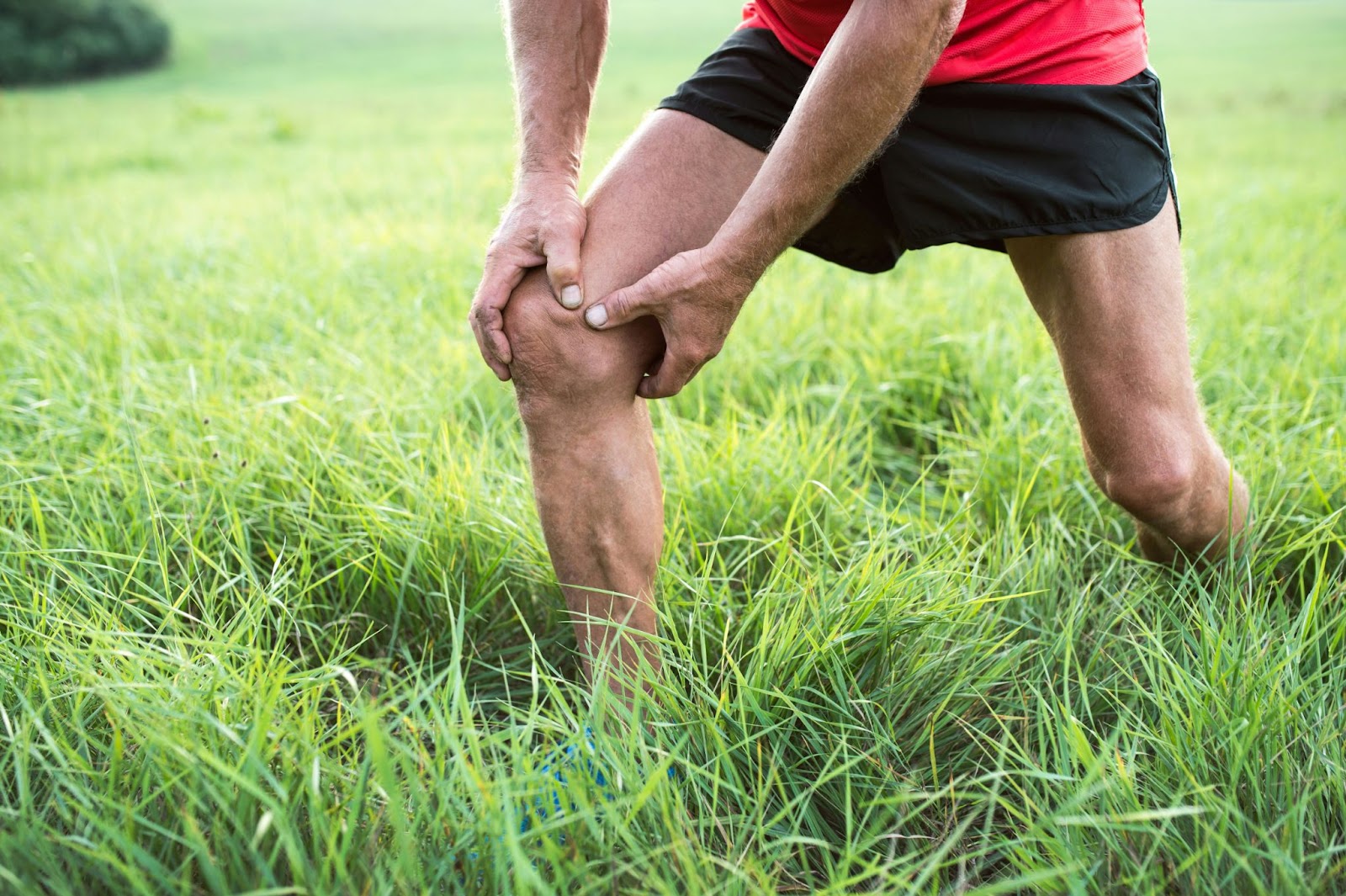
Knee pain isn’t something to “tough out.” Discomfort is your body’s signal that something’s off, ignoring it can lead to bigger damage. Even low-grade swelling means your knee is under stress. Rest, ice, and evaluate rather than pushing through. Early care prevents chronic injury.
Habit 9: Poor Nutrition and Hydration
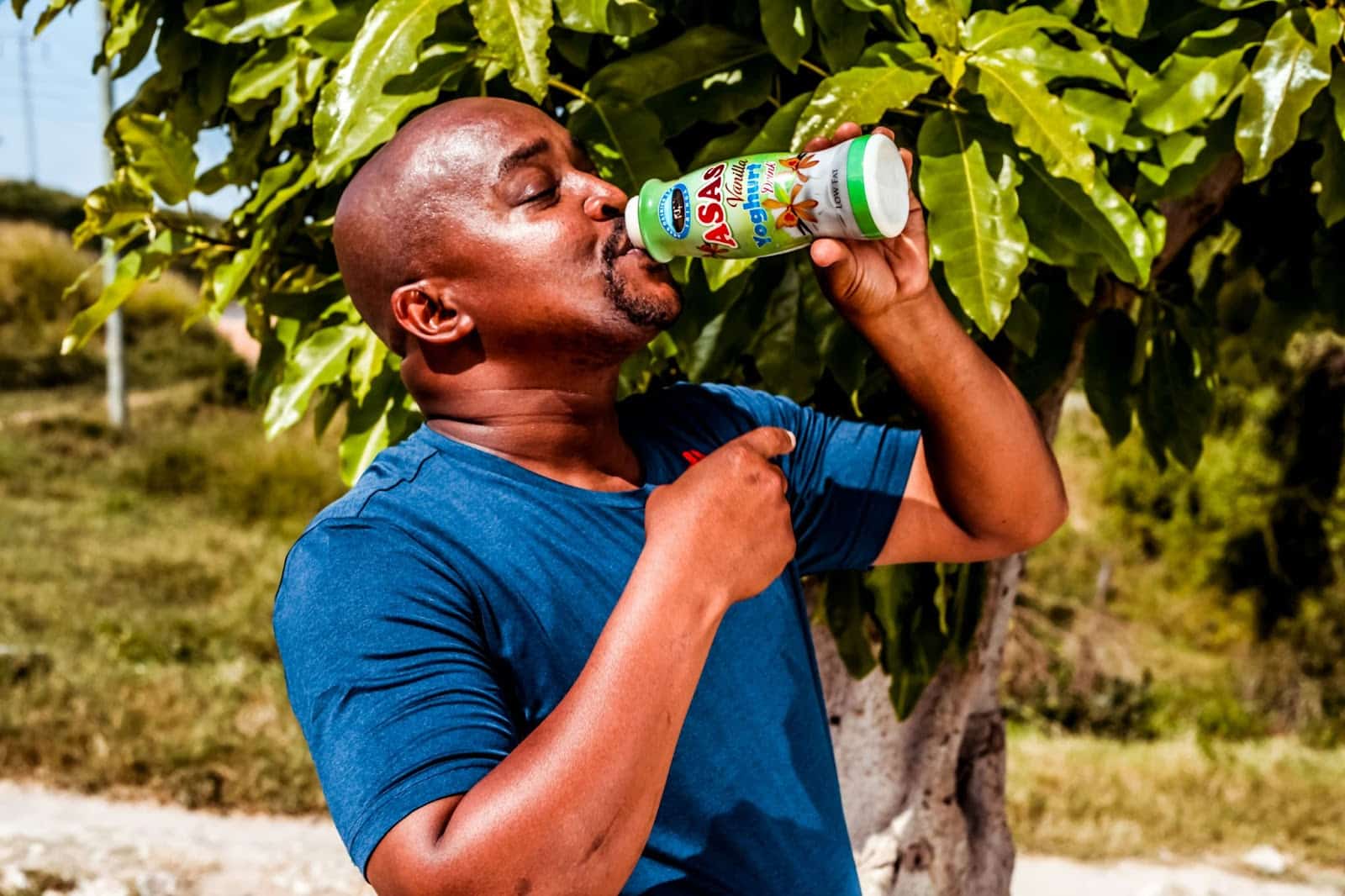
Cartilage and connective tissue depend on hydration and nutrients to stay elastic and strong. Diets low in omega-3s, antioxidants, and collagen-building nutrients slowly weaken joint resilience. Water intake affects joint lubrication more than people realize. Fueling your body right keeps your knees in fighting shape. What you eat today can affect how your knees feel next year.
Habit 10: Carrying Excess Weight
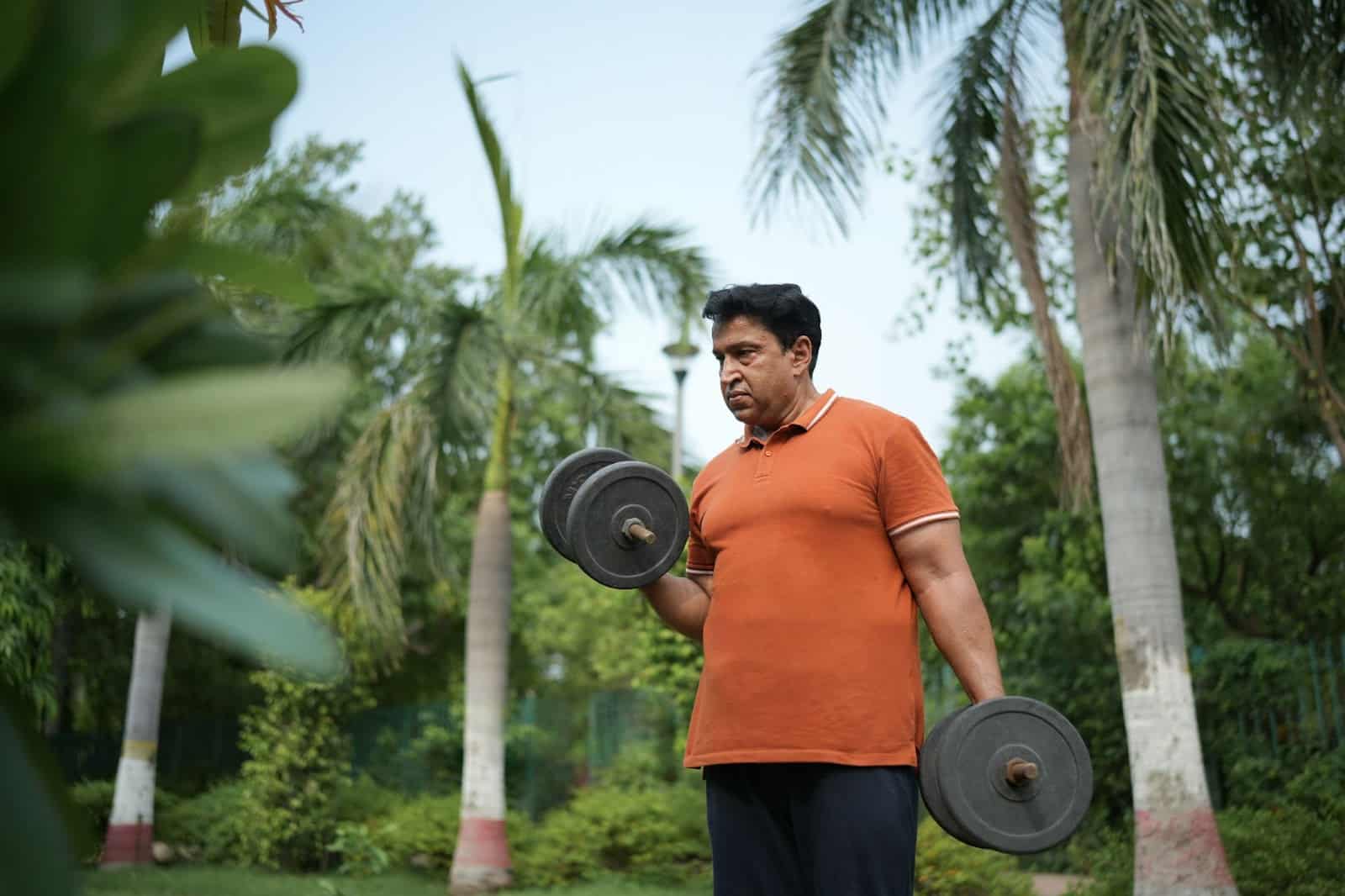
Even an extra 10 – 15 pounds adds significant stress to knee joints. The knees bear around four times your body weight with each step. That means small gains create major long-term wear. Weight management isn’t just about looks, it’s about joint longevity. A lighter frame equals less grind.
Habit 11: Not Addressing Muscle Imbalances
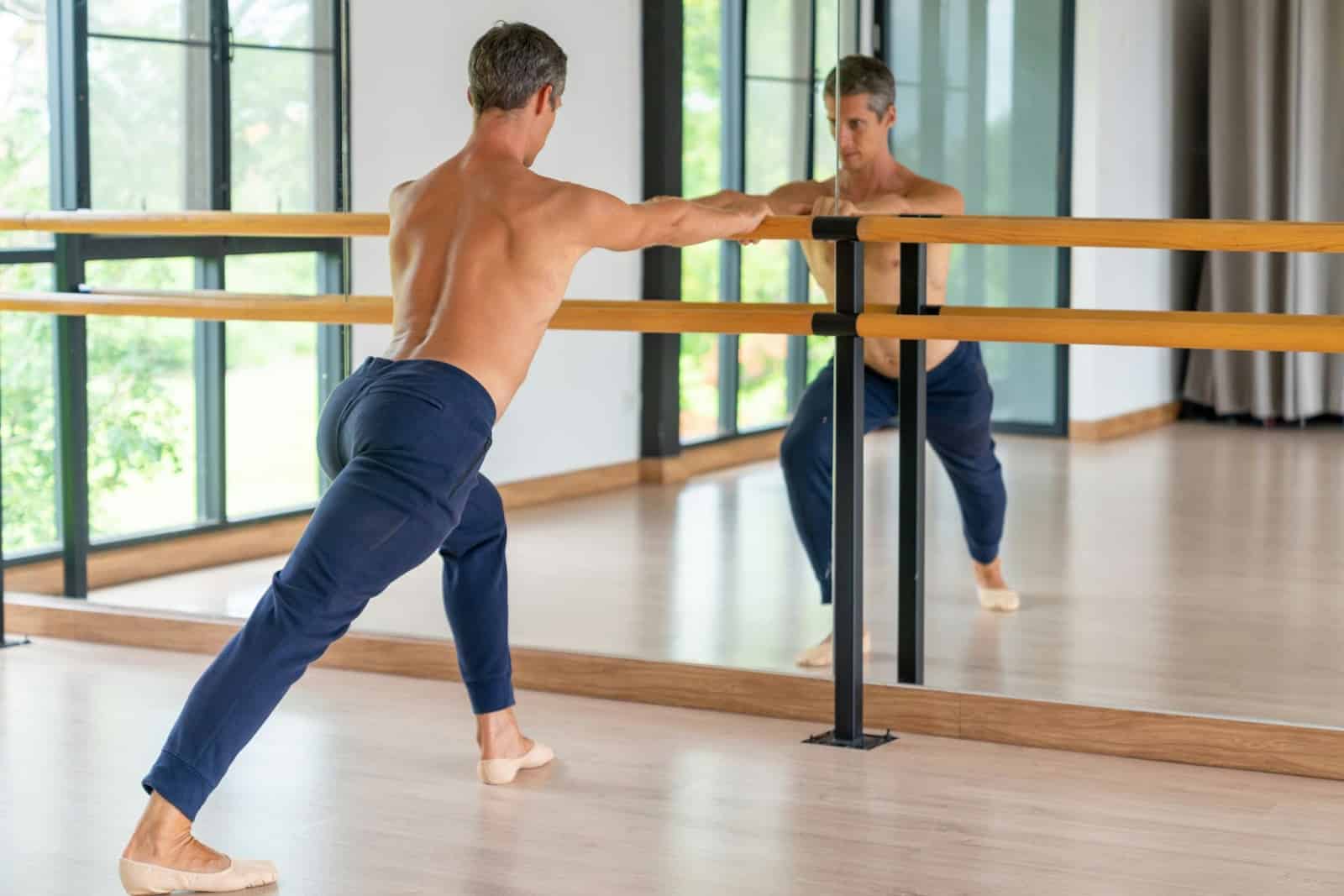
Overdeveloped quads with weak hamstrings or glutes create instability. When one group overcompensates, the knee becomes the stress point in that imbalance. Proper mobility and strength testing can reveal what’s off before pain sets in. The goal is symmetry, not bulk. Balance keeps the knees tracking properly and reduces unnecessary friction.
Small Daily Habits That Help
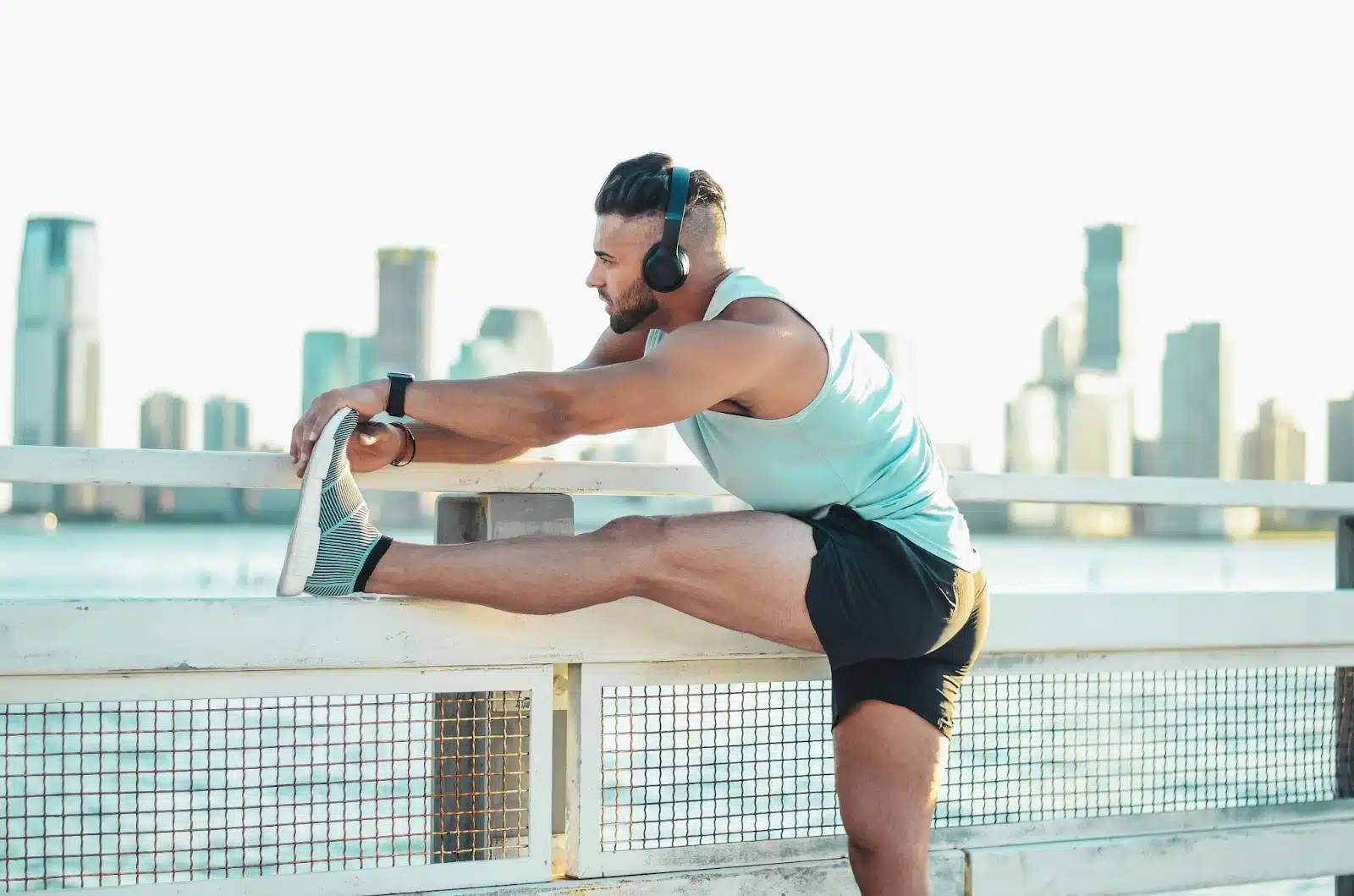
Good knee care isn’t about overhauling your routine, it’s about small corrections. Choosing the stairs but taking them mindfully, stretching before your commute, wearing shoes with support. These little changes, repeated daily, build long-term resilience. It’s not the big injury that gets most people, it’s the slow breakdown.
When to Seek a Specialist
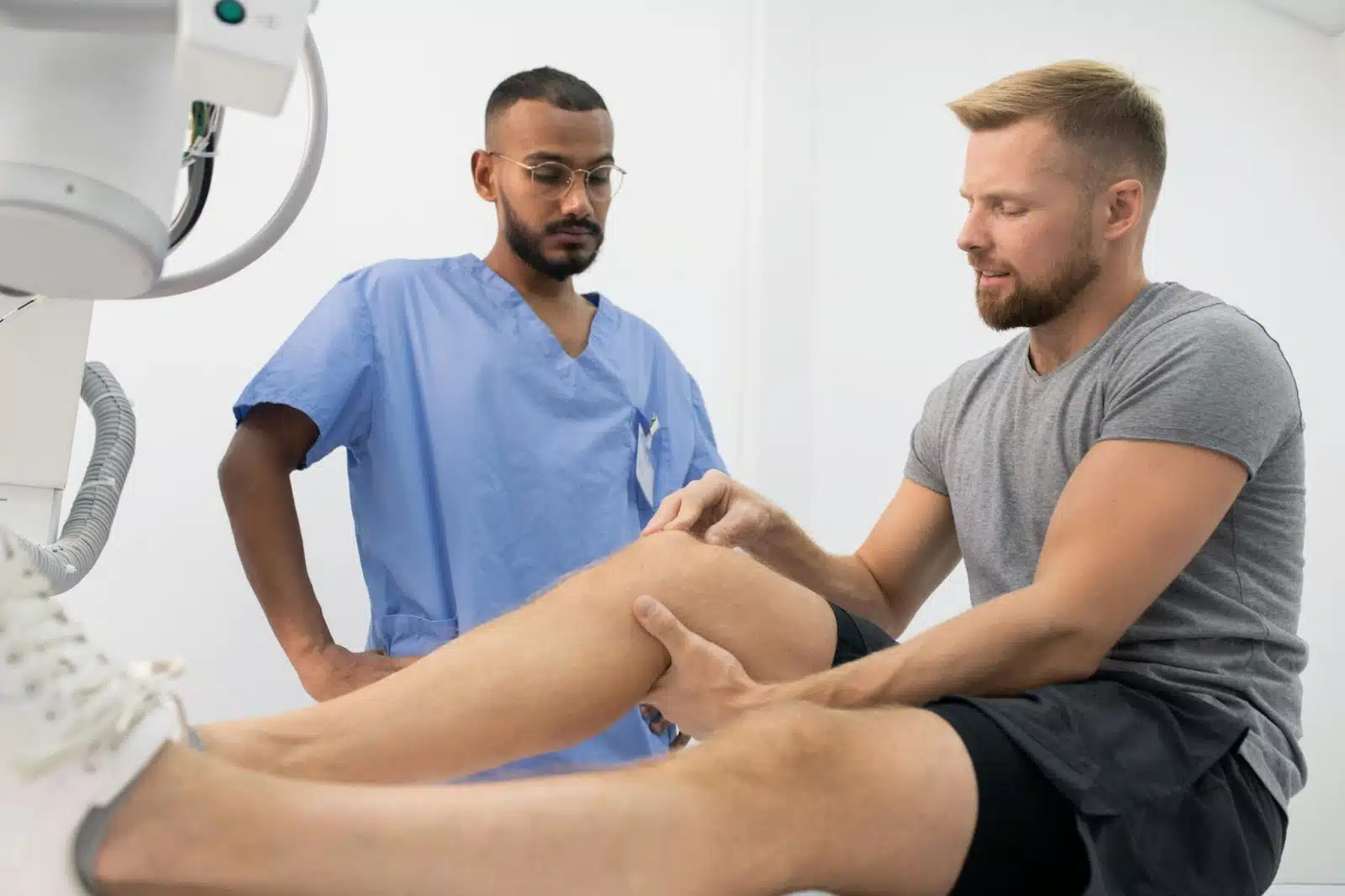
Knee pain that lingers for more than a week, limits movement, or feels sharp and suddenly deserves professional attention. Waiting too long increases the chance of irreversible damage. Physical therapists, orthopaedic doctors, or sports medicine specialists can pinpoint causes and offer solutions. Knowing when to ask for help is part of smart health, not a sign of weakness. Early action is better than late regret.
Closing Thoughts: Keep Your Knees in the Game
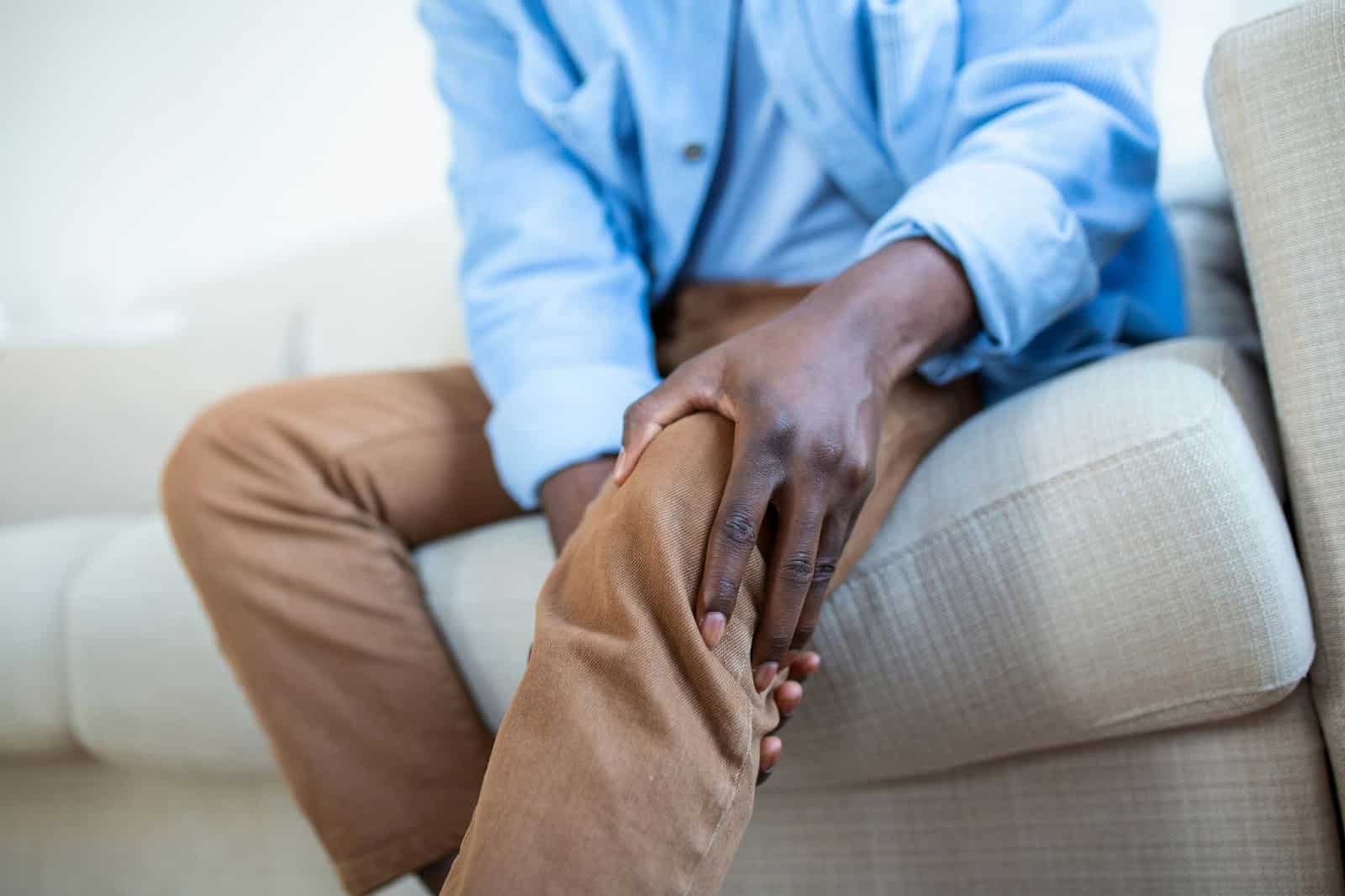
By 40, knee pain shouldn’t be the norm, it should be a red flag. Most of these habits fly under the radar because they don’t hurt right away. But small shifts today can keep your knees pain-free for decades. Protecting them now means staying mobile, independent, and active into your later years. Treat your knees like they matter, because they do.








Ask Me Anything