
Most marriages do not break from one dramatic moment. They wear down through repeat habits that feel “normal” in the moment. Many men admit they did not notice the impact until their partner became colder, quieter, or exhausted. These habits are not always malicious, but they are often careless, selfish, or avoidant. The problem is that marriage amplifies patterns, not intentions. A man can love his wife and still slowly hurt the relationship with daily choices. These are the habits men often confess did real damage—because they trained disconnection over time.
Assuming the Relationship Will “Run Itself”

Some men admit they treated marriage like something that stays stable automatically. They stopped doing the small things that built closeness early on. They assumed love would remain even without effort. Over time, the relationship started feeling like maintenance with no emotional reward. Their partner felt taken for granted, not chosen. This habit is dangerous because it is quiet and gradual. Stability still requires daily investment.
Letting Work Stress Turn Into Home Negativity

Men often confess they brought their worst mood home. They were patient with colleagues, then short with their spouse. Stress became an excuse for a harsh tone, less affection, or emotional distance. The partner felt like a dumping ground for frustration. Over time, home stopped feeling safe for connection. A marriage cannot thrive when one person is always bracing for tension. Stress is real, but it still needs boundaries.
Avoiding Hard Conversations Until Resentment Grew
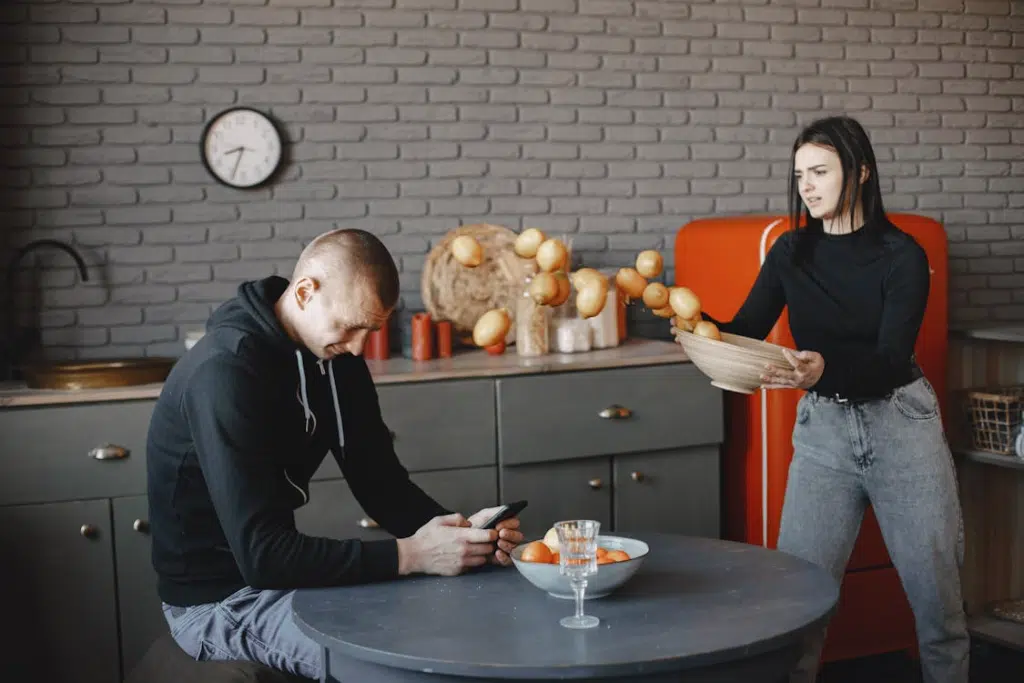
Many men admit they delayed difficult talks to keep the peace. They hoped problems would fade on their own. Instead, the issues piled up and turned into emotional debt. Their partner felt alone carrying the truth. Avoidance also forced the partner to escalate just to be heard. Eventually, small topics became explosive because nothing was resolved early. Avoiding conflict does not create peace, it creates pressure.
Using “I Didn’t Mean It” as a Shield

Some men rely on intention as if it erases impact. They admit they dismissed their partner’s hurt by explaining rather than listening. The partner heard, “Your feelings are invalid because I didn’t plan to hurt you.” Over time, that made vulnerability feel unsafe. A marriage needs accountability, not defence speeches. Impact matters even when intent was innocent. Repair starts when a man owns how it landed.
Forgetting That Attention Is a Form of Love

Men often confess they became physically present but mentally absent. They scrolled, watched, or distracted themselves while their partner tried to connect. That made the partner feel invisible in daily life. Attention is not just about long conversations, it is about small moments of engagement. Over time, the relationship started feeling like roommates. This habit is damaging because it signals low value without saying a word. Love is reinforced by focused presence.
Treating Appreciation Like It Was Optional

Many men admit they stopped expressing gratitude. They assumed their partner knew they were valued. But silence slowly communicates entitlement. A partner who is not appreciated starts feeling like labour, not love. Appreciation is not fluff, it is relationship fuel. Without it, effort becomes resentment. Small acknowledgements prevent big emotional withdrawals.
Keeping Score Instead of Building a Team
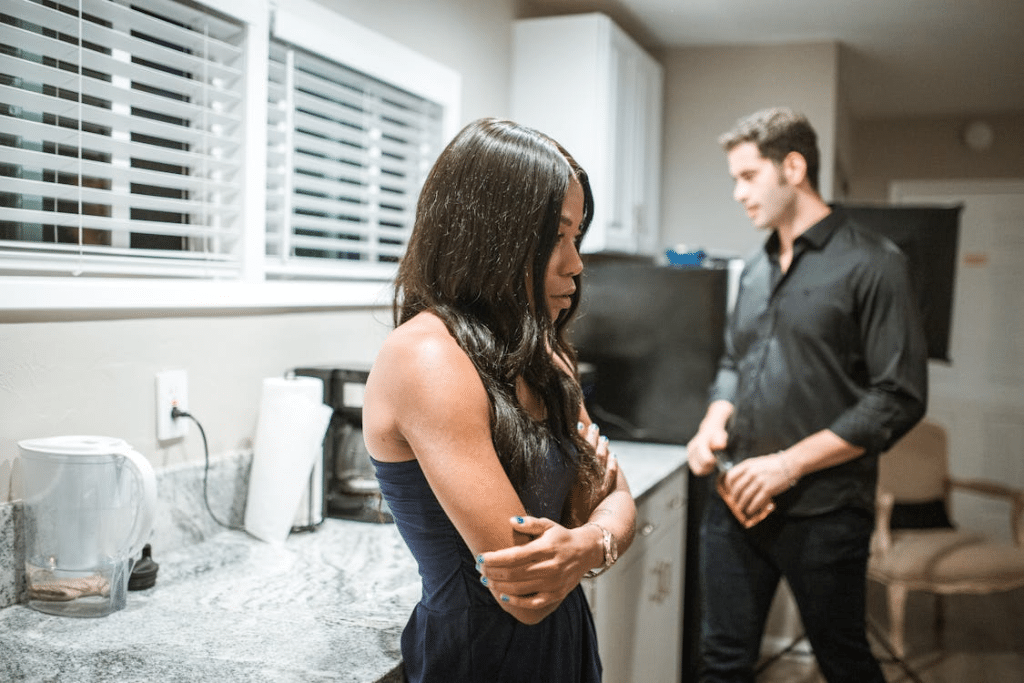
Some men confess they tracked sacrifices like a scoreboard. They focused on what they did, not what the relationship needed. Scorekeeping turns marriage into negotiation, not partnership. It also creates defensiveness and competition. Over time, both people feel like they must prove their contribution. A team mindset solves problems faster than blame. Marriage works best when both people feel on the same side.
Making Decisions Solo, Then Calling It “Leadership”

Men often admit they made unilateral choices and expected support afterward. They framed it as being decisive, but it created disconnection. A partner wants to be considered, not informed last-minute. This habit can show up in money, schedules, family choices, or priorities. Over time, the spouse feels like an accessory to his life. Real leadership includes consultation and respect. Team decisions build trust.
Being Reliable for Everyone Else, Not at Home

Many men confess they were dependable for friends, work, and strangers, but inconsistent with their spouse. They cancelled plans, forgot commitments, or delayed follow-through at home. The partner felt like the lowest priority. Reliability is a form of respect. Over time, inconsistency trained disappointment. A marriage cannot feel safe when promises are optional. Home should get the best version, not the leftovers.
Turning Small Criticism Into a Daily Tone

Some men admit they nitpicked without realising it. They corrected, teased, or criticised little things constantly. The spouse started feeling like nothing was ever good enough. That tone makes affection hard because the partner feels watched, not cherished. Criticism also builds defensiveness, which kills warmth. Over time, the marriage becomes tense even during neutral moments. Encouragement builds love faster than correction.
Avoiding Household Responsibility Until Asked

Men confess they waited for instructions instead of noticing what needed to be done. This created a manager-employee dynamic at home. The spouse carried the mental load and became exhausted. Even if the man “helped,” it still felt like she had to lead everything. Over time, attraction dropped because the dynamic felt parental. Responsibility is not about perfection, it is about initiative. Initiative communicates adulthood and partnership.
Letting Physical Intimacy Become Infrequent and Awkward
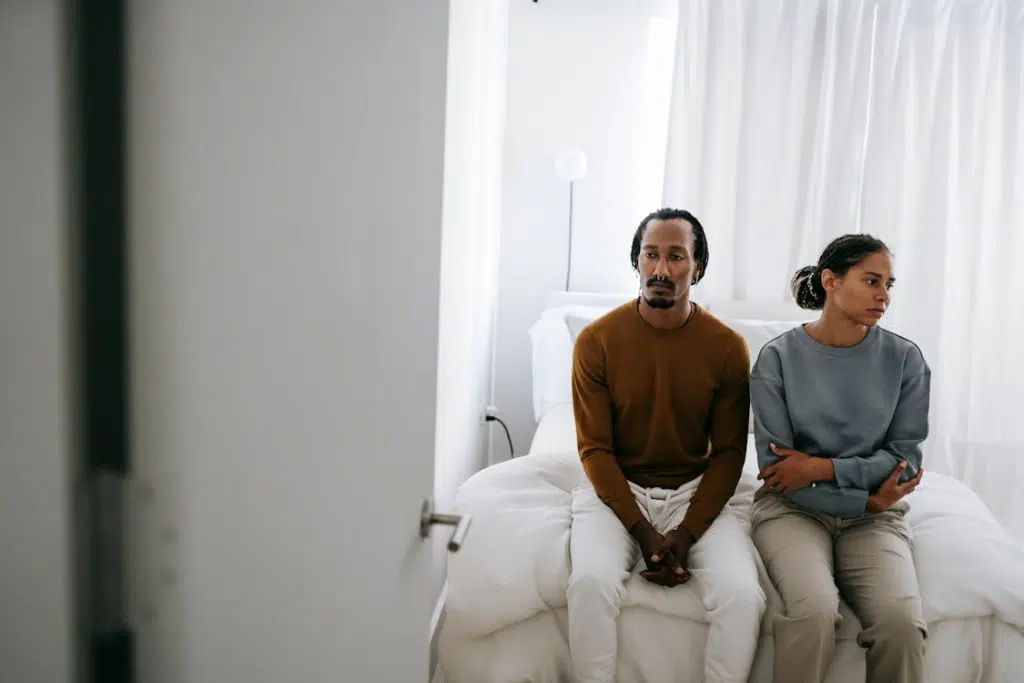
Many men admit they avoided the topic when physical intimacy declined. They hoped it would fix itself without effort or conversation. Some withdrew emotionally, others became resentful, and both approaches worsened the distance. Physical intimacy often depends on emotional safety and daily connection. When those weaken, intimacy becomes tense instead of natural. Avoiding the issue turns it into a bigger one. Healthy intimacy requires honest, respectful communication.
Taking Her Emotional Signals as “Drama”

Men confess they dismissed mood shifts instead of getting curious. They labelled concerns as overreactions rather than information. This made their partner feel unheard and alone. Over time, she stopped sharing because she expected dismissal. Emotional signals are often early warnings, not attacks. Curiosity prevents escalation. A man who listens early avoids bigger damage later.
Allowing Friends or Family to Cross Boundaries

Some men admit they failed to protect the marriage from outside interference. They avoided confronting disrespectful family members or friends. Their spouse felt exposed and unsupported. Boundaries are not about cutting people off, they are about protecting dignity. Over time, weak boundaries create chronic resentment. A spouse wants loyalty in action, not private agreement. Protecting the relationship is a key husband responsibility.
Using Withdrawal as Punishment

Men confess they shut down to regain control or avoid discomfort. Silence became a weapon, not a coping tool. The spouse felt punished for bringing up issues. This creates emotional insecurity and fear of honesty. Over time, communication dies because it feels unsafe. A marriage cannot thrive when silence is used as power. Repair requires engagement, not disappearance.
Waiting Until She’s Done to Take It Seriously
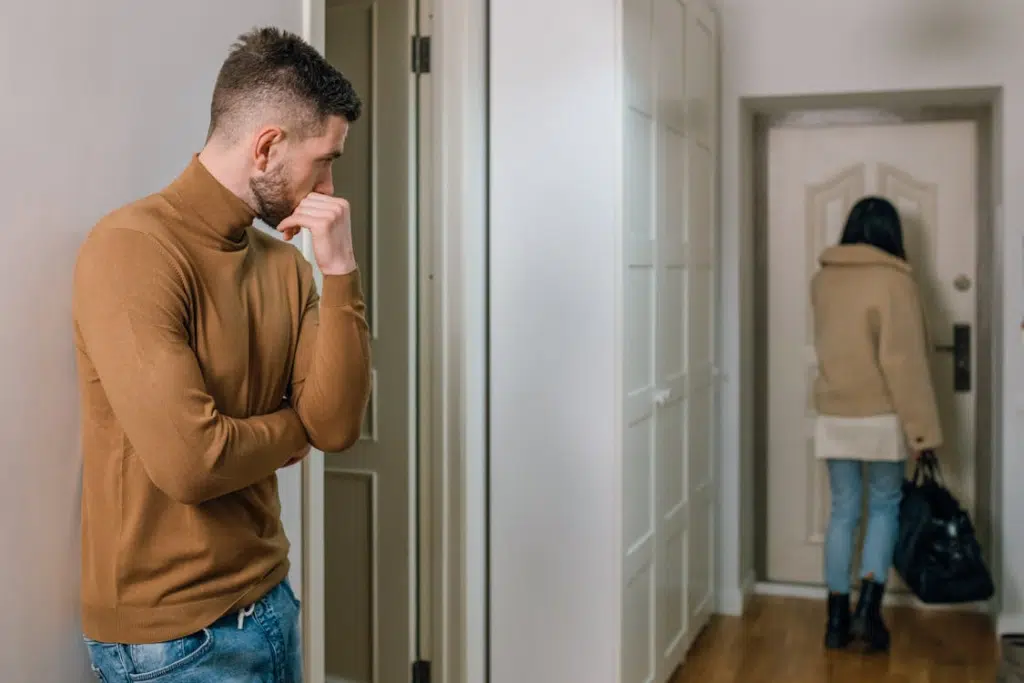
One of the most common confessions is that effort came too late. Men ignored small warnings because nothing “big” happened yet. They assumed she would stay because she always had. By the time the man changed, she was already emotionally detached. This habit is tragic because the signs were there. Attention and action earlier would have mattered. Marriage declines slowly, then ends suddenly.
Why These Habits Feel “Small” While They’re Happening

These habits often feel harmless because they are normalised by routine. A man may think he is just tired, busy, or stressed. But patterns teach a partner what to expect. When the expectation becomes neglect, criticism, or low effort, love becomes guarded. The spouse adapts by lowering hope and reducing vulnerability. That adaptation looks like “coldness,” but it is often self-protection. Small habits are powerful because they are repeated. Repetition is what trains the relationship climate.
The Fastest Habits to Replace if a Marriage Feels Fragile

Men often see results when they replace avoidance with early repair. Consistent appreciation, proactive help, and daily warmth rebuild trust faster than grand gestures. Taking responsibility without being asked reduces resentment quickly. Respectful conversations about physical intimacy reduce tension and guesswork. Consistency matters more than intensity. A spouse wants to feel chosen regularly, not rescued occasionally. Small daily upgrades change the whole emotional tone. The goal is stability, not perfection.
Marriage Improves When Habits Change, Not When Promises Get Louder

Most of these habits are not about lack of love, but lack of awareness and follow-through. Men confess they hurt their marriage by choosing comfort, avoidance, and autopilot. The good news is that habits are learnable and replaceable. A stronger marriage is built through consistent attention, accountability, and initiative. The earlier these changes happen, the less resentment hardens. Marriage is not protected by intentions alone. It is protected by repeated choices that make a partner feel safe, valued, and chosen.








Ask Me Anything