
Marriage doesn’t need perfection. But it does need effort. If you’re still carrying solo habits into a shared life, you’ll feel the friction. These aren’t just minor quirks—they’re behaviors that leave your partner feeling like a roommate or an afterthought. You might not even notice you’re doing them. But if you want your relationship to grow instead of stall, it’s time to be honest with yourself and start showing up like a man who’s in it for real.
Ghosting During Arguments to “Cool Off”

Going silent during conflict doesn’t make you calm. It makes you unreliable. When you disappear mid-argument without a word, it signals that her feelings are too much to handle—or worse, not worth responding to. You might call it “space,” but to her, it feels like abandonment. Marriage isn’t about vanishing until you feel ready to talk. It’s about staying present when it’s uncomfortable and learning to face the hard stuff together.
Sharing Major Plans After You’ve Decided

If you’re dropping big news after it’s already locked in—job change, weekend trip, big purchase—you’re not being decisive. You’re being dismissive. In marriage, your life isn’t just yours anymore. Your partner doesn’t want control, but she does want respect. Loop her in early. It’s not about asking permission. It’s about building trust through transparency.
Defaulting All Housework to Your Partner

Marriage isn’t a hotel, and your wife isn’t housekeeping. If you’re waiting for her to ask—or worse, nag—before stepping in, you’re already behind. The mess is yours too. The laundry, the dishes, the planning, the random Target runs—all of it. If you live there, it’s your job. Period.
Keeping “Just-in-Case” Flirty Contacts Active

If there are women in your DMs you’d panic over if your wife saw, that’s a problem. Keeping backup options is a coward’s move. You can’t build real intimacy with one foot still pointed at the exit. Grow up, cut the ties, and show her she’s the only woman you’re emotionally investing in. You don’t “accidentally” keep temptation around—you choose it.
Expecting Praise for Basic Responsibilities

Doing the dishes, picking up the kids, remembering to buy toilet paper—these are not heroic acts. They’re normal adult responsibilities. If you expect a standing ovation for being a functioning partner, it shows how little you’ve understood what shared life really means. Show up consistently. That’s the reward.
Blaming Bad Moods on “Just How I Am”

Moodiness is not a personality trait. If you regularly make your partner walk on eggshells when you’ve had a rough day, you’re not being honest—you’re being selfish. Everyone gets tired. Everyone gets stressed. But it’s not your wife’s job to absorb the fallout. Own it, adjust, and communicate like an adult.
Leaving Emotional Labor Entirely to Her

Who remembers birthdays? Who plans holidays? Who notices when your kid needs new shoes or the dog’s low on food? If the answer is always her, you’re not a teammate—you’re a dependent. Marriage runs on shared load. Don’t wait to be told. Start noticing, start remembering, and start caring like the family actually depends on you.
Still Acting Like Boys’ Night Trumps Everything

You need guy time. But if you’re always bailing on dinner plans, bedtime routines, or family time because “the boys” are waiting, it sends one loud message: your priorities haven’t grown up. Your friends matter, but your wife needs to know she ranks higher. If you act single, don’t be surprised when she feels alone.
Thinking Me First, Not We First

Marriage doesn’t work when one person is always getting their way. If every decision you make revolves around your comfort, convenience, or preferences, you’re not leading—you’re controlling. Compromise isn’t a weakness. It’s a decision to build something better together. Start asking, “What’s good for us?” not just “What’s good for me?”
Expecting to Be Cared for Like a Mom Would

If you’re outsourcing your emotional regulation, organization, and motivation to your wife, stop. She married a partner, not a project. Being tired or overwhelmed doesn’t excuse acting helpless. Learn to manage your own mess. It’s one of the most underrated ways to show love: take responsibility for yourself.
Treating Conflict Like a Competition

Trying to “win” every argument means your marriage is always losing. It’s not about proving who’s right—it’s about understanding what went wrong. If your ego gets in the way every time things get tense, you’re turning love into a power struggle. Humility doesn’t make you weak. It makes you trustworthy.
Treating Your Paycheck Like It’s Yours Alone
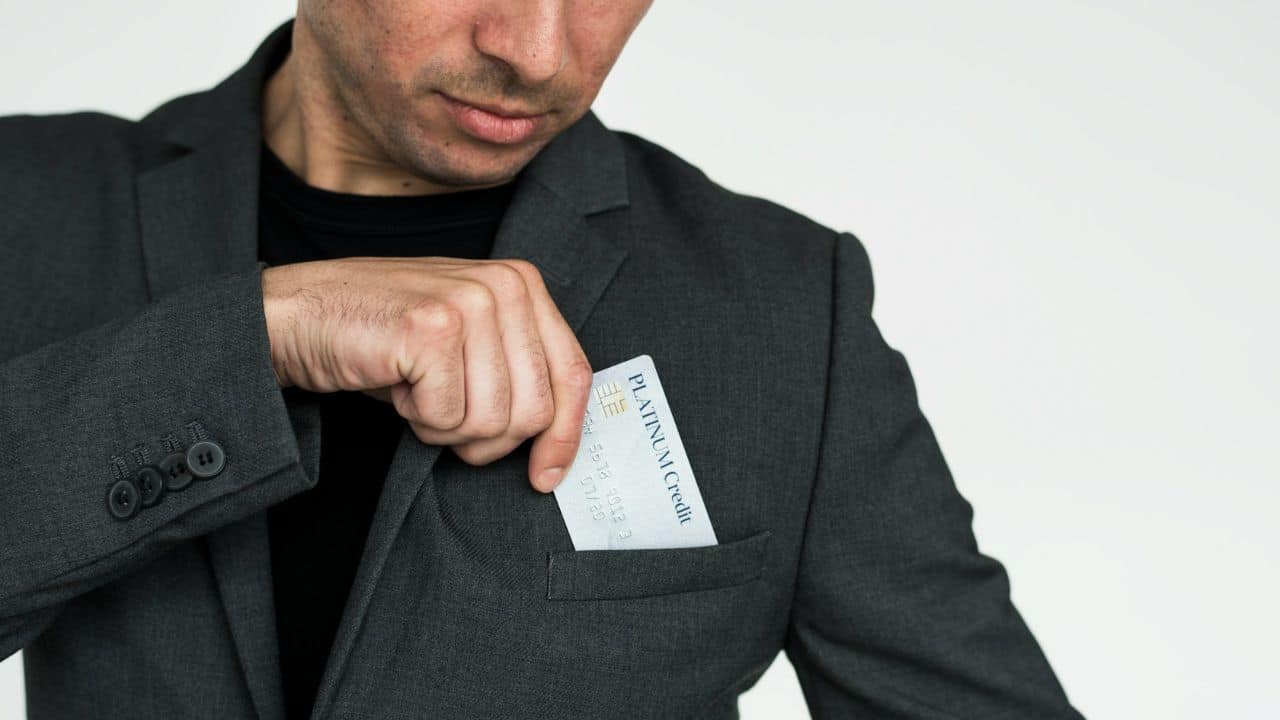
Money is more than numbers. It’s trust. If you’re operating like your income is off-limits or needs no discussion, you’re undermining partnership. Even if you earn more, that doesn’t give you a pass to make financial decisions solo. Talk about it. Plan together. Respect doesn’t end at your wallet.
Dodging Serious Talks With Jokes or Sarcasm

Sarcasm might buy you time, but it costs you connection. If your go-to move in any real conversation is to crack a joke or make a smug comment, you’re avoiding real intimacy. You don’t need to turn into a motivational speaker, but you do need to be present. Honest conversations build security. Immature avoidance builds resentment.
Living Like a Guest in Your Own Home

Do you know where the extra light bulbs are? Do you handle anything that doesn’t involve your personal routine? If you treat your house like a crash pad and expect her to run the show, it’s time to wake up. Marriage means ownership—not just of your relationship, but of the life you’re building together. Get involved.
Keeping Secrets to “Avoid Drama”

If you’re hiding things, you’re not protecting peace—you’re controlling the narrative. Whether it’s something small or serious, secrets don’t disappear. They just build pressure. A strong relationship can handle the truth. What it can’t handle is dishonesty packaged as “protection.” Be honest. Always.








Ask Me Anything