
Attachment theory sounds like something out of a psychology textbook, but it quietly shapes almost every relationship you’ve ever had. It influences how you bond, how you fight, how you pull away, and how safe or unsafe love feels to you. Most people aren’t aware of their attachment style—they just think they’re “bad at relationships” or that they keep choosing the wrong partners. In reality, attachment patterns are learned early and replayed automatically until you consciously interrupt them.
Understanding attachment theory isn’t about labeling yourself or blaming your childhood. It’s about recognizing patterns so you can stop repeating the same emotional loops. Once you know your attachment style, you can communicate better, choose healthier partners, and respond instead of reacting. This isn’t therapy-speak—it’s practical insight you can use right away.
1. Attachment Theory Explains How We Bond Emotionally

Attachment theory explains how humans form emotional bonds and what we expect from closeness. It began as research on infants and caregivers, but its most powerful insights show up in adult relationships. At its core, attachment theory answers one question: “What do I do when I need connection?”
Some people reach out, some shut down, and others panic when closeness feels uncertain. These reactions aren’t random—they’re learned strategies for emotional survival. Once you understand that bonding patterns are predictable, your own reactions start to make sense instead of feeling confusing or shameful.
2. Your Attachment Style Forms Earlier Than You Think

Attachment styles usually develop in early childhood based on how caregivers responded to emotional needs. Were you comforted consistently, ignored, or met with unpredictability? Your nervous system learned what to expect from closeness long before you could articulate feelings.
That early wiring doesn’t disappear with age—it gets carried into adult relationships. The key point is this: your attachment style isn’t a flaw, it’s an adaptation. Recognizing this helps reduce self-blame and makes change feel possible rather than overwhelming.
3. Secure Attachment Is the Emotional Gold Standard

Securely attached people tend to feel comfortable with closeness and independence. They can express needs without fear and don’t panic when conflict arises. This doesn’t mean they never struggle—it means they trust repair.
In relationships, secure attachment shows up as emotional consistency. These individuals don’t play games, disappear during conflict, or demand constant reassurance. The good news is that secure attachment isn’t something you’re either born with or not—it can be learned through healthy relationships and intentional effort.
4. Anxious Attachment Thrives on Uncertainty

People with anxious attachment crave closeness but fear abandonment. They often overthink texts, read deeply into tone shifts, and feel uneasy when reassurance is delayed. Love can feel intense, urgent, and emotionally consuming.
The anxious pattern isn’t about being “too much.” It’s about a nervous system that learned love could disappear at any moment. Practical help starts with slowing reactions, asking for reassurance directly, and learning to self-soothe before seeking external validation.
5. Avoidant Attachment Values Distance Over Dependence

Avoidantly attached individuals often prioritize independence and emotional self-sufficiency. They may feel smothered by closeness and shut down when vulnerability is required. To them, distance feels safe.
This doesn’t mean avoidant people don’t want love—they just learned early that relying on others wasn’t safe or reliable. Growth begins with noticing withdrawal patterns and practicing small moments of emotional openness instead of all-or-nothing intimacy.
6. Fearful-Avoidant Attachment Is a Push-Pull Pattern

Fearful-avoidant attachment combines both anxiety and avoidance. These individuals crave connection but also fear it deeply. Relationships often feel intense, confusing, and emotionally exhausting.
One moment they want closeness; the next, they push away. This inconsistency isn’t manipulation—it’s internal conflict. Progress comes from stabilizing emotions first, often through therapy or intentional emotional regulation, before focusing on relationship dynamics.
7. Attachment Styles Show Up Strongest During Conflict

Attachment patterns are most visible when things go wrong. Secure people lean into communication, anxious individuals escalate, and avoidant partners withdraw. Conflict activates the attachment system faster than calm moments ever could.
If you want to understand your style, pay attention to how you react during disagreements. Do you chase, shut down, or seek repair? Awareness during conflict is one of the fastest ways to interrupt unhealthy patterns.
8. Attachment Affects How You Communicate Needs

People with secure attachment express needs clearly and calmly. Anxious individuals may hint, overexplain, or demand reassurance. Avoidant partners often minimize needs or avoid the conversation altogether.
Improving communication starts with naming what you feel without blaming. Simple statements like “I feel disconnected and need reassurance” are more effective than emotional protests or silence. Clear needs build emotional safety.
9. Your Partner’s Attachment Style Matters Too

Relationships are shaped by the interaction of two attachment styles, not just one. An anxious-avoidant pairing, for example, often creates a painful chase-and-withdraw cycle. Each person triggers the other’s core fear.
Understanding both styles helps shift the dynamic from personal attacks to pattern recognition. Instead of asking “What’s wrong with us?” you start asking “What’s getting activated here?” That shift alone can lower conflict intensity.
10. Attachment Influences How Safe Love Feels

Some people feel calm in love; others feel constantly on edge. That difference often comes down to attachment. Your nervous system decides whether closeness feels safe or threatening.
If love feels stressful, it doesn’t mean you’re with the wrong person automatically. It may mean old attachment alarms are going off. Learning to separate past fears from present reality is a powerful relationship skill.
11. You Can Develop a More Secure Attachment Style

Attachment styles are not permanent life sentences. With awareness, healthy relationships, and intentional practice, people can move toward security. This is known as “earned secure attachment.”
Consistency, emotional honesty, and safe repair after conflict all contribute to this shift. Choosing partners who communicate openly and respect boundaries also accelerates the process.
12. Therapy Can Help Rewire Attachment Patterns

Therapy offers a structured space to explore attachment wounds without judgment. A skilled therapist helps you identify triggers, regulate emotions, and practice new relational behaviors.
You don’t need to be in crisis to benefit. Even short-term therapy focused on attachment can dramatically improve how you relate to others—and yourself.
13. Attachment Impacts Friendships and Work Relationships
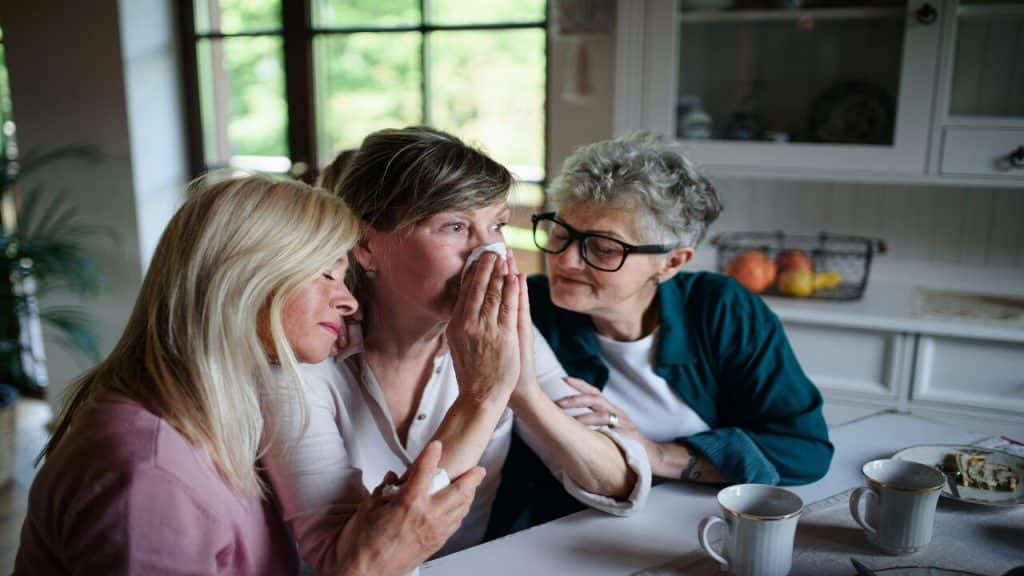
Attachment theory doesn’t stop at romantic relationships. It affects friendships, family dynamics, and even workplace interactions. How you handle feedback, boundaries, and trust often follows the same patterns.
Recognizing this broad impact helps you practice healthier attachment behaviors across all areas of life, not just dating.
14. Social Media Can Intensify Attachment Triggers

Modern dating and social media amplify attachment stress. Delayed replies, online comparisons, and constant access to others can heighten anxiety or avoidance.
Setting digital boundaries—like limiting phone checking or having clear communication expectations—can reduce unnecessary emotional activation and protect relationship stability.
15. Secure Attachment Is Built Through Repair, Not Perfection

No relationship is conflict-free. Secure attachment grows when partners repair after disconnection. Apologies, accountability, and emotional reassurance matter more than never fighting.
If you focus on how conflicts end instead of how they start, you’ll build deeper trust over time.
16. Awareness Is the First Step to Change

You can’t change what you don’t recognize. Learning your attachment style gives you language for patterns that once felt confusing or overwhelming.
Start by observing rather than judging your reactions. Small moments of awareness create space for new choices—and those choices add up.
17. Attachment Theory Helps You Love With Intention

Attachment theory isn’t about overanalyzing relationships. It’s about loving with clarity and intention. When you understand your emotional wiring, you stop reacting blindly and start responding thoughtfully.
Healthy relationships aren’t built on luck—they’re built on awareness, effort, and emotional responsibility. Attachment theory simply gives you the map.








Ask Me Anything