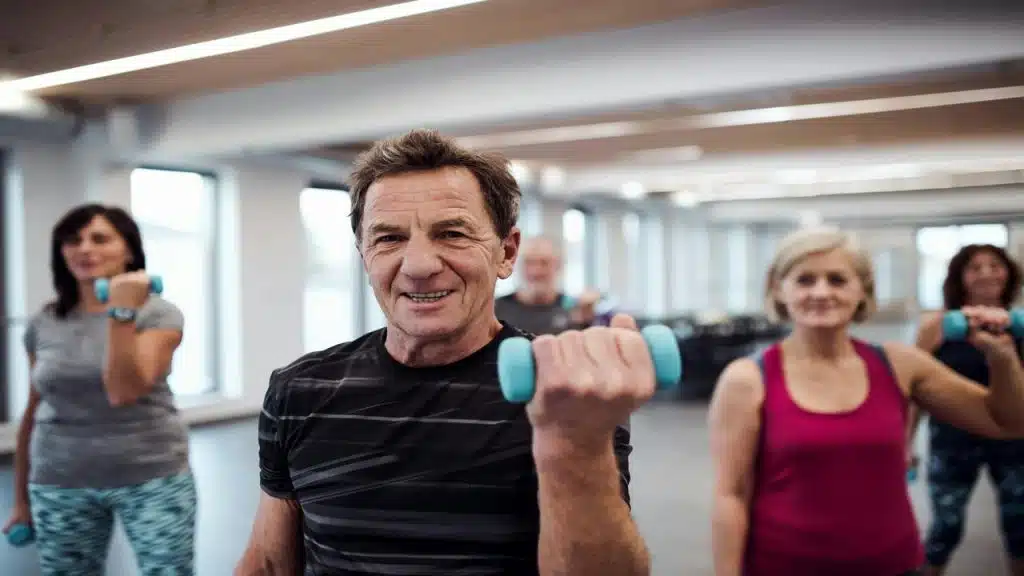
Staying physically active becomes more important with age. Regular movement helps maintain strength, balance, flexibility, and independence, all of which directly affect daily quality of life.
The good news? You don’t need a gym membership or complicated equipment to stay active. These movements are designed with older adults in mind. They’re low-impact, practical, and support real-world strength like getting out of a chair, walking more steadily, or managing stairs with confidence.
Chair Squats
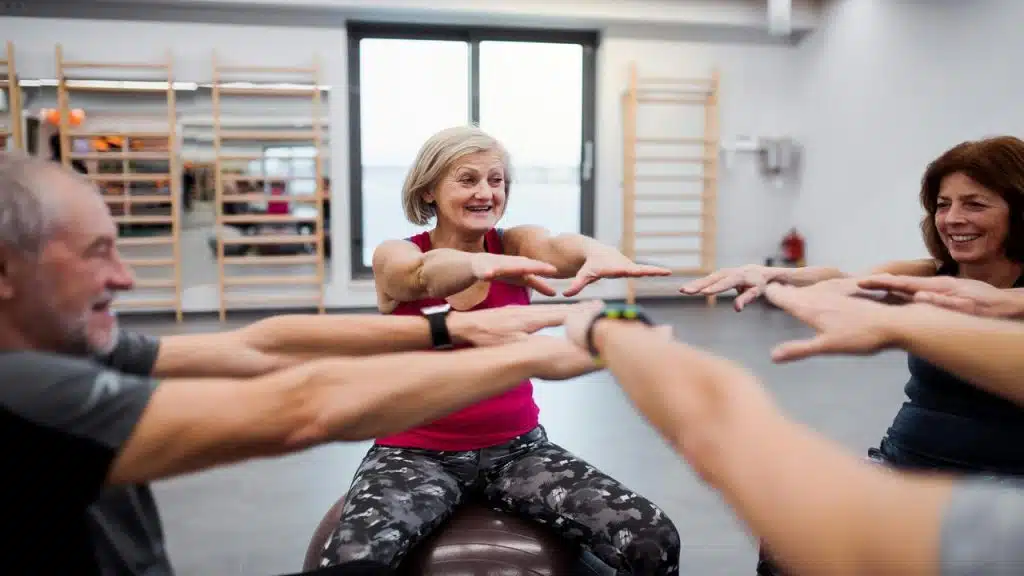
Chair squats are a simple but effective way to maintain strength in the thighs, hips, and glutes. These muscles are essential for everyday activities like standing up, sitting down, and climbing stairs.
To do them, stand in front of a sturdy chair with your feet shoulder-width apart. Lower yourself down slowly as if sitting, then rise back up before you’re fully seated. Keep your arms extended in front of you if it helps with balance.
This is a controlled movement that builds both strength and confidence. Start with a few repetitions and increase as you feel more stable.
Quick Tip: Focus on Progress, Not Perfection

Your form doesn’t have to be perfect. What matters most is that you’re moving regularly and with intention. Some days will feel easier than others, but every bit of consistent effort adds up.
Wall Push-Ups
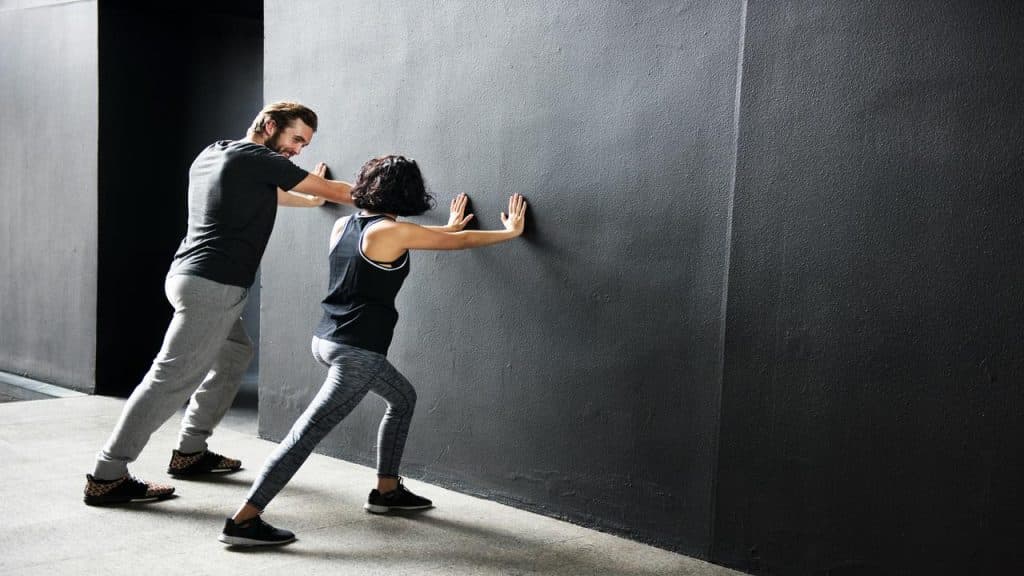
Wall push-ups are a safe and effective way to work your upper body, including your arms, shoulders, and chest. They also engage your core, which helps with posture and overall stability.
Stand an arm’s length from the wall, place your hands flat at shoulder height, and lower your body toward the wall. Pause briefly, then push back. Keep your back straight and your movements steady.
This is a useful exercise for improving strength used in lifting, pushing, or even opening jars. Begin with 5 to 10 repetitions and adjust from there.
What If You Have Joint Pain?
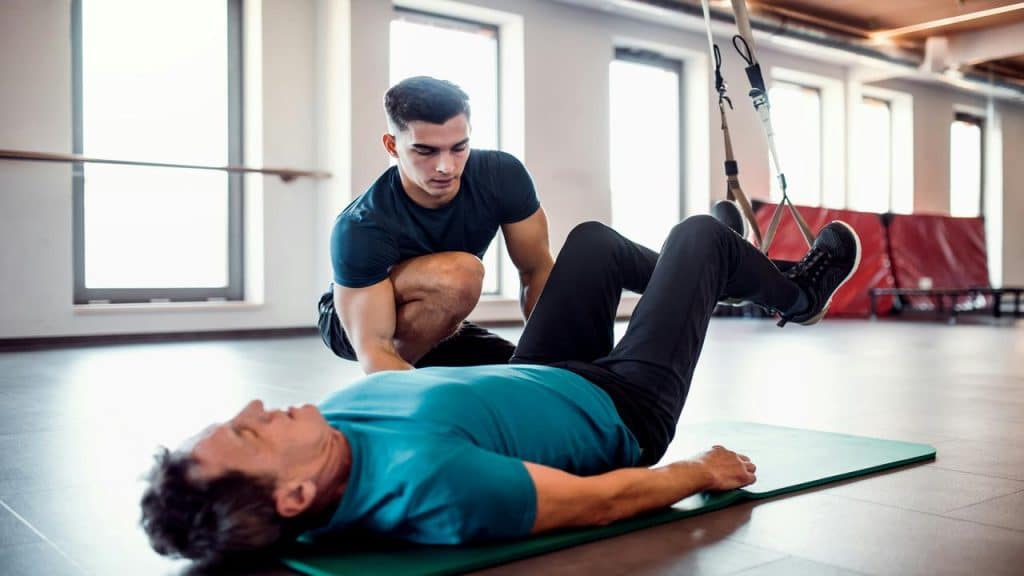
It’s common to experience stiffness or discomfort in joints, especially in the knees, shoulders, and wrists. Modify movements as needed to stay within a pain-free range. Using towels, soft supports, or switching to seated versions of exercises can help reduce pressure while still promoting mobility.
Seated Leg Lifts
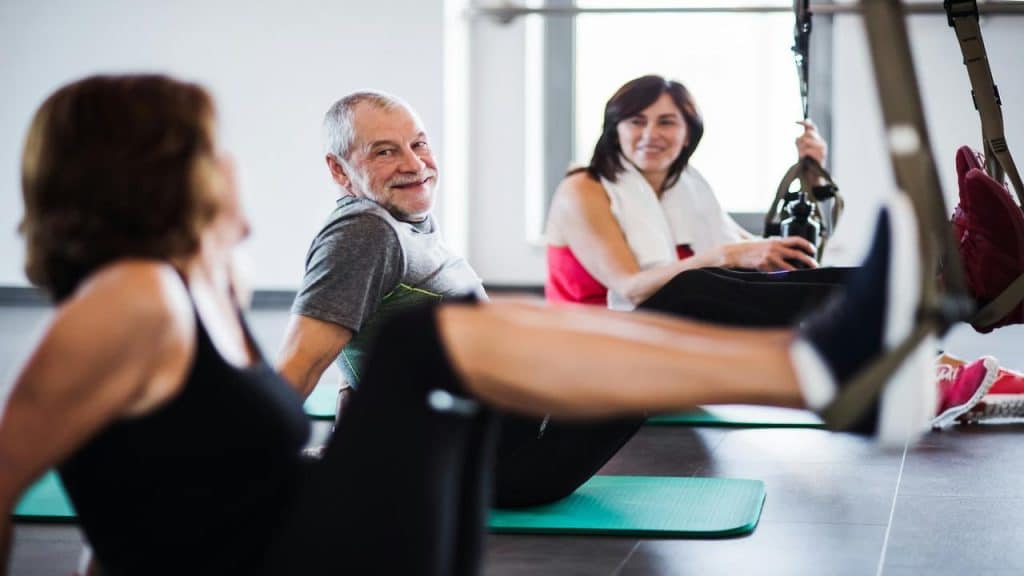
Seated leg lifts help strengthen the front of your thighs and engage the core, both important for walking and maintaining balance.
Sit upright in a chair, feet flat on the floor. Slowly lift one leg until it’s straightened in front of you, hold for a moment, then lower it down. Switch legs and repeat. Keep your back straight and avoid leaning forward.
It’s a controlled, low-impact movement you can do while watching TV, reading, or listening to the radio.
Hydration Supports Mobility

Drinking enough water supports joint health, muscle function, and energy levels. Even light activity is more effective when the body is well-hydrated. Try to drink water before and after any exercise session, no matter how short.
Heel-to-Toe Walk
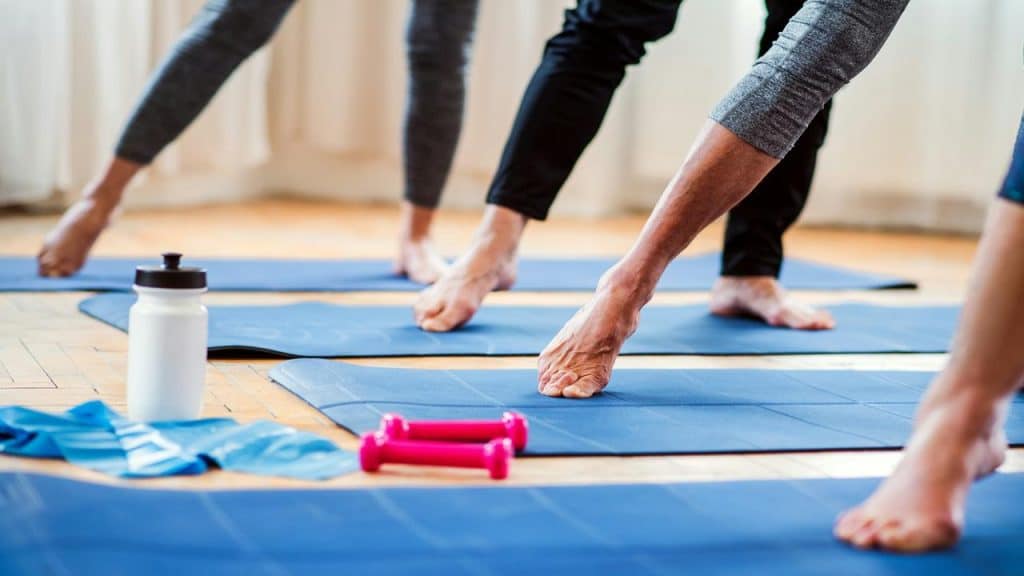
This simple walking exercise strengthens balance and helps prevent falls.
Stand with your arms slightly out to the sides for stability. Step forward, placing the heel of one foot directly in front of the toes of your other foot. Continue for 10 steps. Turn around carefully and return the same way.
Use a wall or countertop for support if needed. This helps strengthen stabilizer muscles that often weaken over time.
Arm Circles
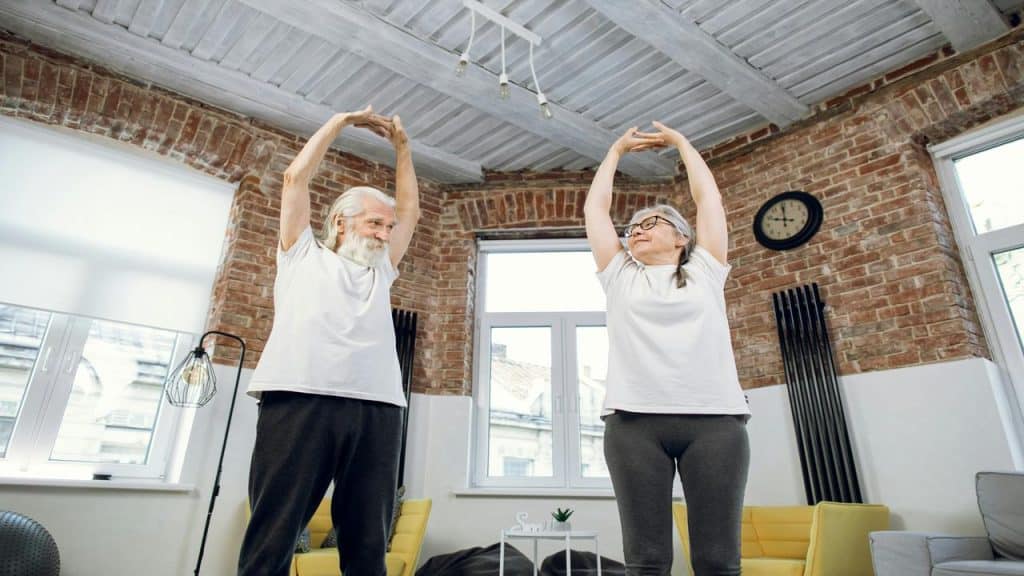
Arm circles promote flexibility in the shoulders and upper back while gently increasing circulation.
Stand or sit with your arms extended out to the sides. Slowly make small forward circles for 15 to 30 seconds, then reverse the direction. Avoid locking your elbows, and keep your movements controlled.
To increase the challenge slightly, hold small hand weights such as soup cans or water bottles.
Routine Helps Build Consistency
Establishing a daily or weekly routine makes exercise feel more natural and less like a chore. Consider linking movement to daily habits. For example, try doing stretches after brushing your teeth or leg lifts before meals. Small cues help turn effort into habit.
Marching in Place
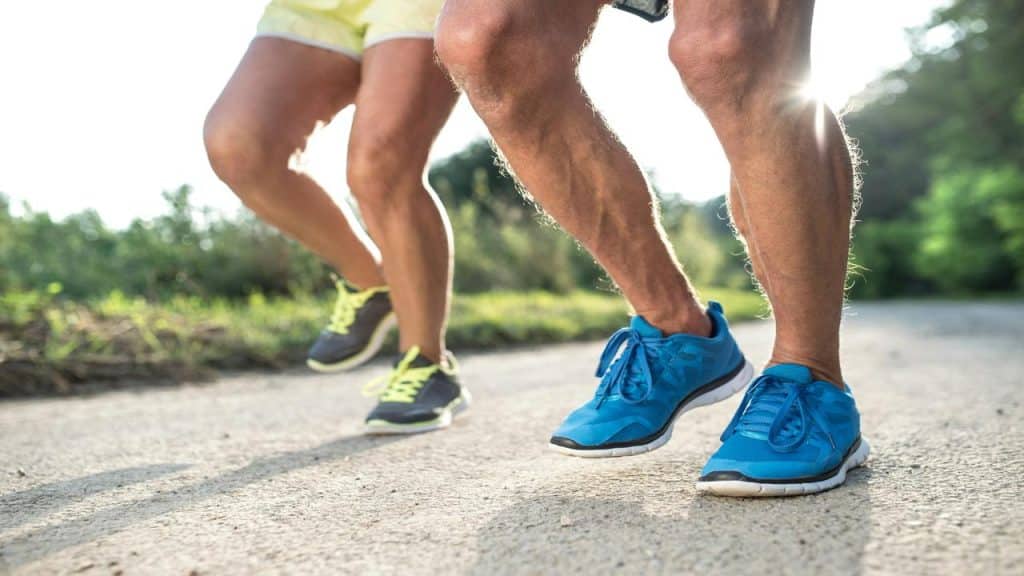
Marching in place is a good low-impact cardio option that also strengthens the legs and improves circulation.
Stand near a sturdy chair or countertop for support. Begin lifting your knees one at a time, as high as comfortable, and swing your arms if balance allows. Start with 30 seconds and increase gradually.
This movement also helps improve rhythm and coordination.
Seated Calf Raises
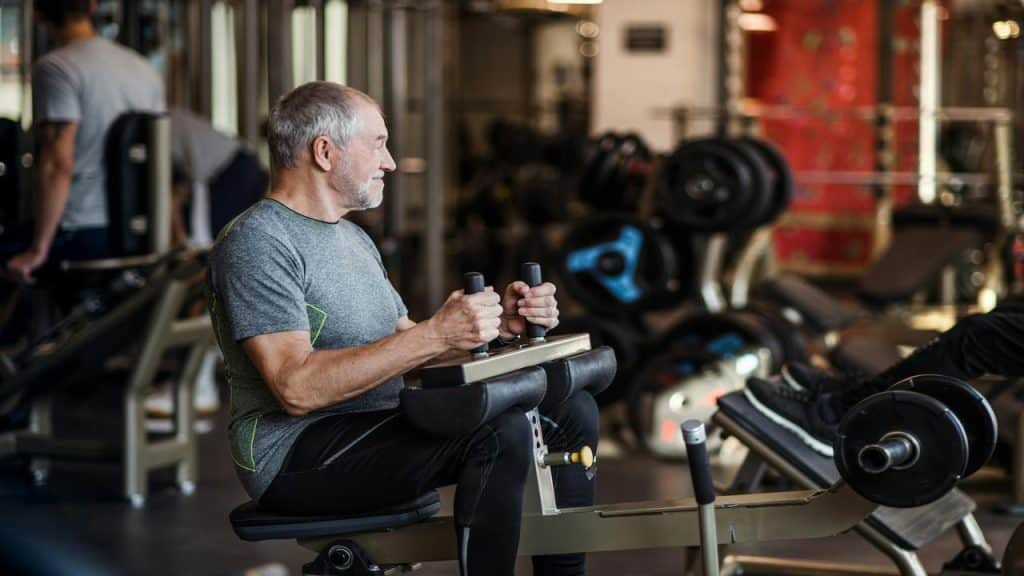
Strong calves play a key role in walking, balance, and preventing falls. Calf raises are simple to perform and require no special equipment.
Stand behind a chair or hold onto a counter for support. Slowly raise your heels until you’re on your toes, pause, then lower back down.
Start with 10 to 12 repetitions and progress as you feel stronger. You may feel the muscles engage immediately, which is a sign the exercise is working.
Use Music to Stay Motivated
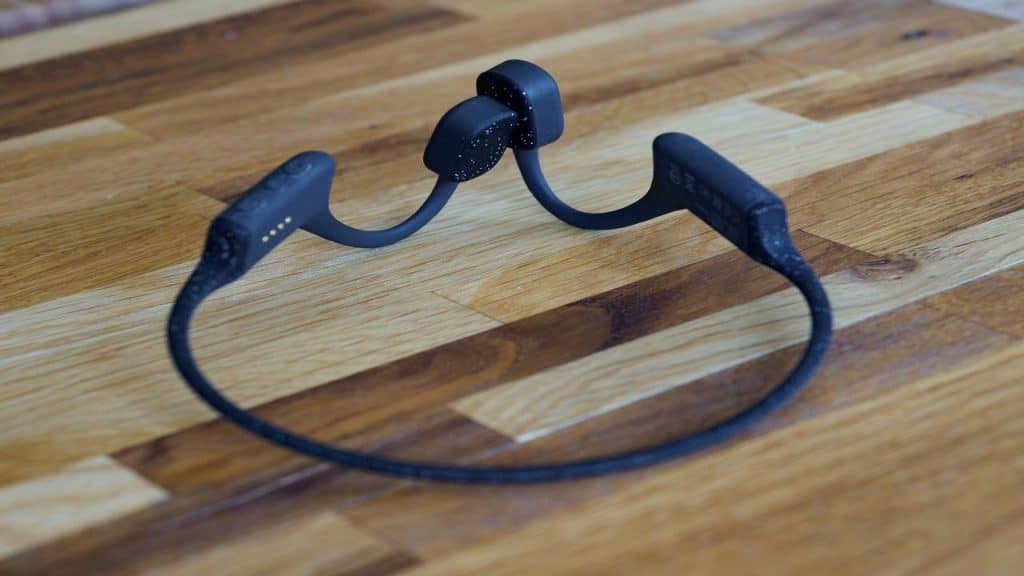
Playing music while exercising can make movement feel more enjoyable and help you maintain a steady rhythm. Choose songs with a comfortable pace. Anything from classical to classic rock works, as long as it keeps you engaged.
Neck Stretches
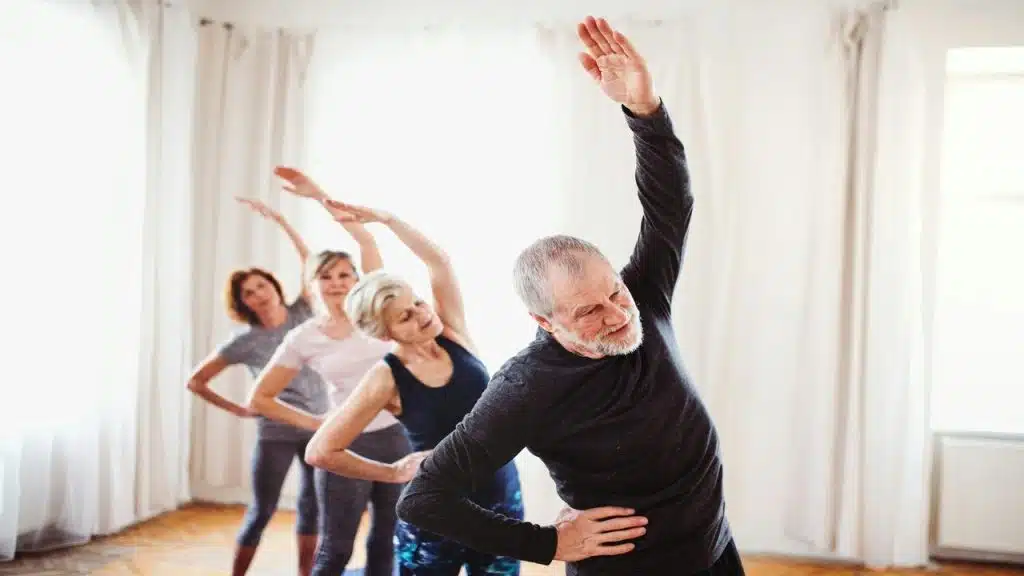
The neck often becomes stiff with age, especially if you spend a lot of time sitting or looking down. Regular neck stretches help reduce tension and support better posture.
Sit or stand tall. Slowly tilt your head to one side, hold briefly, then return to center. Repeat to the other side. Next, gently nod forward and backward. Move slowly and avoid any bouncing or jerking motions.
This can be done several times a day to relieve pressure and restore range of motion.
Some Days Are Easier Than Others
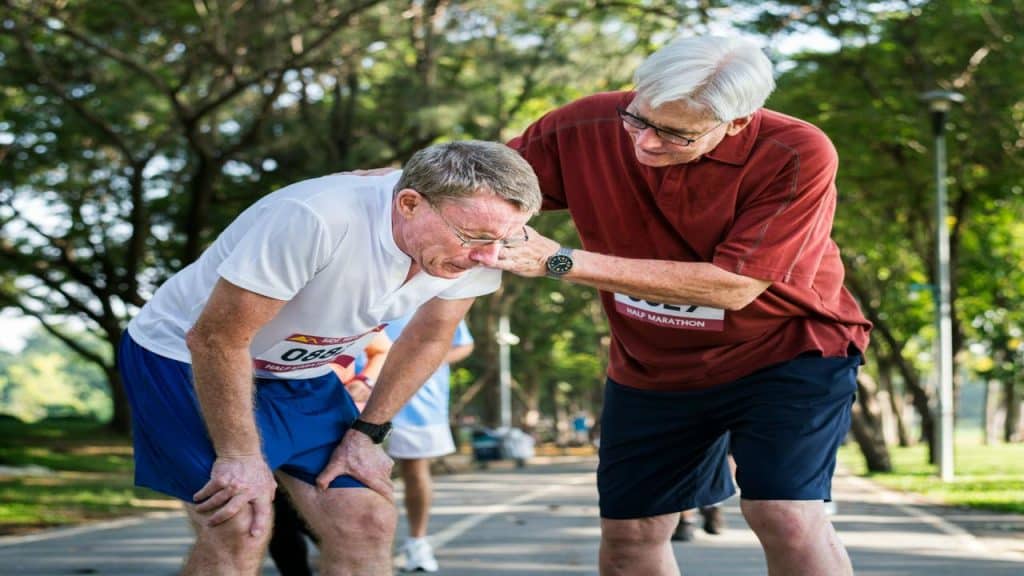
There will be days when movement feels harder. Don’t be discouraged. It’s normal to have fluctuations in energy or motivation. On low-energy days, try just one or two simple stretches. The key is to keep showing up in whatever capacity you can.
Seated Torso Twists
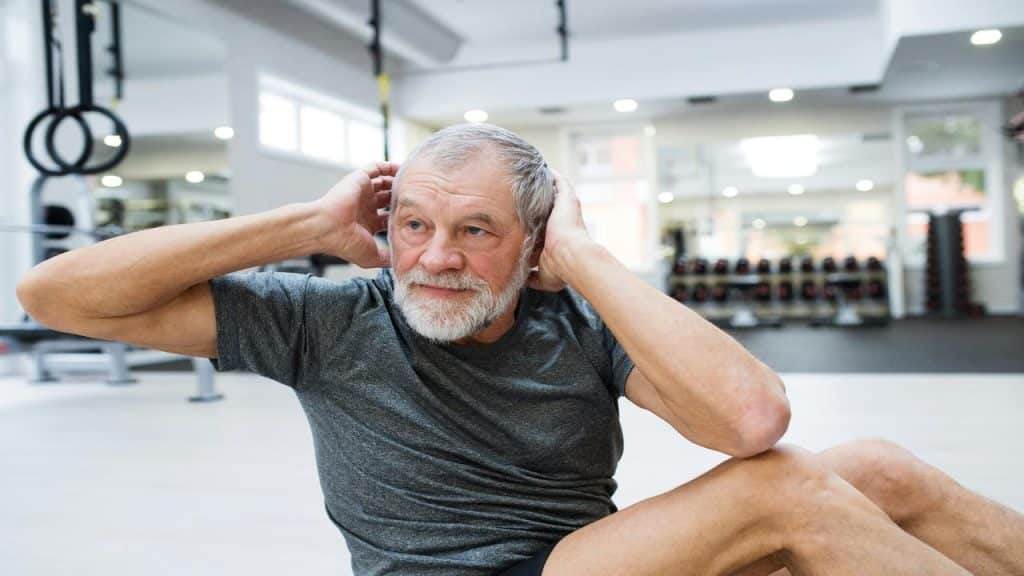
Twisting gently at the waist from a seated position can help maintain flexibility in the spine and strengthen the core.
Sit tall in a chair with feet flat on the floor. Cross your arms over your chest or rest your hands on opposite shoulders. Slowly twist your torso to the left, return to center, then twist to the right. Move in a smooth, controlled motion.
This improves posture, supports spinal health, and may even help digestion.








Ask Me Anything