
Micro-cheating encompasses behaviors that don’t constitute physical affairs but violate relationship boundaries through emotional intimacy, inappropriate communication, or keeping connections that threaten the primary relationship. These behaviors exist in the space people like to call “gray area”, not technically cheating but not exactly faithful either. The defining characteristic of micro-cheating is often the justification and secrecy surrounding it. If behavior requires hiding, rationalizing, or would cause significant hurt if discovered, it crosses lines regardless of whether it meets some technical definition of infidelity. These seventeen boundary violations represent common micro-cheating behaviors that people justify while knowing at some level that they’re inappropriate. The rationalizations, “we’re just friends,” “it’s harmless flirting,” “I’m not doing anything wrong”, serve to quiet conscience while continuing behavior that betrays partner trust.
Maintaining Active Dating App Profiles “Just to Look”
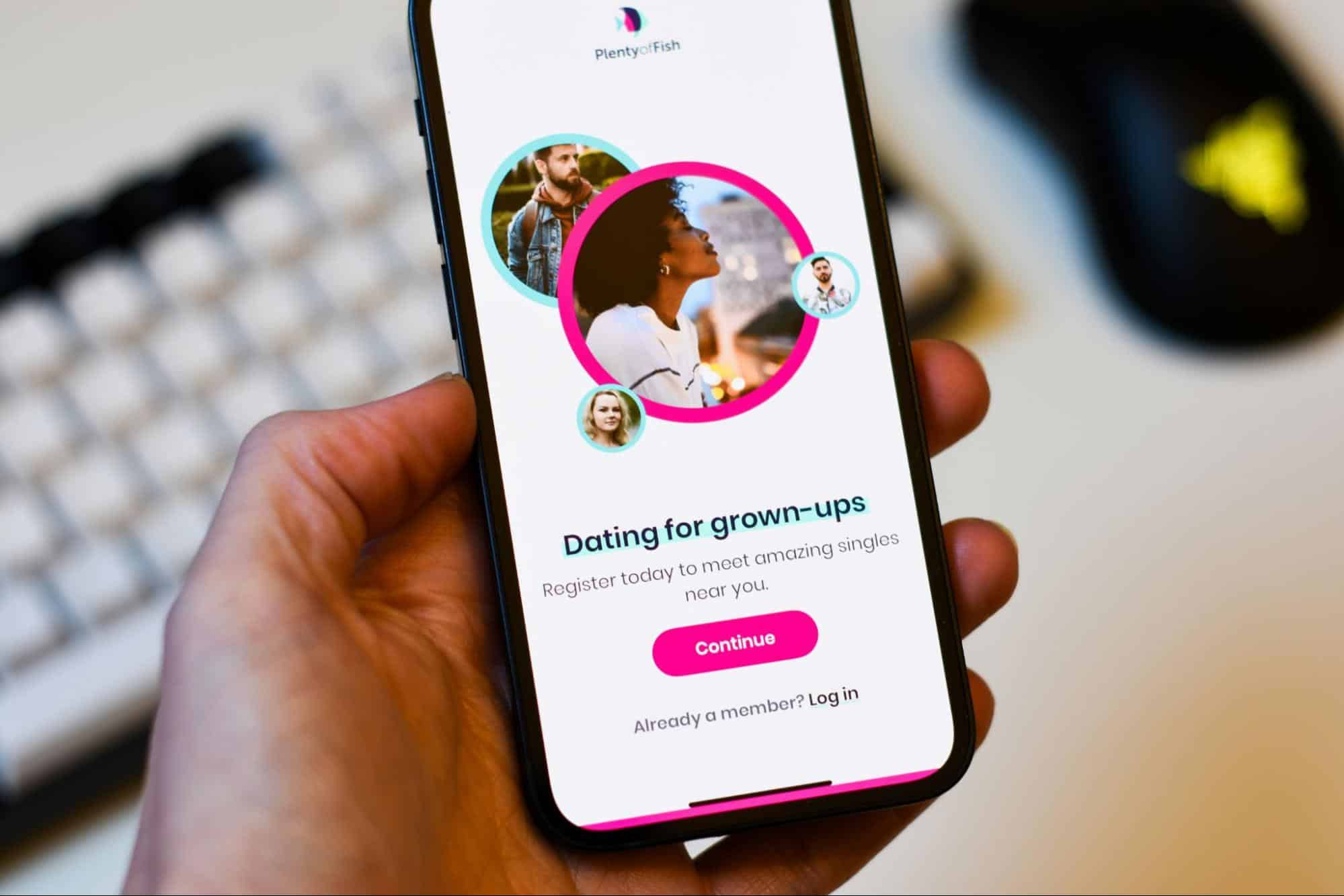
Keeping profiles on dating or hookup apps while in committed relationships, justified as curiosity, ego-boosting, or “just browsing”, violates monogamy boundaries. The presence on platforms designed for meeting romantic or sexual partners signals availability. The justification that no actual meetups occur misses that maintaining the profile demonstrates ongoing interest. If discovered, this behavior destroys trust regardless of whether meetings happened. The profile’s existence constitutes the boundary violation.
Following and Liking Provocative Social Media Accounts

Regularly engaging with sexually explicit accounts, models, influencers posting provocative content, or people known personally who post revealing photos creates ongoing sexual attention directed outside the relationship. This might be justified as “everyone does it” or “it’s just looking.” The pattern reveals where sexual attention flows and creates comparison dynamics. If this engagement would bother a partner or requires hiding, it crosses boundaries. The digital attention represents sexual energy directed elsewhere.
DMing People You’re Attracted to Under Friendly Pretenses

Initiating or maintaining direct message conversations with people you find attractive, justified as innocent friendship but motivated by attraction, constitutes micro-cheating. The “friendly” pretense masks the actual motivation. If the attraction element were removed, the conversation likely wouldn’t exist or continue. The secrecy around these communications, not mentioning them to the partner, reveals awareness of inappropriateness. Conversations motivated by attraction rather than genuine friendship violate boundaries.
Seeking Validation and Attention From Specific People Online

Consistently seeking likes, comments, and attention from particular individuals, posting content designed to get their attention, frequently engaging with their content, creates inappropriate connection. This behavior targets specific people for validation that should come from the relationship. The pattern of attention-seeking from someone else reveals emotional investment outside the primary relationship. If the validation sought from this person feels more satisfying than the partner’s attention, boundaries are violated.
Keeping Separate Social Media Accounts Your Partner Doesn’t Know About

Maintaining secret accounts, finsta, private Twitter, separate Instagram, specifically to hide content or interactions from partners constitutes deception. The secrecy reveals awareness that content or connections on these accounts would be problematic. This compartmentalization allows living different lives in different spaces. If accounts exist that the partner doesn’t know about, the hiding itself is betrayal. Transparency is foundational to trust.
Sharing Relationship Problems With Someone You’re Attracted To

Confiding marital frustrations, intimate details, or relationship problems to someone you find attractive creates inappropriate emotional intimacy. This behavior positions the outside person as confidant and ally against the partner. The attraction element makes this betrayal rather than appropriate boundary-seeking support. If the person receiving complaints is someone you’re interested in, the motivation isn’t support but connection. This emotional sharing constitutes affair-building behavior.
Having an Emotional “Work Spouse”

Developing deep emotional connection with someone at work, sharing personal information, inside jokes, daily check-ins, emotional support, that rivals or exceeds connection with actual spouse crosses boundaries. The “work spouse” label itself acknowledges the inappropriate intimacy. If this person knows more about daily life and receives more emotional energy than the actual partner, emotional infidelity occurs. Work friendships are normal; emotional marriages with coworkers are not.
Prioritizing Someone Else’s Emotional Needs Over Your Partner’s

Consistently being more emotionally available, supportive, or attentive to someone outside the relationship than to partner reveals misplaced emotional investment. This might manifest as dropping everything for this person while the partner waits. The pattern shows where emotional priority lies. If someone else consistently receives better emotional care than a partner, boundaries are violated. Primary emotional investment belongs in primary relationships.
Fantasizing About Specific People You Know or Interact With

Mental and emotional affairs with specific real people, regularly fantasizing about coworkers, friends, acquaintances, constitute emotional infidelity. This differs from abstract fantasy and instead directs romantic or sexual imagination toward specific available people. The fantasies often include scenarios of being together, relationship dynamics, or imagined intimacy. If mental and emotional energy regularly goes to imagining relationships with specific other people, fidelity is compromised. The mind’s infidelity precedes physical infidelity.
Texting or Calling Someone Excessively Without Mentioning It

Frequent communication with someone, daily texting, regular calls, constant messaging, that partner doesn’t know about or underestimates in frequency constitutes hidden connection. The volume of communication reveals the level of relationship investment. If honest accounting of communication frequency would concern a partner, hiding it is betrayal. Appropriate friendships don’t require concealing communication volume. The hiding reveals consciousness that the connection is excessive.
Deleting Messages So Your Partner Won’t See Them

Routinely deleting text threads, calls, social media messages, or emails specifically to prevent partners from seeing them proves awareness of inappropriateness. The deletion is an admission that content violates boundaries. If communications were appropriate, hiding wouldn’t be necessary. The cover-up itself constitutes betrayal even if individual messages seem innocent. If concealment is required, boundaries are being crossed.
Using Coded Language or Pet Names With Someone Else

Developing private language, inside jokes, nicknames, or communication patterns with someone that creates intimacy and exclusivity violates boundaries. This special language builds a world that the partner isn’t part of. The intimacy of private communication signals inappropriate closeness. If communication with someone else includes elements typically reserved for romantic relationships, boundaries are violated. Intimate language creates intimate relationships.
Complaining About Your Partner to People You’re Attracted To

Venting relationship frustrations specifically to people you find attractive creates alliance and positions them as understanding alternatives to unsatisfactory partners. This behavior builds a case for why a relationship with this other person would be better. The complaints create emotional intimacy through shared “understanding” of a partner’s inadequacy. If relationship problems get shared with attractive outsiders more than addressed with a partner, emotional affair territory is reached.
Flirting Through Text or Social Media “Just for Fun”

Engaging in flirtatious communication, sexual innuendo, compliments, suggestive comments, playful banter with sexual undertones, justified as harmless fun or ego-boosting crosses boundaries. Flirtation is inherently romantic and sexual in nature. If this energy flows toward people outside the relationship, fidelity is compromised. The “harmless” justification masks that flirtation builds connection and attraction. Partners in committed relationships shouldn’t be flirting with others.
Dressing Specifically to Attract Someone Else’s Attention

Making appearance choices, clothing, grooming, styling, designed to look attractive to specific people outside the relationship violates boundaries. This differs from general self-presentation and instead targets particular people’s attention. The motivation reveals desire to be attractive to someone other than a partner. If the appearance effort aims to capture a specific person’s notice, the motivation is inappropriate. Dressing for oneself or partner differs from dressing to attract others.
Creating Opportunities to Be Alone With Someone You’re Attracted To

Maneuvering situations to enable one-on-one time with someone you find attractive, suggesting lunch meetings, volunteering for joint projects, arranging convenient coincidences, demonstrates pursuit. These situations wouldn’t be sought if attraction didn’t exist. The effort to create alone time reveals desire for connection. If engineering private time with specific people, attraction is being pursued. Appropriate friendships don’t require manufacturing isolation.
Keeping Romantic or Sexual History With Someone Secret

Maintaining friendship or connection with former romantic or sexual partners without disclosing this history to the current partner constitutes deception. The omission prevents partners from making informed decisions about boundaries. Past relationships inform current dynamics and undisclosed history creates inappropriate secrecy. If a partner doesn’t know about romantic history with someone still in life, that hiding is betrayal. Transparency about past connections is essential.
Going to Places You Know Specific People Will Be

Regularly attending events, locations, or gatherings specifically because certain people will be there pursues connection under social pretense. The attendance is motivated by desire to see specific people, not genuine interest in activity. This pursuit creates opportunities for interaction that desire, not circumstance, generates. If attendance decisions center on who will be there rather than what will happen, attraction is being pursued. Following people to places constitutes micro-cheating behavior.
Maintaining “Backup” Connections With Past Romantic Interests

Keeping communication open with exes or past romantic interests “just in case,” maintaining emotional connection as relationship insurance, violates commitment to primary relationship. This backup plan mentality means not being fully invested in the current partnership. The connections serve as an exit strategy or validation source separate from the partner. If maintaining connections specifically as alternatives to primary relationships, commitment is compromised. Committed relationships don’t include backup plans.
Claiming “We’re Just Friends” When Behavior Clearly Exceeds Friendship

Labeling relationships as “just friendship” when behavior includes emotional intimacy, excessive communication, secrecy, or romantic elements denies obvious reality. The “just friends” label functions as permission slips for inappropriate connections. Actual friendships don’t require this defensive labeling. If constantly having to assert “we’re just friends” about someone, the relationship likely exceeds those boundaries. The need to justify reveals awareness that it’s questionable.
Arguing That Micro-Cheating Isn’t “Real Cheating”

Defending behaviors by claiming they don’t constitute actual cheating, “I didn’t sleep with anyone” or “nothing physical happened”, sets the bar at affair rather than fidelity. This argument uses the worst possible behavior as the standard. The absence of physical affairs doesn’t mean boundaries weren’t violated. If behavior damages trust, hurts a partner, and involves secrecy, it’s betrayal regardless of technical classification. The standard should be faithfulness, not “not quite an affair.”
If You’re Hiding It, It’s Probably Wrong

These seventeen micro-cheating behaviors share common characteristics: secrecy, rationalization, and the knowledge that discovery would damage the relationship. The defining question isn’t “is this technically cheating?” but rather “would I do this if my partner was watching?” and “would my partner be hurt if they knew?” If behaviors require hiding and justifying, they violate relationship boundaries regardless of whether they meet some technical definition of infidelity. Micro-cheating matters because it erodes trust, diverts emotional and romantic energy outside the relationship, and often serves as a gateway to larger betrayals. The justifications, it’s harmless, everyone does it, it doesn’t mean anything, are exactly that: justifications for behavior known to be wrong. Healthy relationships operate on transparency, not technicalities. If relationship energy, attention, emotional intimacy, or romantic connection flows toward people outside the partnership while being hidden from the partner, fidelity is already compromised. The path back to trust requires complete honesty about boundary violations, genuine accountability, and elimination of behaviors that threaten the relationship. Micro-cheating isn’t a gray area, it’s betrayal in smaller increments, and it damages relationships just as surely as more obvious infidelity.








Ask Me Anything