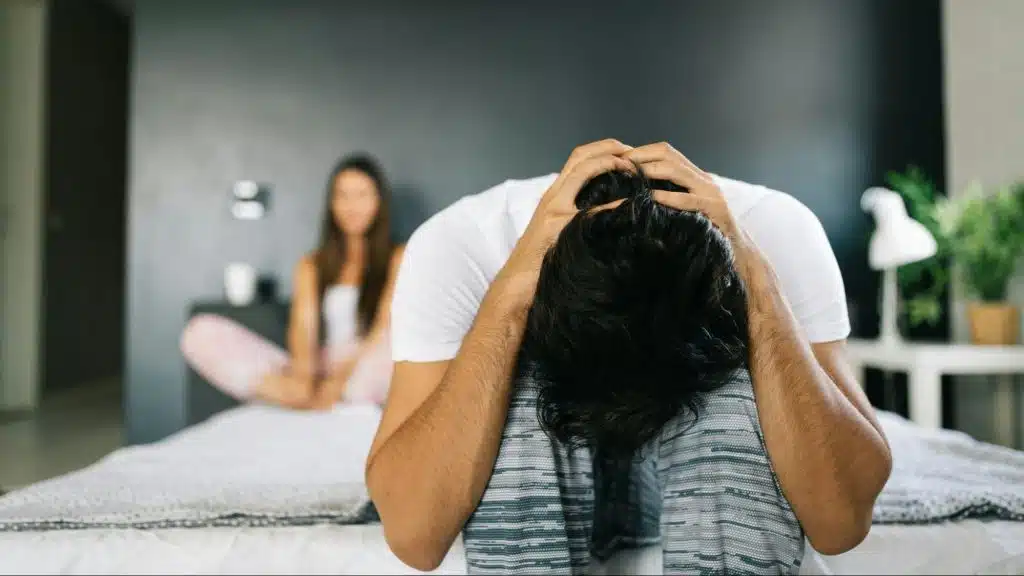
In many marriages, appreciation does not disappear overnight, it thins out through routines, stress, and unmet expectations. The earliest signs are often small changes in effort, attention, and emotional responsiveness. These changes are not proof that a marriage is failing, but they can signal a shift in how partners are valuing each other day to day. Some couples experience these patterns during demanding seasons and recover quickly, while others let them become the new normal. The list below focuses on early, observable shifts rather than assumptions about intention. Spotting them early can make repair simpler and less emotionally expensive.
“Thanks” Gets Replaced by Silence

One early sign is that simple gratitude becomes rare. Help, support, and daily contributions start being treated as automatic rather than acknowledged. The lack of “thank you” might seem minor, but it changes the emotional climate over time. People often become less motivated when effort feels invisible. This can also create a subtle sense of entitlement on one side and resentment on the other. Silence where gratitude used to exist is often the first quiet shift.
Helpful Gestures Start Feeling Like Obligations

Acts of support can shift in tone from generosity to duty. A partner may still do the same tasks, but the attitude changes to “this is expected.” When obligation replaces appreciation, kindness can start feeling transactional. This often shows up in tighter patience, reduced warmth, or shorter responses. It can also lead to a mindset of “why bother going beyond the basics.” Over time, the marriage can feel more like management than partnership.
Partners Stop Celebrating Small Wins for Each Other

In strong marriages, small wins get noticed, finishing a hard week, solving a problem, or making progress on a goal. When appreciation fades, these moments pass without recognition. The message becomes: “That’s normal, not special.” This can reduce emotional closeness even if daily life still runs smoothly. People tend to feel more connected when their efforts are witnessed. Ignoring small wins can make a partner feel emotionally alone.
Complaints Become More Detailed Than Compliments

A subtle pattern appears when negatives are tracked more clearly than positives. One partner may remember what went wrong but forget what went right. This shifts the emotional balance toward critique, even if no one intends harm. Over time, the relationship can start feeling like a performance review. This can make both partners more defensive and less affectionate. Gratitude usually softens conflict, while constant critique sharpens it.
Chores Become a Symbol Instead of a Task

Household responsibilities can take on emotional meaning. A missed chore stops being about the chore and starts representing “lack of care.” This is common when appreciation is already low and partners feel unsupported. It turns normal messiness into a scorecard of effort. Conflict becomes more intense than the situation deserves. The marriage starts arguing about dishes, but the real topic is value and recognition.
Requests Sound Like Commands Instead of Invitations

The tone of asking changes before the content changes. A request may become sharp, rushed, or entitled, even if the words are polite. When appreciation is present, requests feel collaborative; when it fades, they feel like orders. This can trigger resistance or silent resentment. It also reduces the sense of teamwork in daily life. The marriage begins to feel more hierarchical than mutual.
Partners Stop Checking In About Stress Levels

In a connected marriage, partners notice strain and adjust. When appreciation fades, these check-ins become less frequent. Each person may assume the other will “handle it” without support. This can lead to emotional isolation even in a shared home. Stress then spills into impatience, criticism, or withdrawal. The marriage becomes less emotionally responsive and more routine-driven.
Thoughtfulness Drops in Small, Predictable Ways

Thoughtfulness often shows up in tiny behaviors, bringing something needed, remembering preferences, or doing a small favor unasked. When appreciation fades, these gestures become less common. The relationship turns more practical and less attentive. It is not always a lack of love; it can be emotional fatigue. Still, the absence of thoughtfulness reduces daily warmth. Over time, partners can start feeling like roommates with responsibilities.
“Bids” for Connection Get Missed More Often

Many couples connect through small bids, showing a meme, sharing a story, or asking for attention. When appreciation fades, these bids are ignored more frequently. One partner may respond with distraction, minimal engagement, or quick dismissal. This seems small at the moment but adds up emotionally. It teaches the other person to stop reaching out. Connection breaks down more from missed moments than major fights.
Emotional Support Gets Replaced by “Solutions Only”

Instead of empathy, one partner may respond with fixes, lectures, or practical advice. Sometimes advice is helpful, but it can feel dismissive when emotional support is needed first. When appreciation is low, patience for feelings often shrinks. The message becomes: “Handle it” rather than “That sounds hard.” This can make a partner feel unsupported even if the marriage remains functional.
Apologies Become Rare, Even for Small Things

A marriage can handle mistakes when repair remains easy. When appreciation fades, apologies can feel like weakness or “giving in.” Partners may defend themselves instead of acknowledging impact. This turns minor conflicts into longer standoffs. It also reduces trust because accountability becomes inconsistent. Even small apologies are a daily form of respect and care. When they disappear, tension tends to linger longer.
Partners Start Assuming the Worst More Quickly

Neutral events begin to get interpreted negatively. A late response becomes “not caring,” a tired mood becomes “being cold,” and a mistake becomes “not trying.” This happens when appreciation is low and goodwill is depleted. The marriage starts operating on suspicion rather than benefit of the doubt. This creates more conflict with less evidence. It also makes warmth harder because every action feels judged.
Flirting Feels Awkward Instead of Natural

Flirting often relies on emotional safety and playful energy. When appreciation fades, flirt attempts may be met with indifference or a distracted response. This can make intimacy feel risky rather than fun. One partner may stop trying to initiate a playful connection to avoid rejection. The marriage then becomes more serious and less lighthearted. Intimacy is not only physical; it is also the tone of closeness.
Affection Becomes More Functional Than Warm

Touch and affection may remain, but they become more routine-driven. Hugs become quick, kisses become automatic, and closeness feels less emotionally present. This can happen when both partners are tired, but it becomes a pattern when appreciation is low. The relationship keeps the motions while losing the meaning. Over time, partners may feel “together but not connected.” Warmth is not about the quantity of affection, but the feeling behind it.
Partners Stop Sharing Pride in Each Other Publicly

A partner may stop expressing admiration or pride in social settings. This can show up as fewer positive stories, less supportive language, or a more neutral presentation of the marriage. The shift may be subtle, but it affects identity as a couple. Pride is not bragging; it is a signal of value. When pride disappears, it can suggest emotional distancing or unresolved resentment.
Relationship Maintenance Stops Being a Priority

Small habits that keep a marriage healthy can quietly fade. Date planning, routine check-ins, shared rituals, and intentional conversations become less frequent. This is often because daily life feels overwhelming, but appreciation keeps maintenance feeling worth it. When appreciation is low, maintenance feels pointless or tiring. The marriage becomes reactive instead of intentional. Problems then pile up and feel harder to address later.
One or Both Partners Start “Numbing Out” at Home

Numbing out can look like more scrolling, more distractions, or less emotional engagement. It is not always malicious; it can be a coping response to feeling unseen. When appreciation fades, home can feel more like a place to endure than a place to connect. Partners may become physically present but emotionally absent. This reduces closeness without creating immediate conflict, which makes it easy to ignore.
Conclusion: Early Changes Are Fixable When They Are Not Normalized
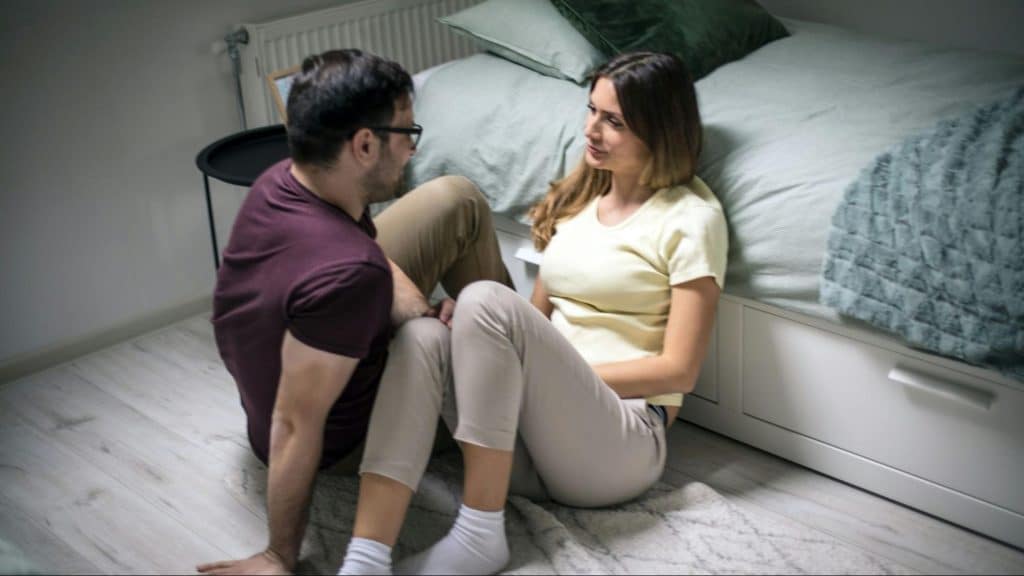
Appreciation fading usually starts with small shifts, not major blowups. Many of these early changes are more about patterns than single moments. When partners notice the drift early, they can adjust routines, communication, and expectations before resentment hardens. Appreciation does not require grand gestures; it often requires consistency and attention. A sensible goal is not constant praise, but a steady sense of being valued. The earlier these changes are addressed, the less the marriage has to recover from later.








Ask Me Anything