
Most men were taught that there are only two lanes. You’re either tough, decisive, and respected, or you’re open, emotional, and “soft.” No one really explained what happens when real life demands both at the same time.
By your late 30s or 40s, that split starts to feel fake. Work requires calm authority. Relationships require emotional presence. Parenting, leadership, and even friendships punish extremes on either side.
The truth is, strength and sensitivity aren’t opposites. They’re skills that show up in different moments. The men who handle life best aren’t louder or colder. They’re steadier.
You’re decisive without being dismissive

You make decisions when they’re needed. You don’t stall, over-explain, or hide behind endless options. People can feel that clarity, and it builds trust quickly.
At the same time, you don’t bulldoze input just to prove a point. You listen, weigh things, and then move forward. That balance keeps you respected instead of resented. Confidence shows up in action, not volume.
You stay calm when emotions show up

When emotions enter the room, you don’t panic or shut down. You don’t treat feelings like a threat to order. You let them exist without losing control of the situation.
This doesn’t mean you absorb everyone else’s stress. It means you don’t escalate it. Calm is one of the most underrated forms of strength. People notice who keeps their footing when things get uncomfortable.
You listen without trying to fix everything

You can hear someone out without turning the conversation into a repair project. Not every problem needs a solution on the spot. Sometimes it just needs space.
This is harder than it sounds. Fixing feels productive. Listening feels passive. But listening builds more influence over time. Ironically, people trust your advice more when you don’t rush to give it.
You set boundaries without hostility

You’re clear about what you will and won’t tolerate. You don’t hint, sulk, or explode later. You state limits early and calmly.
There’s no edge, no threat behind it. Just clarity. That steadiness makes boundaries easier to respect. Strong men don’t need anger to enforce limits.
You take responsibility without self-flagellation
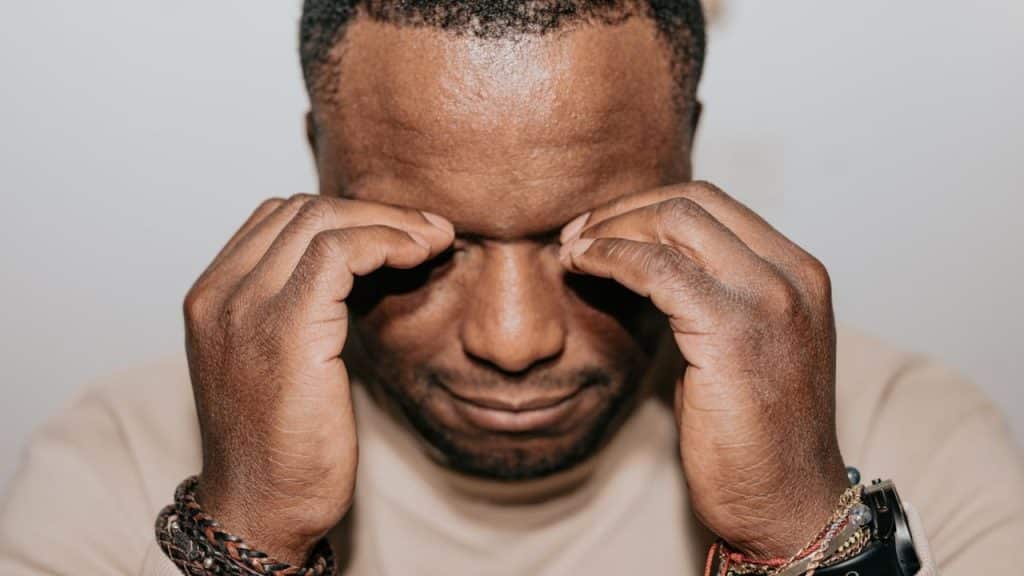
When you mess up, you own it. No excuses. No blame-shifting. You acknowledge the impact and move forward.
What you don’t do is spiral into shame or over-apologize. Responsibility isn’t self-punishment. It’s course correction. People trust men who can say “that’s on me” and keep going.
You’re emotionally aware but not emotionally driven

You know what you’re feeling and why. You don’t pretend emotions aren’t there. That awareness helps you respond instead of react.
At the same time, emotions don’t run the show. You don’t let a bad mood dictate your behavior or decisions. Self-control doesn’t mean emotional numbness. It means timing.
You can be firm without being cold

You don’t soften every message to avoid discomfort. Some conversations require firmness. You don’t dodge them.
But firmness doesn’t mean detachment. You stay human while being direct. That combination lands better than either extreme. People remember how you made them feel, even when you said no.
You don’t perform toughness

You’re not constantly proving anything. No chest-thumping. No exaggerated confidence. No posturing.
Real strength is quiet because it doesn’t need witnesses. You know where you stand, so you don’t advertise it. Ironically, the less you perform toughness, the more believable it becomes.
You respect emotions without romanticizing them

You don’t mock feelings or dismiss them as weakness. You also don’t treat them as sacred truths that must always be followed.
Emotions are information, not commands. You take the data and decide what to do with it. That approach keeps you grounded instead of reactive.
You can sit with discomfort

You don’t rush to escape awkwardness, tension, or silence. You can stay present when things feel unresolved.
This matters in negotiations, relationships, and leadership. Discomfort often signals something important is happening. The man who can stay still usually has the upper hand.
You’re assertive without being aggressive

You speak clearly about what you want. You don’t hint or hope people figure it out. That assertiveness saves time and confusion.
What you avoid is pressure, intimidation, or domination. Those tactics burn trust fast. Assertiveness invites cooperation. Aggression invites resistance.
You don’t outsource your emotional labor

You don’t expect others to manage your moods for you. You handle your stress, frustration, and disappointment responsibly.
That doesn’t mean you never lean on anyone. It means you don’t make your inner world someone else’s full-time job. Self-regulation is attractive at every age.
You can be vulnerable without oversharing

You’re willing to open up when it’s appropriate. You don’t hide behind jokes or stoicism. You share honestly when it matters.
You also respect context. Not every setting is a confessional. You choose depth over dumping. Vulnerability works best when it’s intentional.
You lead by example, not pressure

You don’t motivate through fear or guilt. You show standards through your behavior.
People follow consistency more than speeches. When your actions match your values, leadership becomes natural. No pep talks required.
You handle criticism without collapsing or counterattacking

When feedback comes in, you don’t crumble or lash out. You listen, filter, and decide what’s useful. Some criticism is noise. Some is valuable. You don’t confuse the two. That steadiness keeps you improving without losing confidence.
You value empathy without losing self-respect

You care about how others feel. You consider perspectives beyond your own.
You also don’t sacrifice your needs to keep everyone comfortable. Empathy doesn’t require self-erasure. Mutual respect beats endless accommodation.
You’re adaptable without losing your core
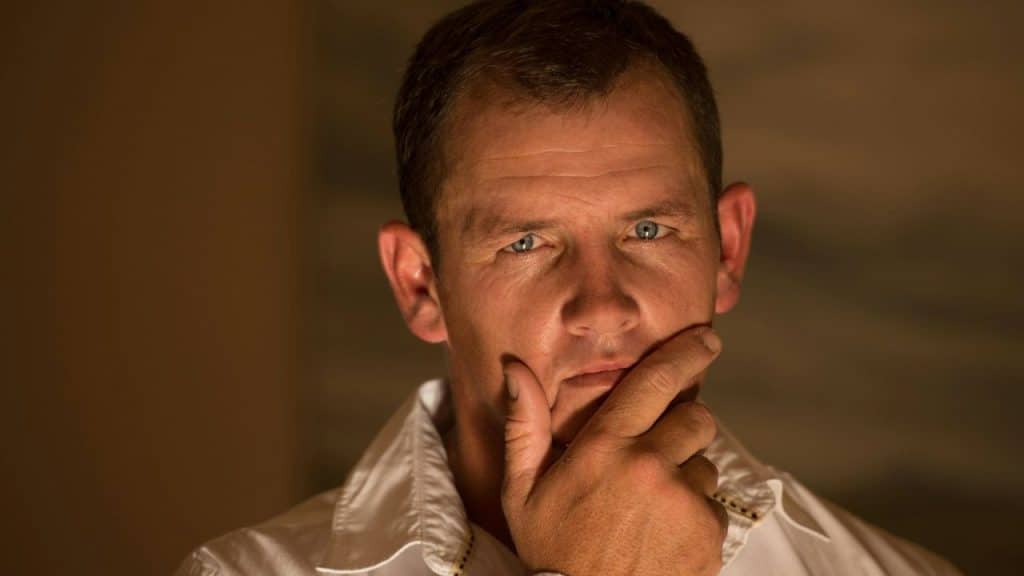
You can adjust based on context, people, and stakes. You’re not rigid or fragile.
At the same time, your values don’t disappear under pressure. Flexibility doesn’t mean inconsistency. That balance is what makes you reliable.








Ask Me Anything