
The older you get, the clearer life becomes. You start noticing that happiness isn’t tied to the things you once chased—titles, belongings, or the approval of people you barely care about today. Instead, joy becomes much simpler and more grounded. It’s found in the habits you keep, the relationships that last, and the peace you refuse to compromise.
After 50, you gain the power of perspective, and that perspective becomes your greatest weapon against stress, regret, and unnecessary noise. These are the simple things that, for most people, end up mattering far more than they ever expected.
Letting Go of Grudges

Letting go of grudges becomes less about forgiving others and more about freeing yourself. After 50, you see how carrying resentment drains your energy and steals moments you can’t get back. Happiness comes from releasing the emotional knots that have tightened over the years. A simple way to start is by naming what hurt you and deciding what you’re done carrying forward. You don’t have to repair every relationship—just remove the power of the memory that keeps replaying. Peace isn’t something you find; it’s something you choose.
Prioritizing Your Health Daily

Happiness becomes easier when your body supports the life you want to live. After 50, small habits make a huge difference—daily walks, stretching, drinking more water, and listening to your body when it whispers before it screams. You learn that prevention beats correction every time. Instead of dramatic diets or extreme workouts, consistency becomes your best friend. Even 20 minutes of movement can improve mood, energy, and sleep. The key is doing something every day that signals, “My health matters, and so do I.”
Enjoying a Slower Pace Without Feeling Guilty

There’s a surprising peace that comes from no longer rushing everywhere. After decades of being busy, you realize you don’t need to live like your calendar is chasing you. Slowing down doesn’t mean you’re unproductive—it means you’re finally living with intention. Start by creating “no-rush mornings,” even once a week, where you drink your coffee without checking your phone. This slower approach helps you reconnect with yourself, appreciate the moment, and stop treating life like a checklist.
Finding People Who Feel Like Home

At this stage, relationships shift. You stop trying to please everyone and start valuing the handful of people who truly get you. Happiness is having friends you can be unfiltered with—people who don’t keep score, don’t drain your energy, and don’t disappear when things get hard. Strengthen the connections that feel effortless and release the ones that feel like emotional debt. Quality beats quantity every single time, especially when your time feels more precious.
Protecting Your Peace Like It’s a Full-Time Job
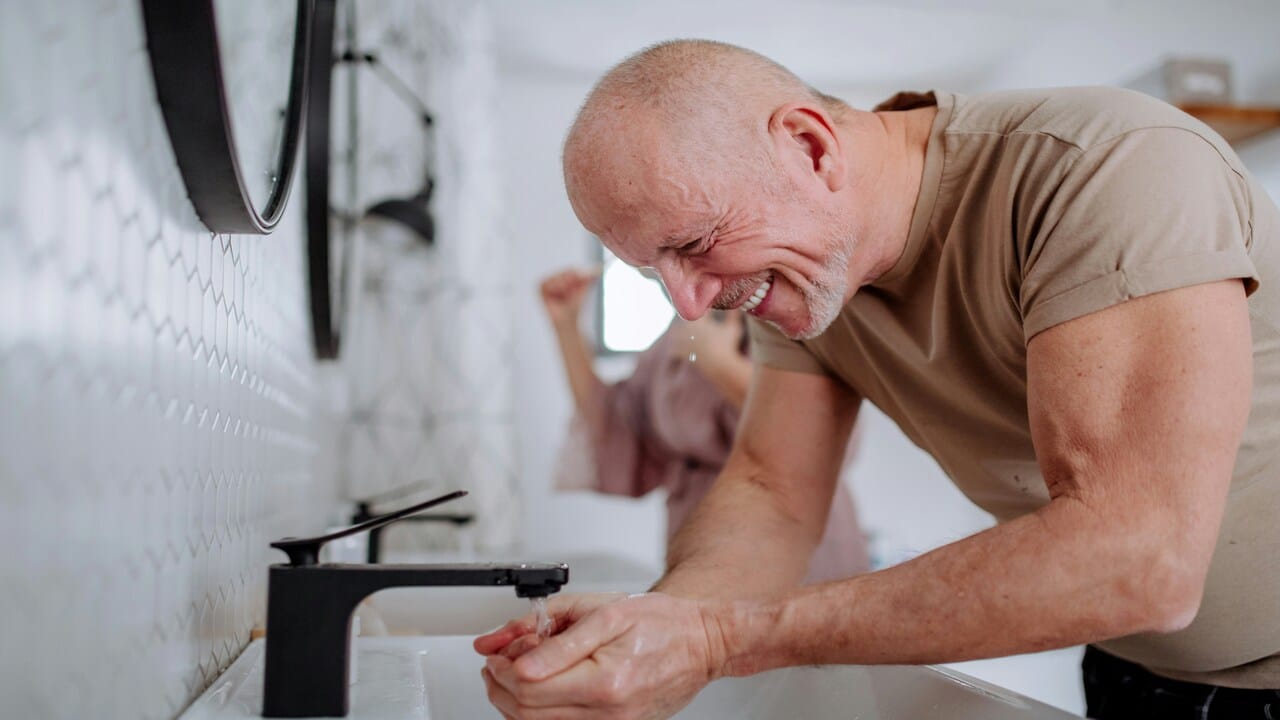
After 50, drama suddenly becomes exhausting, not entertaining. You start valuing emotional stability more than excitement. Protecting your peace looks like saying no without guilt, avoiding people who thrive on chaos, and choosing environments that make you feel safe and grounded. One practical habit: don’t respond to anything stressful right away. Give yourself space to choose the response, not react out of emotion. Peace grows when you stop letting everything pull you into turbulence.
Spending Time Outdoors
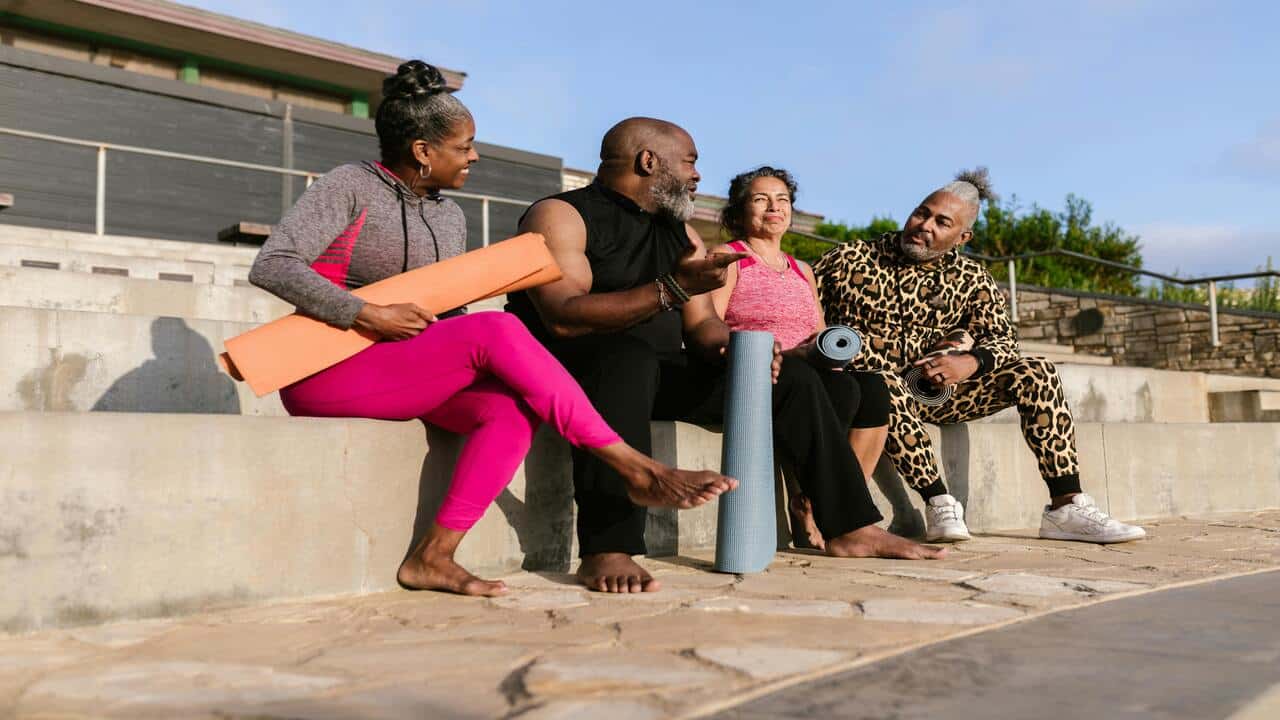
Happiness becomes deeply tied to simple, sensory things—sunlight, fresh air, trees, the sound of birds in the morning. Nature becomes a reset button for your mind. Studies consistently show that even 15 minutes outside improves mood and reduces stress. Make it a habit to walk in a nearby park, water your plants, or sit outside with your morning coffee. These tiny moments reconnect you with the world beyond your worries and create a sense of calm that lingers.
Saying What You Mean (Kindly)

Clear communication becomes one of the most underrated keys to happiness. After 50, you learn that swallowing your feelings only leads to resentment. Saying what you mean—without rushing, attacking, or sugarcoating—improves relationships and reduces misunderstandings. Practice using calm, direct sentences: “Here’s what I need,” or “Here’s how I feel about this.” You’ll notice people respond better when they don’t have to guess. Honesty, delivered kindly, makes everything smoother.
Not Trying to Fix Everything

A surprising wave of peace arrives when you stop trying to control or fix every problem around you. You learn to let situations unfold without carrying the weight of everyone else’s choices. This doesn’t mean you become passive—it means you choose where to invest your emotional energy. The best question to ask yourself is: “Does this actually belong to me?” If the answer is no, release it. Happiness grows when you stop treating other people’s storms like your responsibility.
Reconnecting With Old Joys

The hobbies you loved before life got busy often hold the key to renewed happiness. Whether it’s painting, gardening, dancing, or reading for pleasure, these activities remind you who you were before responsibilities took over. Bring back one thing you used to love and schedule it weekly. It’s not indulgent—it’s essential. Joy is rarely something new; it’s often something rediscovered.
Keeping a Home That Feels Good to Live In

Your environment plays a major role in your mental state. After 50, clutter feels heavier, mess feels louder, and comfort becomes a priority. Creating a home that feels peaceful doesn’t require a renovation—just intentional upkeep. Start by clearing one corner, one drawer, or one habit at a time. Happiness increases when your surroundings support calm, not chaos. A tidy home is a gift to your future self.
Choosing Rest Without Apology

You no longer need to earn rest by working yourself to exhaustion. After 50, you realize rest is not laziness—it’s maintenance. You’ve spent decades pushing through fatigue; now it’s time to listen to your body and give it what it needs. Rest looks like naps, quiet afternoons, staying home when your body says no, or simply doing nothing without guilt. When you honor rest, everything else in your life works better.
Being Comfortable With Being Alone

Solitude becomes strength, not loneliness. Midlife has a way of separating who you are from what you’ve always done or who you’ve always been with. Spending time alone helps you hear your thoughts more clearly and reconnect with your values. Try taking yourself on a weekly “solo date”—a café, a bookstore, a walk. Being comfortable with your own company is one of the purest forms of happiness.
Laughing More, Even at the Small Things

After 50, you stop taking life so seriously because you’ve seen how quickly things can change. Laughter becomes medicine—free, immediate, and incredibly healing. Watch comedies, hang out with funny people, or reframe bad days with humor. Happiness grows when you look for the moments of lightness in everyday life. Sometimes the best joy is the kind that surprises you.
Accepting What You Can’t Change

Acceptance doesn’t mean defeat—it means choosing your battles wisely. At this stage, you understand which problems deserve your attention and which only drain you. Instead of replaying regrets or wishing things had gone differently, you learn to work with what’s in front of you. A good practice is to ask: “What’s the next best step with the reality I have?” Acceptance frees you from the emotional tug-of-war you can never win.
Enjoying the Little Rituals

True happiness often comes from small, repeatable rituals—morning tea, evening walks, weekend breakfasts, or a book before bed. These rhythms anchor your days and add structure to an otherwise chaotic world. The older you get, the more comforting routines become. Choose one daily ritual and guard it from interruptions. Happiness builds in the predictable moments you give yourself permission to enjoy.
Staying Curious

Curiosity keeps your mind young. After 50, learning new things—technology, recipes, languages, or skills—brings a fresh spark to life. It reminds you that growth doesn’t stop with age; if anything, it gets more meaningful. Try a class, follow a tutorial, or join a group that shares your interests. Happiness thrives when your world keeps expanding instead of shrinking.
Giving Without Keeping Score

Generosity feels different after 50—it becomes less about obligation and more about genuine kindness. Giving without expecting anything back brings a deep sense of fulfillment. It can be money, time, advice, or simply your presence. Kindness is one of the few things that pays you back immediately. When you focus on giving sincerely, you naturally attract better people and richer experiences.
Appreciating the Life You Built
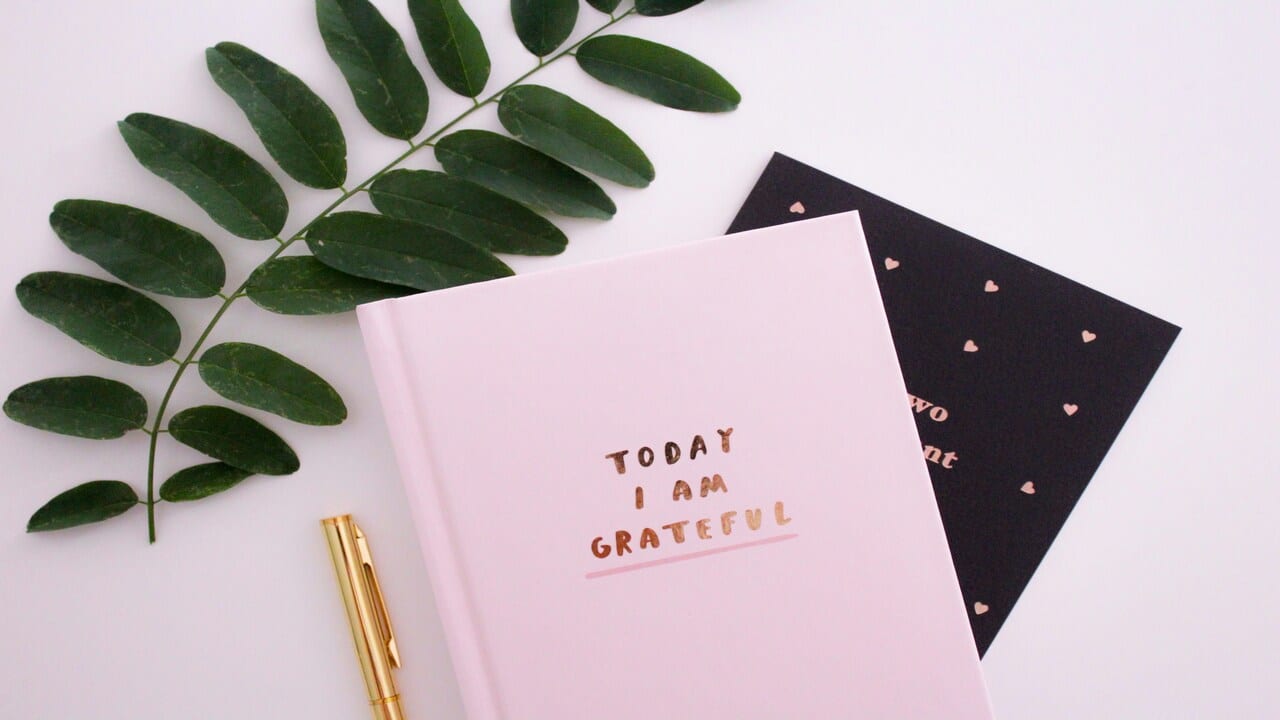
At this point in life, gratitude shifts from a practice to a perspective. You begin to see the beauty in the life you’ve created—the relationships, lessons, victories, and even the mistakes that shaped you. Taking a few minutes each day to acknowledge what you’re grateful for rewires your outlook. Happiness grows when you stop comparing and start appreciating the journey you’ve lived.








Ask Me Anything