
All happy relationships are founded on mutual growth, respect, and emotional input. There are, however, many relationships where the woman becomes the default giver; she carries the heavy emotional burden of the relationship alone. She silently endures the emotional pain that comes with being invisible in her own relationship. She keeps giving endless love when she is offered nothing in return even to the detriment of her emotional well-being. Psychologists call this imbalanced dynamic codependency or overgiving.
You may wonder, why would a woman intentionally choose to be a martyr? The reason is complex and sometimes rooted in deep-seated traumas and unhealed wounds like personality types, attachment styles, love-deprived childhoods, or others that are too complex for an onlooker to understand.
Here are 15 reasons why some women quietly endure painfully one-sided relationships.
They Believe Love Means Giving Without Limits
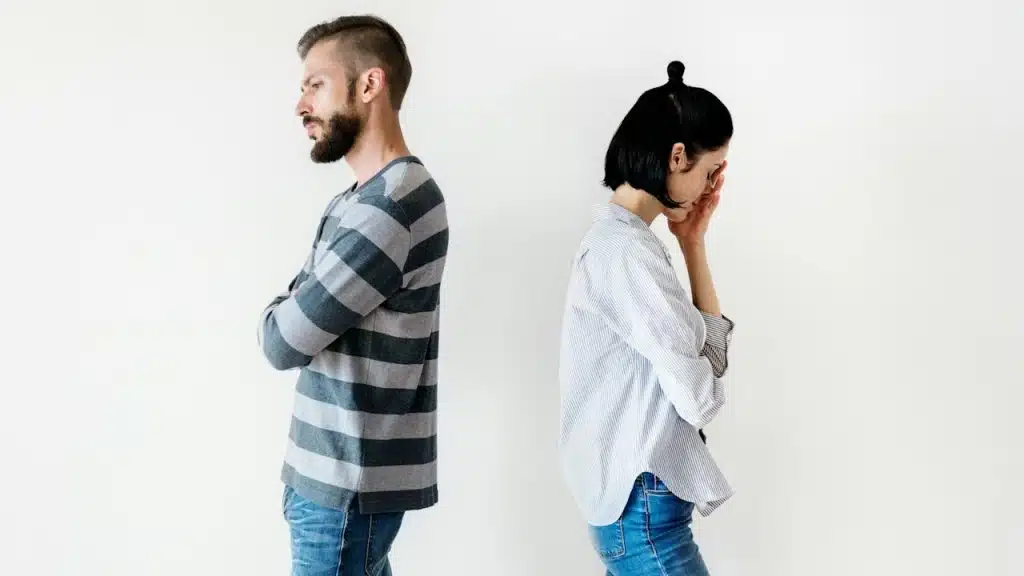
Some women have been culturally conditioned to believe that love is expressed through unquestioning sacrifice, generosity, and care. This makes them tie their expression of love to investing their time, energy, and emotions fully in a relationship, without a hope for reciprocity.
They Struggle With Low Self-Worth
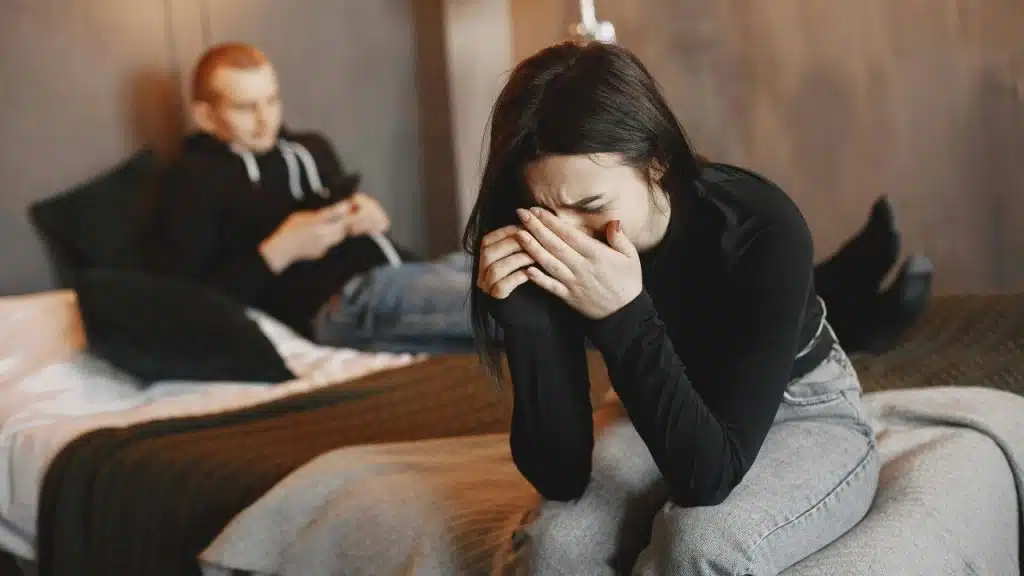
When someone grows up unloved, they may develop a deep desire to belong. They have low self-esteem and they tether their sense of worth to the acceptance and approval they get from their partner. They keep offering affection with a hope for return, which they never get.
They See Potential Instead of Reality

Many women stay under the delusion that their love and unilateral efforts will eventually change their partner’s heart. They hold onto wishful thinking and stay optimistic about a promising future that never really happens. They deliberately avoid acknowledging the current cold behavior of their partner.
They Fear Being Alone
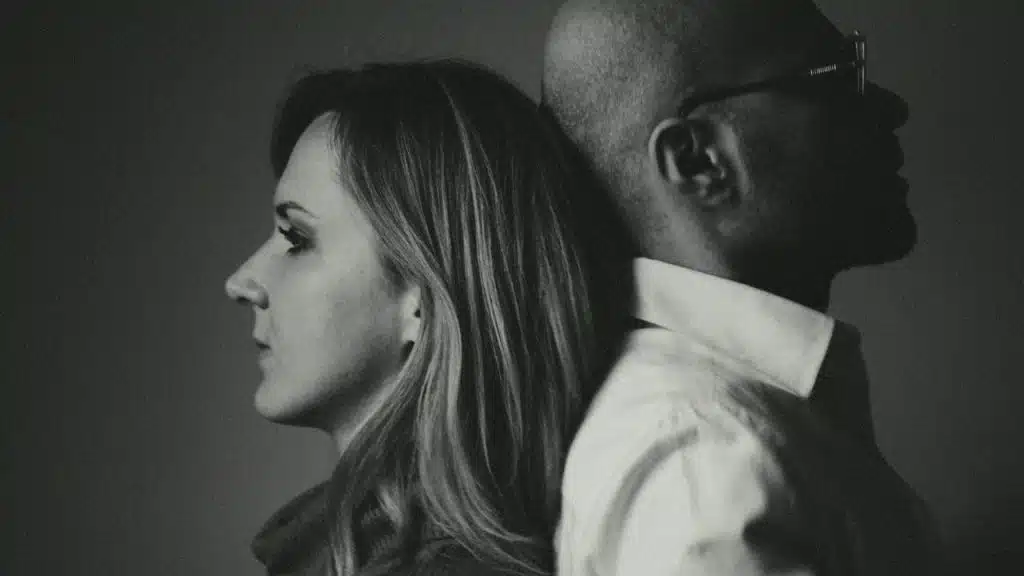
Fear of abandonment can trigger overcompensating mechanisms like overgiving and self-sacrificing behaviors. They are so scared of loneliness that they stay trapped by their own will in emotionally draining and toxic relationships where their love is never valued, as they fear being alone more than being alone together. They stay for the sheer stability and familiarity, though flawed, that their relationship offers even when their partner is emotionally distant.
They Are Natural Caregivers
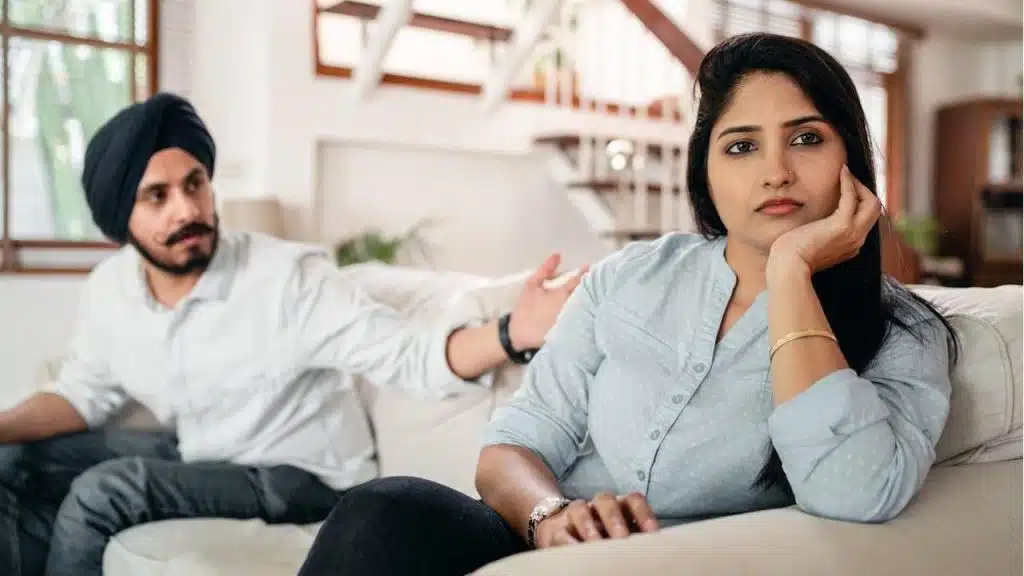
Some people have people-pleasing tendencies because maybe that is how they were raised. Their parents made them believe it’s important to put the happiness and comfort of others first. They never shied away from making others feel special and supported. They grow up with a mindset to spread happiness and joy everywhere they go even when nobody does the same for them. Over time, especially in a relationship, their kindness and empathy get taken advantage of instead of being appreciated.
Childhood Experiences Shaped Their Attachment Style

She may have been brought up in an emotionally deprived household where love was conditional and dependent on obedience and service. This influenced how she operates now in her adult relationships. Inconsistent affection patterns as a child made her grow up with unhealthy attachment patterns, leading her to chase love or approval in her romantic relationship in order to feel wanted.
They Avoid Conflict at All Costs
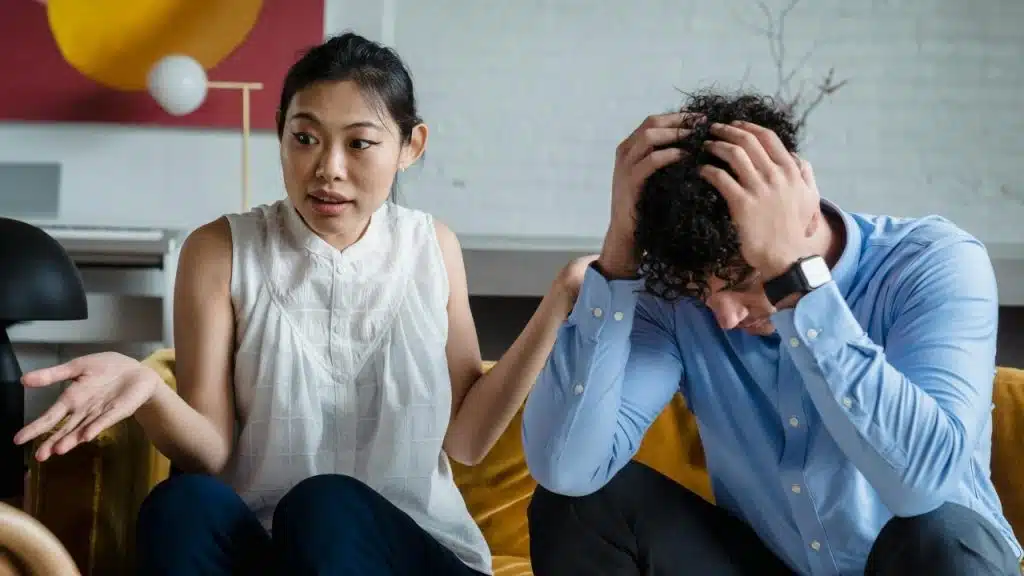
Some women are just not confrontational; they prefer to maintain peace even if it is false and elusive. They get distressed over the mere thought of conflicts and arguments, which leads her to remain silent and serve unconditionally, choosing a fragile peace over necessary confrontation even when her own emotional and physical needs aren’t met.
They Feel Responsible for Their Partner’s Happiness
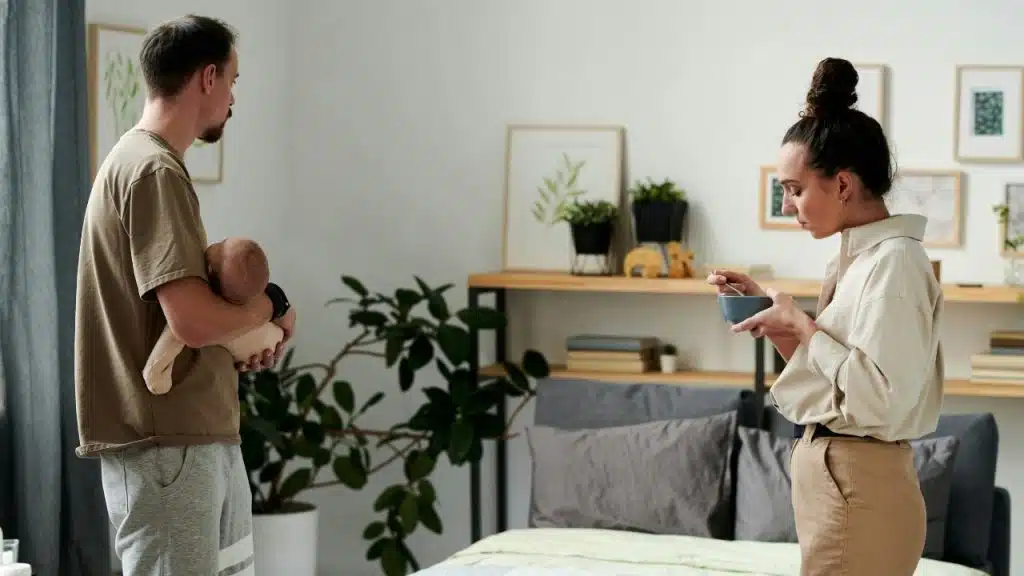
Overgivers or people pleasers have a common mentality. They hold themselves responsible and accountable for their partner’s mood shifts and happiness. She feels the strong urge to set things right and fix all emotional wounds that have not even been caused by her. Her own emotional world and happiness? They don’t even matter to her.
They Become Emotionally Dependent

Over time, the imbalanced relationship becomes her complete identity and a source of emotional stability. No matter how agonizingly painful the emotional neglect gets, she stays, as she fears losing her identity and routine.
They Are Extremely Empathetic

Highly empathetic people can never truly hate their oppressor; they may be stuck with a narcissist who only caters to his own emotional needs and wants constant validation, unwavering support, and unconditional love from her. She receives only crumbs or the bare minimum in exchange, but her empathy and knowledge of his personality disorder and emotional troubles keep her tied to him, a dynamic psychologists often associate with trauma bonding or pathological altruism. She doesn’t want to break his heart by quitting the relationship. She ends up breaking her own heart as she fails to show empathy to herself.
They Romanticize the Relationship

Some women hold onto an idealized happy ending, just like in the movies, where Beauty’s love breaks the spell and turns the Beast into a charming and loving prince. Even when the reality of the relationship says otherwise, she clings on to the irrationally optimistic hope.
They Mistake Intensity for Love

Drama, a hot-and-cold attitude, emotional rollercoasters, and passionate romantic moments, even if few, may make her believe in the authenticity and sincerity of the love. This delusion makes the relationship appear meaningful to her even if momentarily. She just foolishly wants to trust the occasional intensity of love she gets, overlooking the dim chances of long-term compatibility.
They Hope Their Loyalty Will Change Their Partner

Many women believe with patience, love, and support they can win their partner’s loyalty and respect. They become wishful thinkers who expect that some day their ungrateful partner will finally appreciate the goodness in them and change his feelings from indifference to genuine love towards them.
They Are Used to Putting Others First
A woman who was raised by parents who never made her their first priority, who never felt special doesn’t know how to ask for more than the bare minimum in a relationship. She suffices with the very little love she gets, as she believes she doesn’t deserve too much love. She keeps prioritizing her partner’s needs and everyone else’s needs above hers to earn love. She internalized this belief because she failed to receive love from her parents that are often viewed culturally as the epitome of unconditional love. She wonders if her parents couldn’t love her, maybe she is not worthy of being loved ?
They Believe Love Requires Endless Sacrifice
Perhaps, one of the biggest reasons is a core belief that true love means enduring endless hardship for the sake of love. If a woman sees compromise as proof of her devotion it’s hard to make them understand the longstanding effects of staying in an emotionally one-sided dynamic.
Final Thoughts
Giving love unconditionally without expecting anything in return is a sign of generosity and not a weakness, as long as it doesn’t weigh on a person’s emotional well-being. Empathy, loyalty, and kindness are in fact the most beautiful qualities to possess as a loving partner, as these help deepen the emotional connection in healthy relationships. This Good Samaritan mindset becomes problematic when love and emotional labor become completely one-sided to an overwhelming degree in a relationship.
True love requires two-sided efforts and commitment, mutual respect and consistent care, not one partner to crumble under the imbalanced weight of emotional responsibilities. If you are the overgiving, people-pleasing, love-deprived kind, it’s time you break the patterns and start loving yourself and protecting yourself before you invest in a relationship. Self-love first will set the tone for healthy relationships as you won’t be emotionally drained from meeting other’s needs while neglecting your own emotional world. True love reciprocates, you don’t have to work hard unilaterally to earn it.






Ask Me Anything